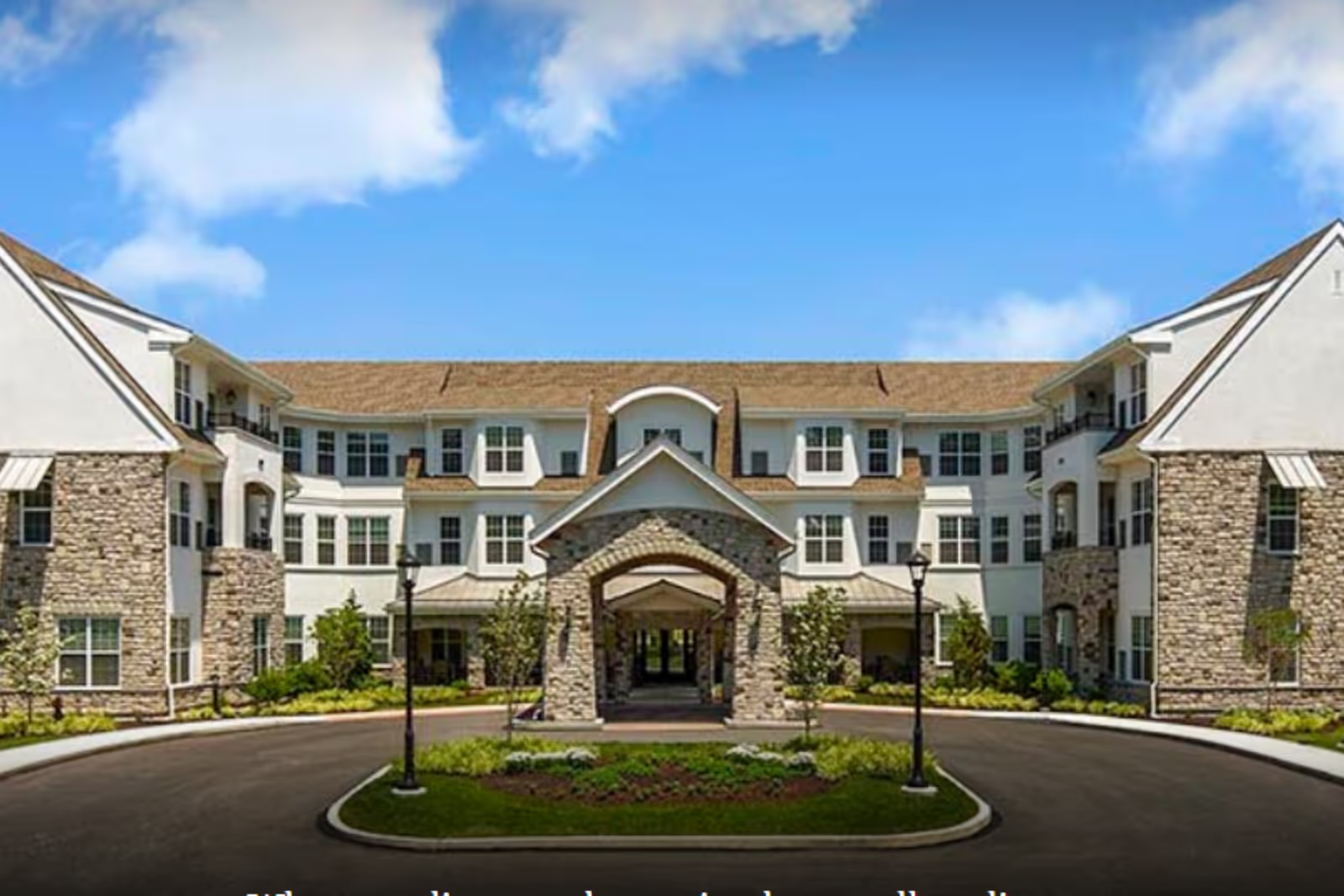
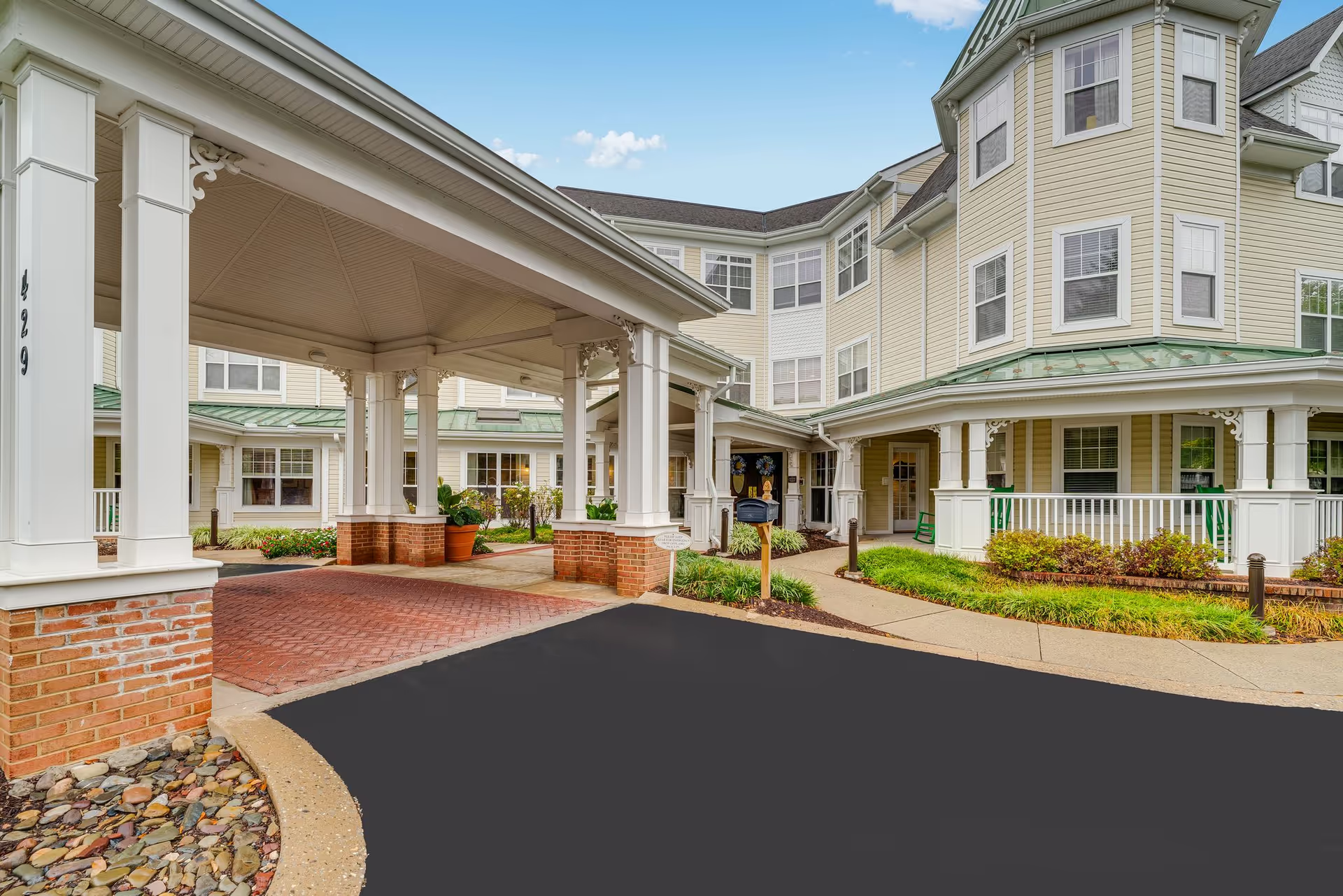
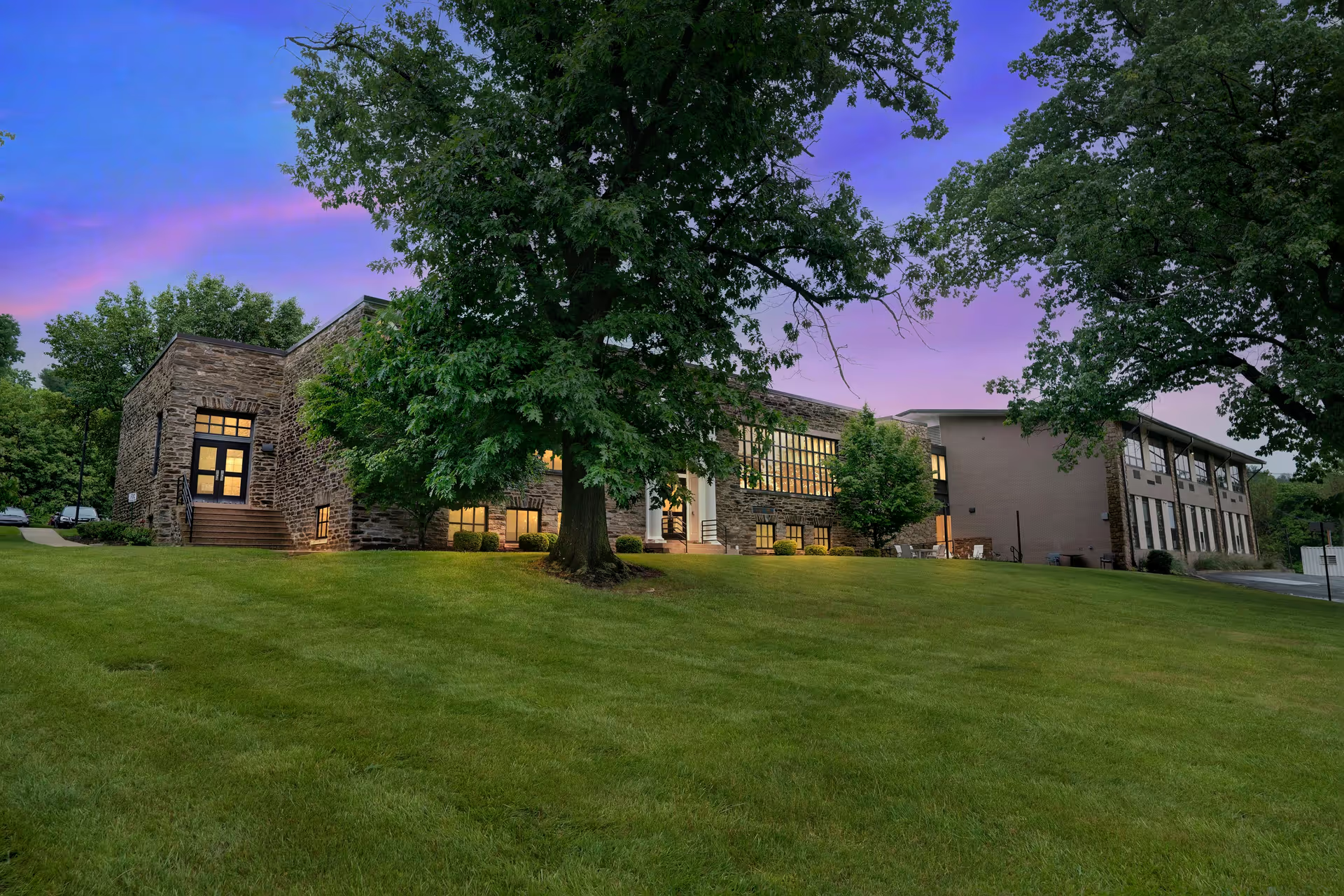
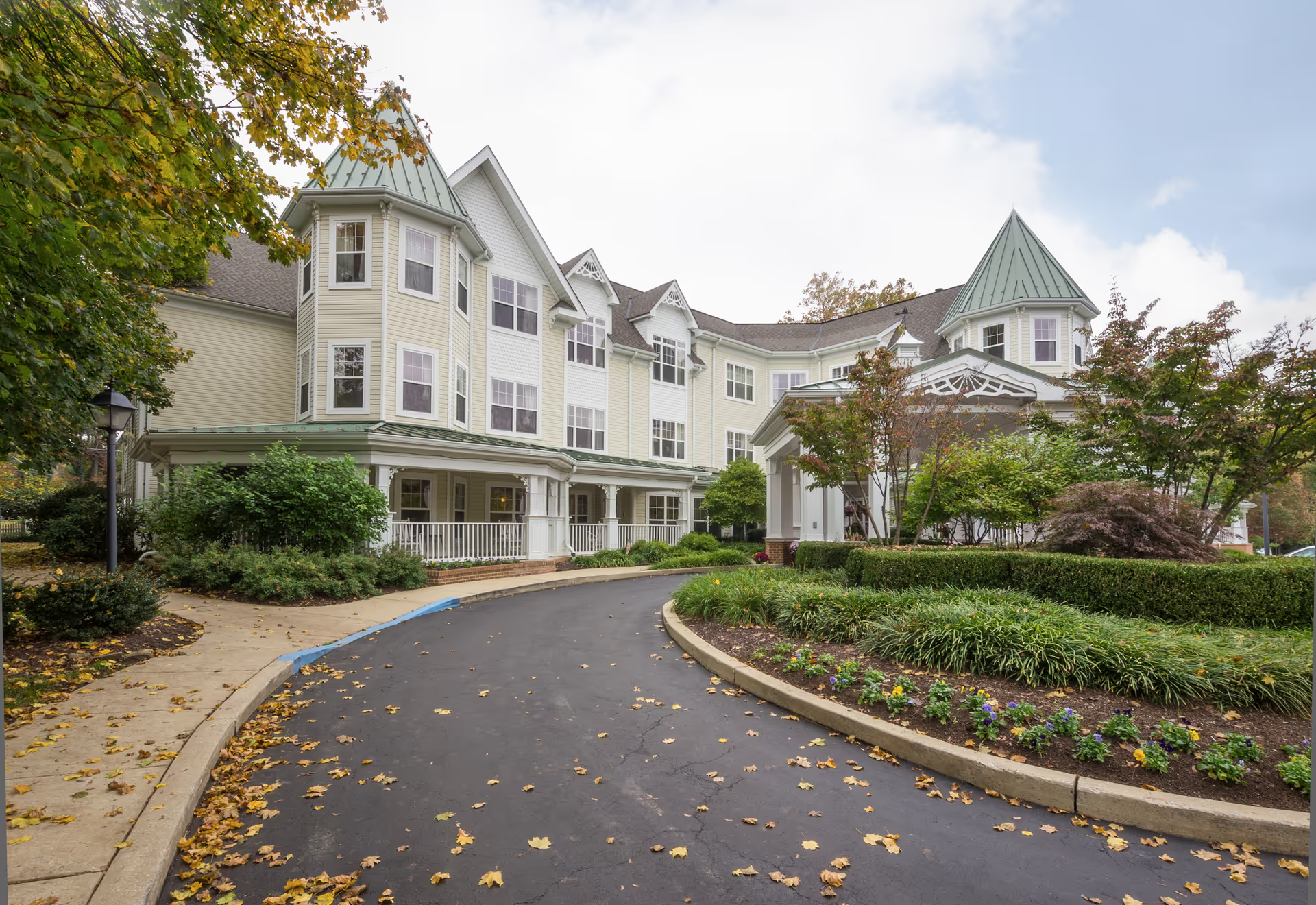
The collected reviews portray Maplewood Rehabilitation & Nursing Center as a facility with substantial variability across shifts, units, and staff. Many families and visitors described positive experiences with front-desk and admissions personnel, several nursing and therapy staff, and an active activities program; other accounts cited recurring operational problems that affect day-to-day resident care. Overall, the pattern suggests pockets of strong clinical and social support coexisting with persistent systems and maintenance weaknesses.
Care quality and staffing: Clinical care is described as excellent by some reviewers — therapists and particular nurses were credited with helping residents regain skills, improve appetite, and increase independence — yet there is also a clear pattern of inconsistent caregiving. Multiple accounts indicate chronic understaffing, high patient-to-CNA ratios, and caregiver workload pressures. That staffing shortfall appears to contribute to delays in attending to resident needs, inconsistent toileting and bathing schedules, and role confusion where CNAs are asked to perform tasks outside their scope while nurses are perceived as less available. The result is uneven responsiveness and variability in the level of hands-on assistance residents receive.
Staff conduct and communication: Reception, admissions, and certain aides receive frequent praise for warmth, helpfulness, and supportive interactions. At the same time, reviewers raise concerns about staff professionalism and tone in other units or shifts; examples include curt phone interactions, argumentative exchanges, and inconsistent supervisory responsiveness. Administrative communication gaps were also noted — families described difficulties reaching admissions or social-work staff by phone, problems with discharge coordination, and isolated medication or communication failures that undermined confidence in care continuity.
Dining and activities: The facility’s activities program and engagement staff were frequently highlighted as strengths, with named activities directors credited for improving residents’ mood and social participation. Rehabilitation services and physical therapy also drew positive remarks. Dining receives mixed evaluations: some families found meals acceptable and timely, while others reported poor presentation, cold or incomplete meals, and limited snack availability. Meal-service consistency appears uneven across dining periods and units.
Facilities, maintenance, and infection-control considerations: Several reviews describe clean, odor-free public areas and well-maintained guest spaces, but others identify maintenance and sanitation problems within specific rooms or hallways. Concerns include sticky floors, broken equipment, shortages of linens and toileting supplies, and pest-control issues in some areas. Those problems, together with inconsistent cleaning and supply-management practices, create an uneven environment that can affect comfort and perceived safety.
Patterns and implications for families: The dominant theme is variability — some residents experience compassionate, competent care in a welcoming atmosphere, while others encounter operational failures that materially affect daily living and confidence in the facility. For prospective residents and families, this suggests the value of a targeted tour (including unit-specific observations), direct questions about staffing ratios and supply procedures, and written clarification of discharge and medication coordination processes. Leadership attention to staffing levels, clear role delineation between nurses and CNAs, reliable supply chains, and strengthened maintenance and pest-control protocols would likely reduce the negative patterns described in these reviews.