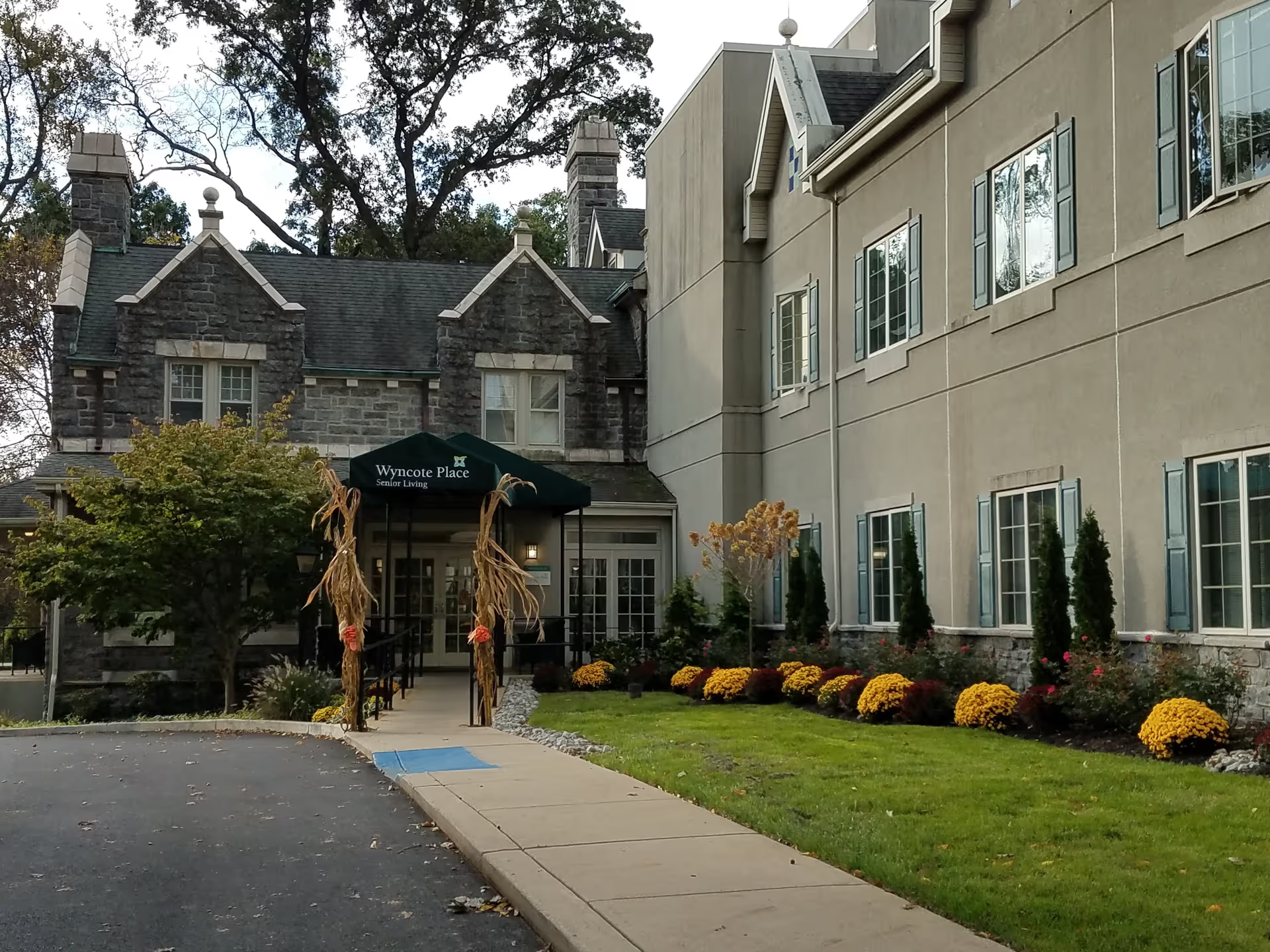
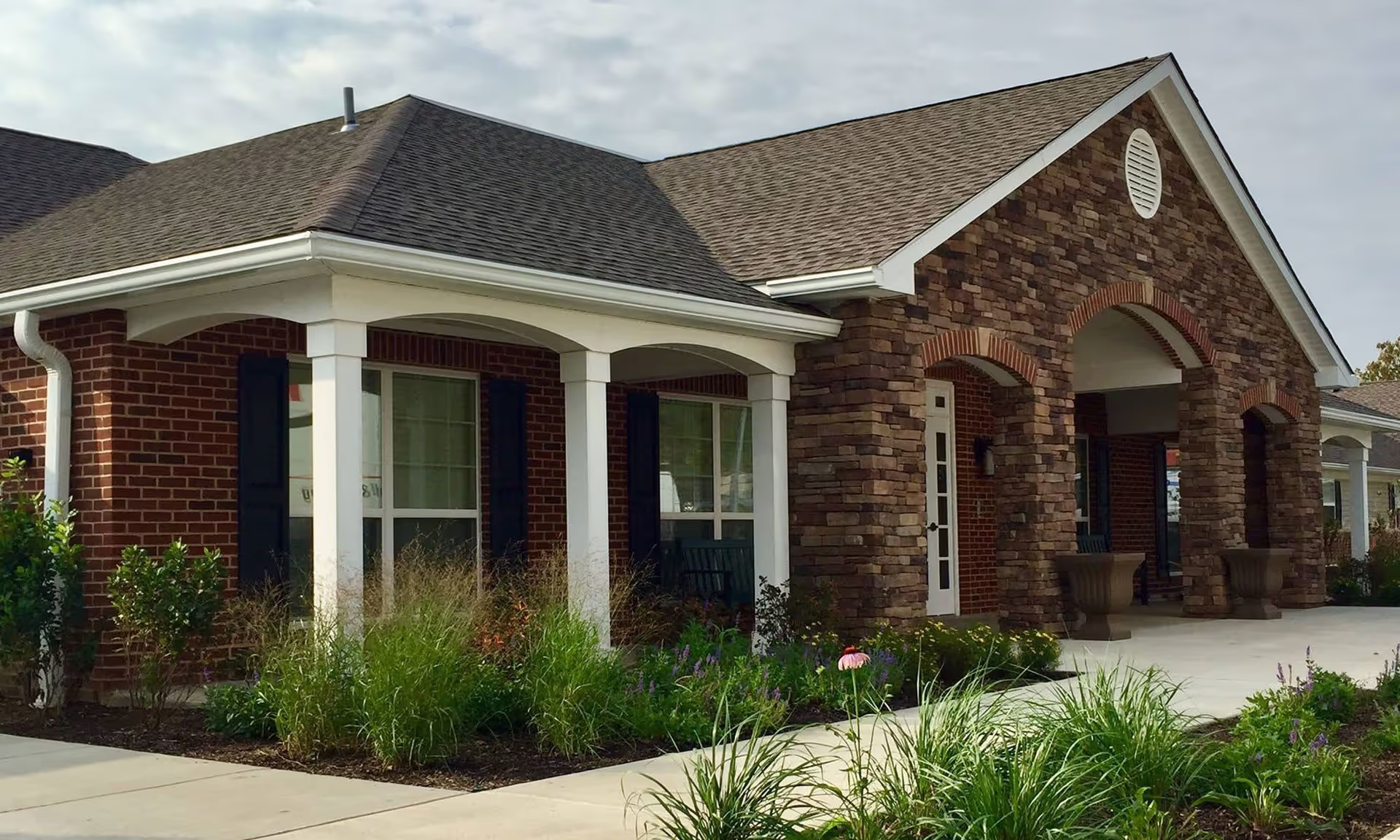
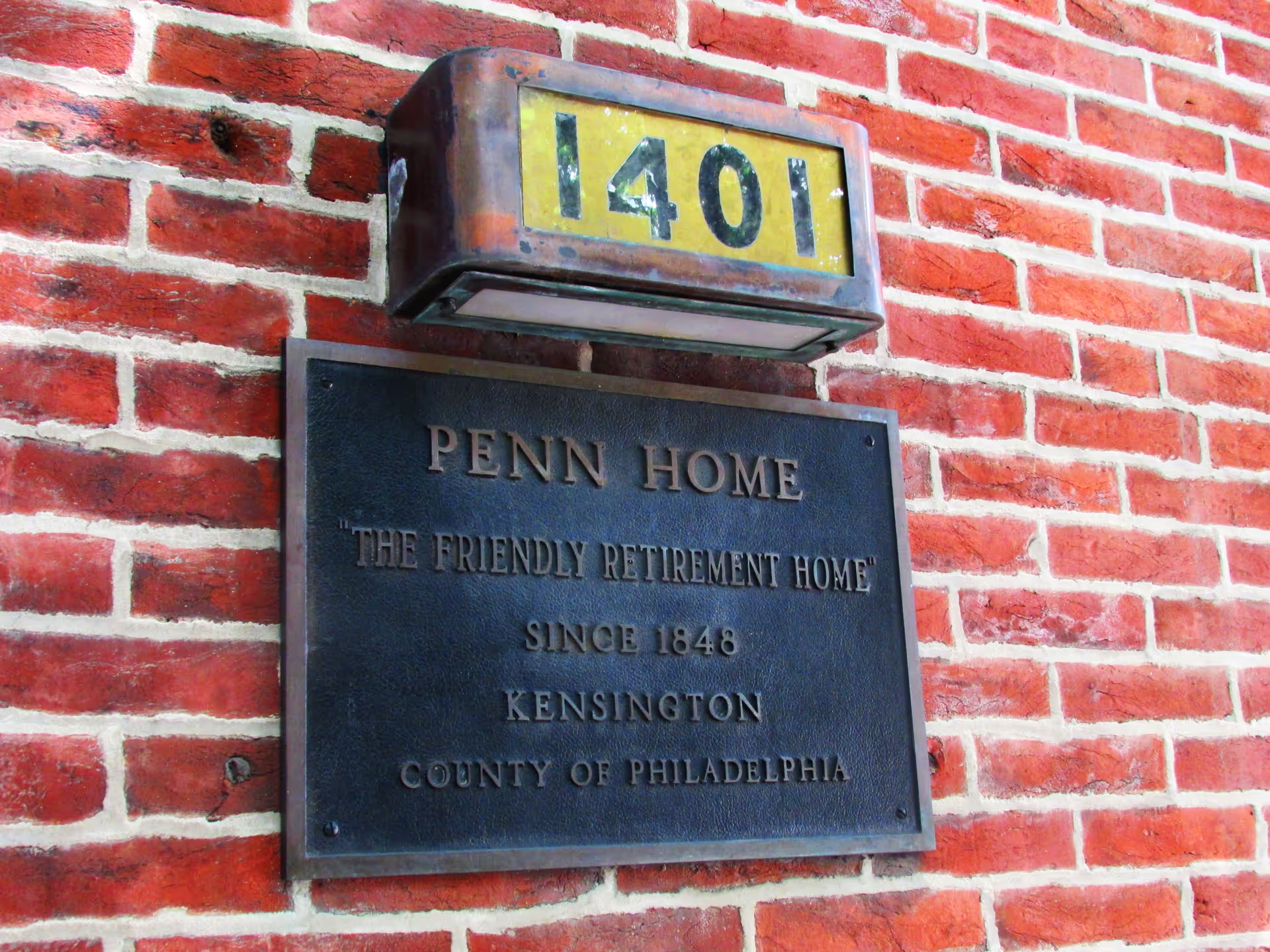
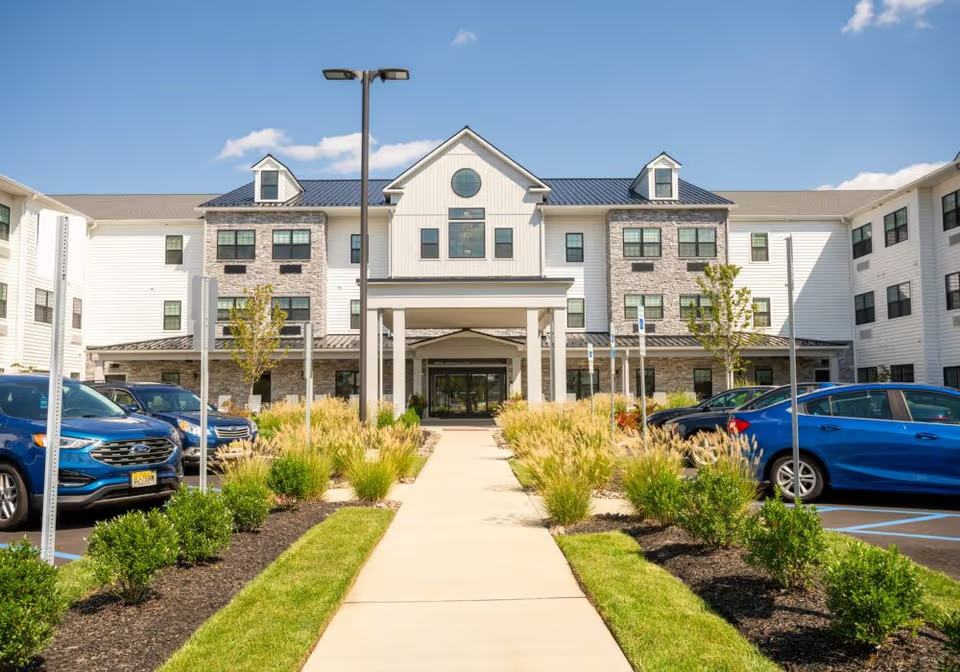
The Philadelphia Protestant Home presents a mixed but clear pattern: it is a large, amenity-rich campus with many features that appeal to independent and assisted-living residents, yet families should weigh operational consistency and cost. Strengths commonly cited include a broad range of on-site conveniences (bowling alley, pool, fitness center, salon, shops), attractive landscaping and outdoor spaces, well-maintained and hotel-like common areas, and multiple options for dining and socialization. Rehabilitation and therapy services are available and described as effective by some families, and safety features such as nursing stations on each floor and monitored entry add to the sense of security.
Staffing and care quality emerge as the most variable areas. Many reviews praise friendly, long-tenured front-desk and security personnel and describe positive, family-like interactions during tours and day-to-day contact. At the same time, several families raised concerns about inconsistent caregiver availability, unmanned nurse stations at times, and slow response times to call lights. There are also recurring mentions of sanitation and incontinence-care delays in personal care situations; these are described as operational gaps rather than isolated administrative matters. Clinical continuity has been affected by a transfer of physician services to an outside practice, which some reviewers view as a reduction in in-house medical oversight.
Dining and activities show a split perception. Multiple reviews highlight excellent dining venues, fresh desserts, and three meals a day with snacks, along with a robust calendar of activities—musical therapy, arts and crafts, libraries, and organized outings are noted positively. Conversely, other accounts cite bland or overcooked food and limited entertainment on certain days or shifts. Activities and programming are extensive overall, but families should expect variability in day-to-day implementation.
Facility and unit characteristics are generally positive at the campus level: clean common areas, accessible public bathrooms, and attractive, well-decorated public rooms. However, some unit-level trade-offs are evident. The campus's scale means that some private units are described as quite small and several floorplans lack in-room showers or private bathrooms. Those prioritizing an apartment-style unit with an en-suite bath should verify suite types and availability. A few reviewers also noted an institutional odor in particular areas, suggesting spot-specific maintenance or ventilation issues rather than a universal condition.
Management and financial considerations are important decision factors. Several families noted a recent rate increase and expressed concern about affordability and long-term financial exposure as residents age. There are also comments about communication and follow-through from administration on requests and care coordination; prospective residents should confirm processes for family communication, escalation of care concerns, and the facility’s policy on physician services. A small number of reviews raised questions about online-review transparency, which suggests verifying information with an in-person visit and direct references.
Bottom line: the facility offers strong campus-level amenities, landscaping, and therapy resources that many families find appealing, especially for active independent residents. At the same time, there are consistent signals about variable staffing responsiveness, inconsistencies in dining and personal-care delivery, limited private-bathroom availability in certain unit types, and cost escalation. Prospective residents and families should schedule an extended visit that includes observation of care-floor staffing, a review of specific suite layouts (bathroom configuration), clarification on clinical-provider arrangements, and a detailed discussion of fees and communication protocols before deciding.