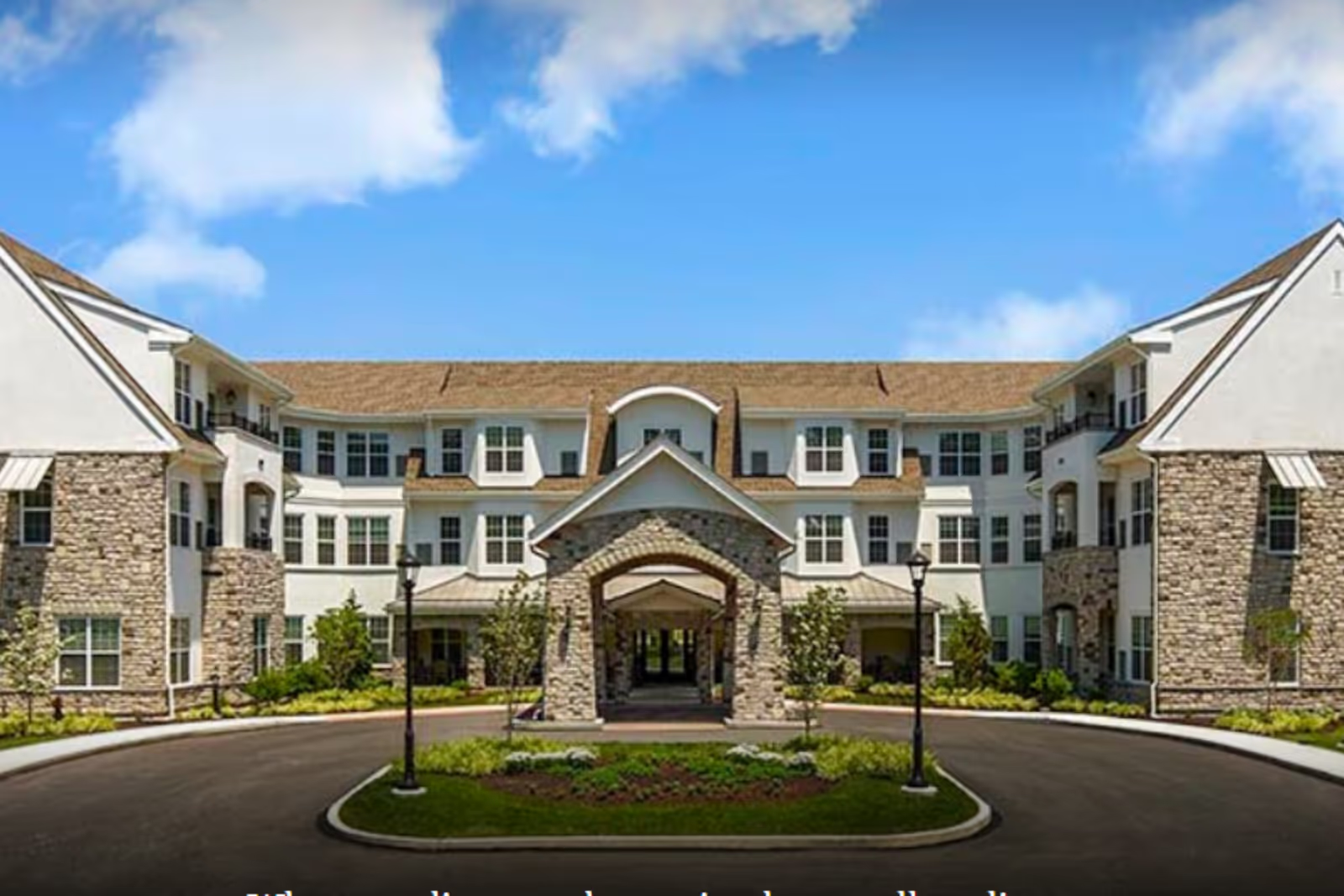
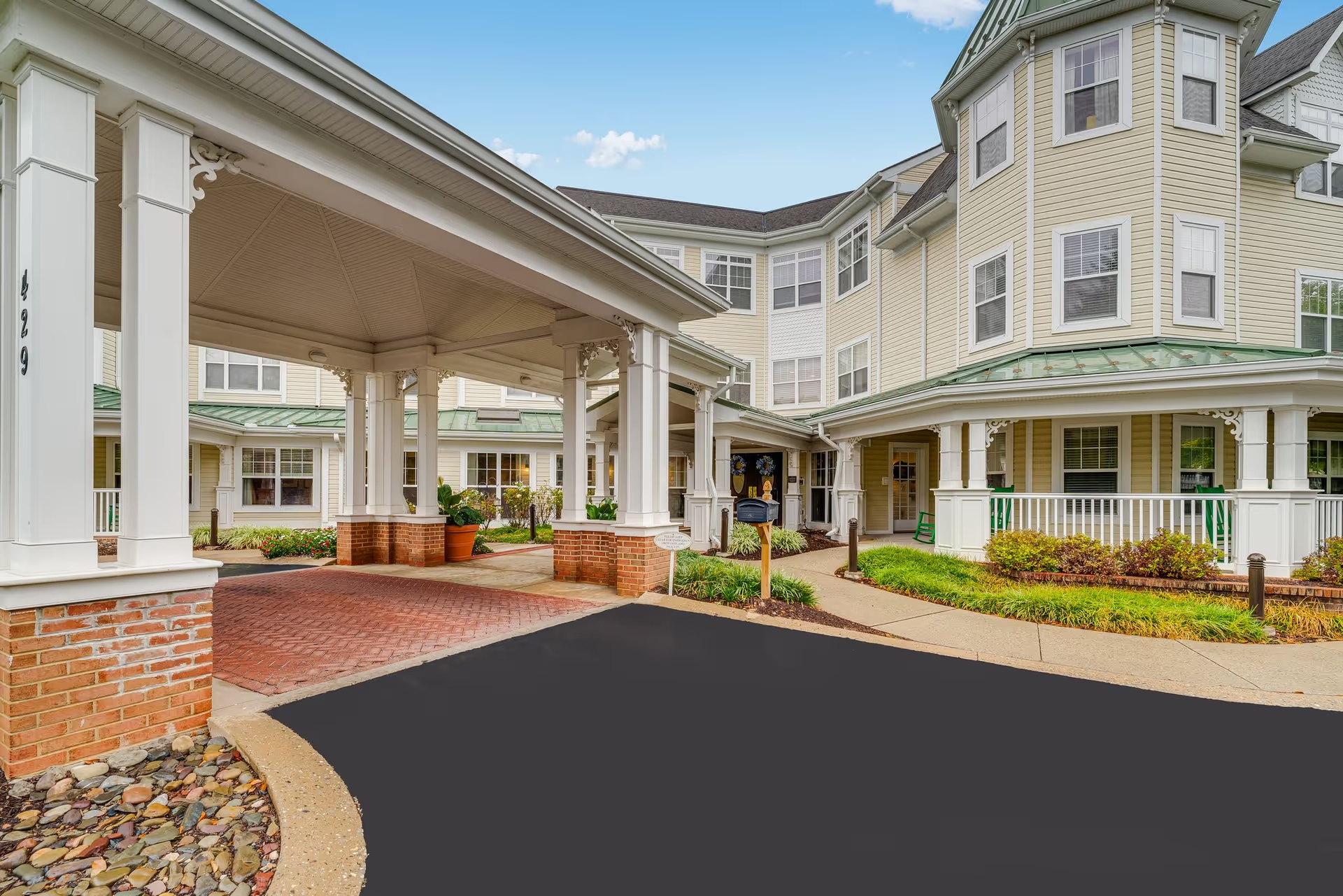
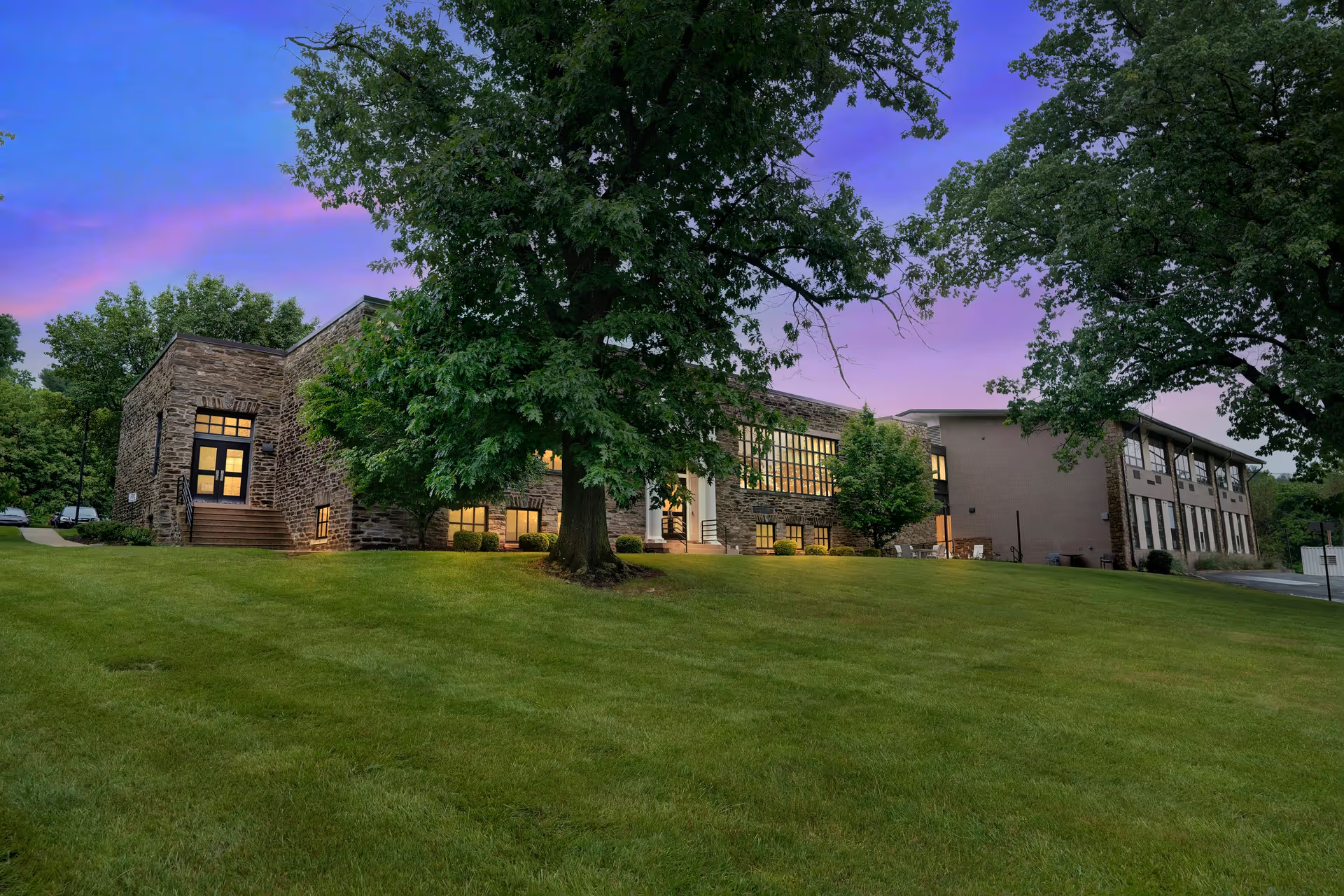
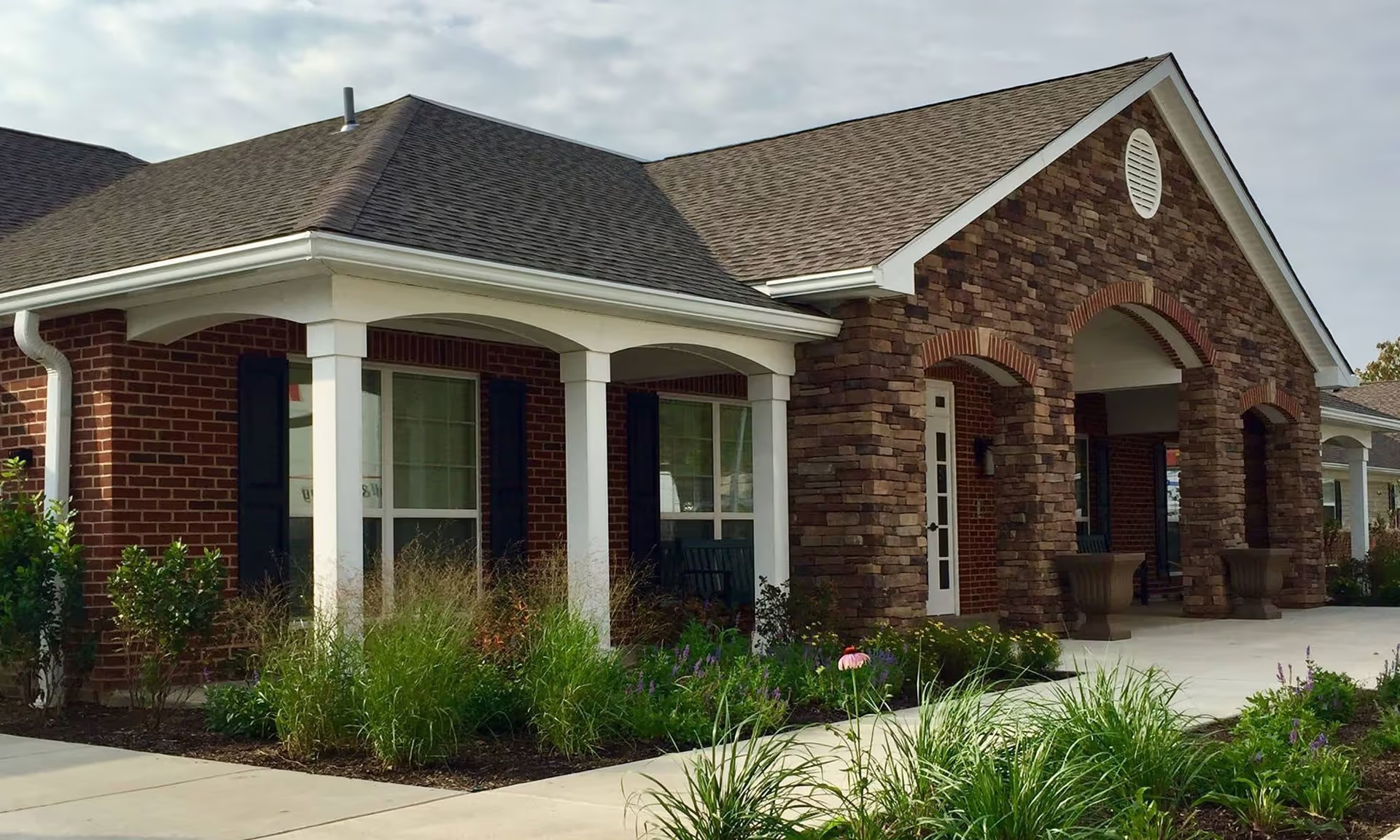
Willow Terrace elicits strongly polarized feedback: many reviewers describe individual staff members and specific teams as compassionate, skilled, and responsive, while others identify consistent operational shortcomings. Strengths most often cited include committed CNAs and several nurses who provide hands‑on care, an active and effective rehabilitation program, attentive unit managers and social workers, and helpful front‑desk personnel. Housekeeping and maintenance receive praise in some units, and features such as private rooms, visible activity programming, and secure-entry controls were noted positively by families.
At the same time, a recurrent pattern of operational weaknesses emerges. Staffing consistency is a central concern: reviewers describe adequate daytime coverage but frequent gaps overnight and during shift changes, which correlates with delayed responses to call lights, missed personal-care tasks, and inconsistent bathing and grooming routines. Medication management and pain-control processes were also described as uneven, including delays in analgesia and missed or incorrectly timed medications. Several reviews alleged clinical- and billing‑related problems; while these are serious and merit inquiry, they are part of a broader pattern suggesting gaps in clinical oversight and administrative controls.
Dining and daily living services are another mixed area. Multiple accounts note delayed or missed meals and variable food quality; at the same time, some families found meal service acceptable and dining spaces attractively arranged. Activity programming exists and is appreciated by some residents, but other reviewers indicated limited or infrequent group activities, contributing to a less stimulating environment for certain residents.
Facility condition and environmental controls were frequent topics. Reviews describe inconsistent cleanliness and odor concerns in particular units or common areas, pest‑control issues, water and elevator maintenance problems, and areas of unfinished construction or exposed maintenance hazards. Temperature control problems, including nonworking air conditioning and lack of hot water at times, were mentioned repeatedly and appear to affect resident comfort. These items suggest the facility has uneven capital-maintenance performance and variable adherence to environmental standards.
Management and administration receive mixed evaluations. Several family members reported prompt engagement from unit managers or administrators who addressed concerns, while others experienced poor communication, rushed or disorganized discharge planning, privacy lapses, and billing difficulties. Staff morale and turnover were raised as contributing factors to inconsistent care: reviewers described dedicated teams in some shifts and low morale or unprofessional conduct in others.
Overall impression: Willow Terrace demonstrates clear strengths in individual caregiver dedication and rehabilitation services, but those strengths are offset for some families by inconsistent operational performance across care delivery, environmental maintenance, and administrative processes. Prospective residents and families should consider an in‑person tour of the specific unit, ask targeted questions about staffing ratios (including overnight coverage), medication- and pain‑management protocols, infection‑control and pest‑control practices, HVAC reliability, hospice capability, and the facility’s process for family communication and discharge coordination. Documented responses from management to prior concerns and recent inspection records will also help clarify whether identified problems are being addressed.