Reviewer feedback for Phoenix Center for Rehabilitation and Nursing is strongly polarized: a substantial number of families and former residents praise the care team and recent facility investments, while a substantial set of concerns focuses on operational consistency, sanitation, and safety practices. This creates a mixed picture in which excellent individualized care and notable service strengths coexist with recurring systems-level weaknesses.
Care and staff: Positive comments emphasize compassionate, attentive nurses, skilled physical and occupational therapists, and committed CNAs. Several reviewers identified specific clinicians and leaders as highly engaged and effective; rehabilitation services are frequently described as a strength. At the same time, many reviewers describe chronic understaffing—especially on weekends and during off shifts—and frequent use of agency or temporary staff. Those staffing patterns are associated with delays in responding to call lights, variable clinical oversight, and concerns about consistency of care. A number of comments reference concerns about staff conduct and communication tone; others praise recent nursing leadership changes that families say have improved responsiveness.
Dining and activities: Experiences with meals and activities are mixed. Some families note good food and active program staff, while others cite limited meal choices, inconsistent food quality, and operational staffing shortages in the kitchen that affect meal service continuity. Activity staff and social programming receive positive mentions from families who experienced engaging schedules and friendly interactions, though a few reviews criticized social-work communication and discharge planning.
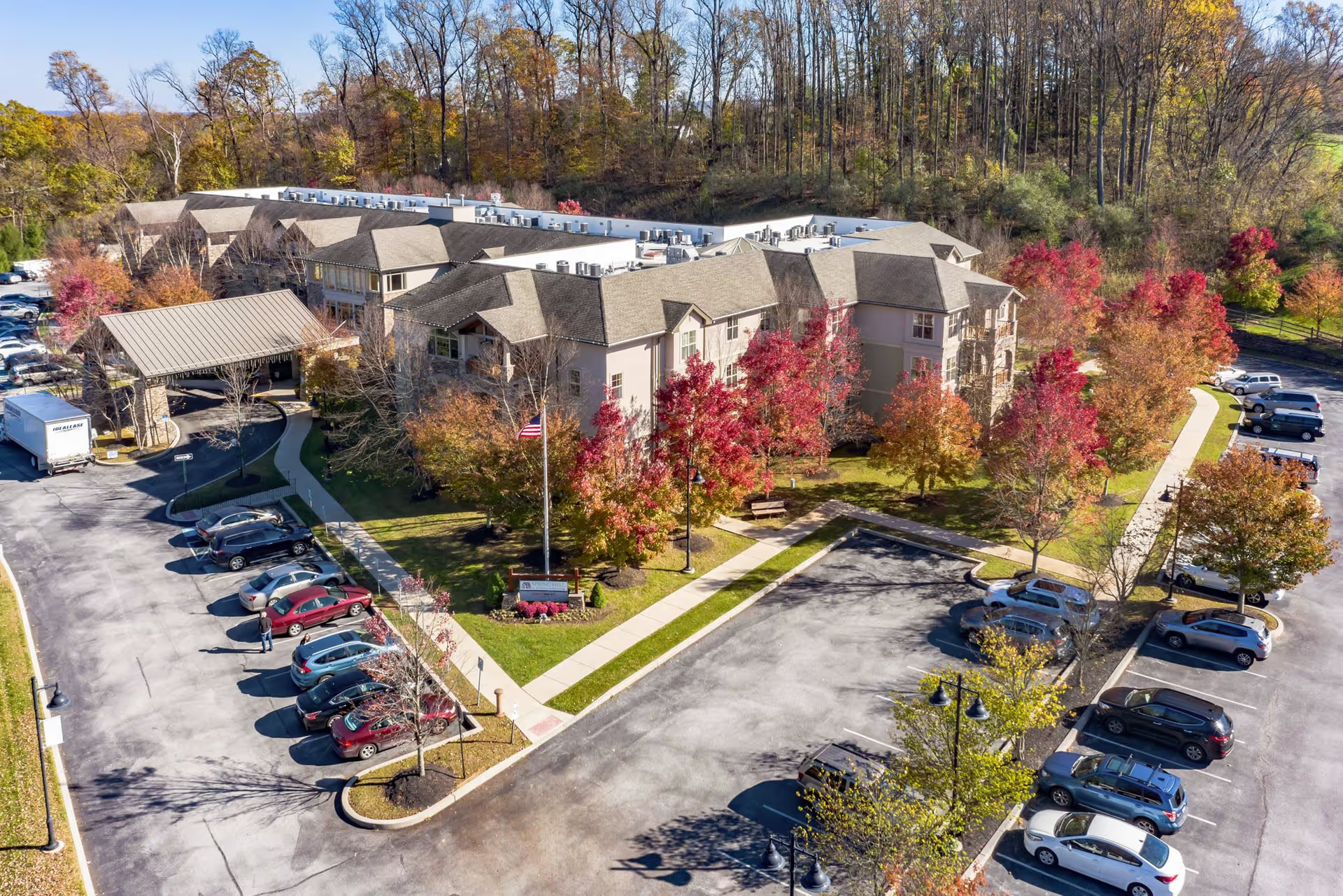
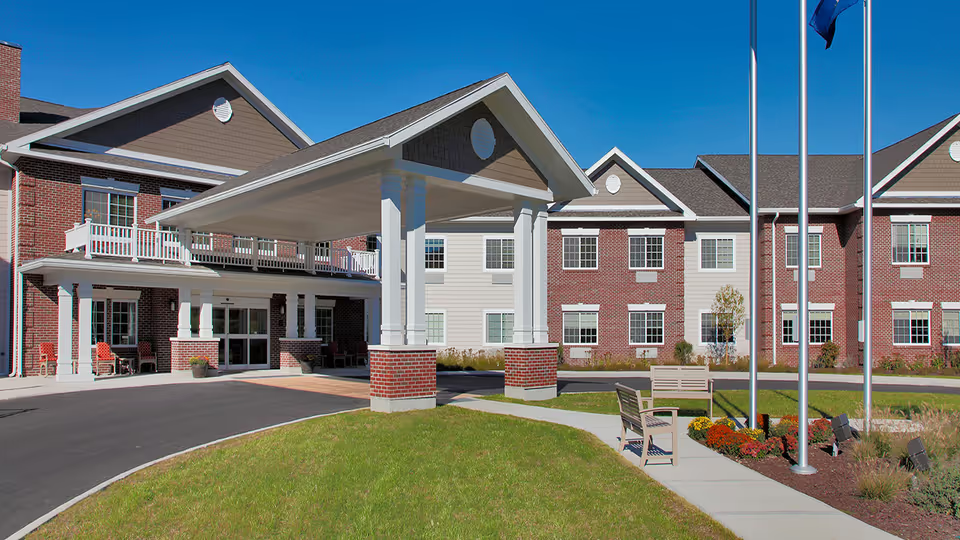
Facilities and cleanliness: Several reviewers describe visible renovations, updated common areas, a new lobby, and attractive grounds, which are consistently cited as positives. Conversely, a number of reviews raise sanitation and housekeeping concerns, including irregular cleaning schedules, food-storage and pantry issues, and odor concerns in some areas. These issues are often linked to kitchen and housekeeping staffing shortfalls. Prospective residents may encounter a range of room conditions, from recently updated private spaces to older shared rooms with deferred maintenance.
Management and operations: Reviewers identify two distinct eras: complaints about past leadership instability, cost-cutting, and unresolved family concerns contrast with more recent praise for new administration and a director of nursing who is described as proactive. Common operational themes across critiques include high staff turnover, use of agency workers, gaps in incident-response protocols, and inconsistent communication with families. Several reviewers also raised concerns about continuity of hospice and end-of-life services when those services are contracted externally.
Notable patterns and considerations: The strongest, recurring positives are tied to individual caregivers and therapy teams; the most consistent negatives relate to staffing levels, housekeeping/kitchen operations, and management continuity. Given the variability in experiences, visitors should consider unannounced visits at different times (including weekends/evenings), ask for current staffing ratios and agency-staff usage, review the facility's infection-control and housekeeping procedures, clarify hospice arrangements and clinical oversight, and observe meal service and dining choices. These steps can help prospective residents and families evaluate whether the current operational practices align with their expectations for safety, cleanliness, and consistent clinical oversight.