The reviews of AristaCare at Meadow Springs present a polarized picture: many families and residents describe attentive, skilled caregivers and strong rehabilitative services, while others report operational and environmental problems that materially affect day-to-day care. Positive feedback highlights staff commitment, particularly among CNAs, nursing, and therapy teams; engaging activities programming; and successful rehabilitations that enabled discharge home. Several reviewers also noted stable, long-tenured employees and front-line leaders who instill confidence.
Care quality is described as highly variable. On the positive side, reviewers praise compassionate nursing and CNA interactions, timely medication administration in many cases, and effective respiratory and physical therapy services. These strengths appear to be associated with better outcomes for residents requiring short-term rehabilitation or specialized respiratory care. Conversely, other families reported delayed attention, inconsistent basic-care routines (including incontinence care and repositioning), and concerns about weight loss and pressure-injury management. These accounts suggest inconsistency in daily personal-care delivery and in clinical monitoring for vulnerable residents.
Staffing and communication are recurring themes. Several reviews commend specific staff members and departmental responsiveness; however, a comparable number describe staffing shortfalls, slow responses during acute events, and inconsistent handoffs. Family communication and care coordination receive mixed marks: some families say they are kept well informed and included in planning, while others indicate they were not notified of significant clinical changes or received delayed updates. These patterns point to variability in shift-level communication practices and escalation procedures.
Dining and therapy services also show mixed experiences. Activities and recreational programming are frequently cited as a strength — painting, games, films, and social opportunities contribute positively to resident quality of life. Therapy teams are described as energetic and effective in many accounts, supporting successful discharges. At the same time, some families note food quality and menu adherence concerns, and a subset of reviews describes inconsistent therapy delivery or insufficient therapy follow-through.
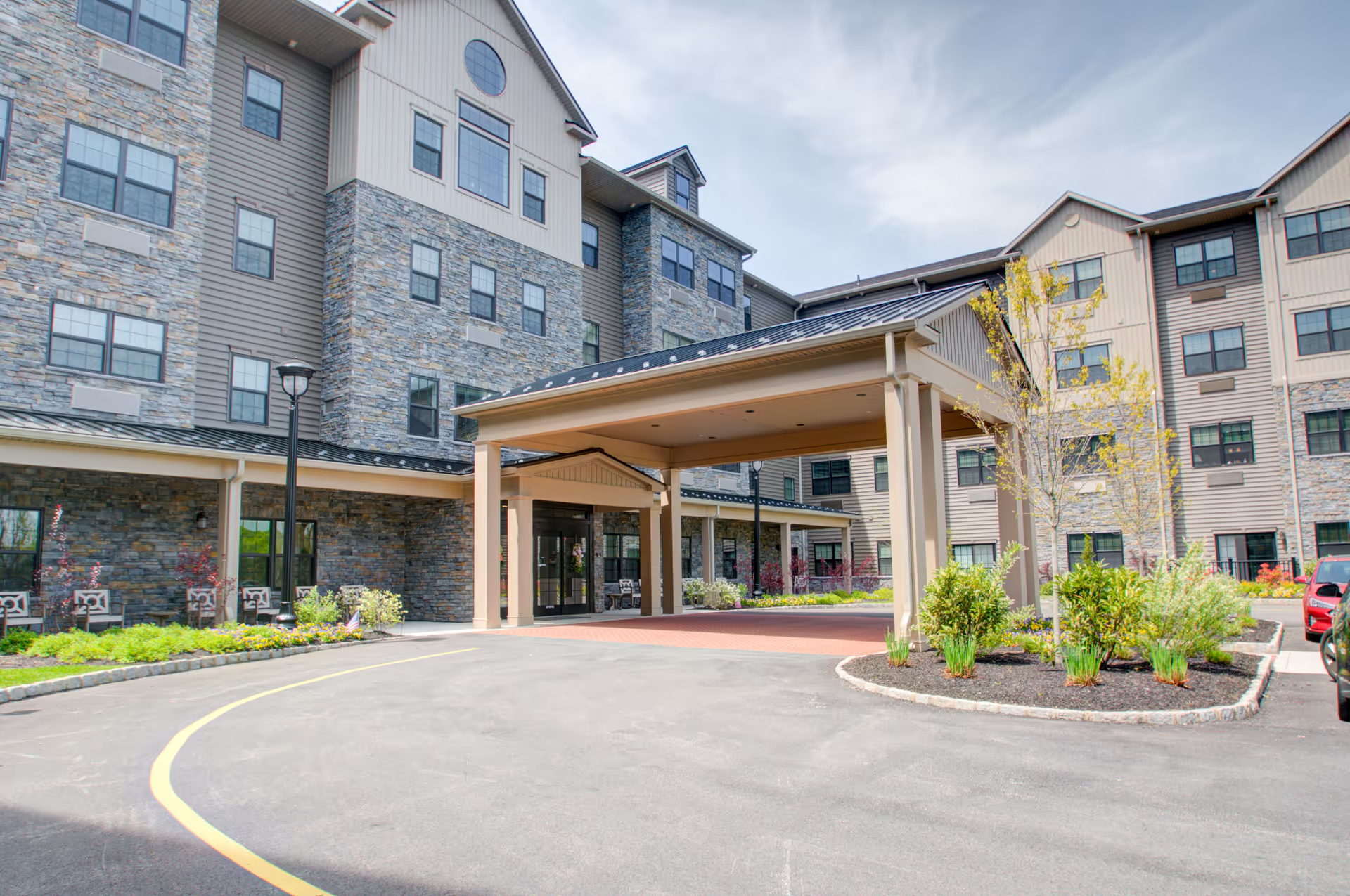
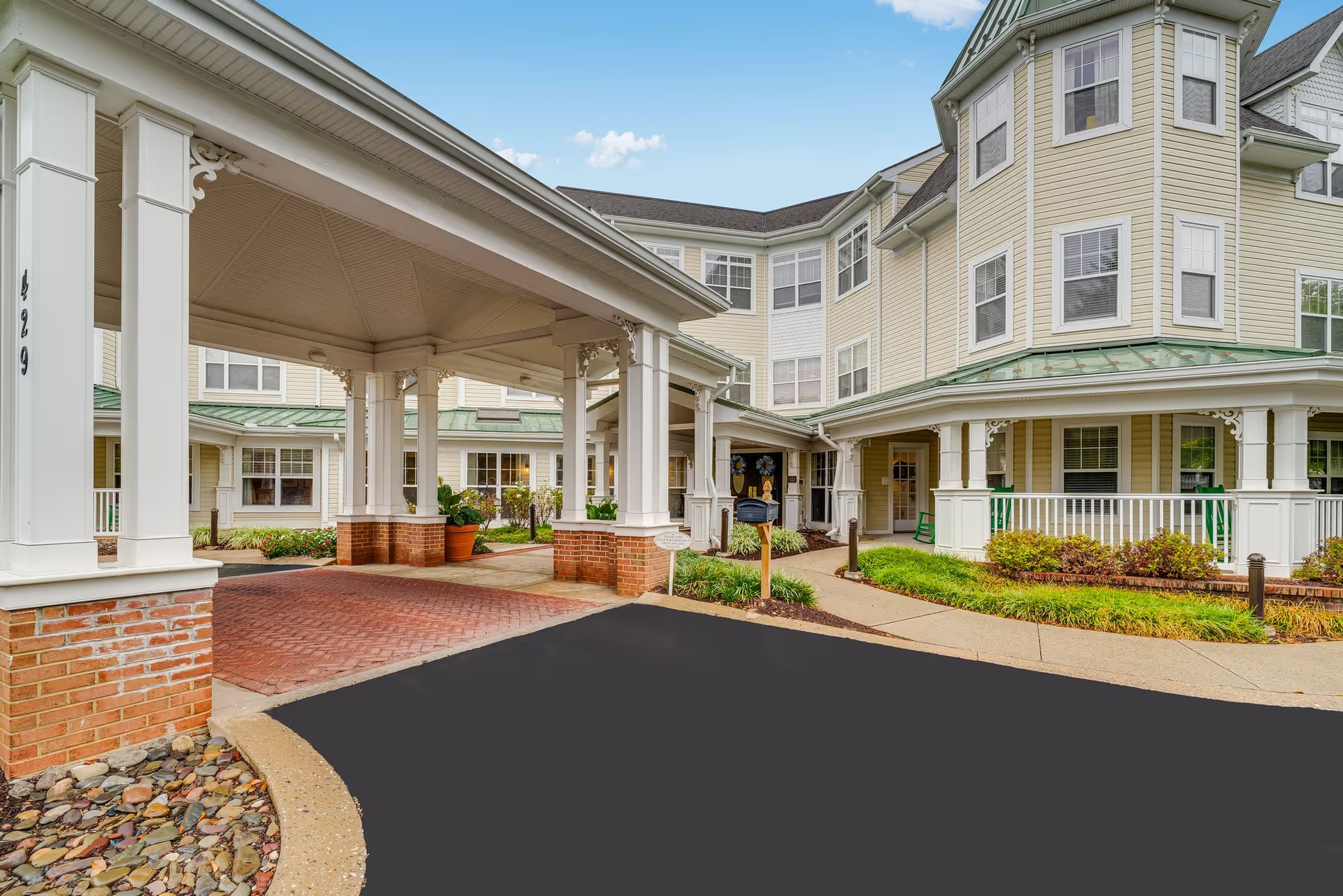
Facility condition and operational management are notable areas of concern. Positive comments describe clean, comfortable areas and a welcoming atmosphere; negative comments identify sanitation and odor-control lapses, maintenance deficits (peeling wallpaper, ceiling issues), and inconsistent environmental upkeep. There are also multiple accounts raising concerns about handling of personal belongings and the timeliness or thoroughness of internal investigations when items are missing. These operational issues, coupled with uneven adherence to dignity-preserving practices (for example, inconsistent dressing/privacy protocols), affect perceptions of overall quality and safety.
Taken together, the pattern is one of contrast: strong, engaged caregivers and effective rehabilitative care exist alongside operational weaknesses that can lead to inconsistent resident experiences. Prospective residents and families should plan an in-person visit, ask targeted questions about staffing ratios, wound-care and pressure-management protocols, family communication policies, personal-property procedures, and recent maintenance/inspection actions. Verifying current leadership practices and observing mealtime, therapy sessions, and recreational programming during a tour will help assess whether the facility’s strengths align with a given resident’s needs.