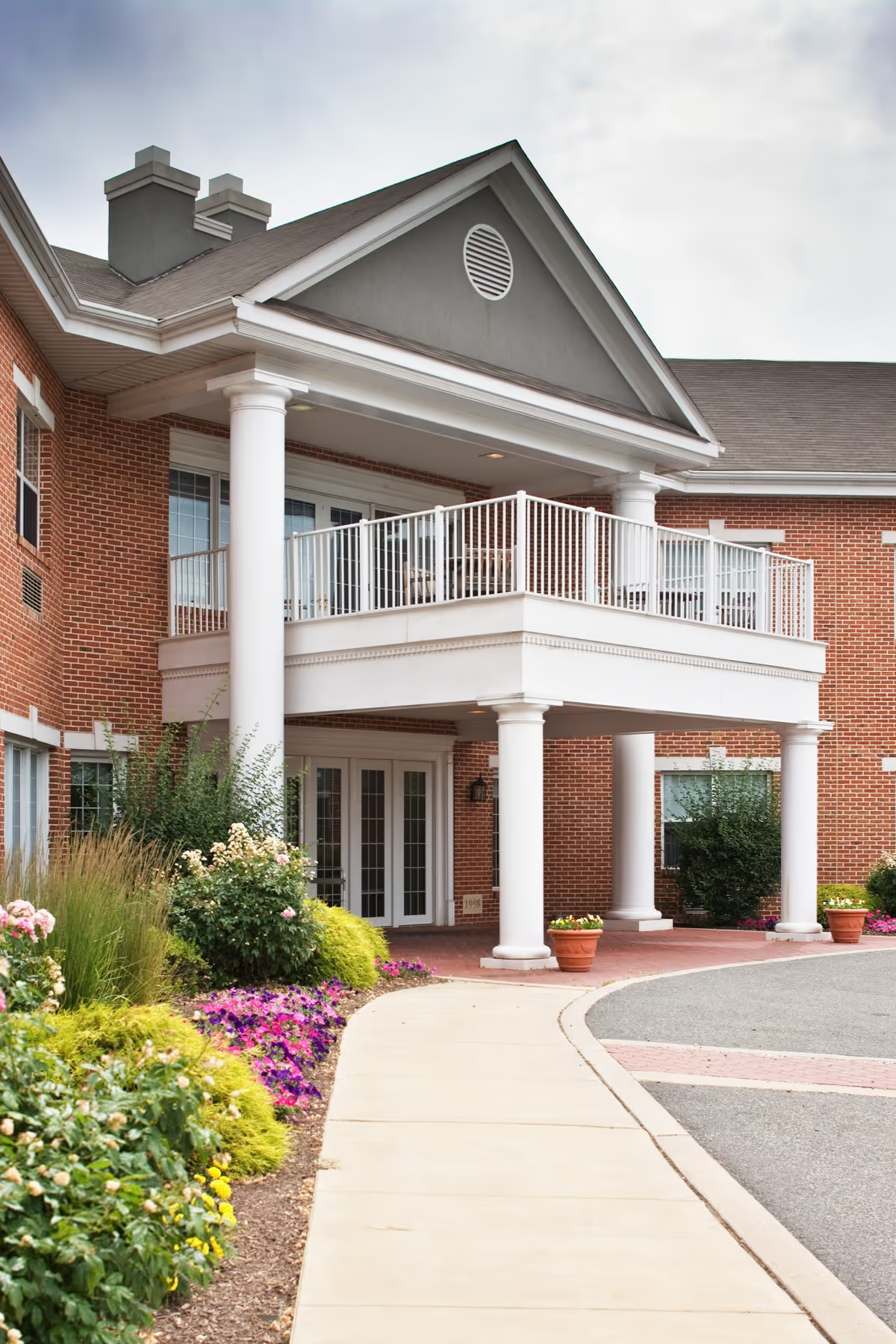
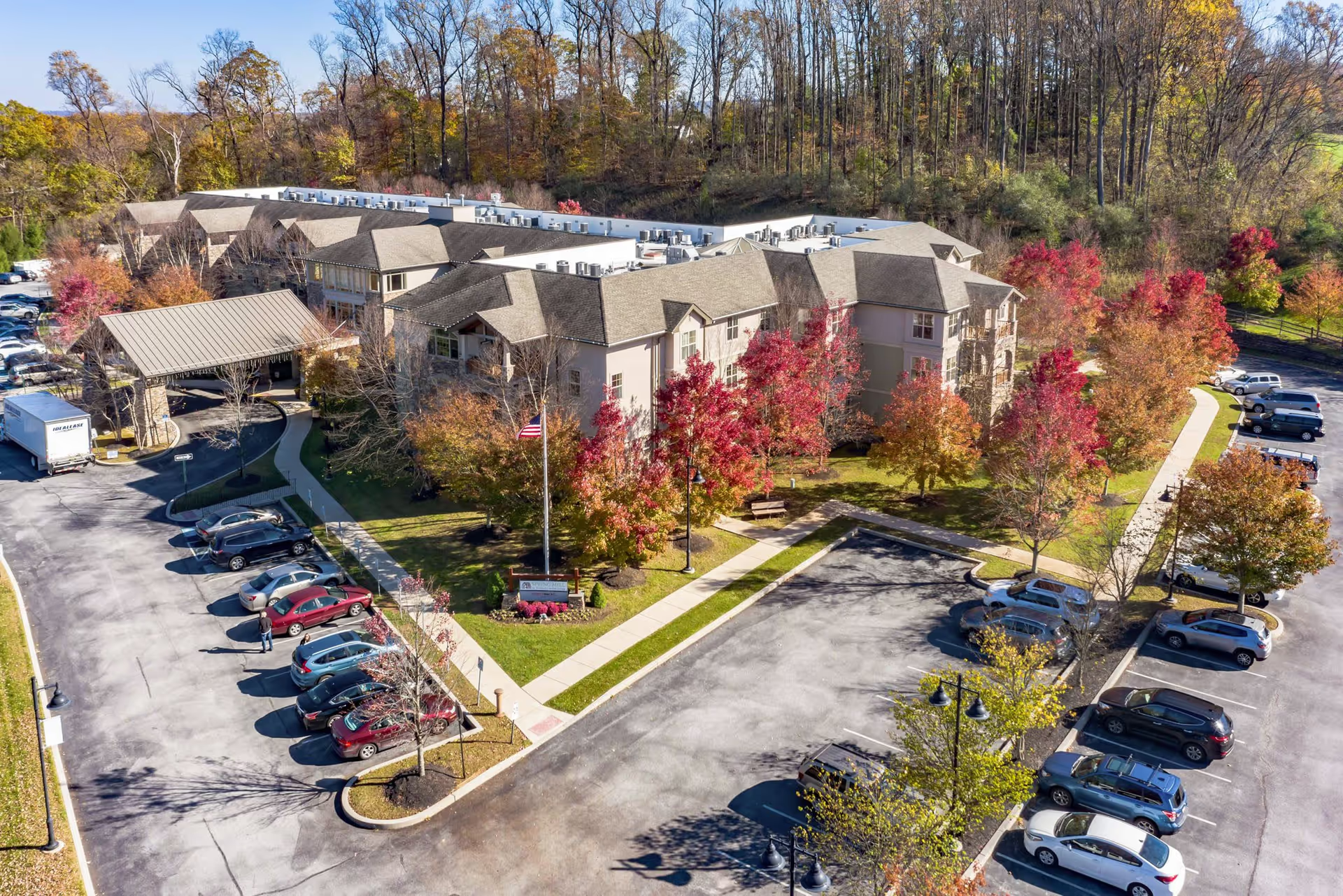
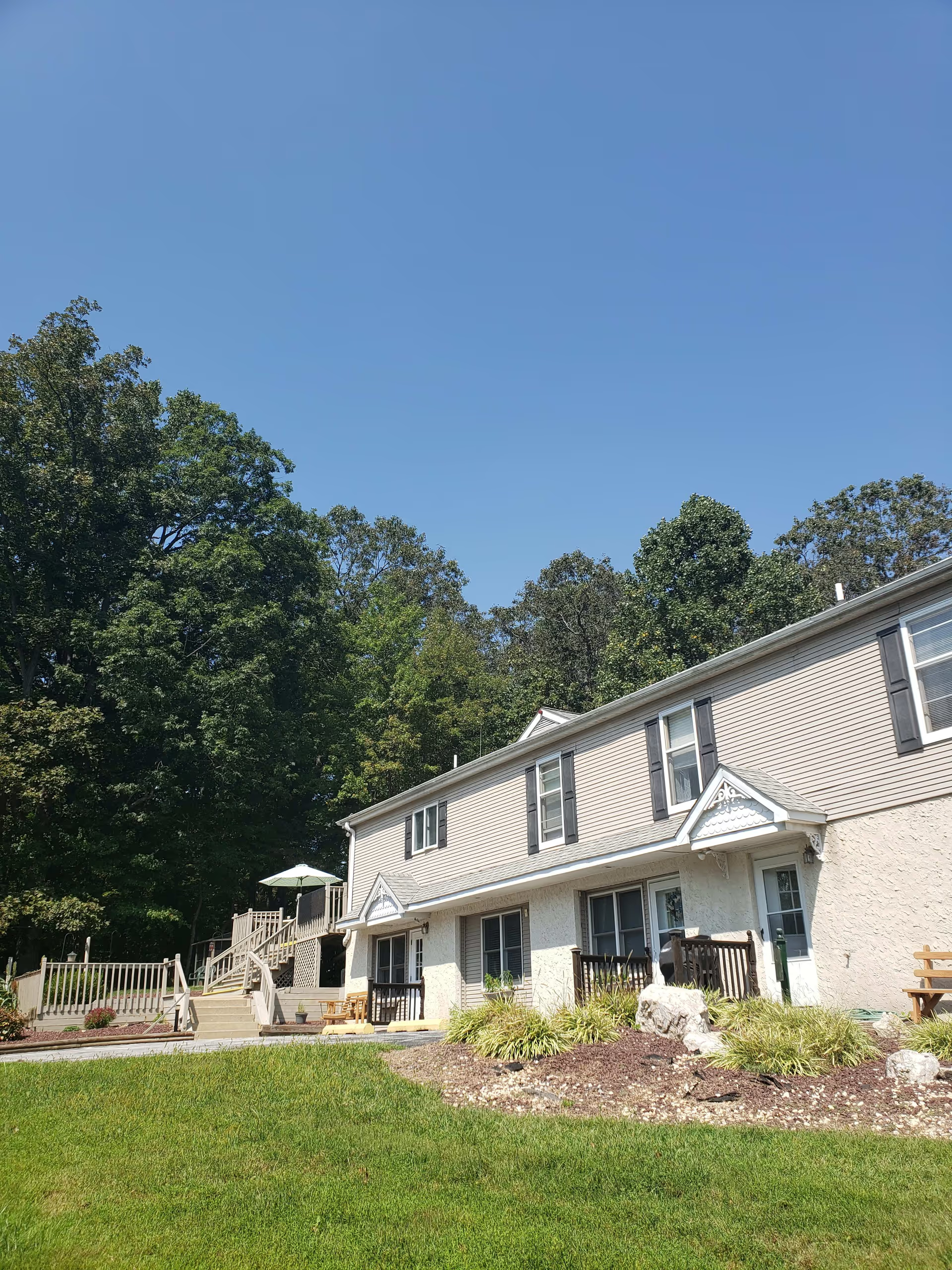
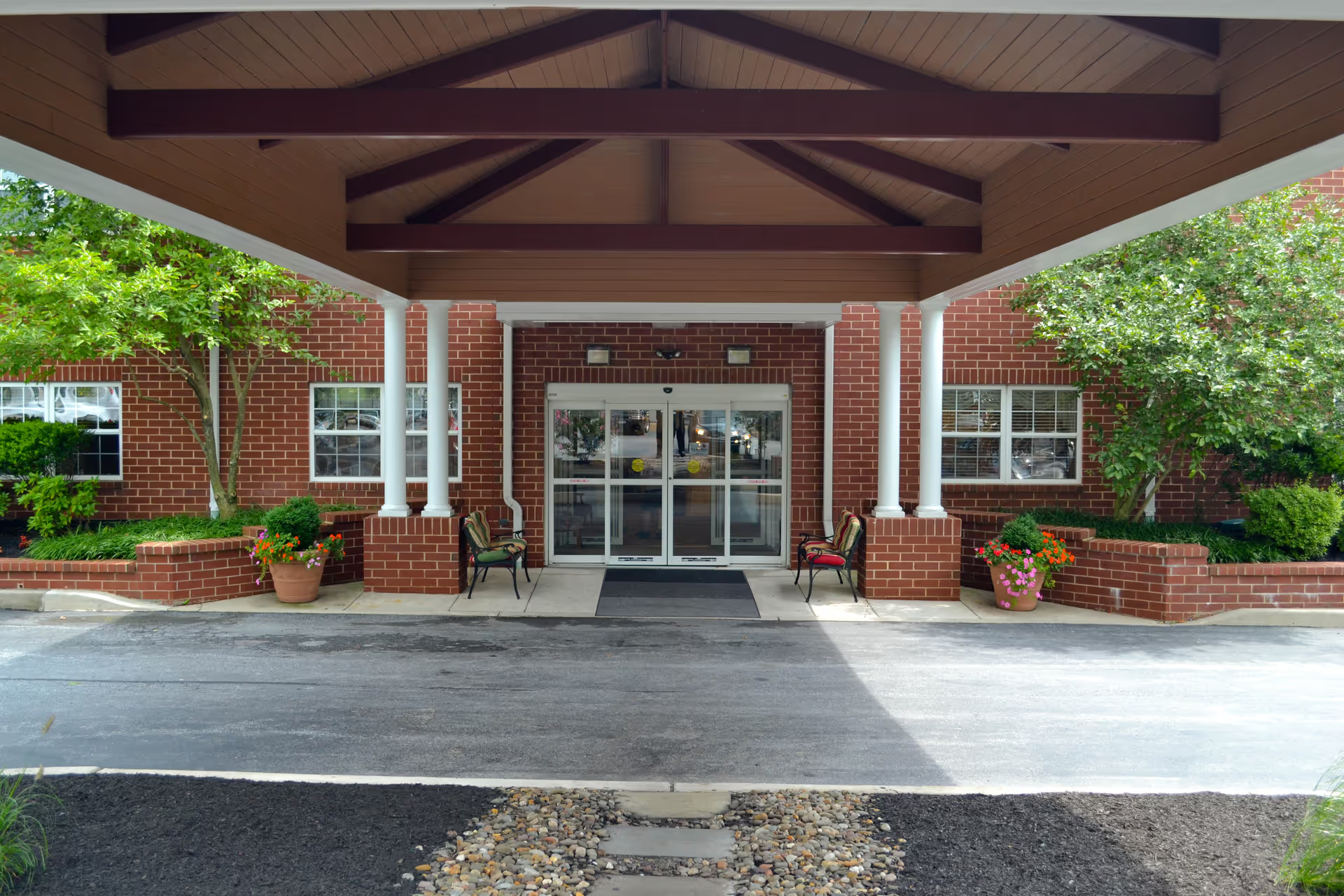
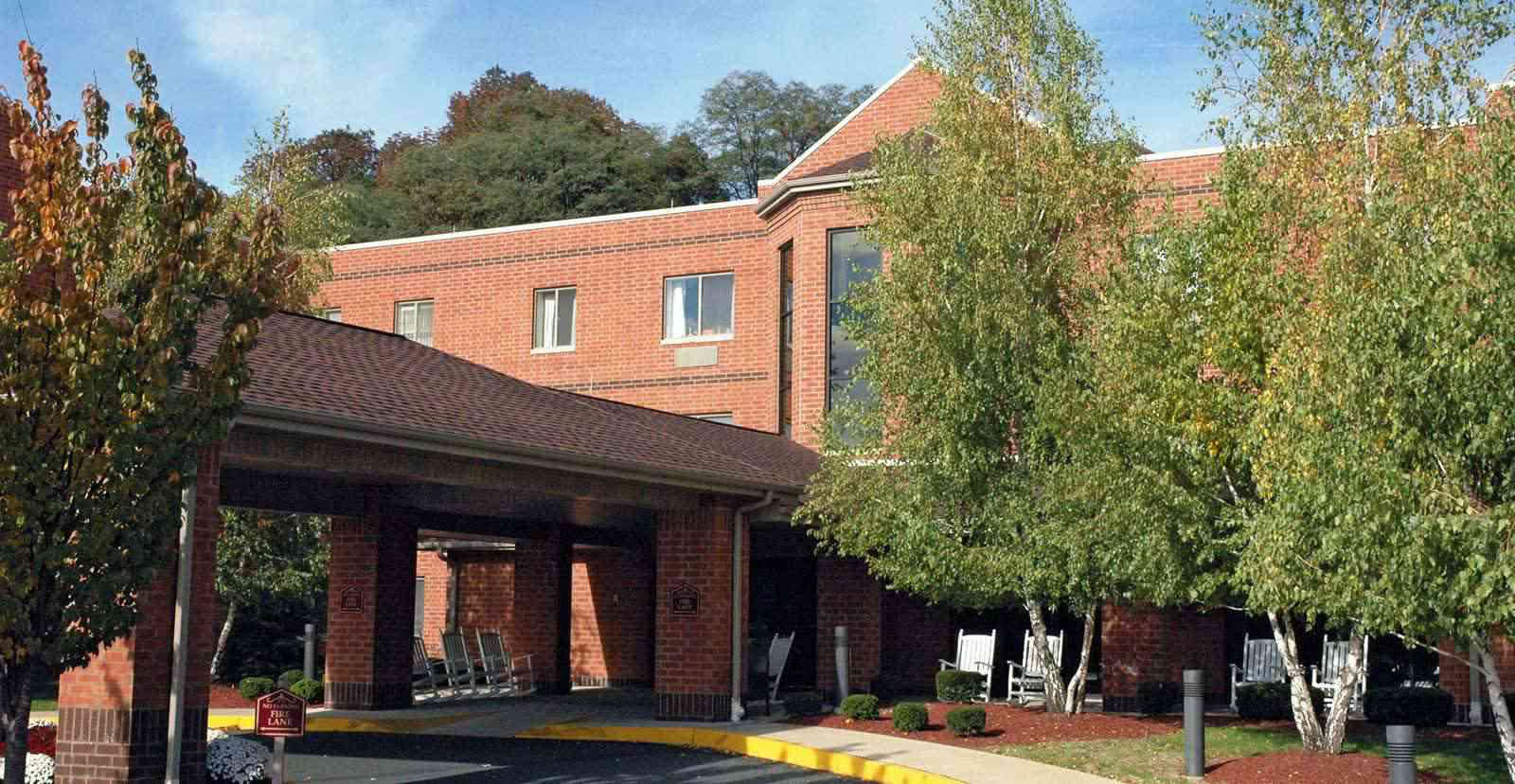
Reviews of Kadima Rehabilitation & Nursing at Pottstown present a mixed picture with distinct strengths and persistent operational concerns. On the positive side, many accounts emphasize a compassionate, team-oriented staff culture. Nurses, aides, and therapists are frequently described as friendly, supportive, and engaged; therapy and rehabilitation services (including infusion capability) are cited as an asset. The facility’s small size and tight-knit environment appear to foster close staff–resident relationships, with many residents and employees interacting on a first-name basis. Outdoor amenities, including a garden, porch areas and wooded grounds with wildlife, receive consistent praise and contribute to a pleasant setting for residents.
Care quality descriptions are polarized. Several reviews praise attentive, skilled nursing and therapy teams and describe the director of nursing and management as supportive and effective. Conversely, other accounts raise substantial concerns about inconsistent care and responsiveness, particularly during the COVID-19 period. Notable operational issues include infection-control protocol lapses, communication gaps after clinical incidents, and alleged failures in documenting or communicating falls and safety events. These items point to variability in day-to-day clinical oversight rather than a uniform level of care.
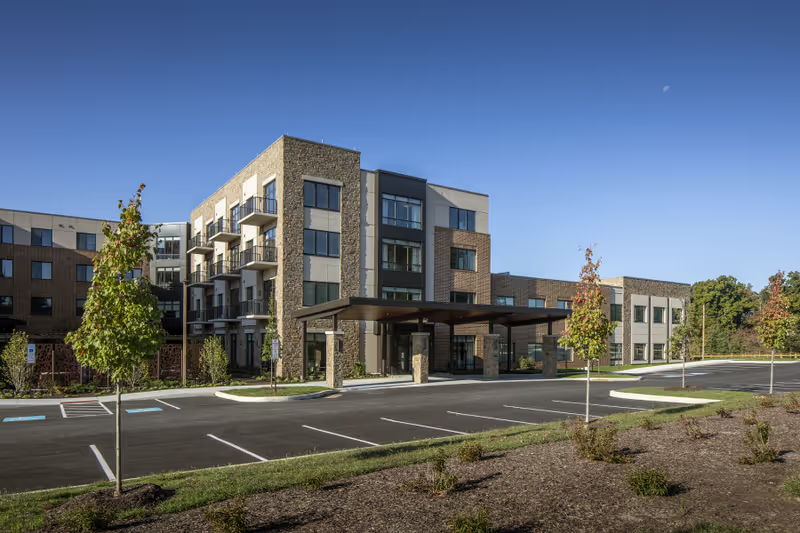
Dining and activities are similarly mixed. Some reviewers describe warm, timely meals and an active activities program, while others characterize food quality and meal service as poor. The facility offers an abundance of activities and pleasant outdoor spaces, which many families and residents value, but dining consistency appears uneven. Maintenance and cleanliness comments are also inconsistent: several reviewers describe clean, well-kept resident rooms and common areas, while others note areas with maintenance or sanitation concerns. The building itself is often called attractive or beautiful in places, yet reviewers also describe it as dated in parts and in need of upkeep.
Management and financial stability are recurring themes. Multiple reviews reference leadership changes and staff turnover, and a subset expresses concern about financial or operational instability, including unpaid vendor obligations and perceived closure risk. Some reviewers describe a perception that financial considerations sometimes take precedence over care decisions. Where management is viewed as stable and engaged, reviewers tend to report better day-to-day experiences; where turnover and instability are present, reports of inconsistent care and communication increase.
Overall pattern: the facility shows clear strengths in therapy, interpersonal staff relationships, and a pleasant campus, but it also displays uneven performance in infection control, incident reporting, dining consistency, and facility maintenance. Prospective residents and families should be aware of the polarized feedback: many people report positive, compassionate care in a small, warm setting, while others have experienced significant lapses in safety protocols, communication, or operational reliability. When evaluating this facility, consider asking for recent inspection surveys, staffing ratios and turnover statistics, infection-control policies and compliance data, examples of incident reporting procedures and family communication protocols, and to observe meal service and cleanliness during a tour.