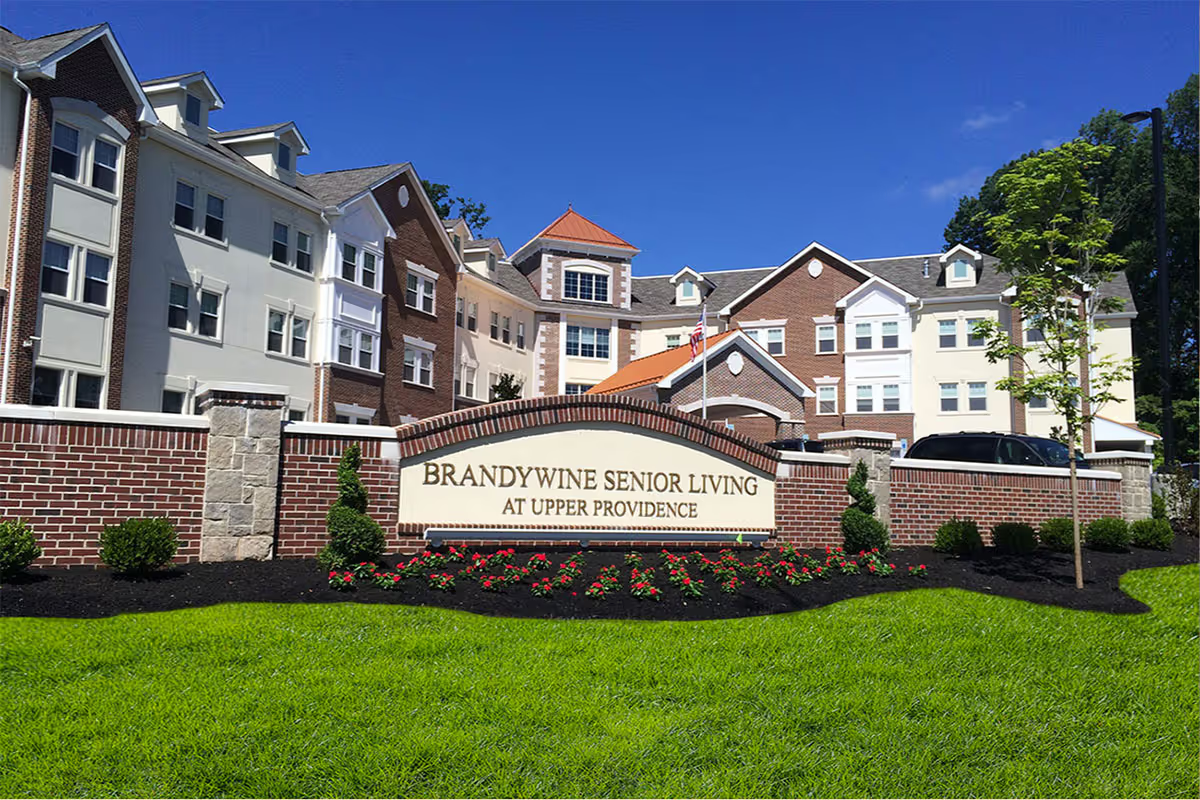
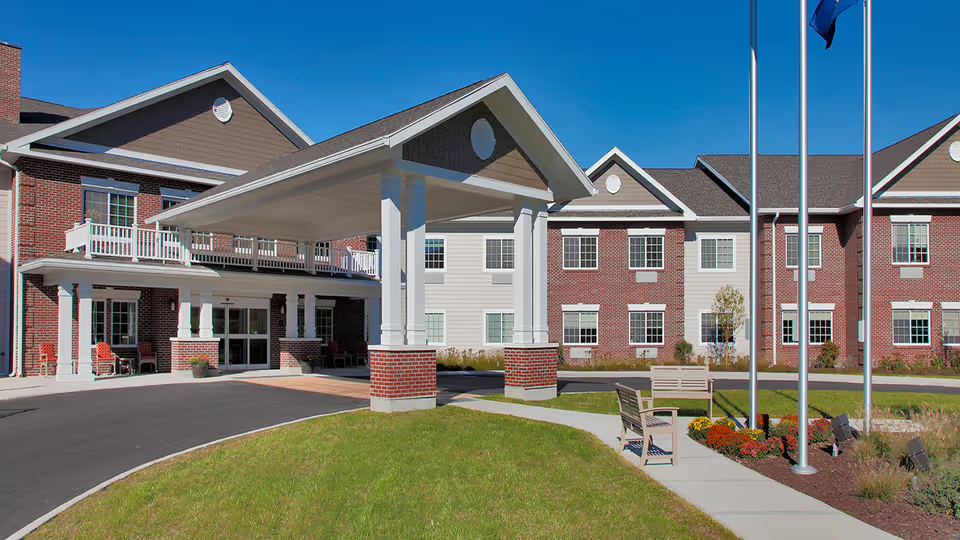
Overview: The reviews paint a mixed portrait of Pottstown Skilled Nursing and Rehabilitation Center. Strengths center on rehabilitation, certain clinical staff, and specific support roles; weaknesses concentrate on operational consistency, cleanliness, and communication. Families and residents commonly cite very positive experiences with therapy teams and with individual nurses and administrative staff, while also describing recurrent gaps in day-to-day care processes and facility maintenance.
Care quality and clinical oversight: Therapy services are a clear strength: physical and occupational therapists are repeatedly praised for helping residents regain mobility and return home. Nursing staff receive many positive mentions for clinical knowledge and attentive care, though accounts vary by shift and unit. Several reviews identify inconsistent physician presence and limited primary-provider rounds, which reviewers linked to gaps in care planning and slower responses for complex medical issues. There are also recurring concerns about medication-change communication and pressure-injury prevention practices, indicating needs for stronger clinical protocols and oversight.
Staff and conduct: Staff performance is described as uneven. Many families highlighted compassionate, responsive aides, caseworkers, and front-desk personnel, and noted staff who go beyond their basic duties. At the same time, reviewers described variable responsiveness from aides and nurses during certain shifts, long waits for assistance, and concerns about the tone and conduct of some employees. These accounts suggest inconsistent staff training, unclear role delineation, and variable supervision across shifts.
Dining and nutrition: Dining experiences are mixed. Positive comments cite enjoyable meals and responsive staff during daytime hours, while negative accounts describe inconsistent meal quality, cold or processed food, and gaps in kitchen service continuity (including limited kitchen availability in the evenings). Reviewers also expressed concerns about adherence to therapeutic diet requirements in a few cases, pointing toward a need for tighter meal-service processes and dietitian oversight.
Activities and social engagement: The facility offers an active calendar with bingo, holiday meals, outings, and other social events that many families appreciated. The dementia-secured unit and some staff-led activities provide structure and safety for cognitively impaired residents. However, some reviews indicate that dementia-specific engagement is limited in parts of the facility, and activity intensity or appropriateness can vary between units.
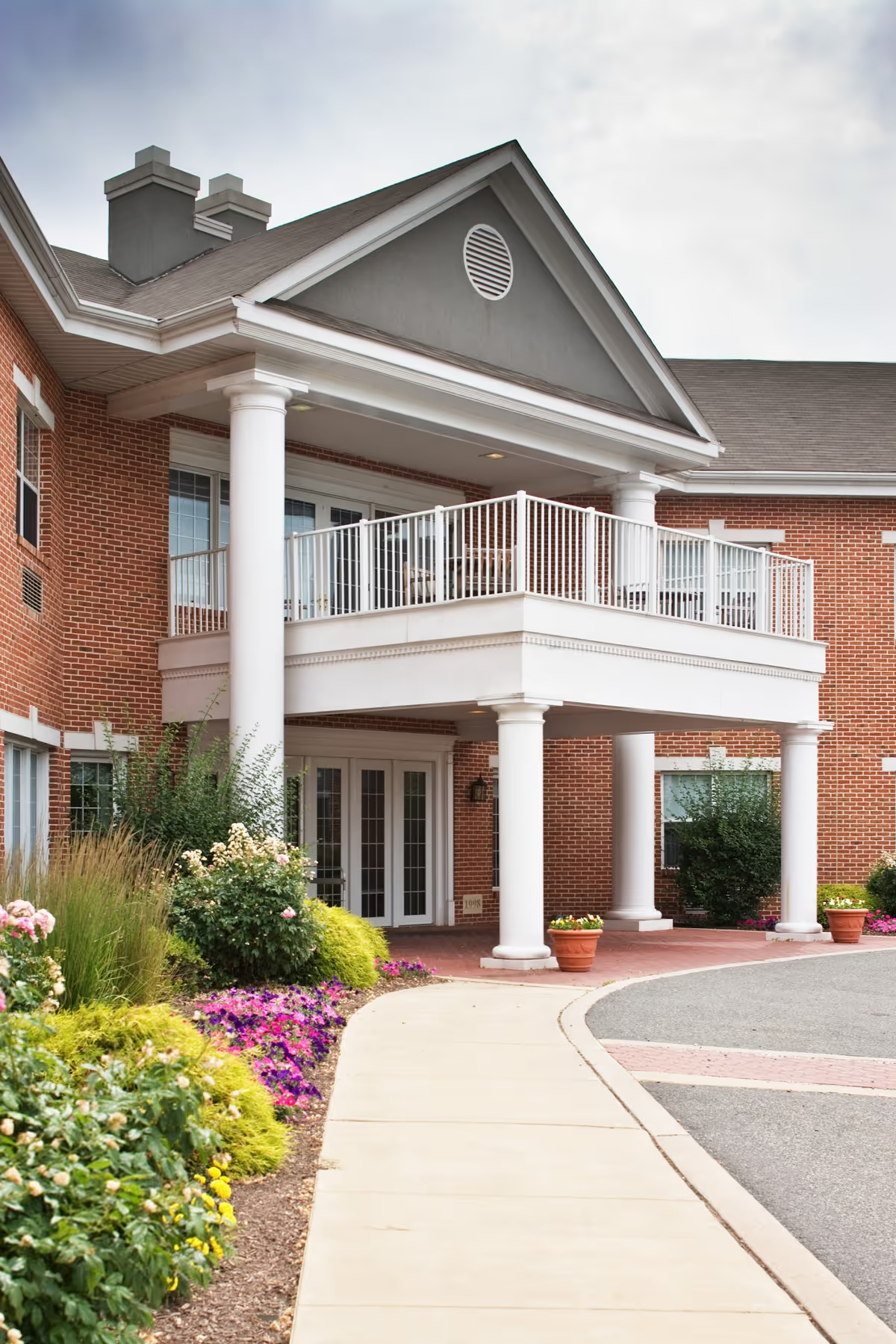
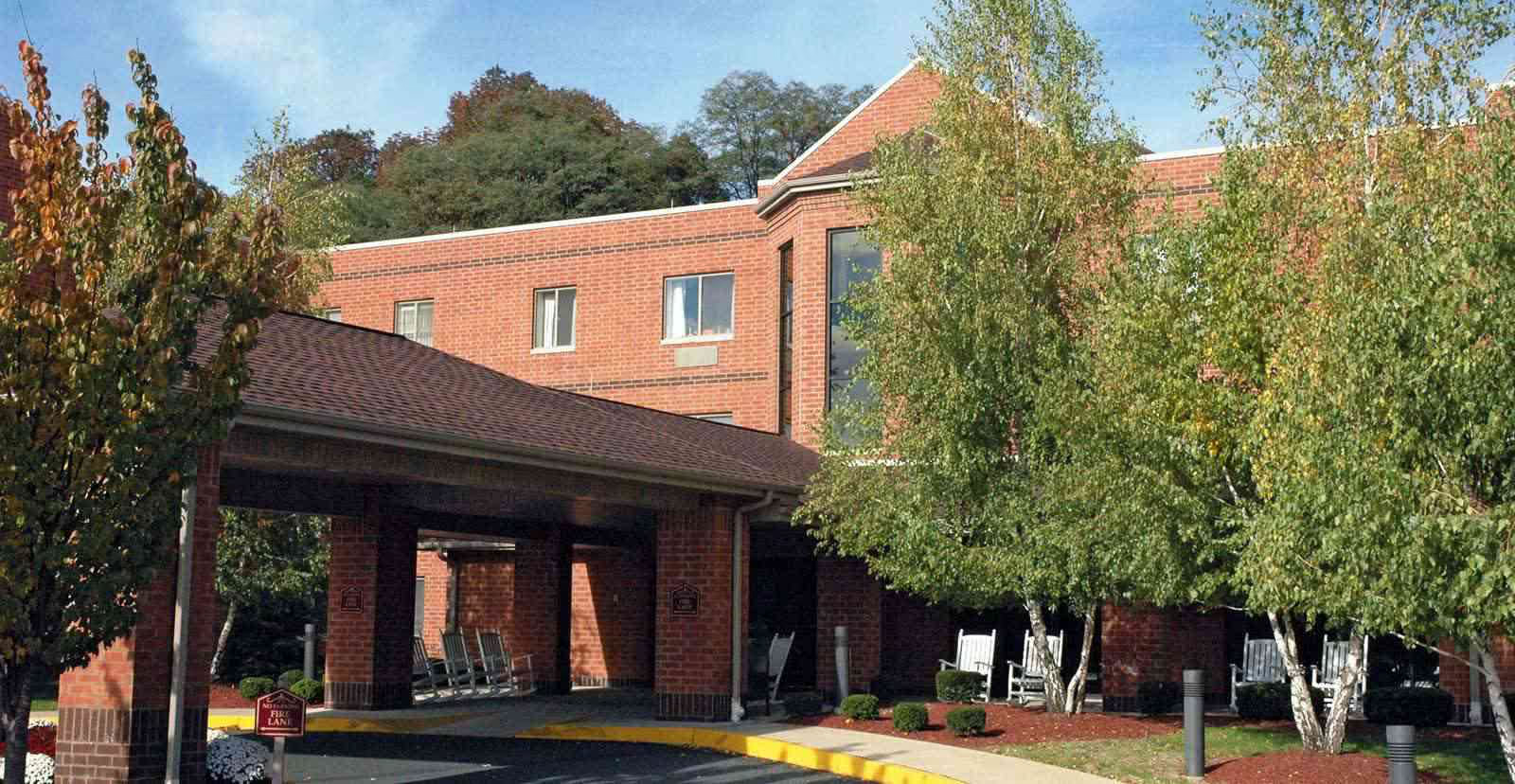
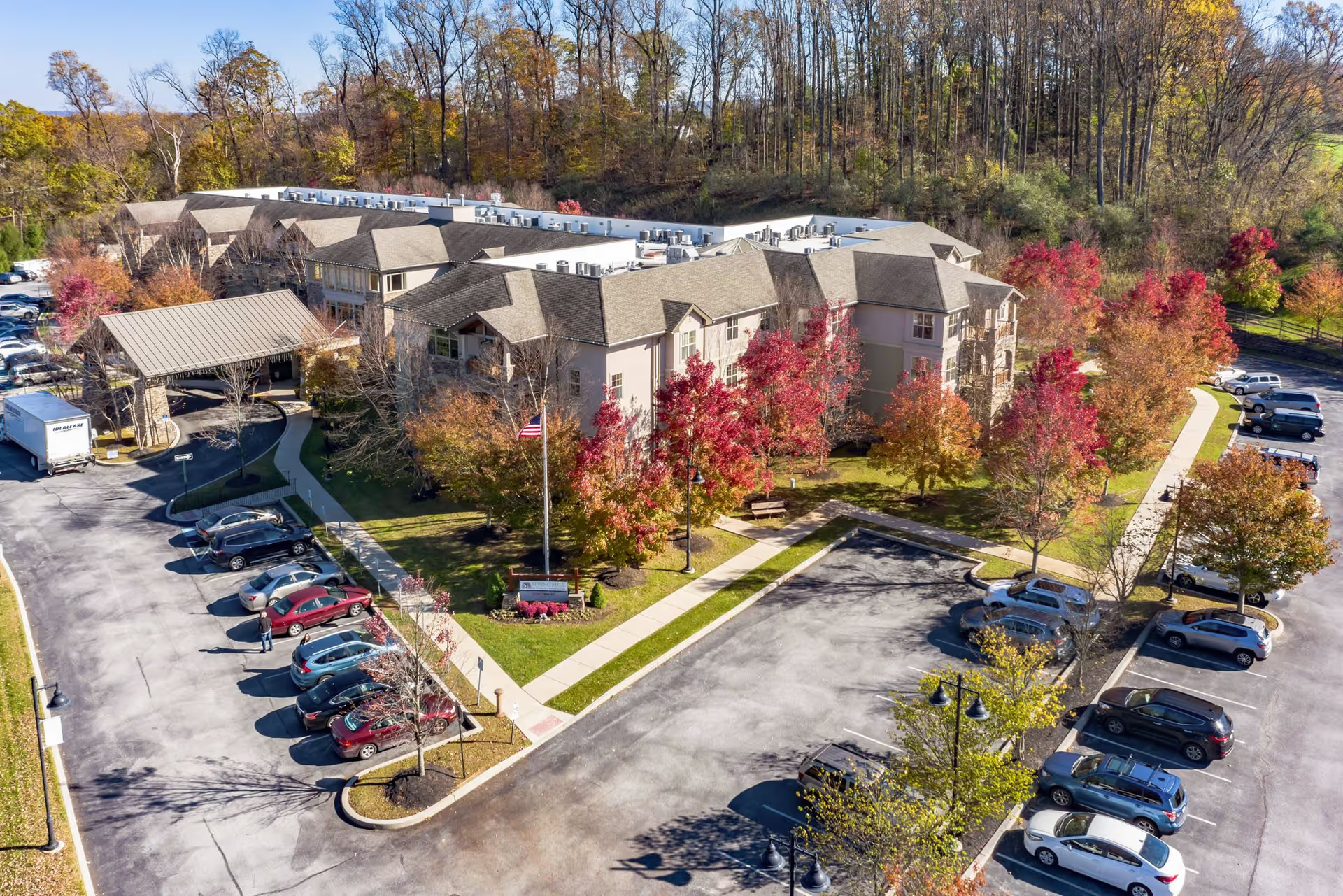
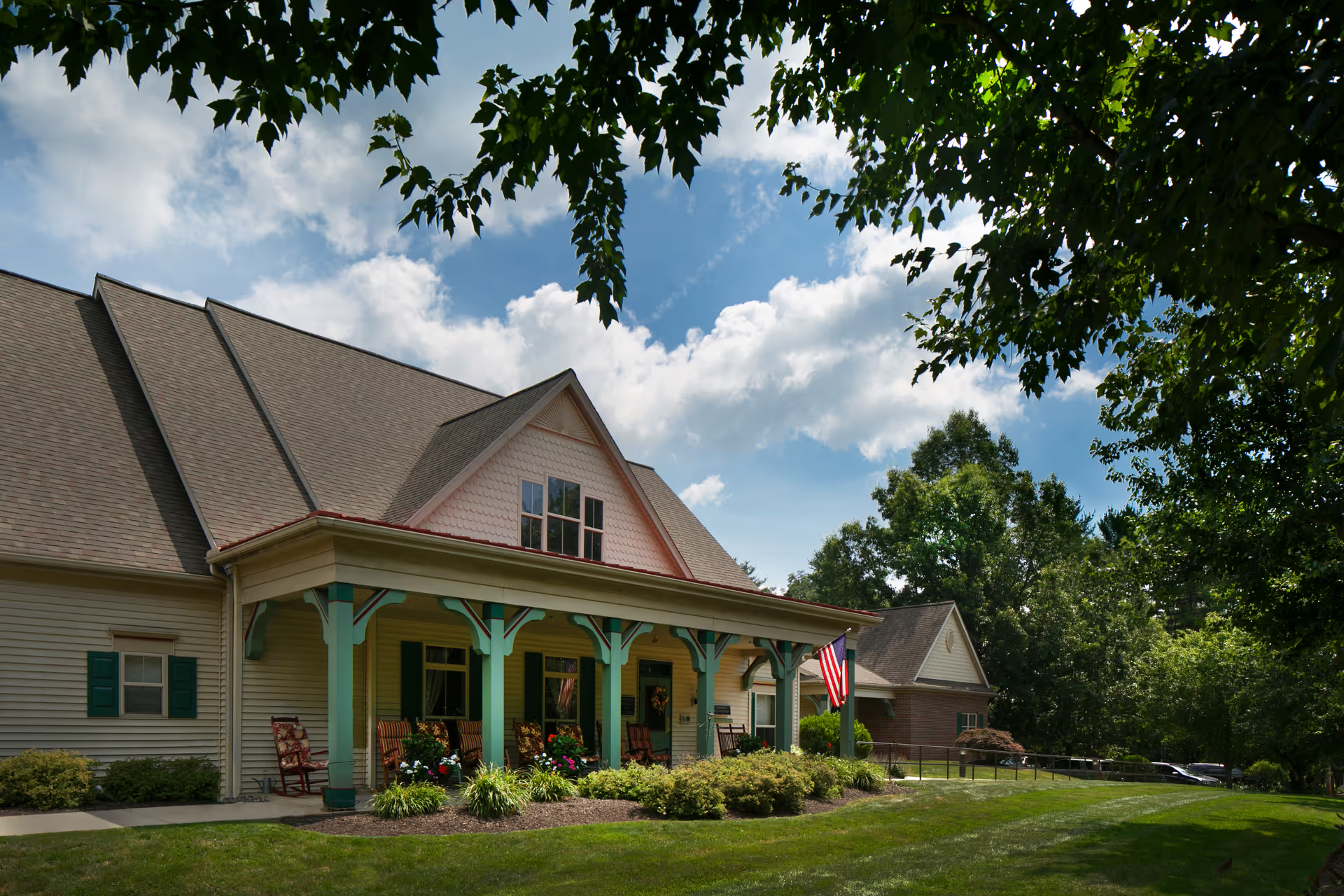
Facilities, cleanliness, and equipment: Comments about the building are mixed: some units and rooms are described as clean and well maintained, and the facility has safety features such as coded entry. Conversely, multiple reviews cite sanitation and maintenance issues in common areas, inconsistent housekeeping, broken or missing equipment, and HVAC problems in specific rooms. Equipment shortages and delays (for example, for assistive devices) were also called out as factors that can impede timely care.
Management, communication, and incident handling: Communication from social services, admissions, and certain administrators receives positive mention when it is present — families reported useful updates and coordinated discharges. But reviewers also described inconsistent family notification after incidents, lost paperwork, and unsatisfactory incident-reporting processes. There are serious, isolated allegations related to resident finances and missing property; these merit formal review by oversight authorities and careful attention from facility leadership. Overall, the pattern suggests that management effectiveness is uneven and that process improvements in documentation, incident reporting, and family outreach would address many of the recurring concerns.
Notable patterns and recommendations: The dominant positive theme is strong, outcome-focused rehabilitation and many examples of caring individual staff members. The dominant negative themes are operational: uneven staffing and supervision, variable cleanliness and meal service, gaps in clinical oversight, and inconsistent communication with families. Prospective families should weigh the facility's rehabilitation strengths and specific staff members’ reputations against the facility-level operational weaknesses described above. For the facility, priorities would include stabilizing staffing, standardizing training and role clarity, strengthening medication and clinical oversight, improving housekeeping and kitchen continuity, and formalizing incident-notification and property-protection procedures.