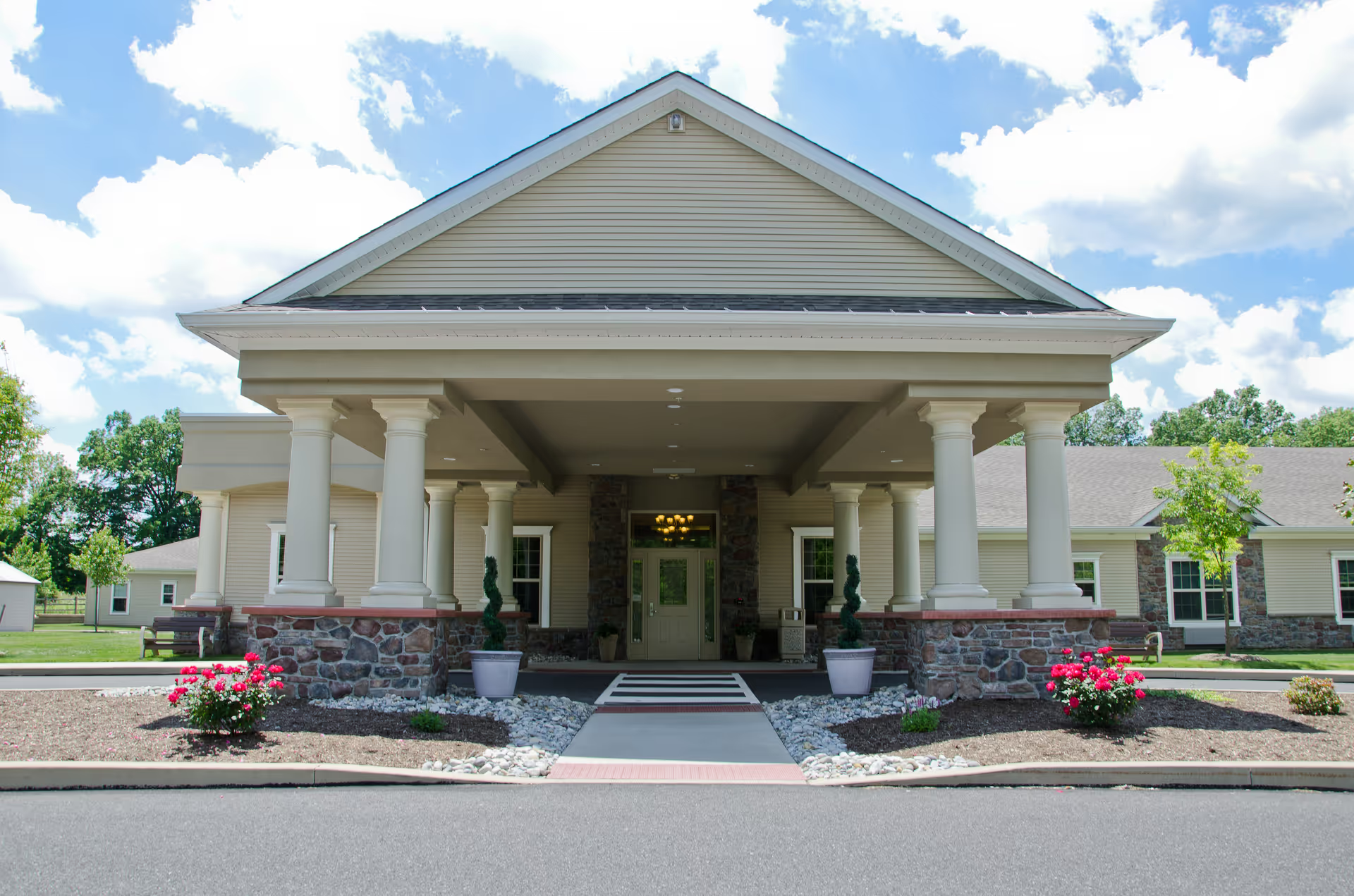
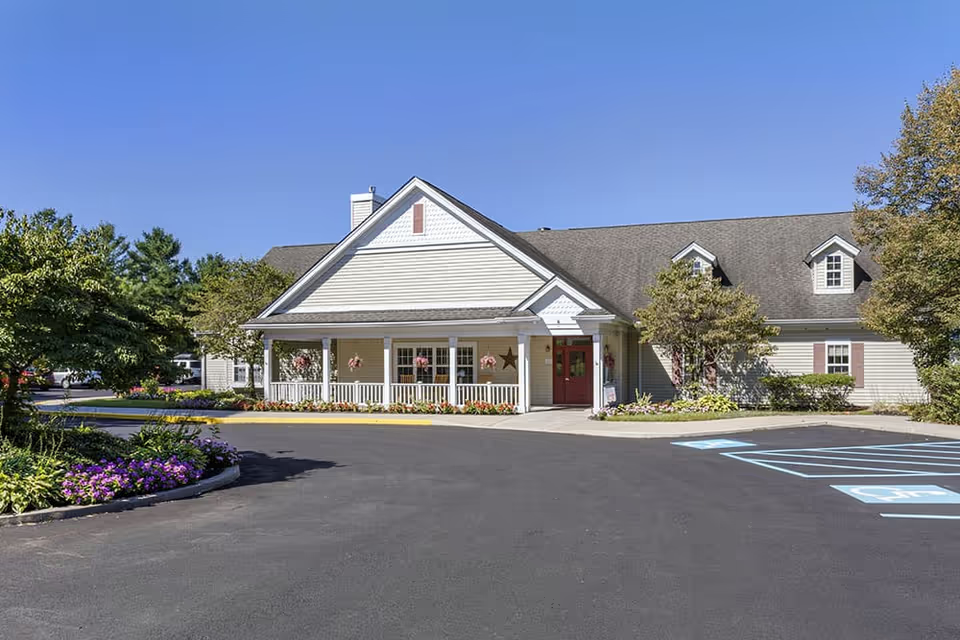
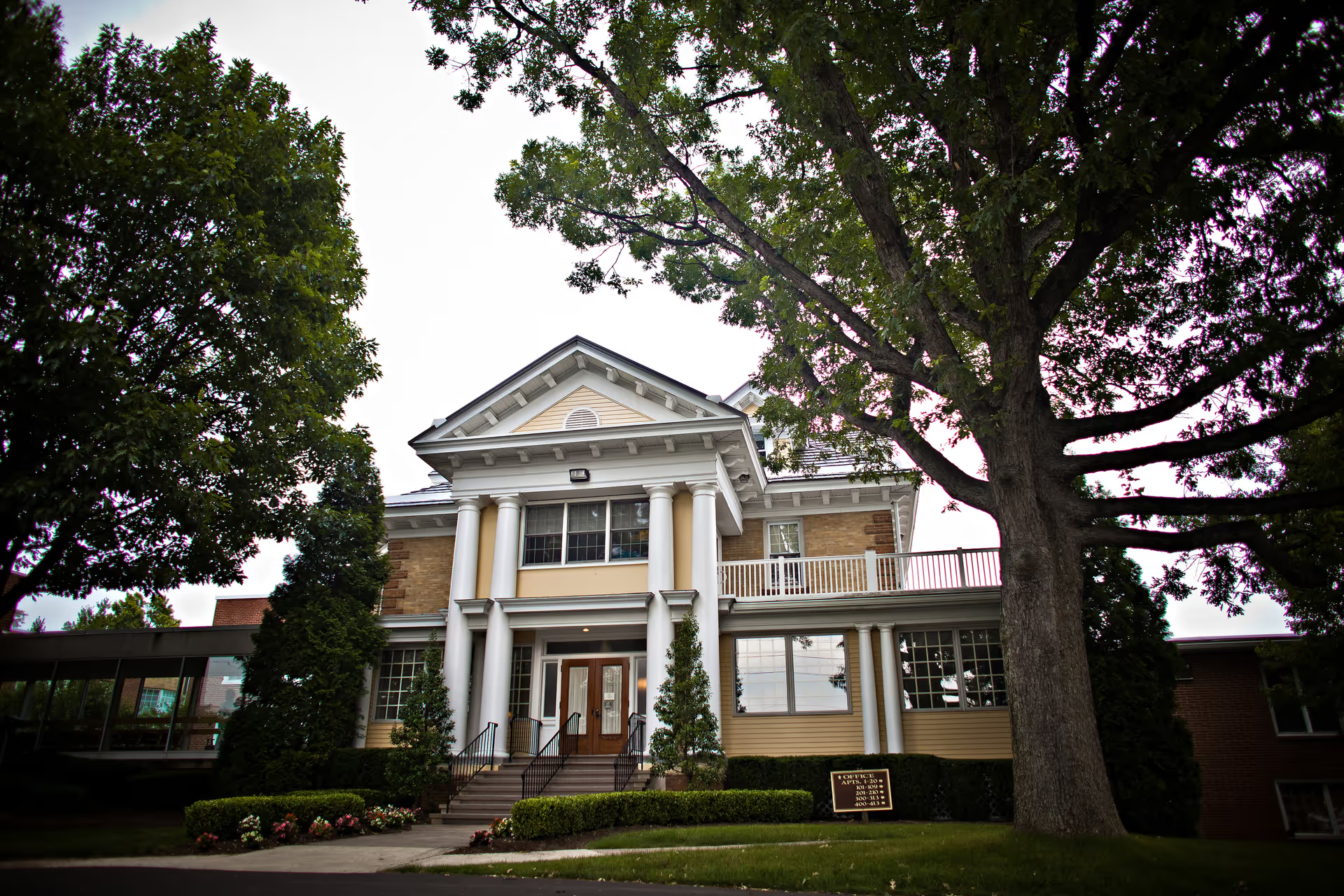
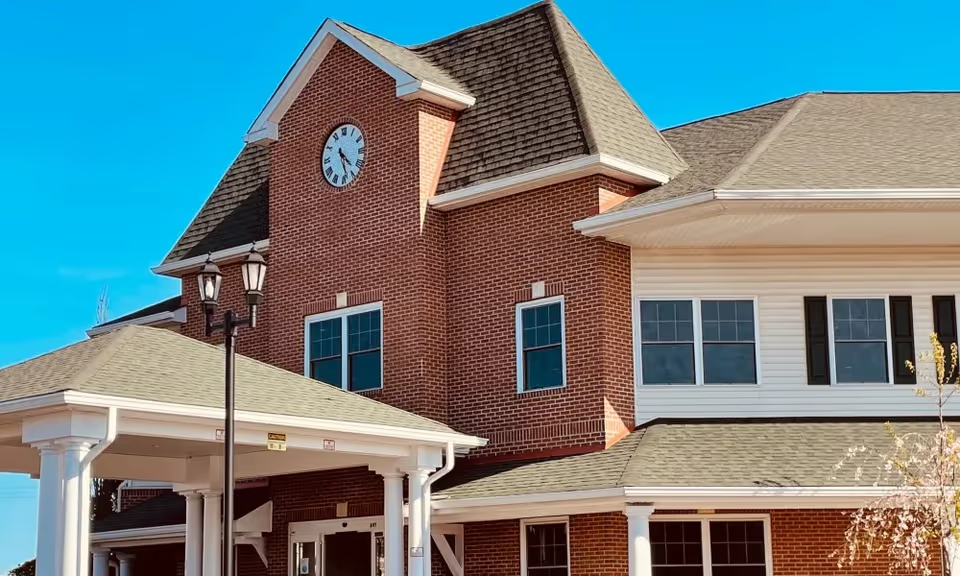
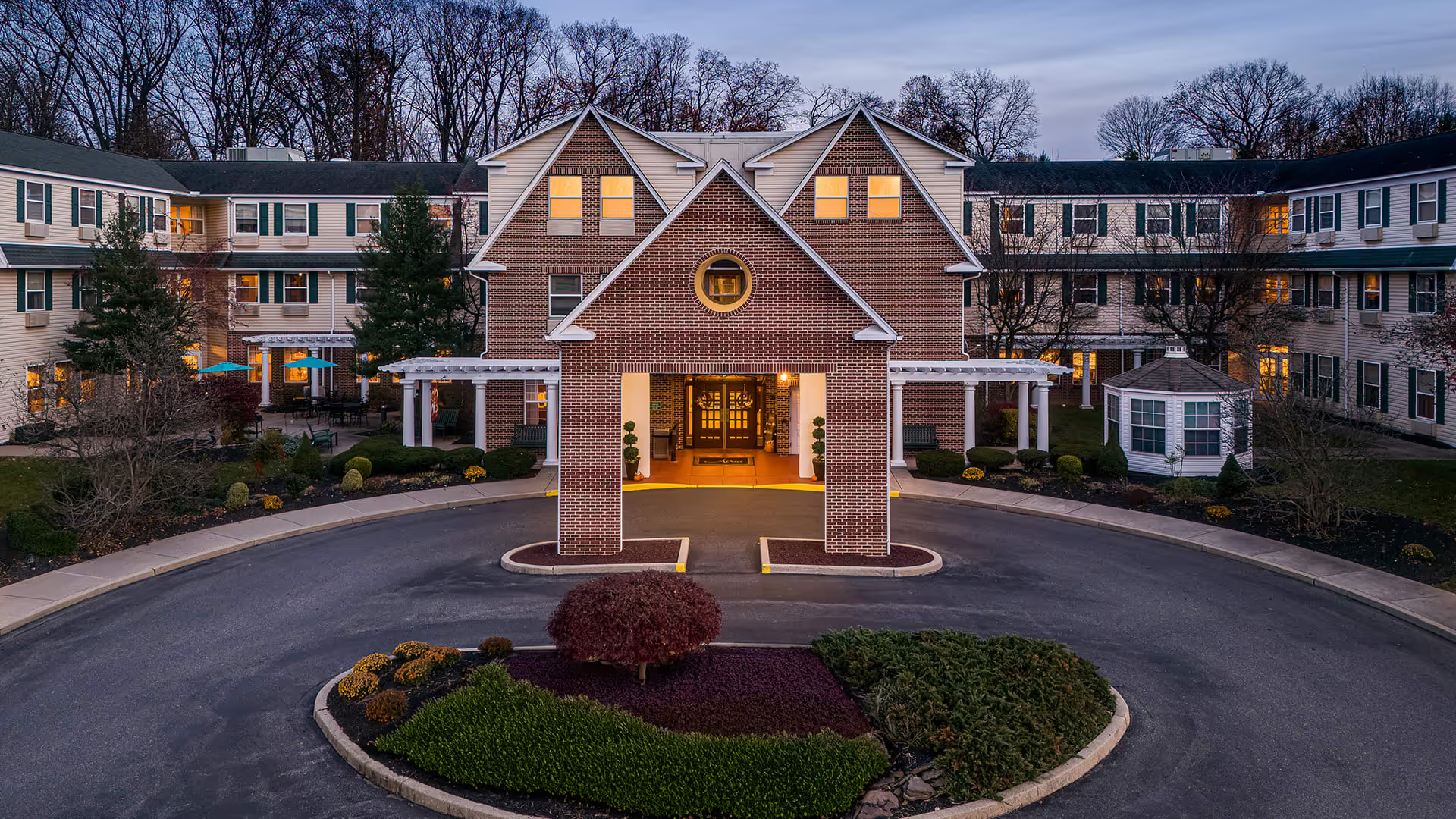
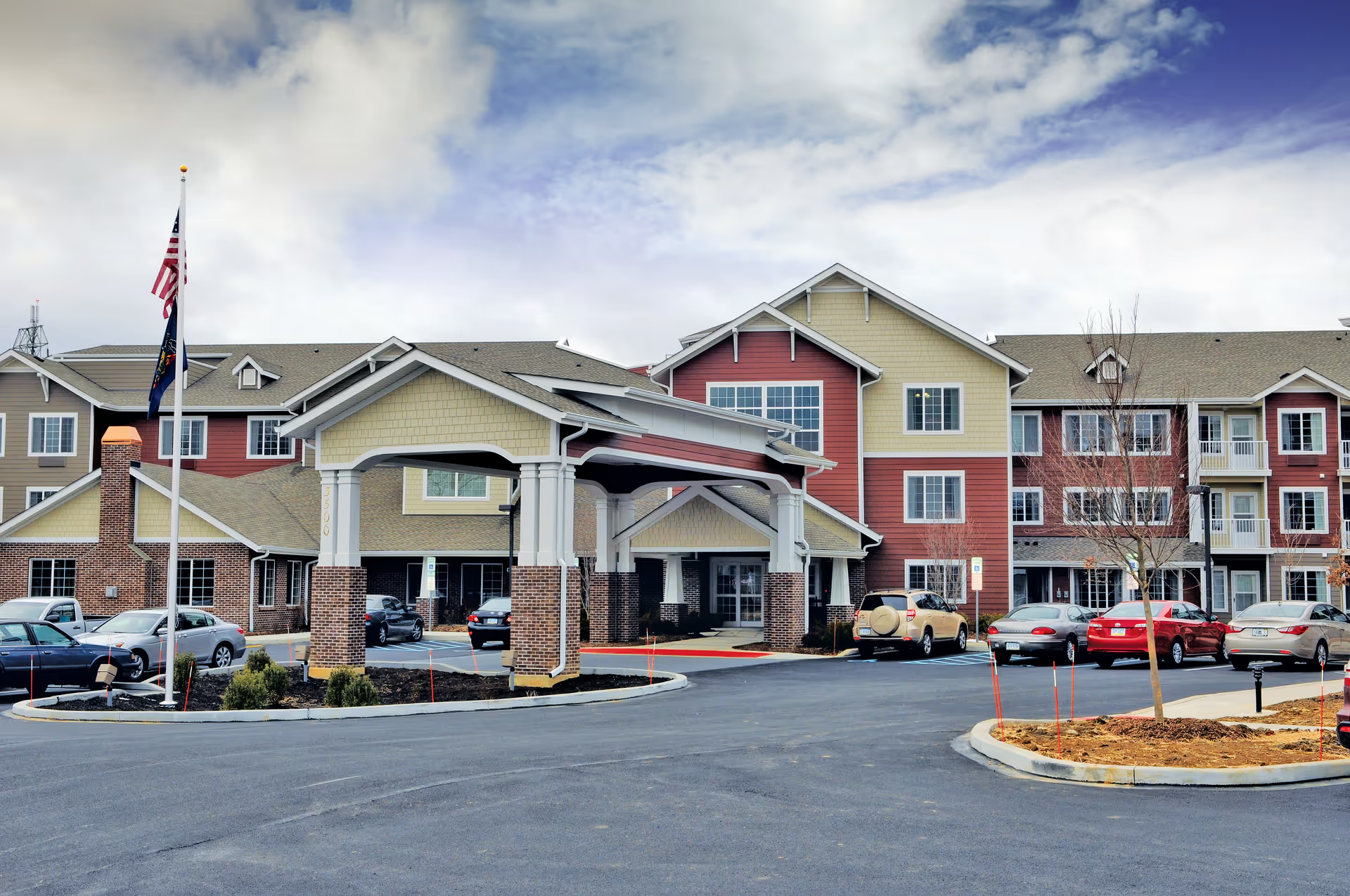
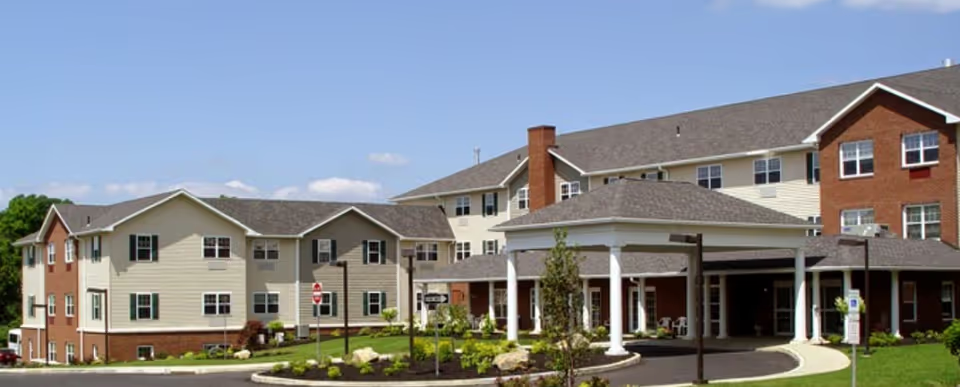
Phoebe Richland is frequently described as a clean, modern, and well-kept senior care campus with strengths in nursing and therapy. Many families highlight strong physical and occupational therapy services and frequent rehab sessions that support measurable recovery. Nursing staff and aides are often characterized as compassionate and attentive; a visible head nurse and engaged leadership received positive mention for care coordination and oversight. The facility's memory-care unit, dining room, outdoor areas (gazebo, courtyard, sun porches) and newer construction elements contribute to a welcoming, domestic feel.
Dining is generally regarded as a strength: reviewers cite tasty, customizable meals, menu specials, and attentive dining staff, with some families noting accommodations for picky eaters. Housekeeping and sanitation are repeatedly praised, with clean rooms, bathrooms, and dining presentation. The facility offers a continuum of care—rehab, skilled nursing, and memory care—and several reviewers appreciated the streamlined admissions process and available financial-assistance options.
There are recurring operational concerns that prospective families should weigh. Staffing consistency is a prominent theme: weekends and night shifts are commonly described as thinner and slower, which reviewers link to delays in bathing, mealtime service, and equipment delivery. Relatedly, some reviewers reported variable staff responsiveness and concerns about the tone or timeliness of interactions. Communication practices are uneven—while many families experienced clear, proactive updates and effective care conferences, others wanted more regular medication and progress updates and better responsiveness from administrative or clinical staff.
Activity programming and social offerings vary by unit. The community is described as smaller and personal in some areas, which residents and families liked, but that size also means activity diversity can be limited, especially for higher-acuity residents in memory or skilled units. Physical space is generally attractive and accessible, though shared double rooms were described as cramped in certain configurations.
A minority of reviews raised more serious clinical and administrative concerns, including medication mishaps, admissions/coordination errors, and instances that families characterized as problematic in staff conduct or follow-up after adverse events. These accounts appear less common than the positive reports but are significant; prospective families should discuss incident reporting, staffing ratios, weekend/night coverage, and the facility's processes for clinical escalation and family communication during a tour.
Overall, Phoebe Richland presents as a well-appointed facility with notably strong rehabilitation services, attentive day-shift nursing, and a pleasant environment. The principal trade-offs reported are variability in staffing and communication and occasional inconsistencies in meal quality and administrative coordination. Families prioritizing robust therapy and a clean, community-oriented campus may find it appealing; those for whom dependable weekend/night staffing and highly structured activity programming are essential should specifically verify those operational details with facility leadership before committing.