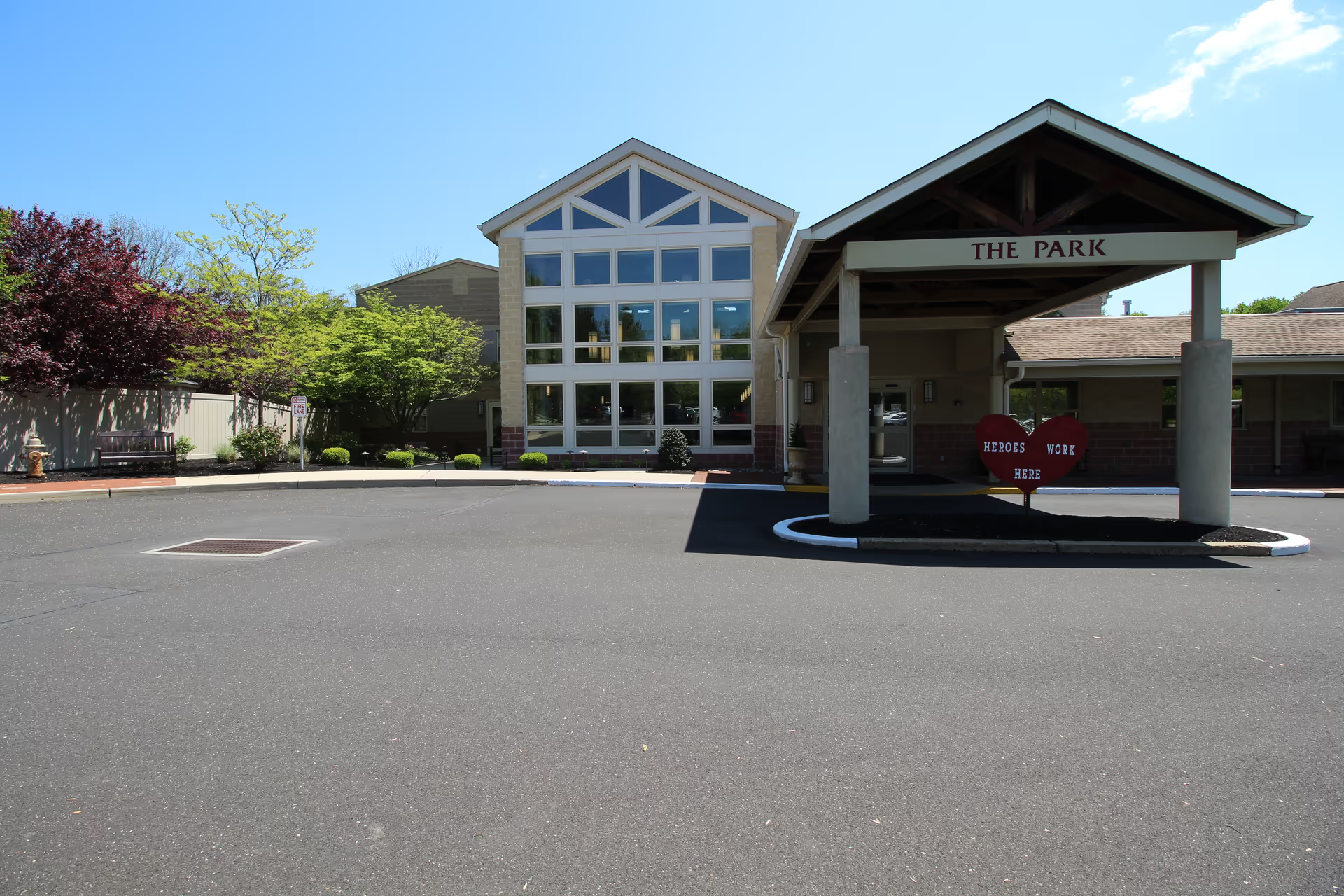
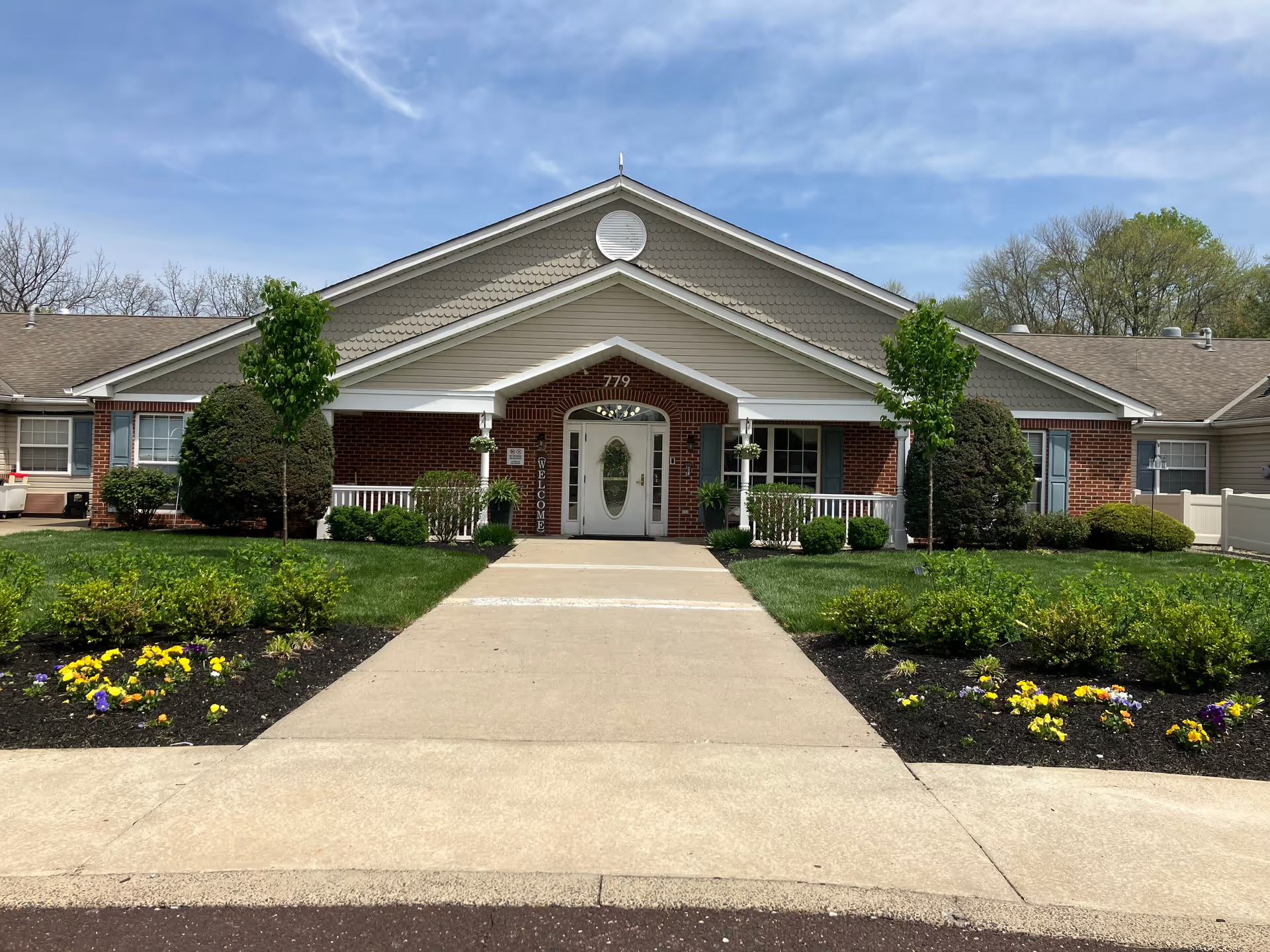
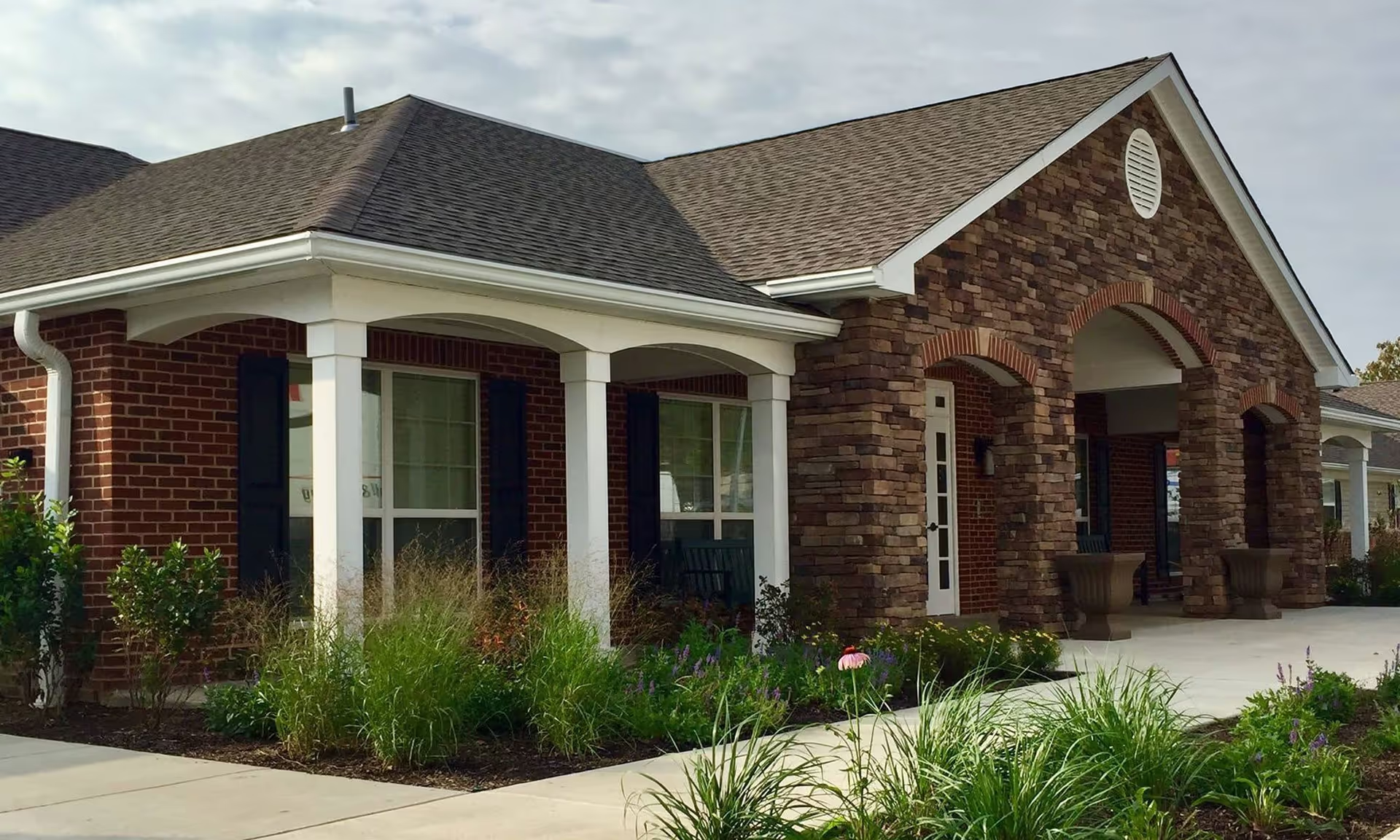
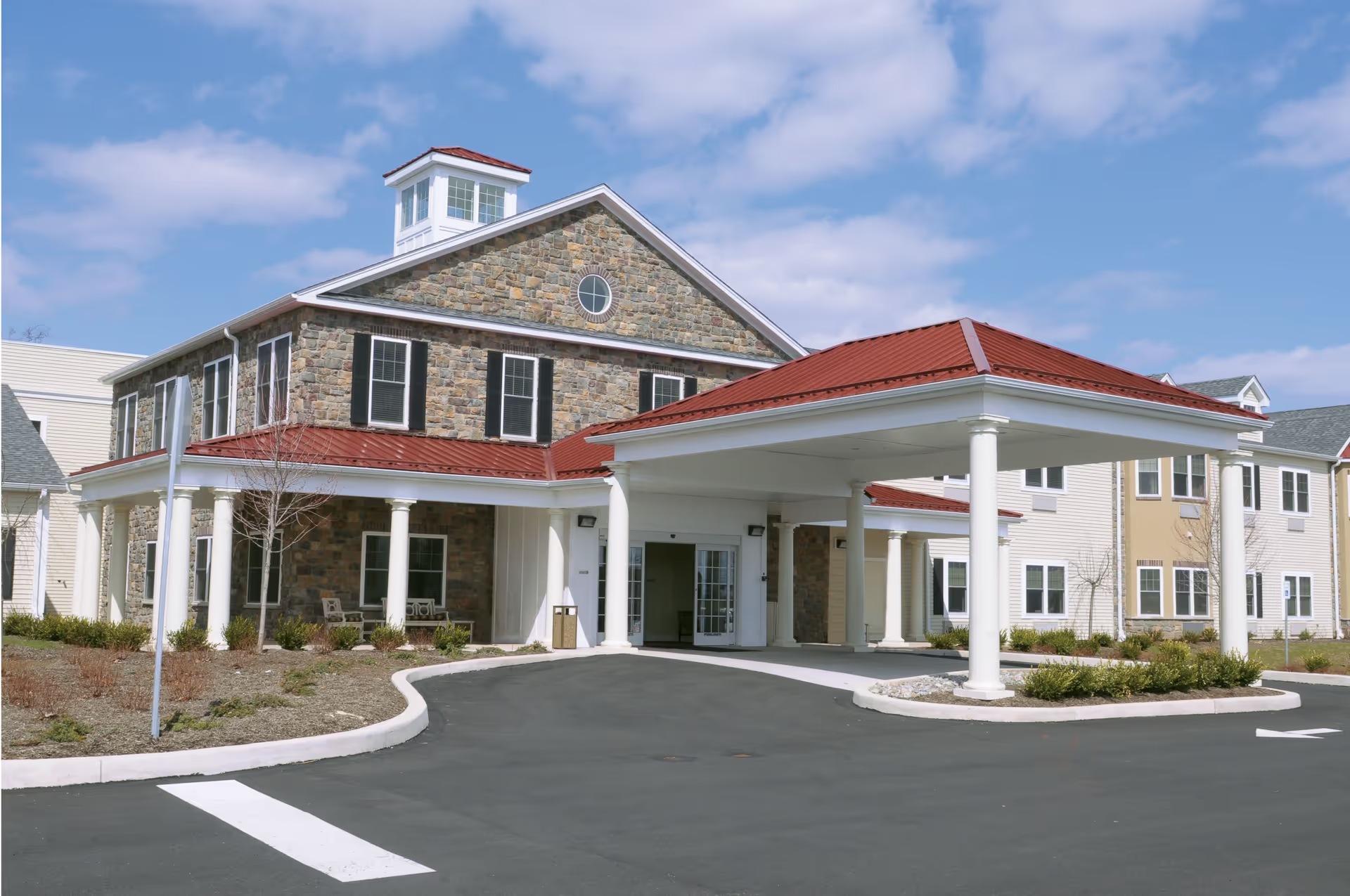
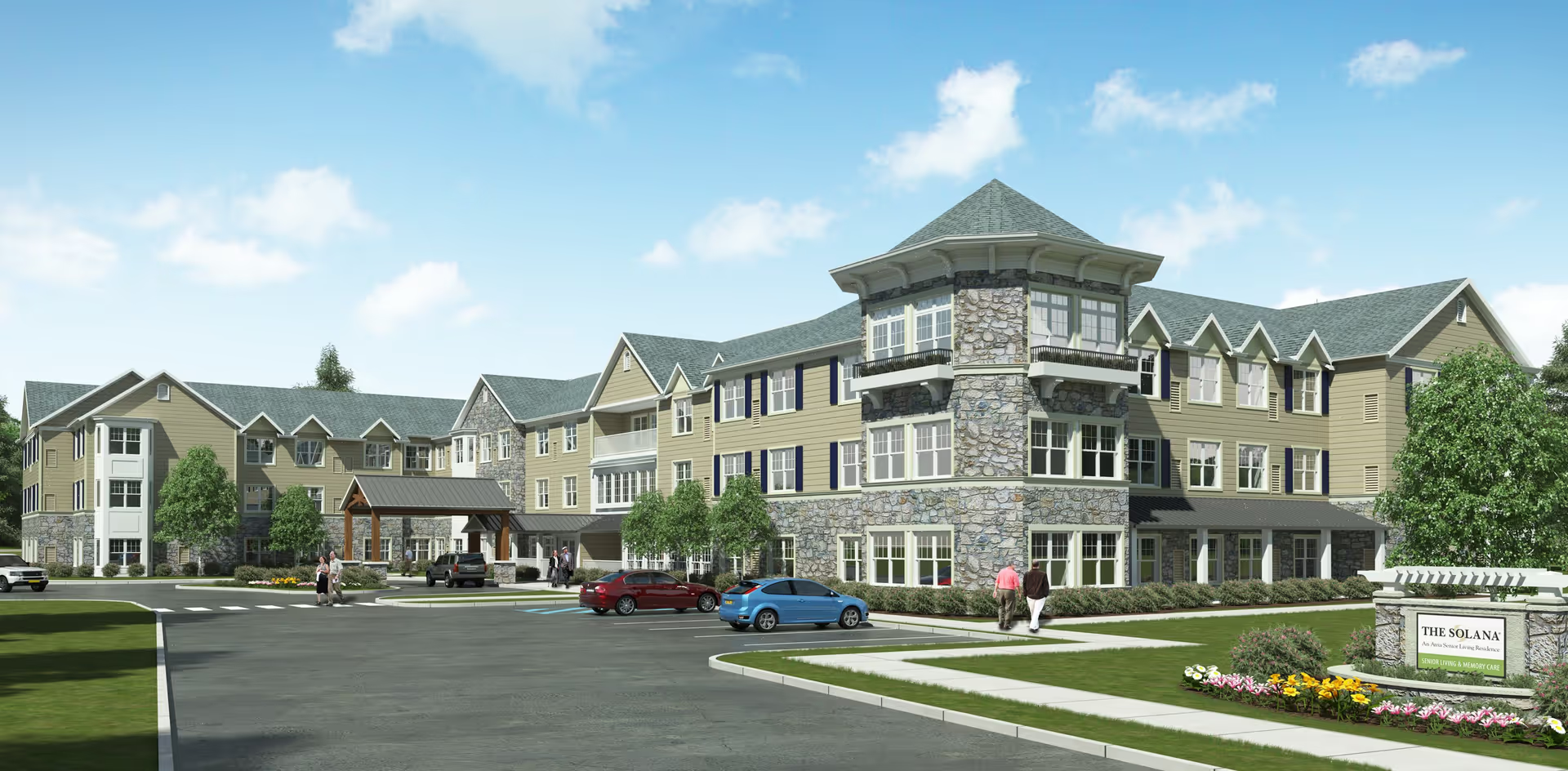
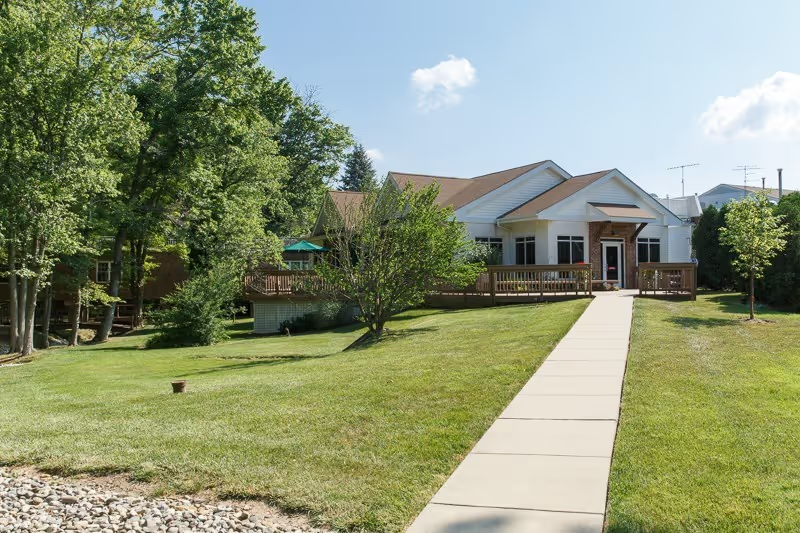
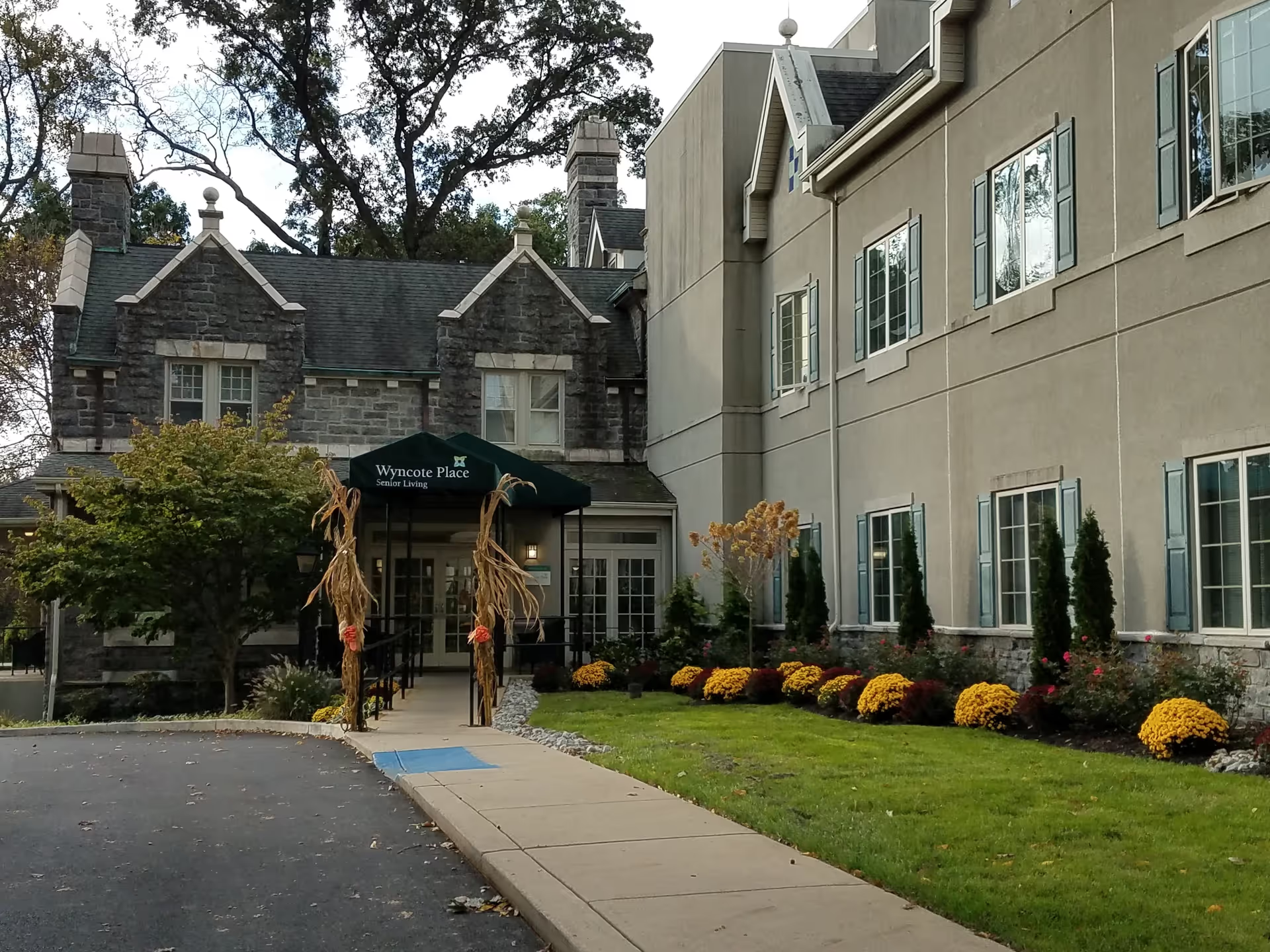
Overall impression: Southampton Estates presents as a large, well-appointed senior living campus with extensive amenities, a strong community feel, and many long-tenured, satisfied residents. The property’s landscaping, walking paths, renovated public rooms, fitness center and pool, on-site café and general store, and multiple dining venues are consistently identified as strengths. Private apartment options with kitchens and laundry, plus on-site medical access and scheduled transportation, support independent and assisted living needs for many residents.
Care and staff: There is a clear pattern of contrasting experiences with clinical care. Numerous accounts describe compassionate, competent nurses and aides who coordinate well with families and provide timely assistance. At the same time, a number of accounts indicate operational pressures—particularly inconsistent staffing and time-constrained shifts—that have contributed to delays in basic care tasks, sanitation lapses, and concerns about clinical-safety processes. Infection-control practices and hand-hygiene consistency are specifically raised as areas needing improvement. Families should expect variability in responsiveness and should verify staffing ratios, shift coverage, and clinical oversight during a tour.
Dining and activities: Dining is often cited as a positive feature—restaurant-quality meals, flexible menu choices, café options, and in-room service are available. However, some reviewers note intermittent declines in food quality or service continuity. The activities program is broad, with frequent outings, fitness classes, card groups, and specialty rooms (for example, a model-train room), which contribute to an active social environment. Activity availability can be a strong selling point, though offerings for specialized memory-care residents are described as more limited in some accounts.
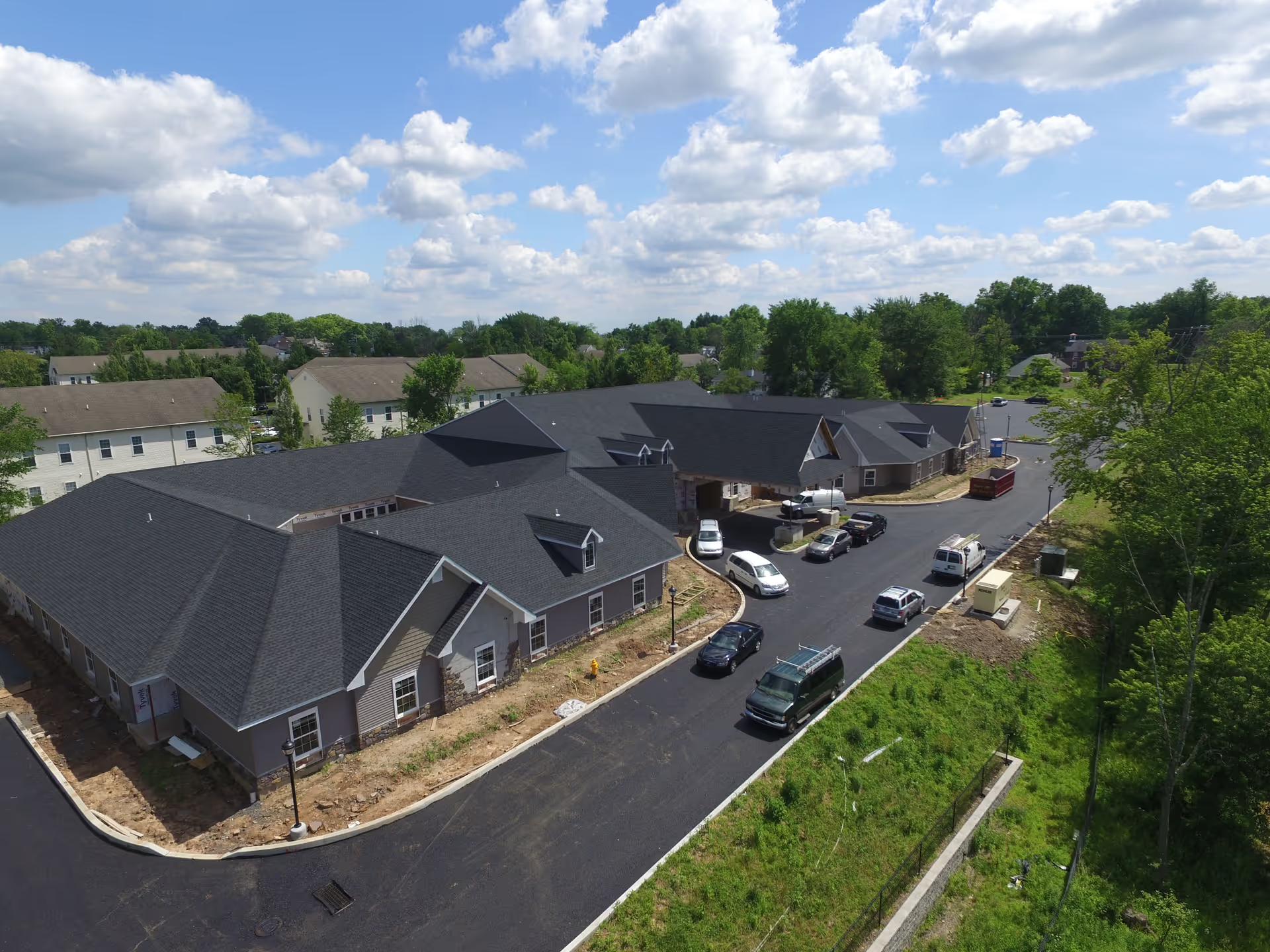
Facilities and maintenance: The campus and common areas are generally described as attractive and well maintained; renovated public spaces and secure gated entry are positives. Apartment configurations vary: single bedrooms and larger units are well regarded, while studio units are described as small by some families. Renovations and construction are ongoing in parts of the campus and have been a source of disruption for some residents. Reports also indicate variability in in-unit maintenance and equipment functioning, so prospective residents should inspect specific units for condition and size.
Management, communication, and contracts: Management performance appears mixed. Several families praise responsive leadership and effective coordination during care transitions; others recount significant communication breakdowns (including phone-system outages and package-handling errors) and administrative issues. There are recurring concerns about transparency of pricing and life‑care contract terms, with some families perceiving poor value or unexpected charges. In a few accounts, serious adverse events and difficult staff–family interactions are described; these suggest a need for clear incident-response protocols and improved family communication.
Notable patterns and guidance: The overall pattern is polarized—many long-term residents and families express high satisfaction with the campus, services, and staff, while a subset of accounts describe operational lapses that materially affected care and safety. These issues frequently align with inconsistent staffing, infection-control gaps, and communication failures. Prospective residents and families should ask about current staffing ratios, infection-control policies and auditing, typical meal service schedules, recent renovation timelines, contract terms and fee escalation clauses, and examples of how management handles clinical incidents and family concerns. A focused visit to the specific unit under consideration, and conversations with current residents and families, will help clarify whether the facility’s strong amenities are matched by consistently reliable clinical and operational performance.