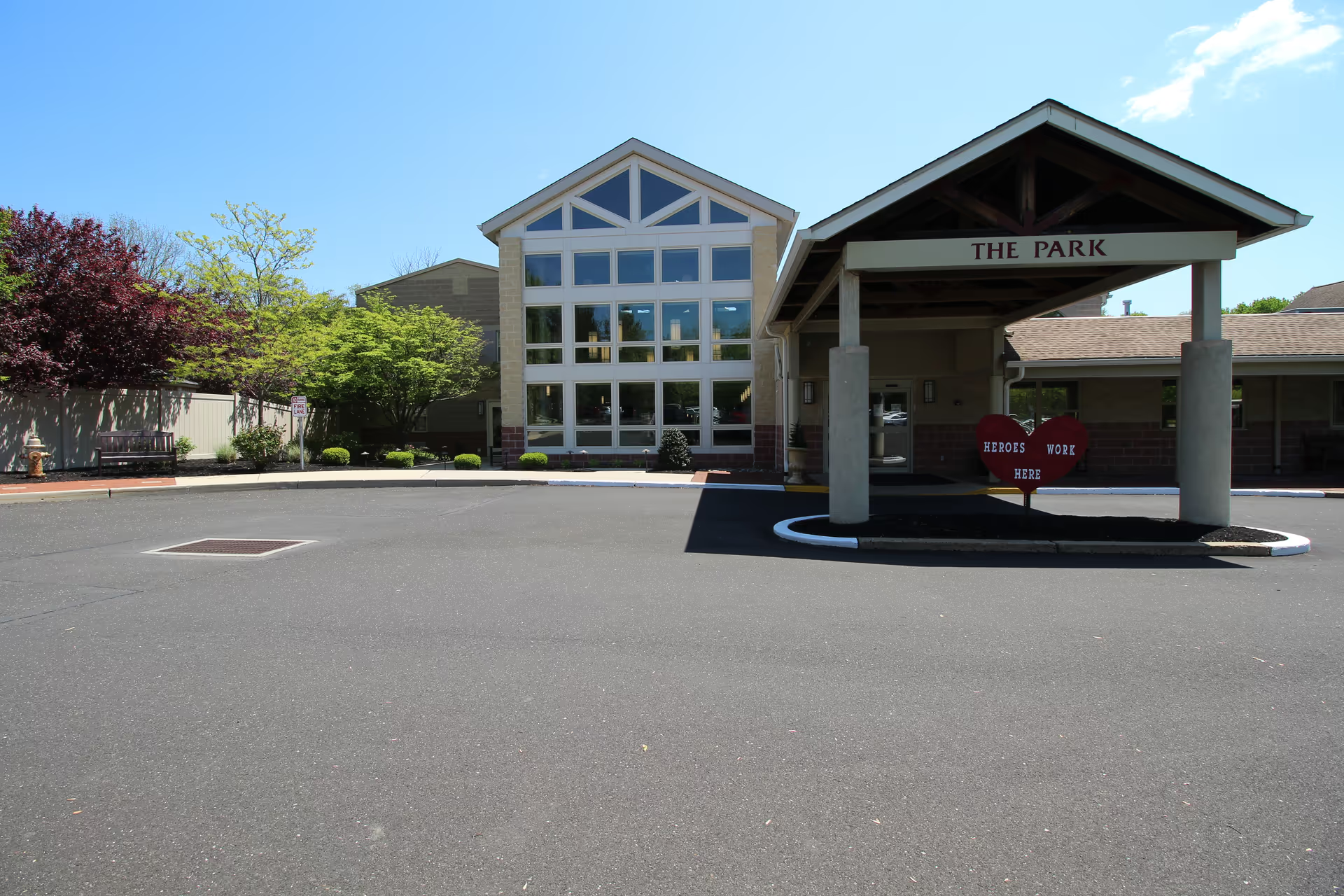
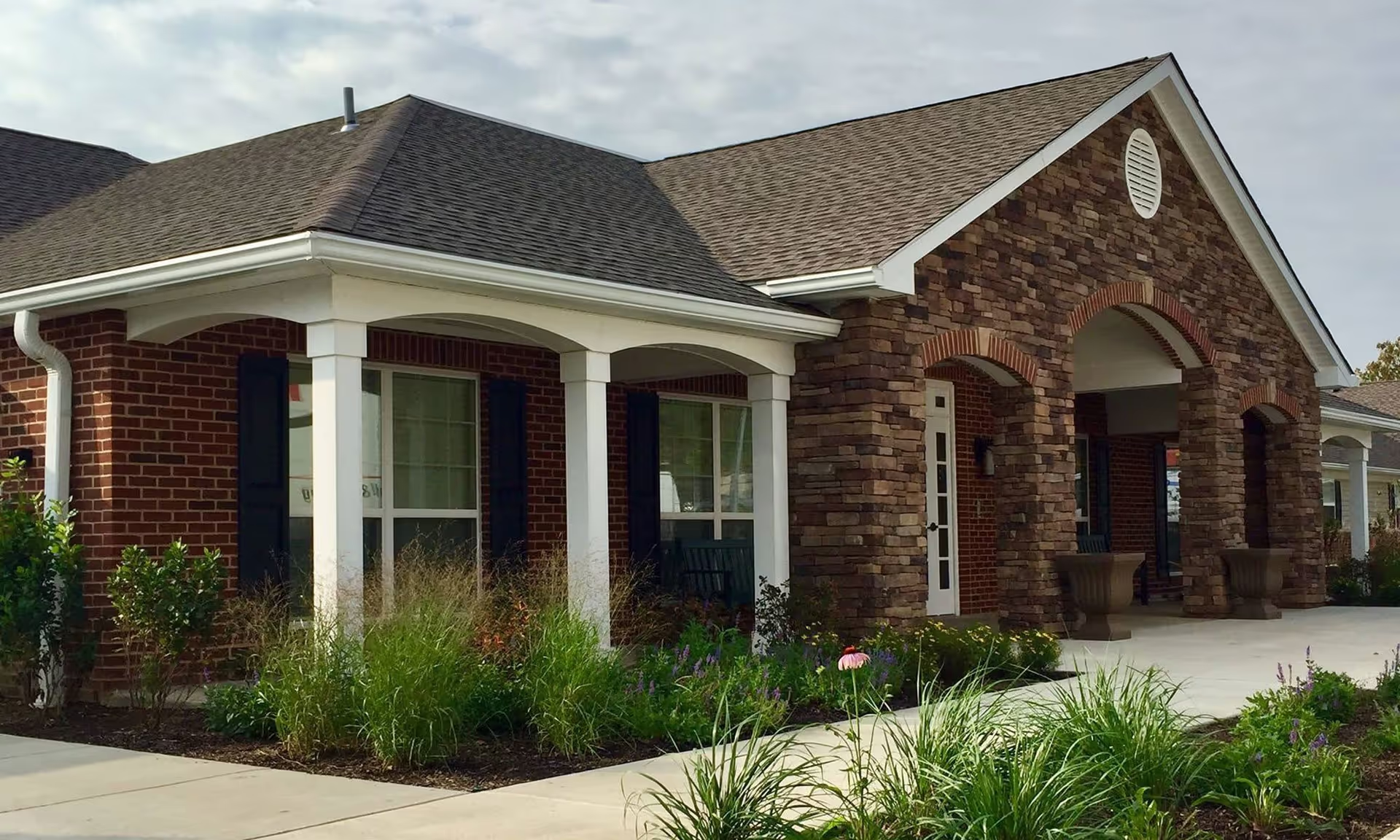
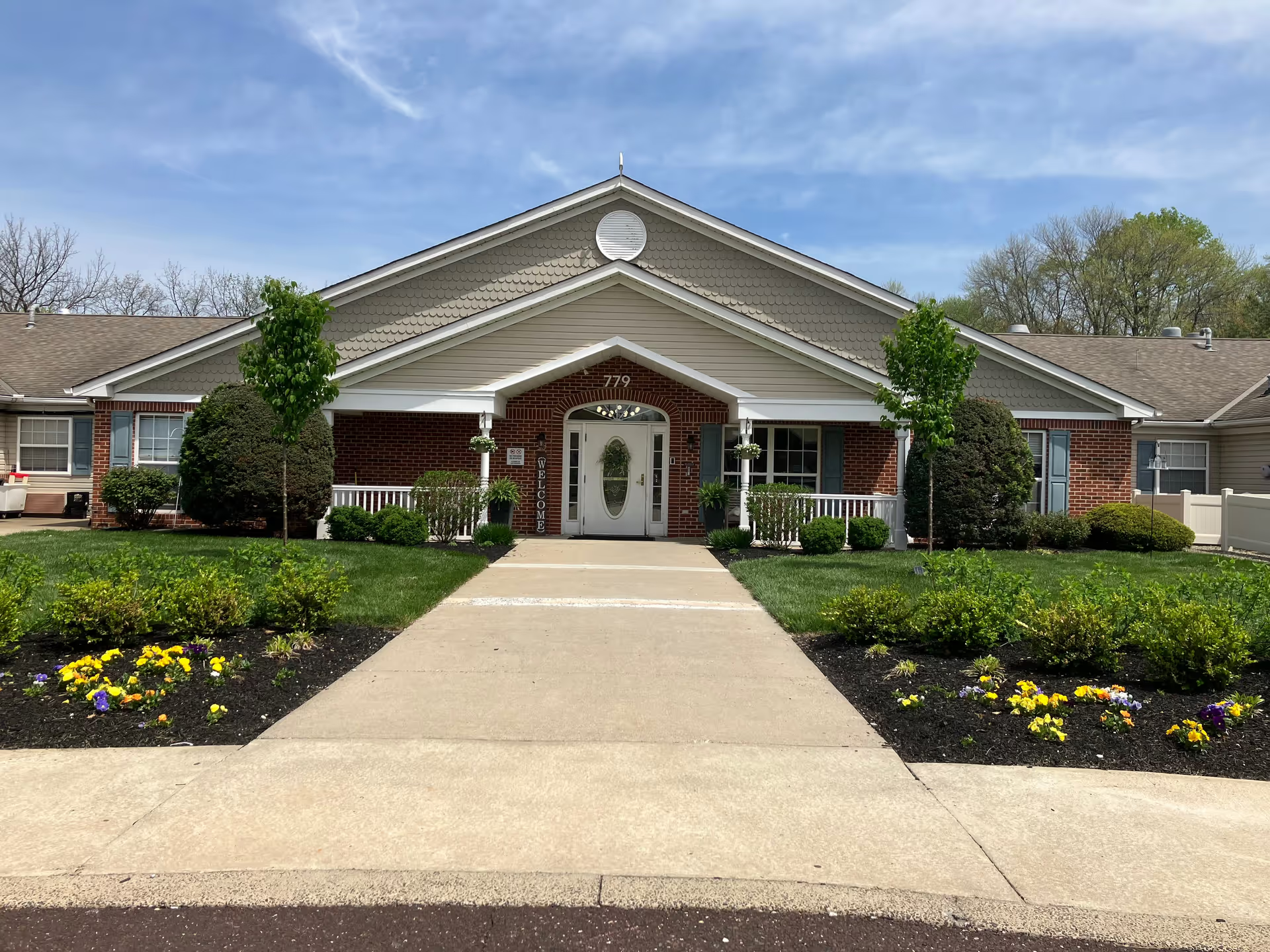
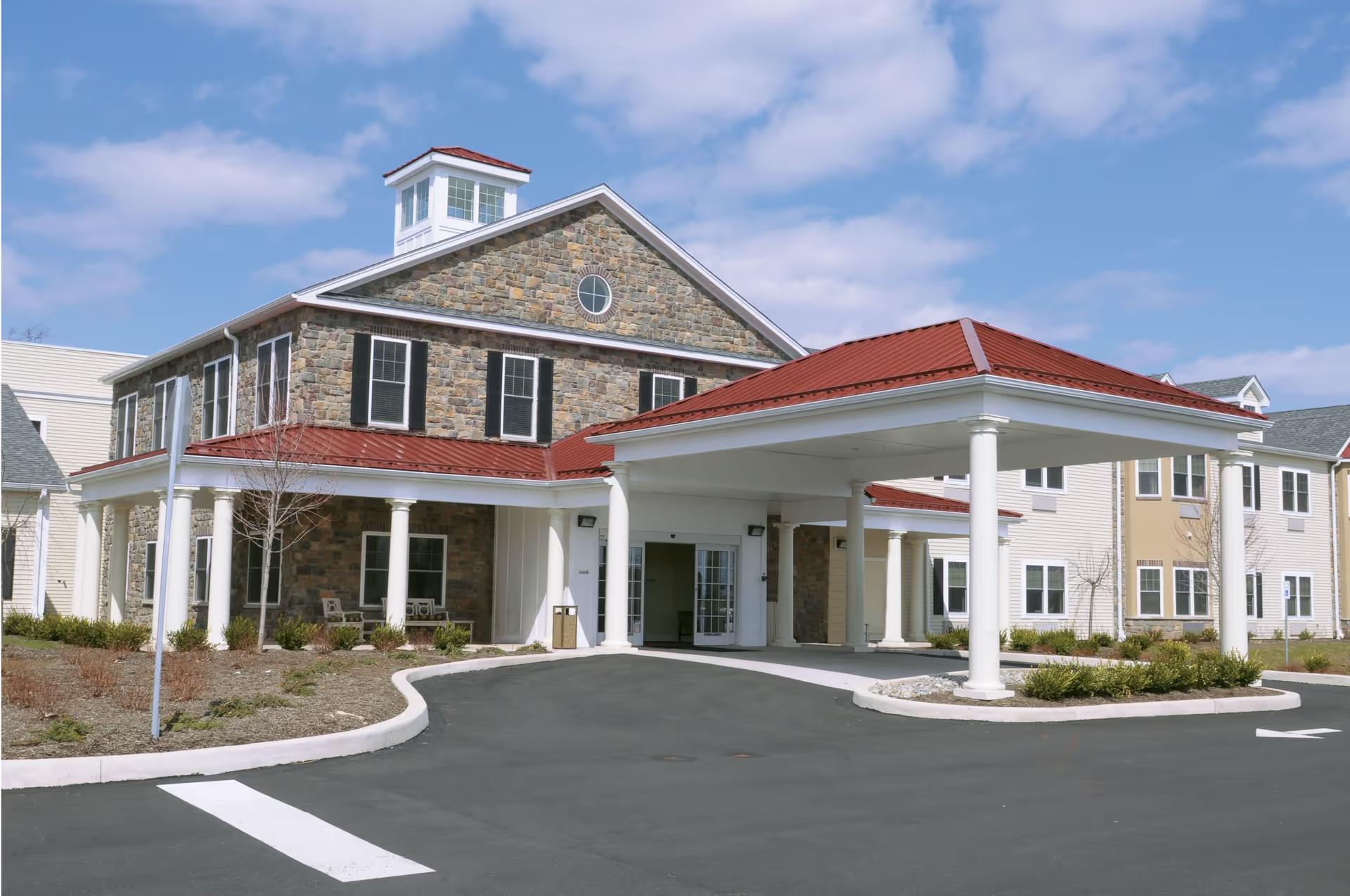
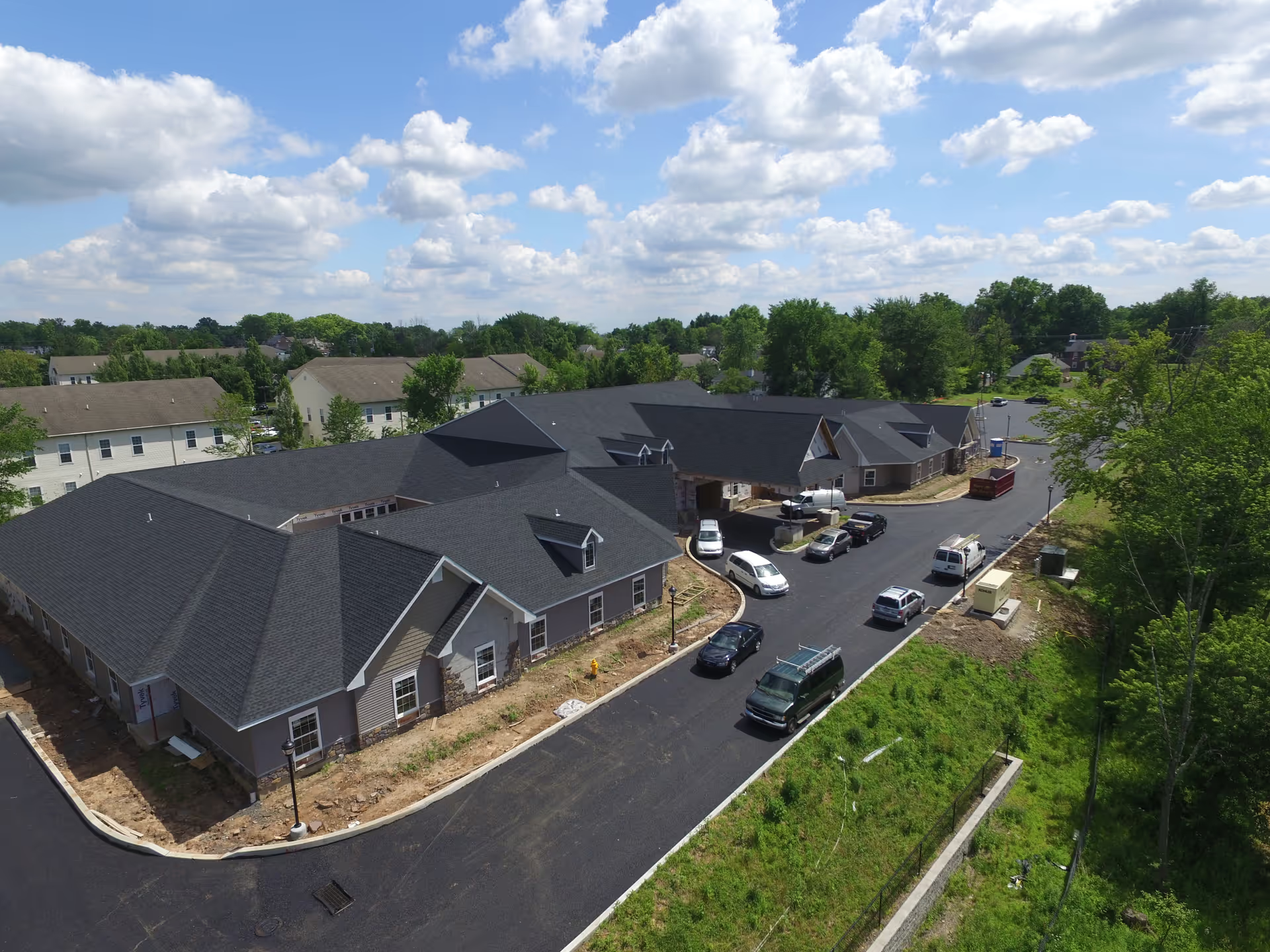
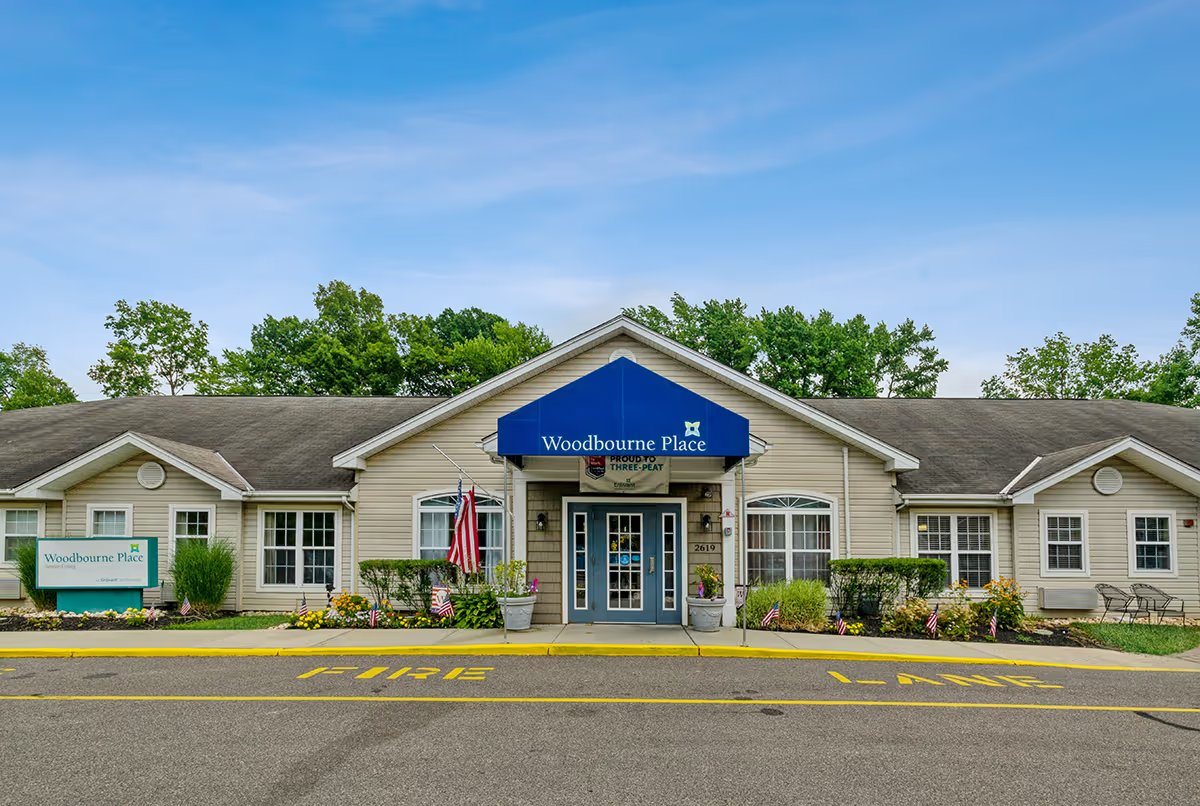
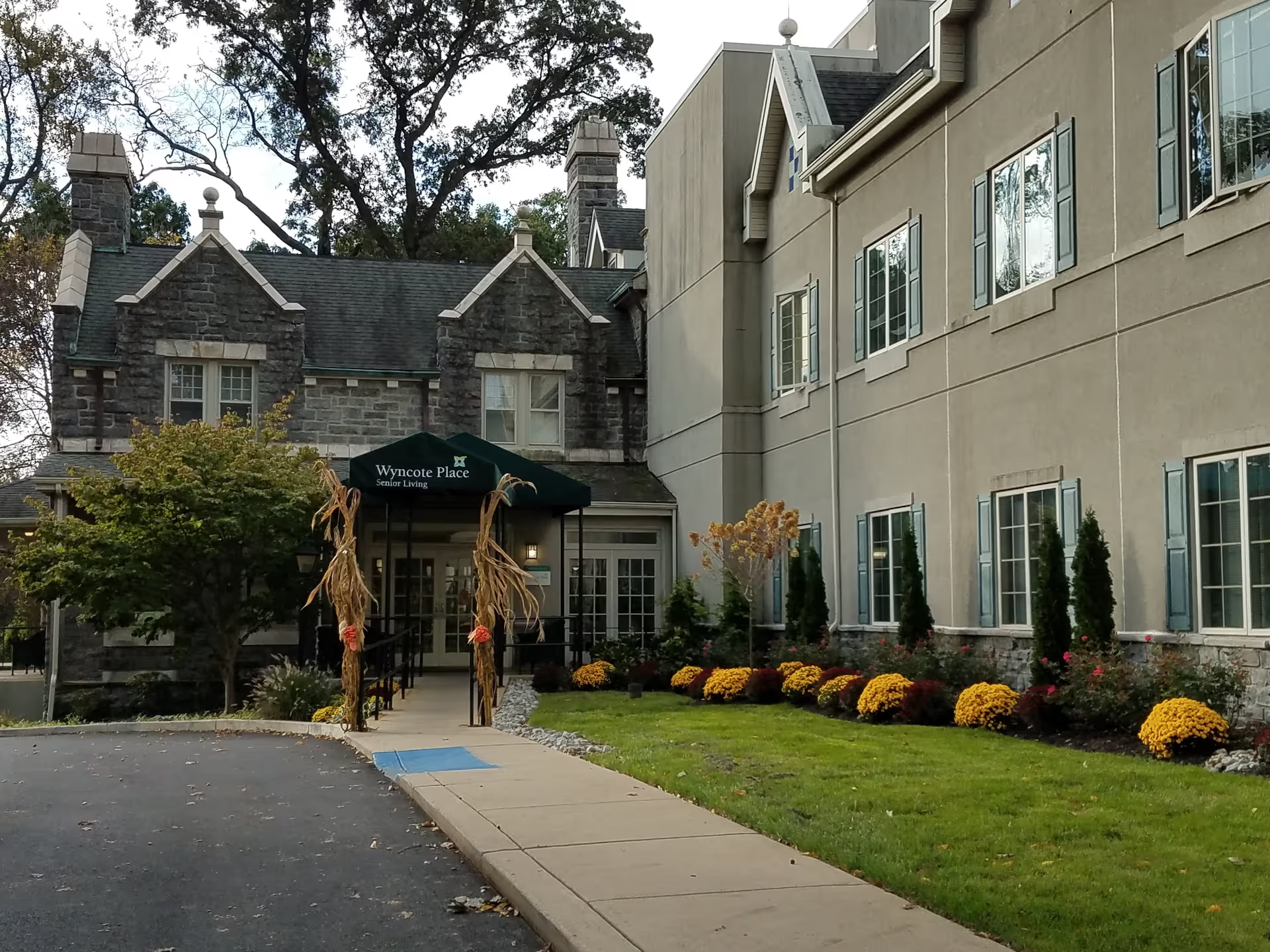
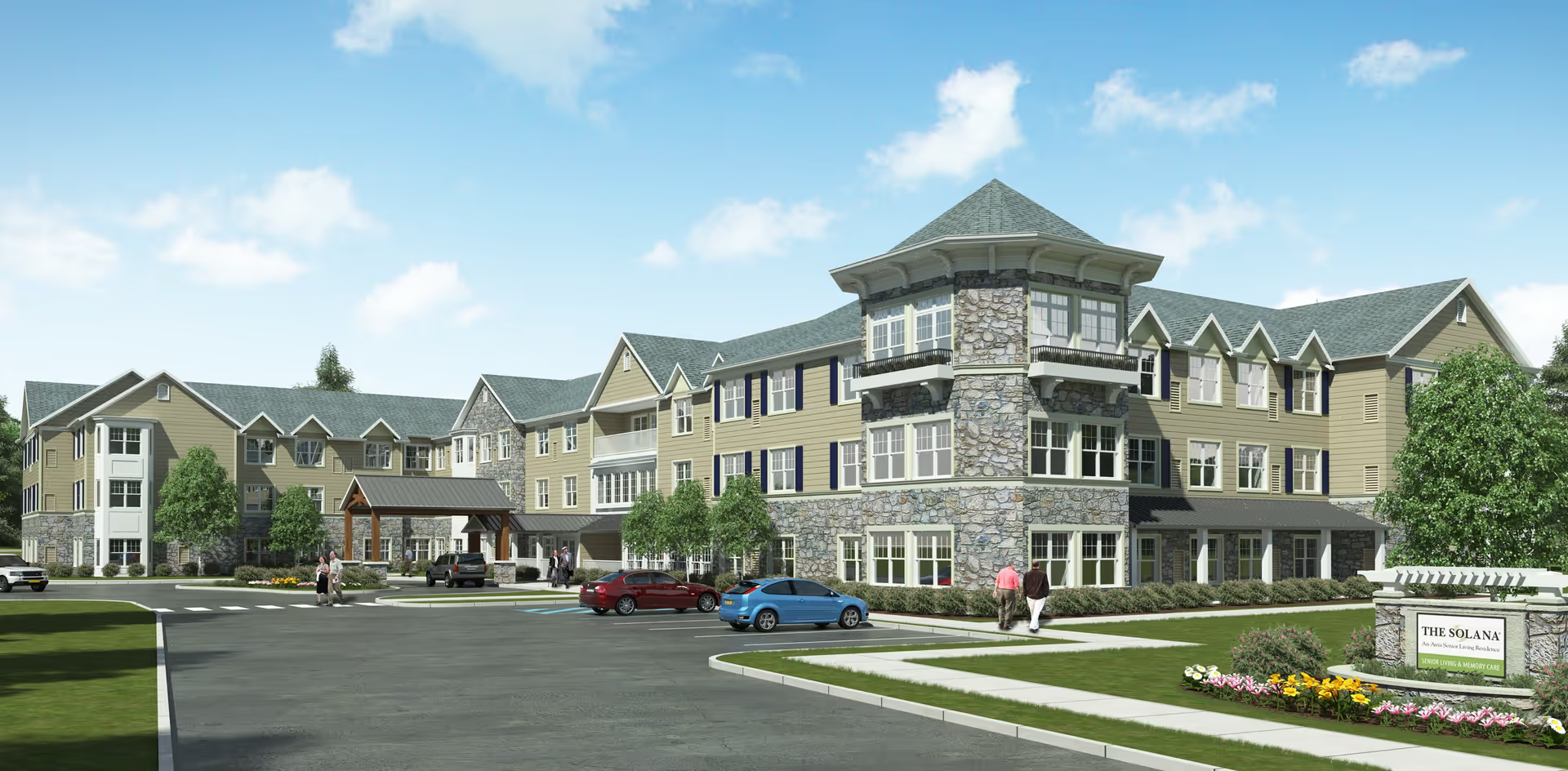
The Province of Southampton presents a mixed but instructive profile for prospective residents and families. The community is widely described as a new or recently updated facility with hotel-style finishes, accessible courtyards, wide hallways, and multiple amenities such as a movie theater, salon, fitness area, and communal gathering spaces. Common areas and public spaces receive frequent praise for cleanliness and upkeep, and many families cited an overall welcoming, home-like atmosphere.
Direct care and life-enrichment are distinct strengths in many accounts. Numerous comments highlight warm, attentive aides and activities teams that provide a broad calendar of programs — from group games and outings to holiday events and religious services. Admission and move-in experiences are often described as smooth, and dining leadership receives repeated commendation for chef-driven menus, multiple meal options, and accommodation of special diets. On-site therapy and nursing services, plus secured memory-care layouts and enclosed courtyards, are additional operational advantages that support resident safety and engagement when staffing and clinical oversight are functioning well.
At the same time, operational inconsistencies recur across reports and merit careful consideration. Staffing levels and scheduling stability appear variable: reviewers describe periods of adequate staffing and responsiveness alongside episodes of delayed assistance and long call-bell waits. Relatedly, some accounts raise concerns about room-level housekeeping and sanitation consistency despite generally clean common areas. Clinical oversight issues are also noted, including concerns about medication administration, training gaps, and episodic turnover in nursing leadership, which can affect continuity of care.
Management, communication, and policy consistency are other notable patterns. Families report both highly engaged, transparent leadership and, in other accounts, ambiguous communication, perceived favoritism, and uneven responsiveness to clinical questions. There are also references to unclear ancillary charges, transportation reliability problems, and at least a few serious allegations involving staff conduct and property security. Infection-control practices and visitor/vaccination policies drew attention during reopening periods, and some reviewers cited visitation restrictions or staff vaccination concerns.
Decision guidance: the community offers many substantive strengths — attractive physical environment, active programming, strong dining leadership, and numerous staff who are described as caring and responsive. However, the presence of recurring operational issues (staffing variability, clinical oversight gaps, management and communication inconsistencies, and occasional safety or conduct concerns) suggests that prospective families should conduct focused due diligence. Recommended steps include: verifying current staffing ratios and turnover statistics, asking to review clinical oversight and medication-administration protocols, requesting a written outline of ancillary fees and transportation availability, observing activity participation during a typical day, and checking recent inspection or complaint histories. These targeted inquiries will help determine whether the facility’s positive attributes align with an individual resident’s clinical and social needs.