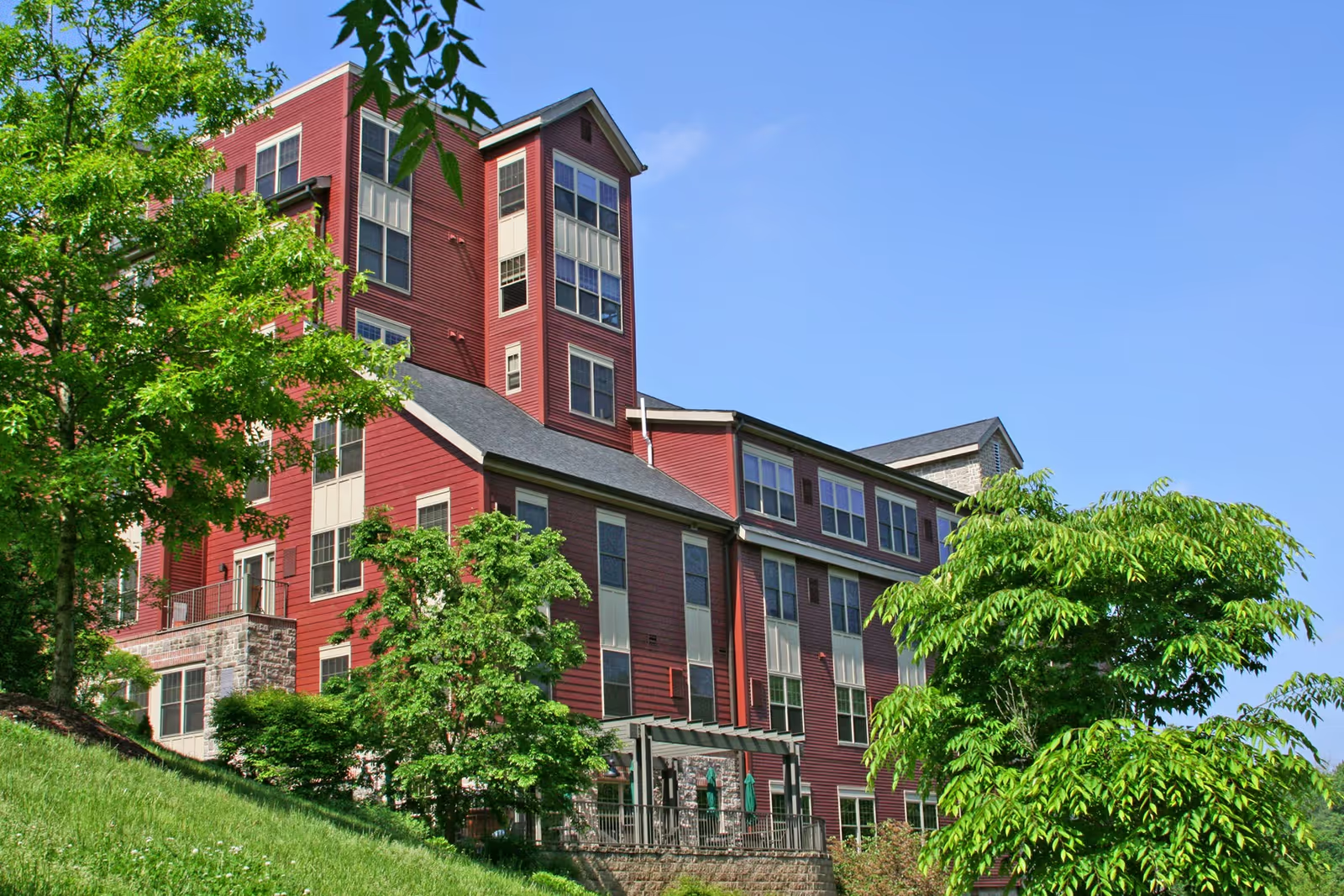
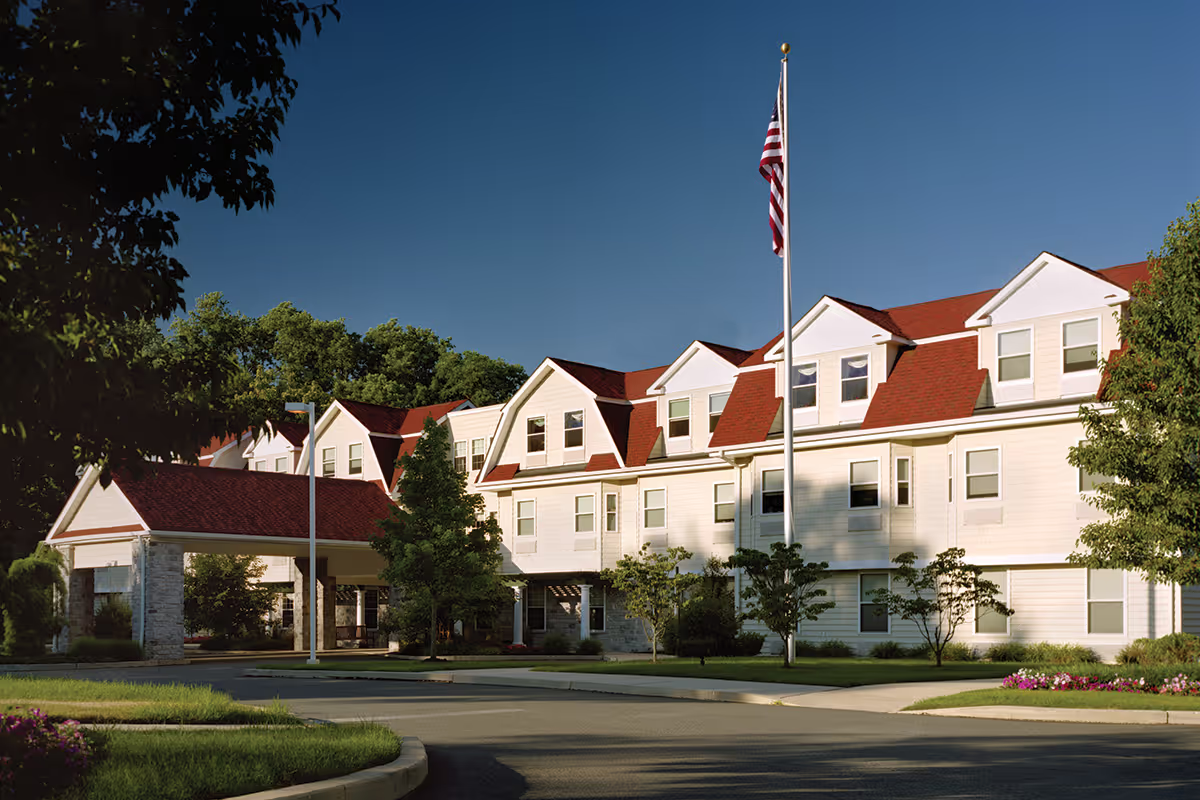
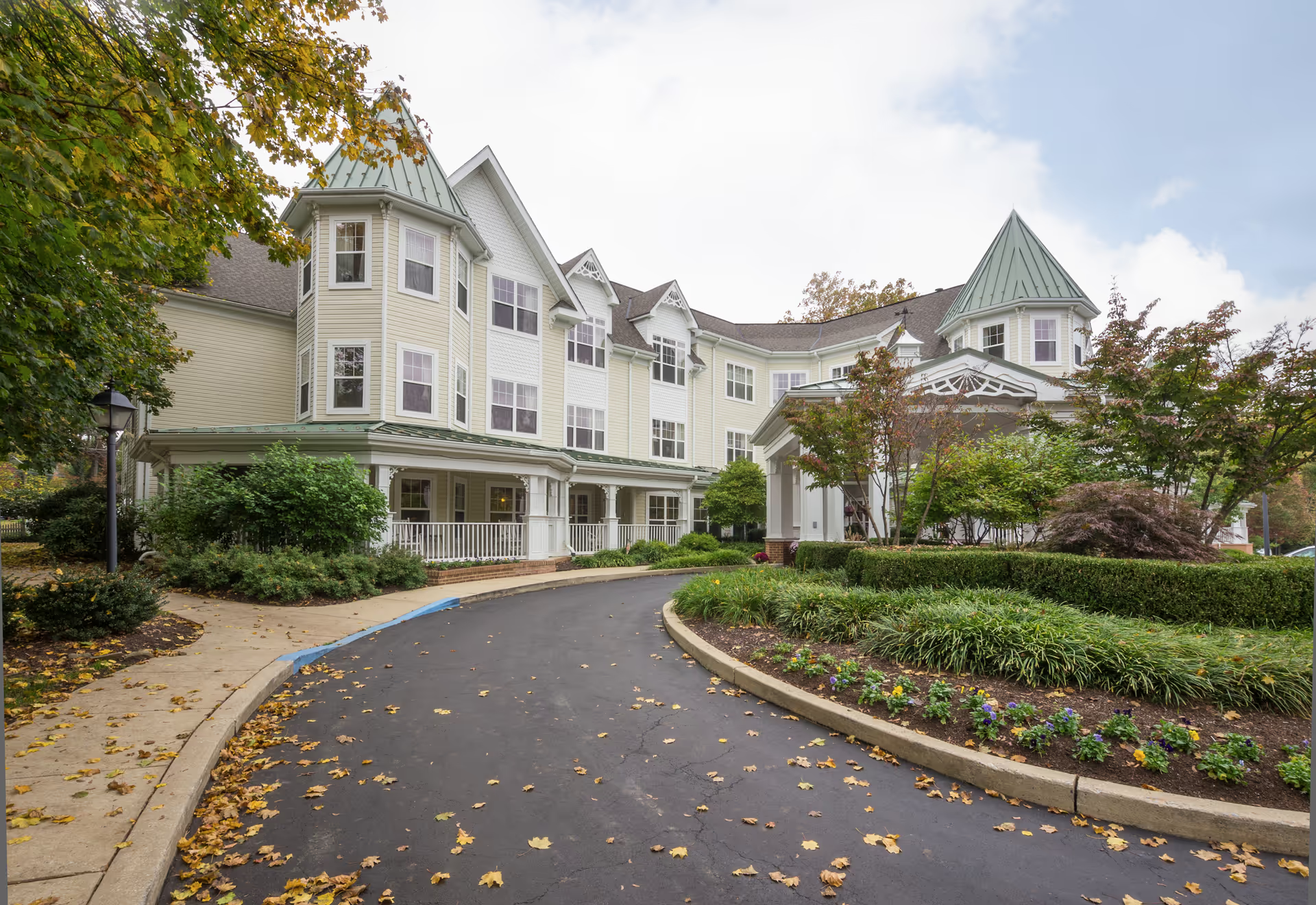
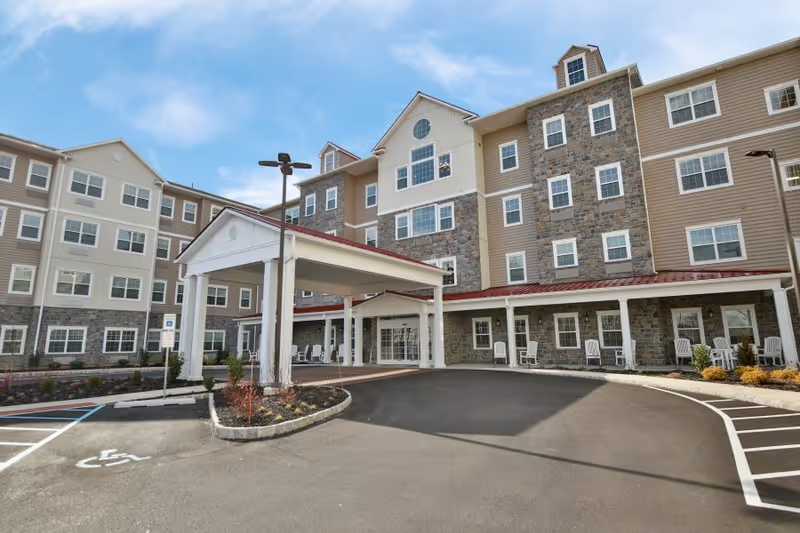
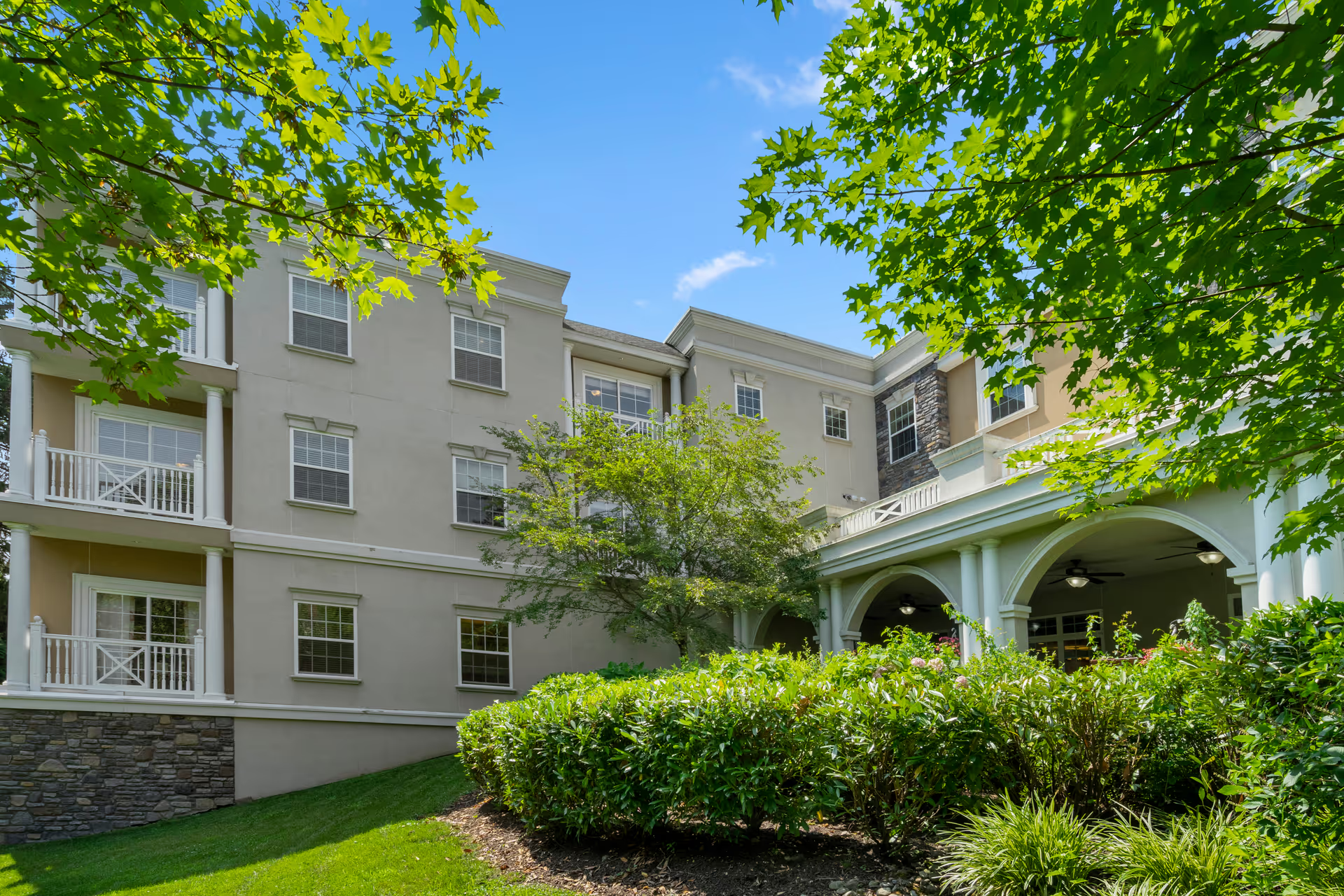
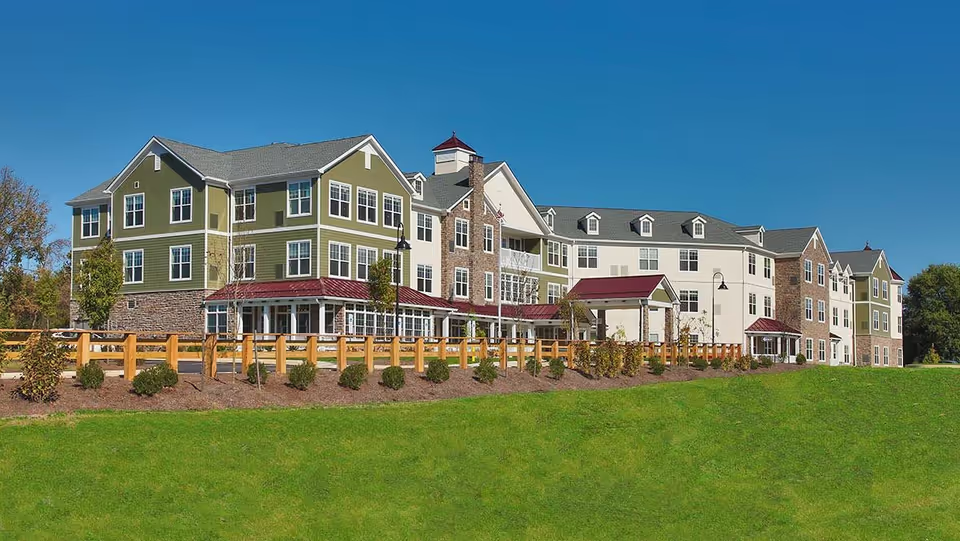
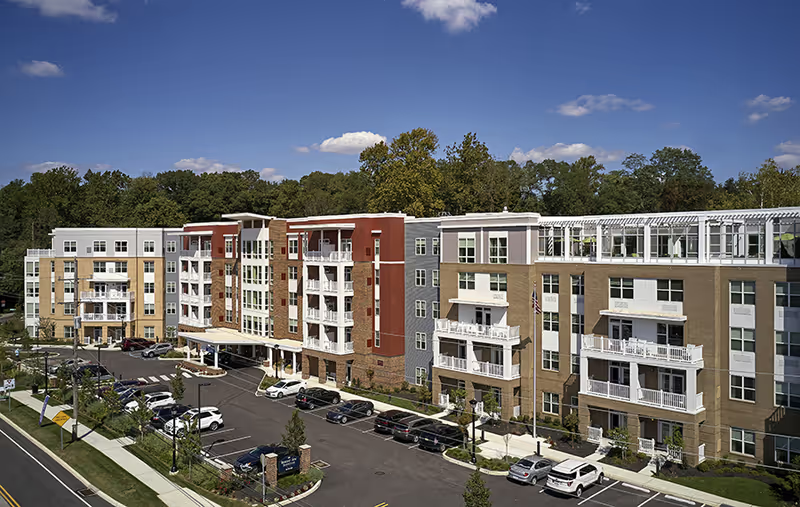
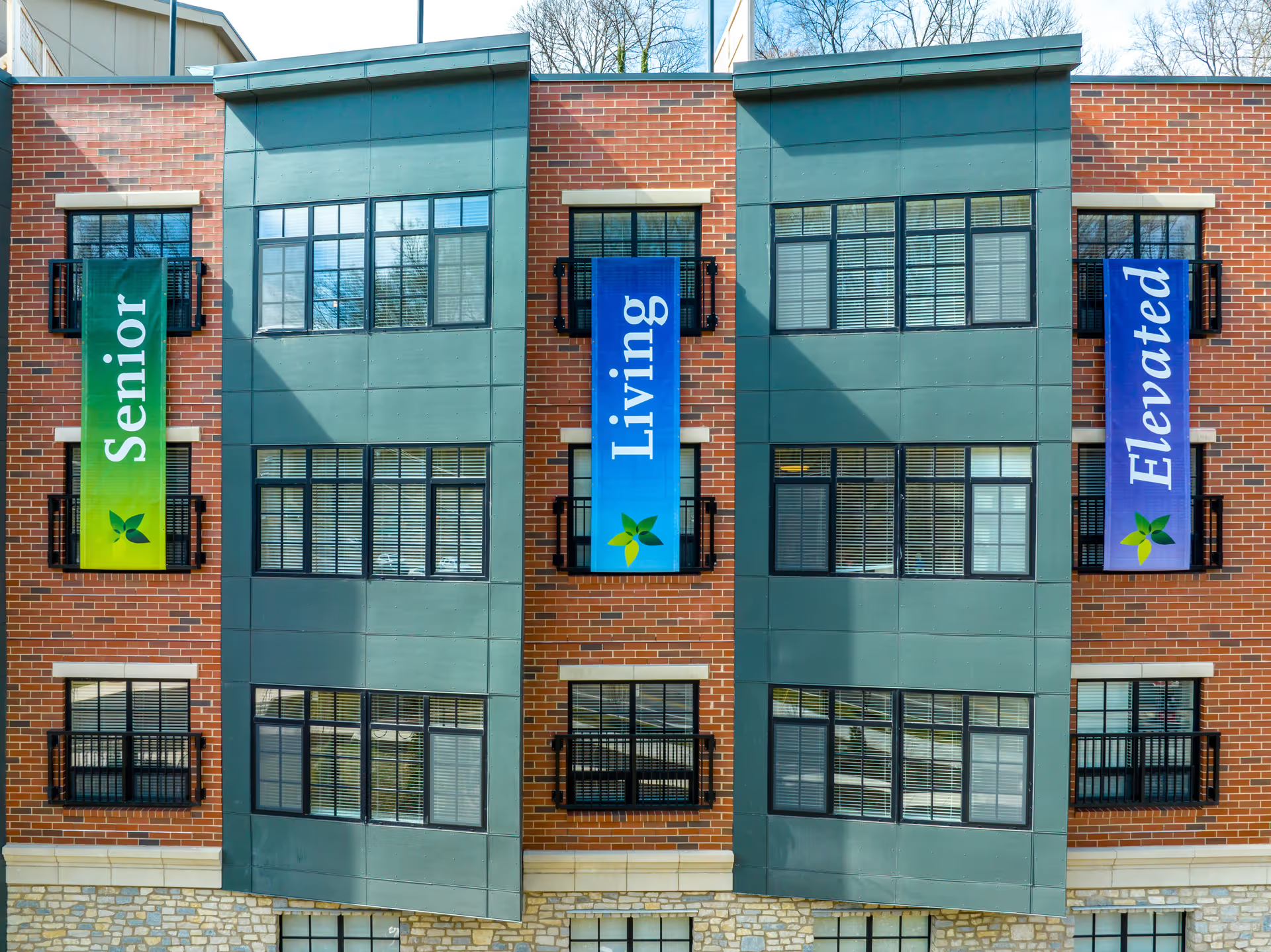
Springfield Crossings presents as a mid-to-large senior living community with many operational strengths alongside recurring operational challenges. Positive themes include a generally compassionate and accessible caregiving staff, visible executive leadership that families find approachable, and strong rehabilitation services (physical and occupational therapy). The community has invested in renovations and modernized common areas, producing a welcoming, secure environment with attractive amenities such as a gym, salon, courtyard, cafe-style dining, and private visiting spaces.
Care quality and staffing are mixed. Many families praise attentive nurses, med-techs, and aides, timely therapy coordination, and proactive case-management support including assistance with insurance navigation and care planning. Weekly clinical updates and good communication from some social work and administrative staff were repeatedly cited as providing reassurance. At the same time, reviews describe inconsistent overnight and weekend staffing coverage, slower nighttime responsiveness to call bells, and episodes that indicate gaps in medication administration oversight. These operational weaknesses have led families to feel the need for increased advocacy in certain cases.
Dining and activities are generally seen as strengths in the community landscape. Residents and families frequently note a broad schedule of activities (bingo, music, crafts, movies, worship services) and an active, social atmosphere that contributes to improved resident well-being. At the same time, reviewers describe variability in program intensity and weekend engagement, with some activities feeling more passive. Dining receives favorable comments about cleanliness, variety, and occasional special events, but there are consistent notes about meal-temperature issues and limited entrée choices at times.
Facility condition and operations show a mix of investment and friction. Renovations and recent updates to common areas, dining, and some apartments have been well received and contribute to a modern, clean appearance in many spaces. However, reviewers also raised sanitation concerns in specific instances, inconsistent laundry handling, maintenance items inside older units, and disruption from ongoing construction. Practical limitations such as small apartment footprints and constrained parking near the building were also noted.
Management and organizational patterns show engaged leadership but also signs of instability. Numerous reviews praise an involved executive director and front-desk/concierge staff who are responsive and resourceful; yet recurring themes include high staff turnover, RN staffing changes that create communication gaps, and occasional billing or Medicare processing difficulties. There are also isolated, serious claims — including allegations of theft of personal items and medication errors — that families raised; these warrant direct follow-up by prospective families and clinicians when evaluating placement.
Overall, Springfield Crossings offers many of the core strengths prospective residents and families seek: rehabilitation capability, a welcoming renovated environment, active social programming, and caregivers who in many cases provide compassionate support. Prospective residents should weigh these strengths against operational concerns identified by families — primarily overnight staffing consistency, medication-management controls, fall-prevention practices, and unit-level housekeeping/laundry reliability. Visiting during different shifts (day and night), asking about staffing ratios and fall-prevention protocols, and clarifying billing/Medicare processes will help families assess whether the community’s current operational profile meets their expectations and safety needs.