Gluco Lodge presents as a small, family-owned personal care home with many features families identify as strengths: a clean, hotel-like interior, restaurant-style dining with a skilled chef, accessible outdoor spaces (including decks and a stream), and a schedule of daily activities and entertainment that keeps residents engaged. The facility advertises 24-hour staffing and coordination with healthcare providers, including VA services, and several reviewers noted personalized attention, a warm, family-like atmosphere, and management staff who address concerns and oversee ongoing renovations and updates.
Care quality appears mixed. Many accounts describe attentive, compassionate caregivers who support residents’ daily needs and mobility, and specialized programming for diabetes, dementia, and Parkinson’s disease. At the same time, reviewers indicate variability in staff conduct and training: there are repeated references to inconsistent aide availability, instances of rough or unprofessional handling, and lapses in routine personal care. Operationally, these translate into patterns such as inconsistent assistance at mealtimes, interruptions to meal quality when core staff are absent, and occasional delays in responding to urgent incidents. There are also specific concerns about incontinence-care delivery and hygiene-related inconsistencies that prospective families should discuss with management.
Dining and activities are frequently cited as strengths: food quality is generally praised when the regular kitchen staff are present, menus are posted, and activities (bingo, live music, shows, movies, and outings) are regular. However, meal-service continuity is sensitive to staffing levels; families should confirm contingency plans for kitchen or staff callouts. The small size supports a close social environment with multiple common rooms and personalized programming, but it also means capacity and staff coverage can be strained at times.
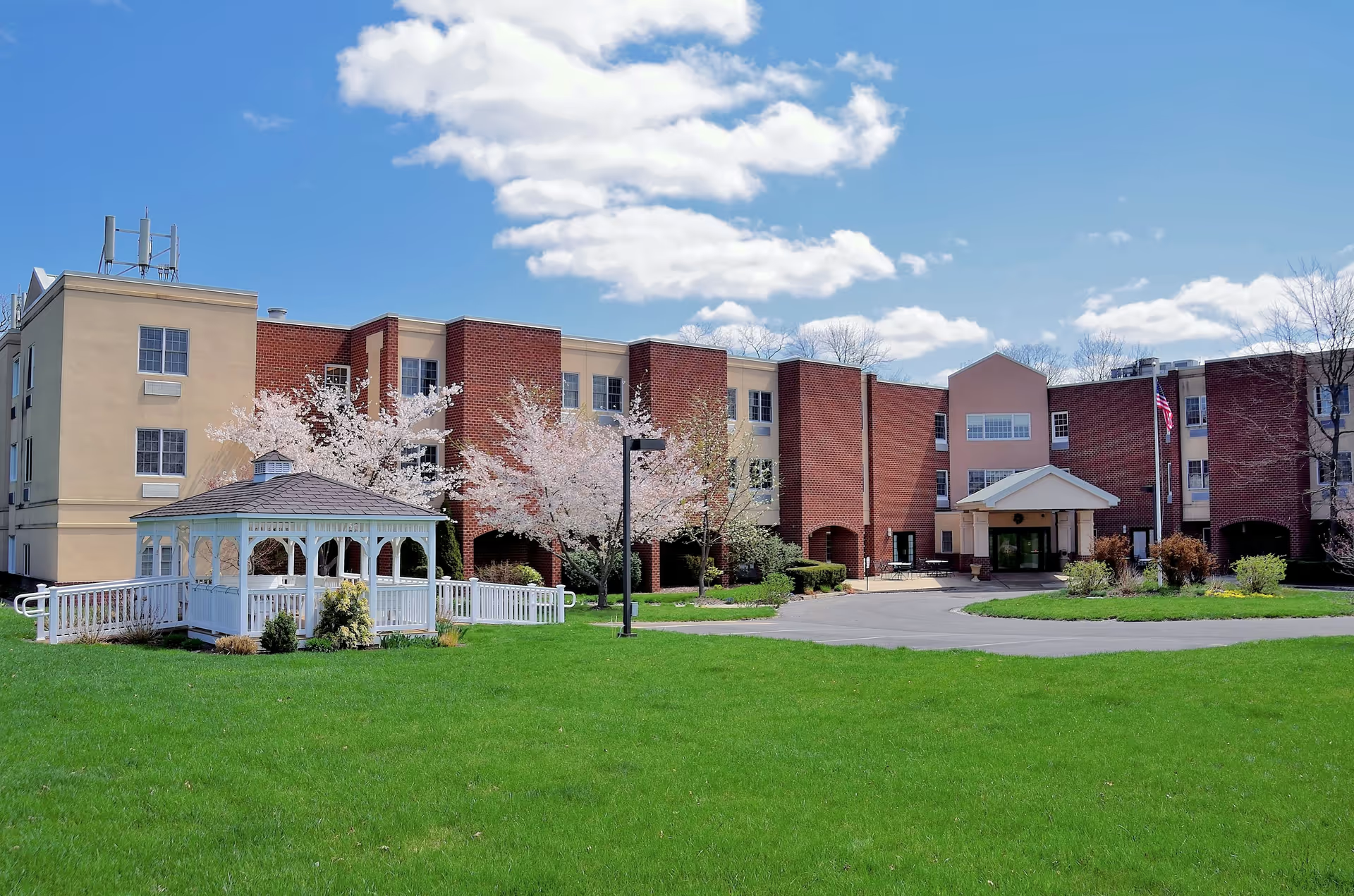
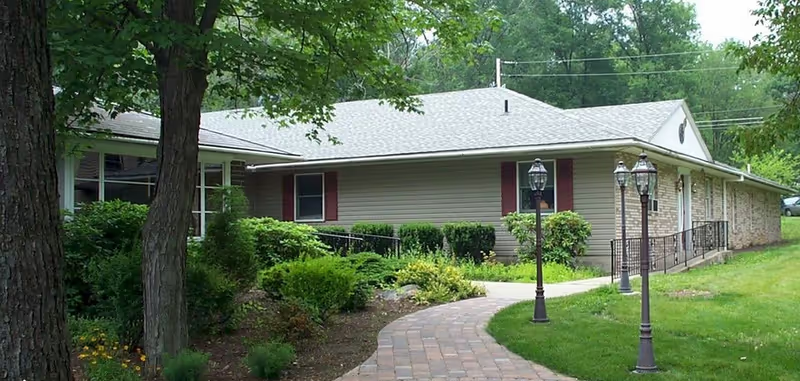
Facilities are described as clean and well maintained with recent security upgrades and new furniture in parts of the building. Reviewers also note dated carpeting and some aging room finishes; renovations are reportedly ongoing. Accessibility features such as wheelchair-accessible decks, guest rooms for visitors, and two living rooms per floor are recurring positives. Prospective residents should tour multiple rooms to assess finish levels and rooming arrangements.
Management and communication show strengths and weaknesses. Many families praised responsive managers who follow up on issues, transparent intake, and helpful transition support. Conversely, there are recurring comments about limited administrative availability on weekends and holidays, uneven staff communication, and inconsistent infection-control notifications at facility entrances. Room-assignment practices were sometimes criticized for pairing residents with differing care needs; clarify roommate matching and private-room availability if that is important.
Notable patterns for prospective families: the facility offers strong social programming, affordability, and a personalized atmosphere, but operational consistency—particularly staffing levels, mealtime assistance, staff training on transfers and personal care, and timely incident response—varies. During tours and conversations with administrators, families should ask about current staffing ratios, contingency plans for staff callouts, specific infection-control and incident-response protocols, and any additional fees tied to higher-dependency care. These discussions will help align expectations with the facility’s strengths and address the operational weaknesses described above.