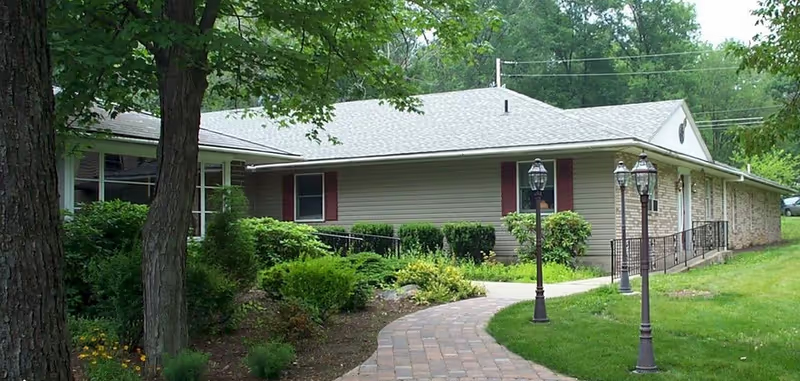
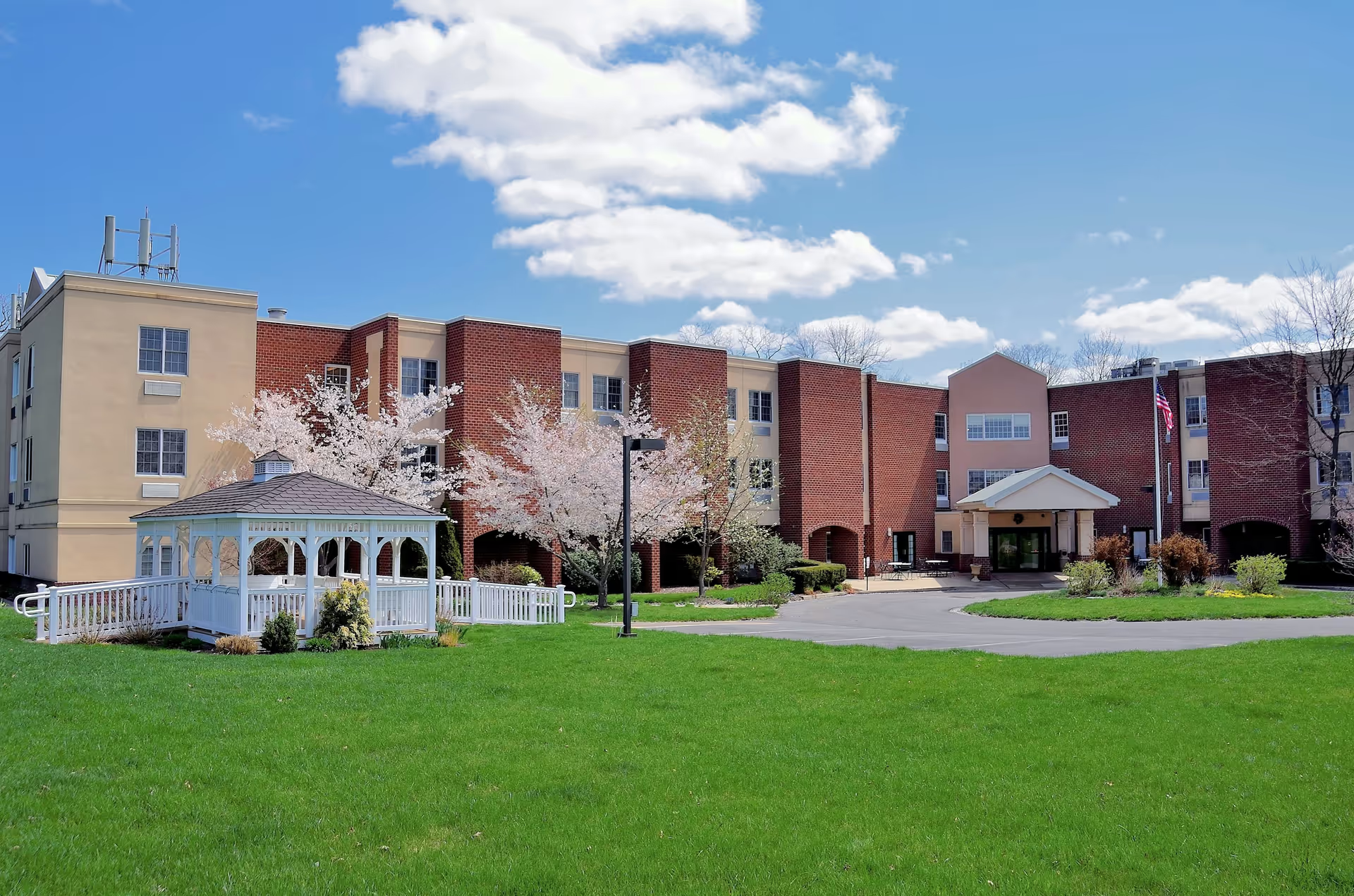
Reviews of Stroudsburg Post Acute Nursing and Rehabilitation present a polarized picture. Many families and residents praise the facility’s therapy teams and frontline caregivers, describing therapists and nurses as skilled, patient, and attentive. Those positive accounts frequently highlight measurable rehabilitation progress, individualized therapy plans, milestone celebrations, and staff members who are easy to reach and communicative. Several reviewers also noted a welcoming, home-like culture, recent renovations and attractive common spaces, and strong volunteer involvement that supplements the activity program.
At the same time, a substantial cluster of concerns relates to core clinical operations and consistency of care. Key clinical issues include medication-management and administration control gaps, limited physician availability for timely clinical oversight, and inconsistent delivery of scheduled therapies. Reviewers described problems with medication timing, wound-care management, and missed or shortened therapy sessions—issues that indicate variability in clinical processes rather than isolated events. Families also raised concerns about record-keeping, delayed or unclear communication about changes in condition, and difficulty obtaining timely updates from management.
Facility operations and resident comfort are uneven across reviews. Positive comments cite thoughtful, individualized assistance and a range of engaging activities supported by volunteers. Conversely, other families reported sanitation and odor concerns in specific areas, irregular bathing and grooming schedules, and inconsistent meal quality or nutritional monitoring. These reports point to housekeeping, personal-care scheduling, and dining-service shortcomings that may affect resident comfort and nutritional outcomes for some residents.
Staffing and management emerged as another mixed area. Many reviews emphasize compassionate, professional nurses and excellent therapists; however, other accounts describe staffing instability, workplace-culture issues, and poor responsiveness to requests (including call-bell response delays). A few reviews referenced an ownership change and linked that to altered resource allocation and communication lapses. Taken together, the pattern suggests the facility can deliver high-quality rehabilitation and caring interpersonal support, but that performance appears uneven and may be affected by staffing levels, administrative processes, and clinical oversight.
What stands out is the variability: strong rehabilitative outcomes and highly praised individual staff coexist with operational gaps that have the potential to affect medically complex residents. Prospective residents and families should weigh the facility’s strengths in therapy and person-centered interactions against reported inconsistencies in medication administration, physician access, sanitation and personal-care scheduling, and management responsiveness. Those considering placement may want to ask specific questions about physician coverage, medication administration protocols, therapy schedules, nutrition monitoring, housekeeping routines, and recent staffing or ownership changes to assess alignment with the resident’s clinical and daily-living needs.