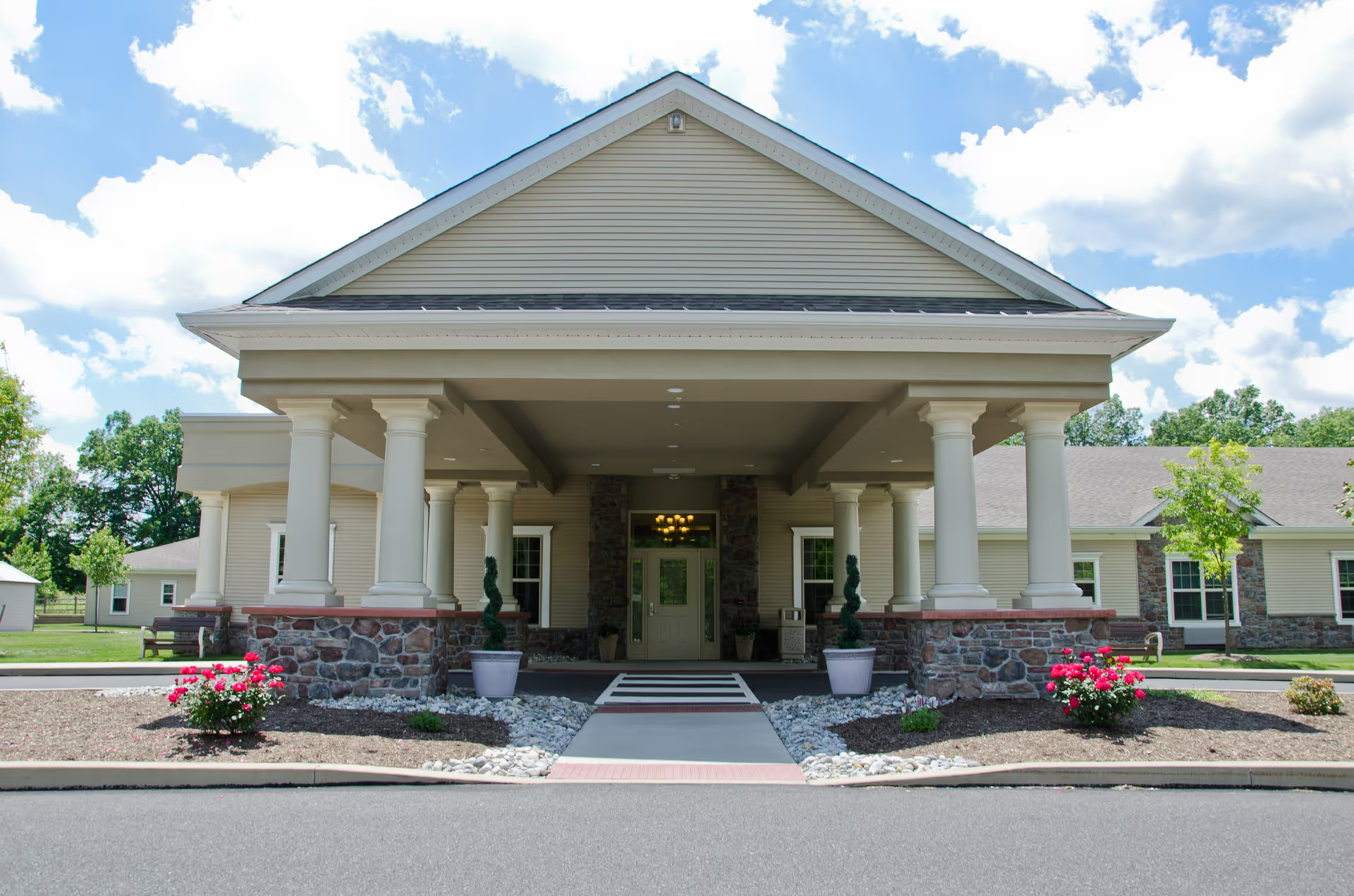
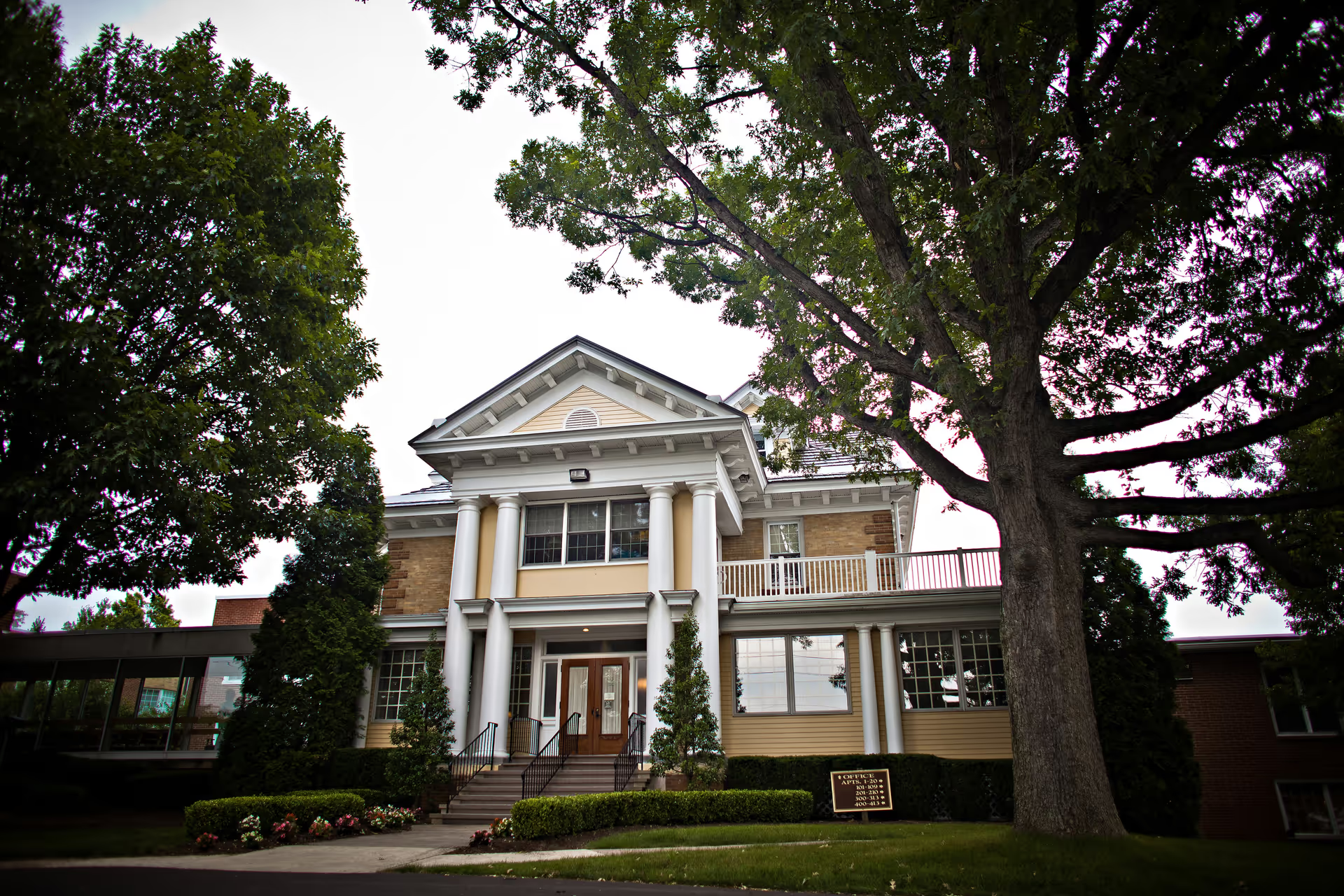
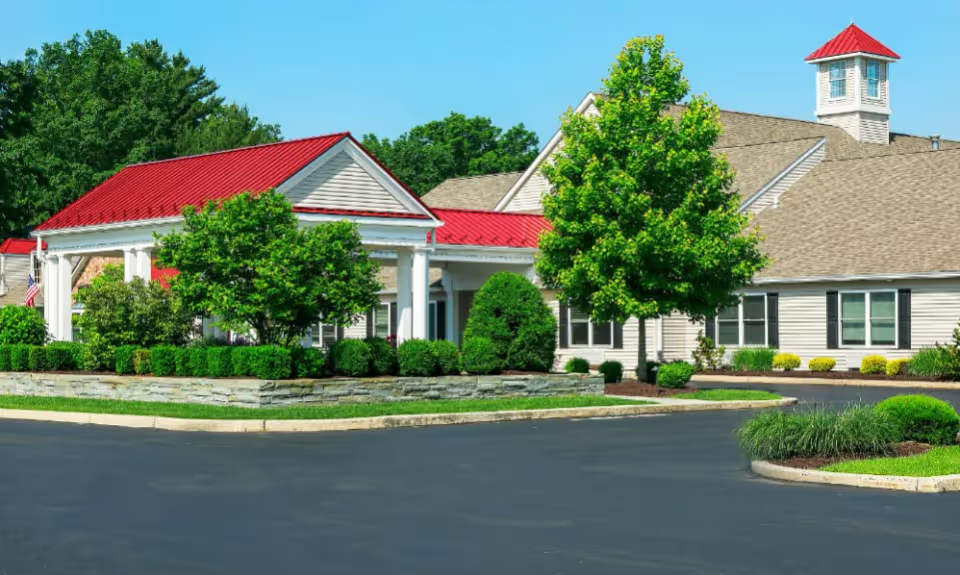
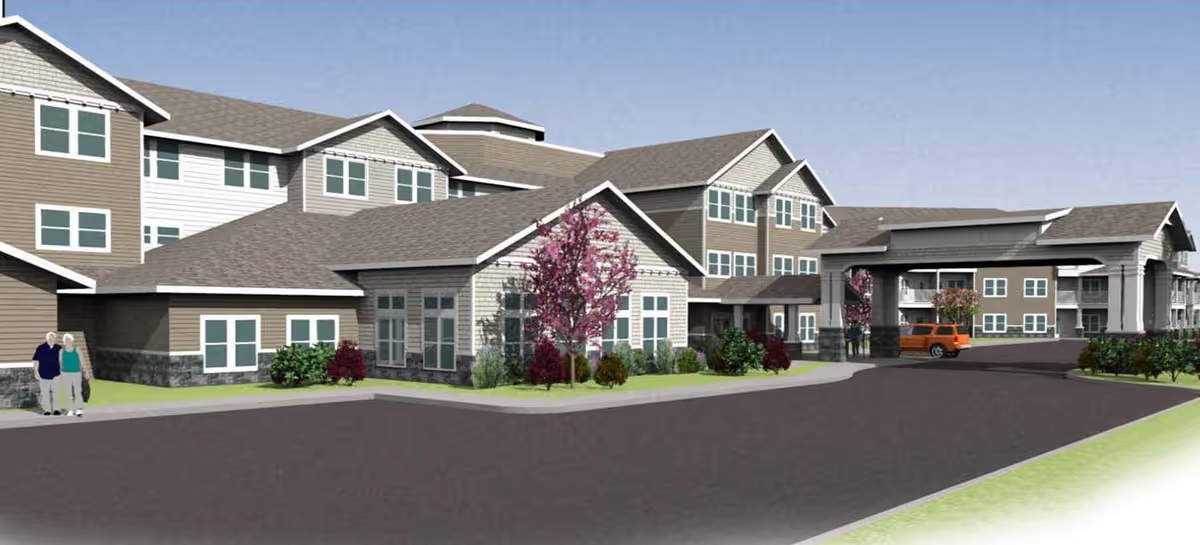
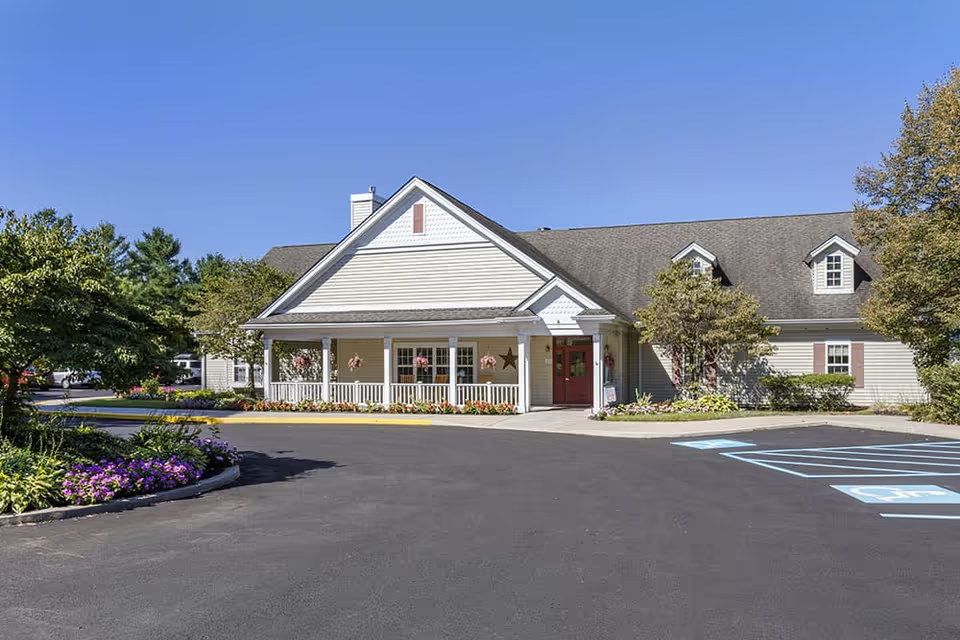
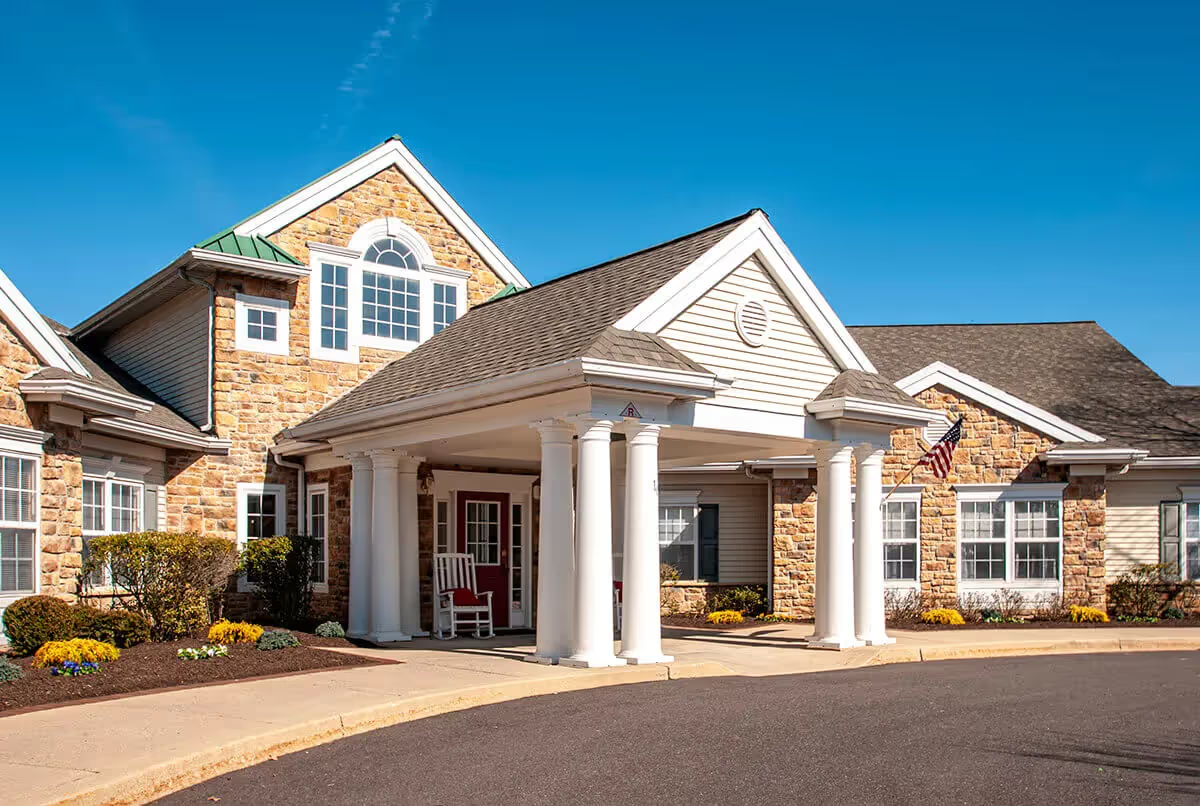
Overall impression Lutheran Community at Telford receives consistent praise for its physical environment, meal quality and key clinical strengths, alongside recurrent operational concerns related to access control, evening desk coverage and programming. Reviewers highlight a clean, well-kept campus with attractive landscaping and interior finishes; shared rooms are described as offering true walls between beds, and semi-private options are available. Many families and residents compliment the chef and kitchen staff for good meals and responsiveness to dietary needs such as gluten‑free requests.
Clinical care and staff Clinical care and communication emerge as prominent strengths. Nursing staff are frequently described as skilled and communicative, with proactive resolution of clinical issues and regular updates about condition and progress. End-of-life communication and coordination were specifically noted as handled clearly by clinical teams. At the same time, reviewers report variability in interpersonal tone: while many staff are described as friendly and professional, some staff members are perceived as cold or less engaged. There are also reports that raise serious concerns about staff conduct; these are characterized here as allegations that warrant direct inquiry during any evaluation or family visit.
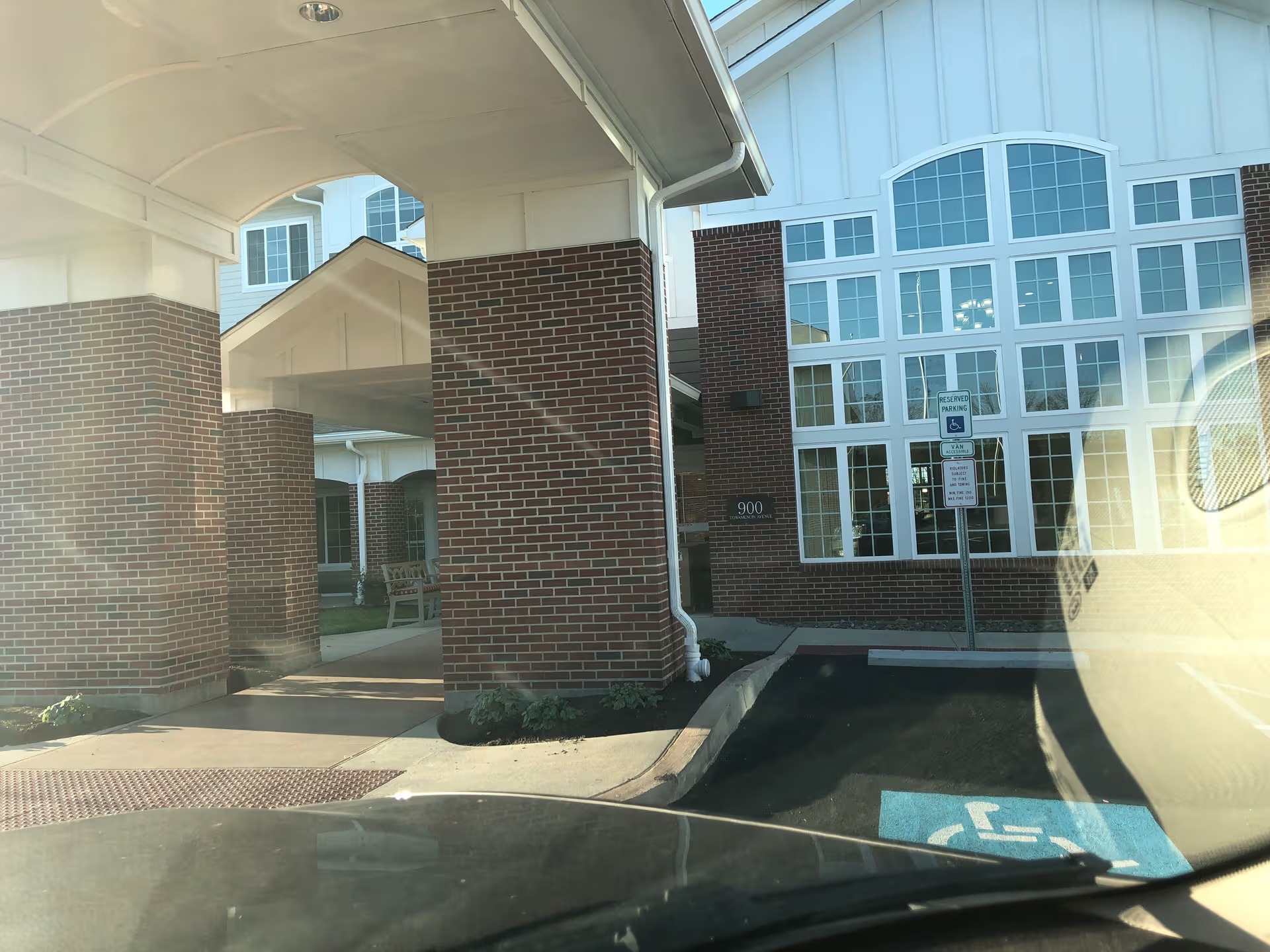
Safety, security and management A recurrent operational weakness is facility access and front‑desk coverage. Reviewers point to limited or absent evening reception services, reliance on self‑service visitor label systems, and insufficient signage — patterns that can create perceived or actual safety and visitor‑management gaps. Families have also raised concerns about social-work professionalism and responsiveness in certain cases, and some describe dissatisfaction with how management addressed specific family concerns. Availability constraints were reported, indicating a waitlist or limited openings at times.
Dining, activities and daily life Dining is generally viewed positively for quality and accommodation of special diets; the kitchen staff and chef receive strong mentions. However, there are concerns about inconsistent dining participation policies that can affect residents’ access to meal services. Activity programming is described as limited by some reviewers, with a tendency toward passive offerings (for example, television‑focused options) rather than a broad schedule of varied, engaging activities. Prospective residents who prioritize structured programming should verify current activity calendars.
Notable patterns and recommendations The review set shows a mix of clear operational strengths (facility upkeep, meal quality, clinical communication) and recurring operational gaps (security/visitor controls, front‑desk staffing, variable staff conduct, and limited activities). For prospective residents and families considering this community, recommended topics to raise during a tour include: evening and weekend reception staffing and access-control procedures; visitor check‑in workflow and label/ID handling; the social‑work role and lines of family communication; typical activity programming and opportunities for engagement; dining policies for resident participation and special diets; and current admission waitlist status. Additionally, ask how the community investigates and documents any serious complaints about staff conduct, and request references or examples of how previous concerns have been resolved.