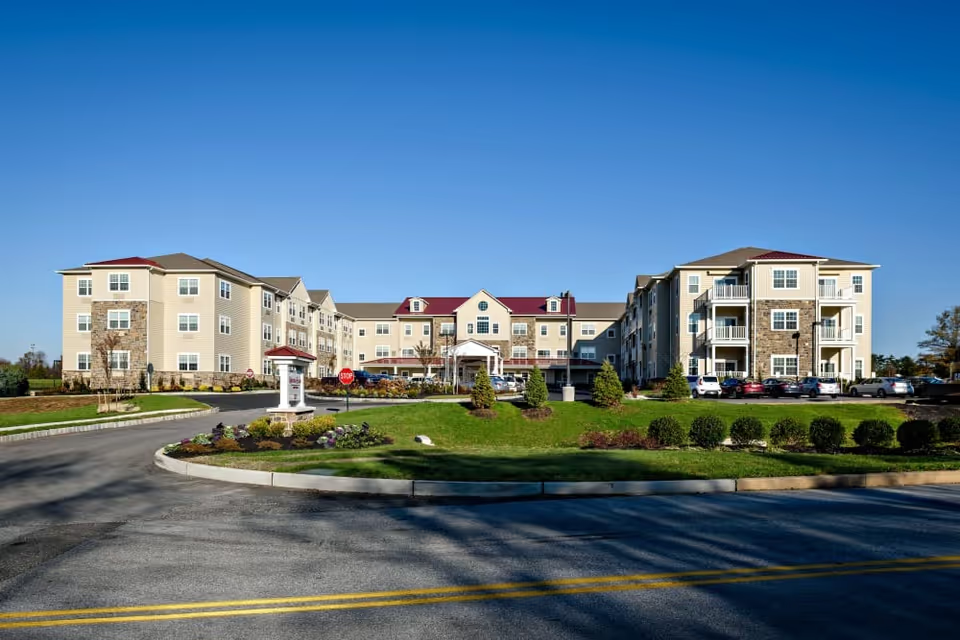
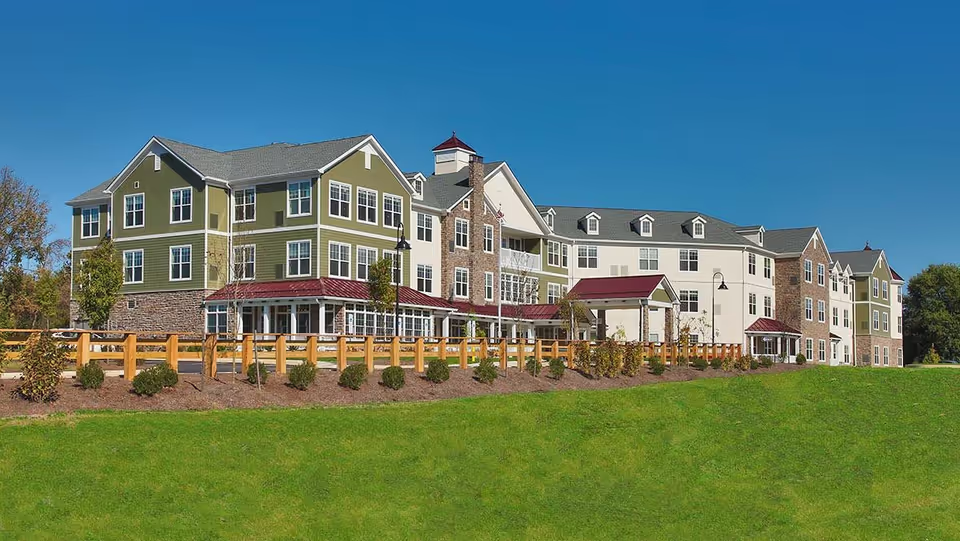
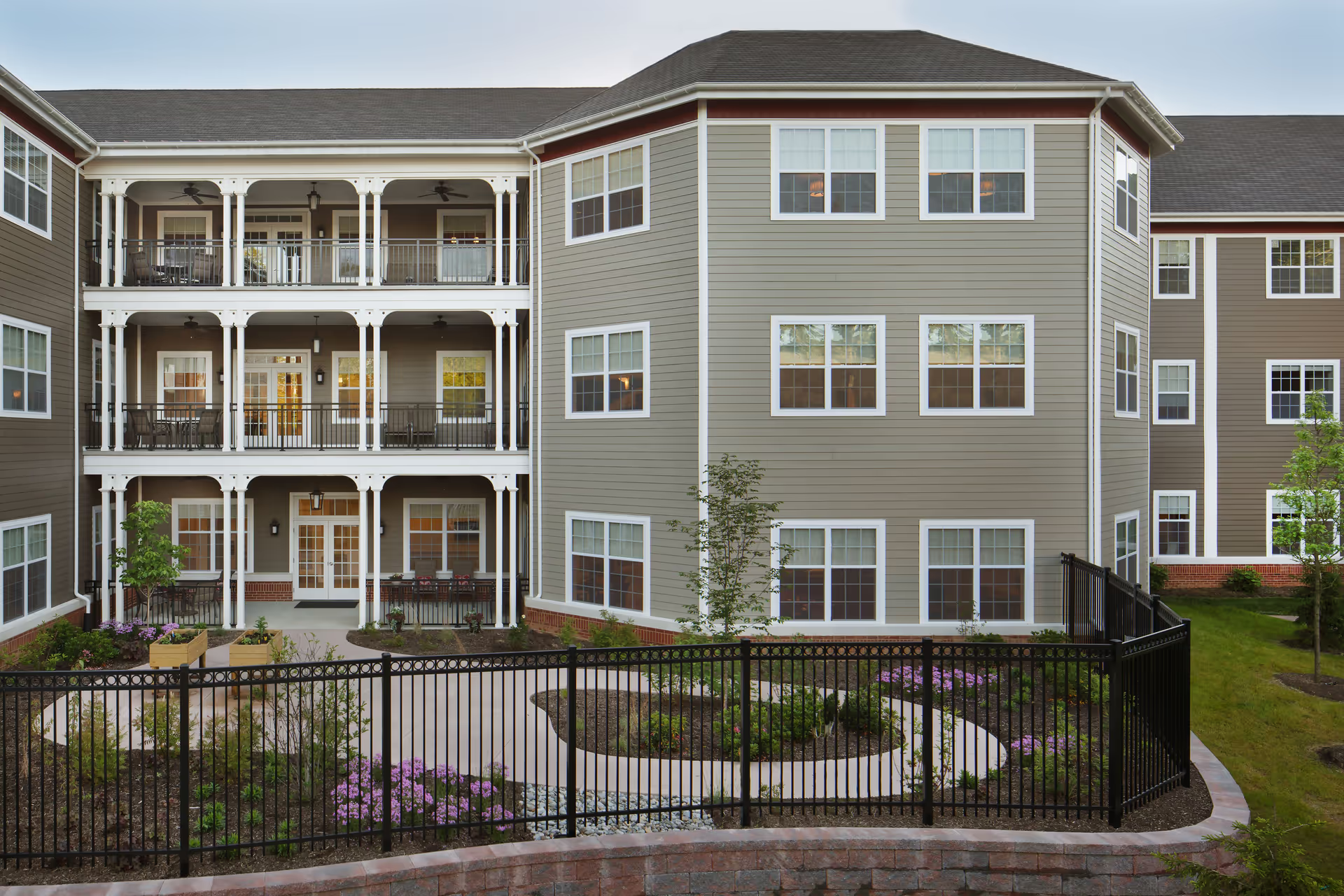
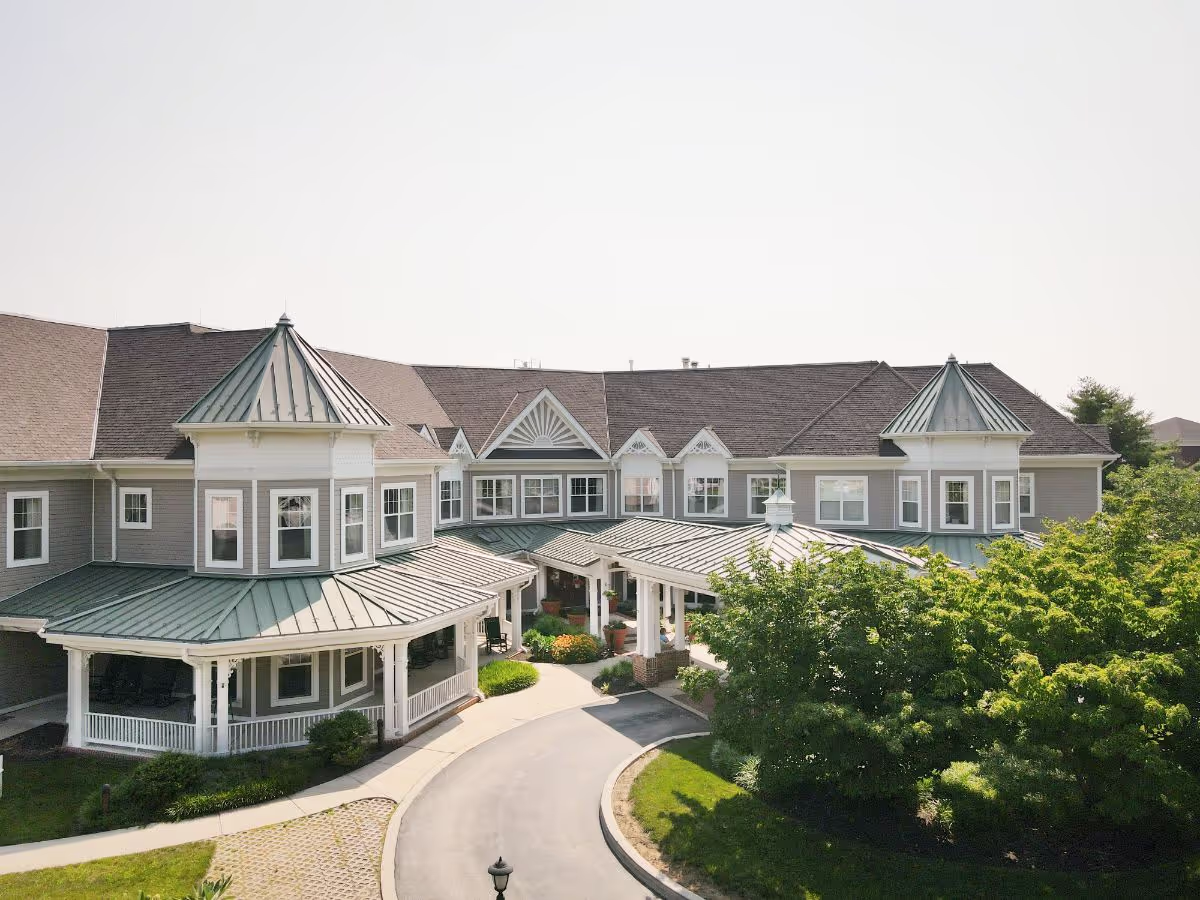
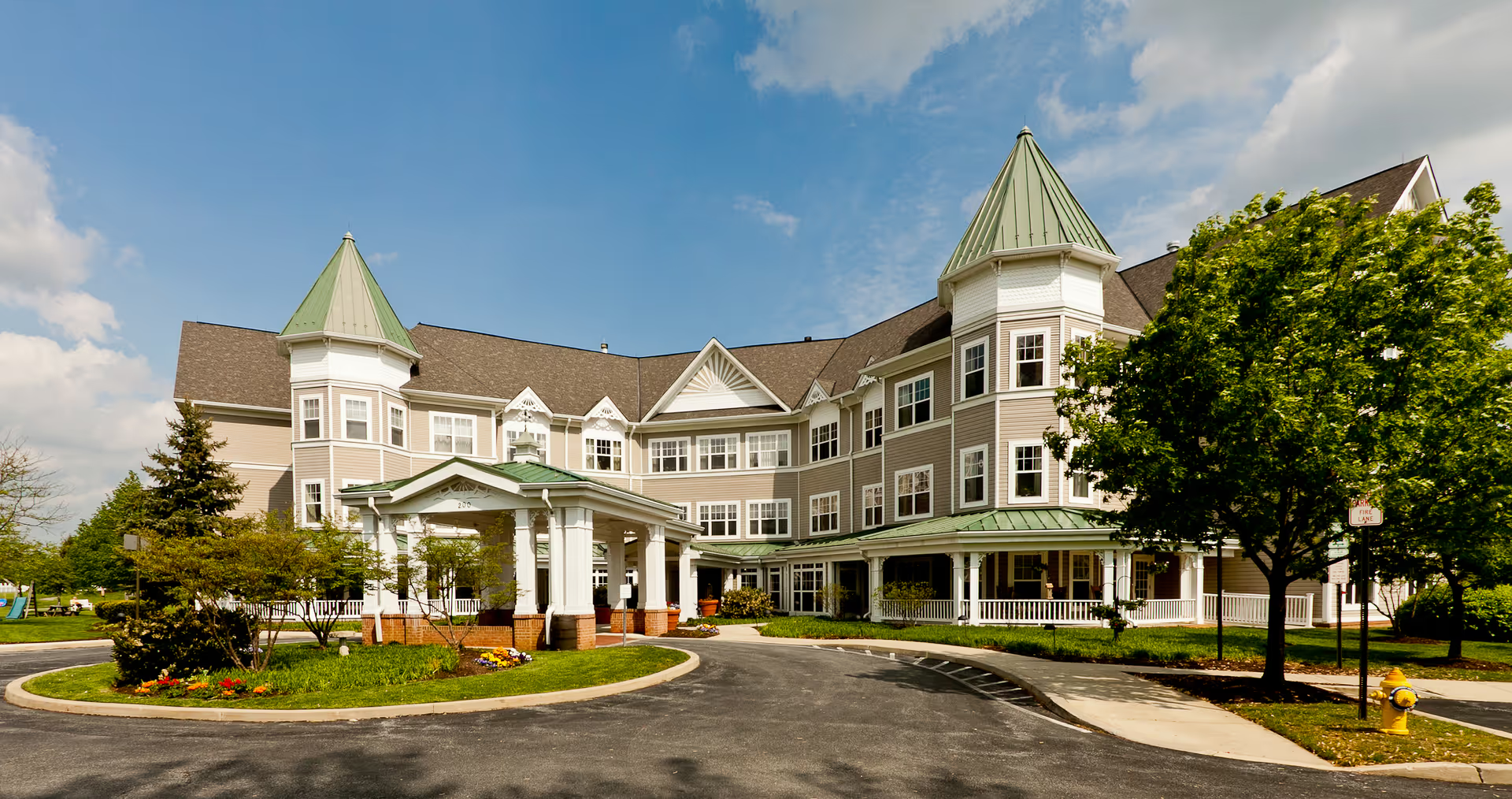
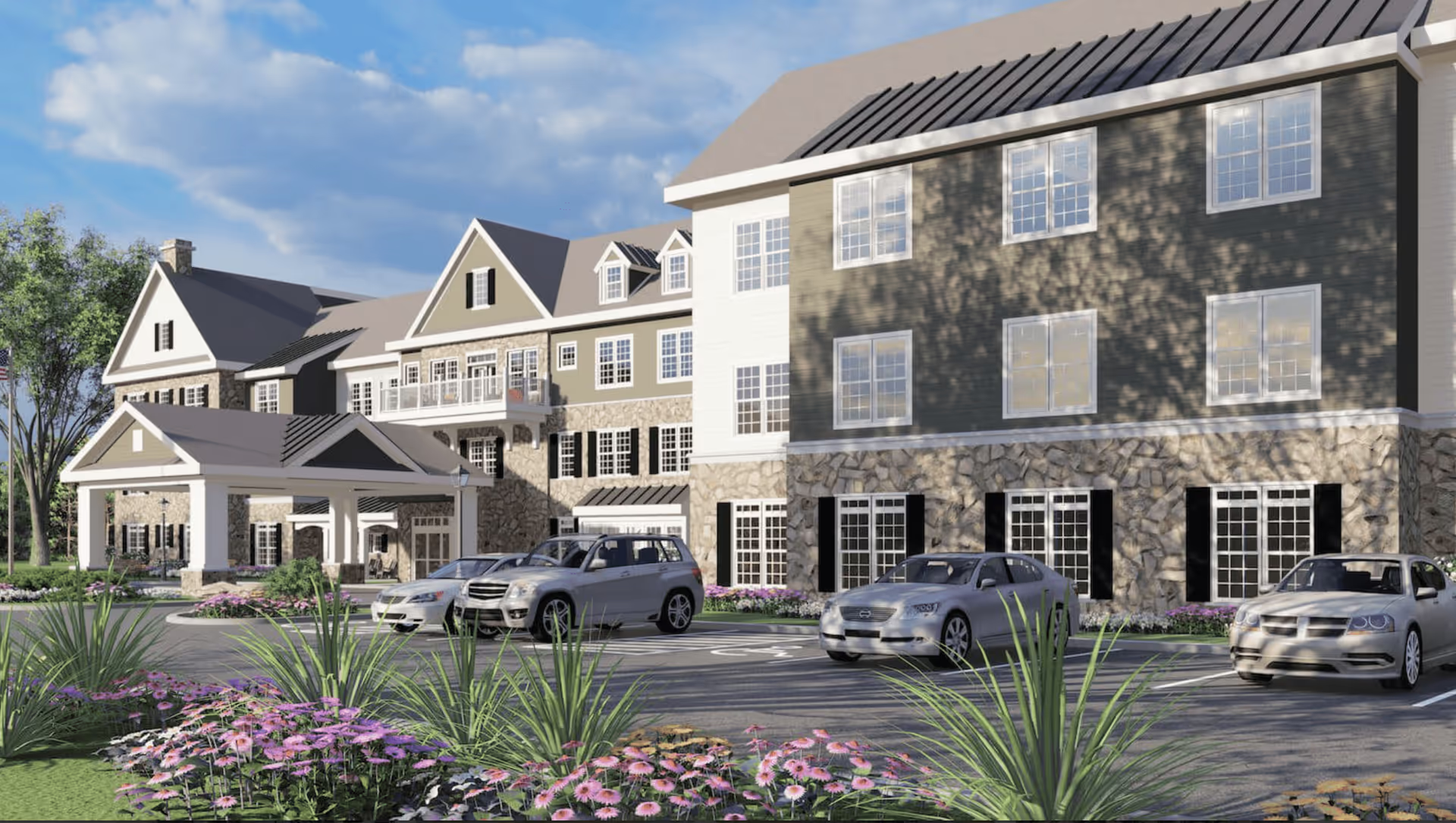
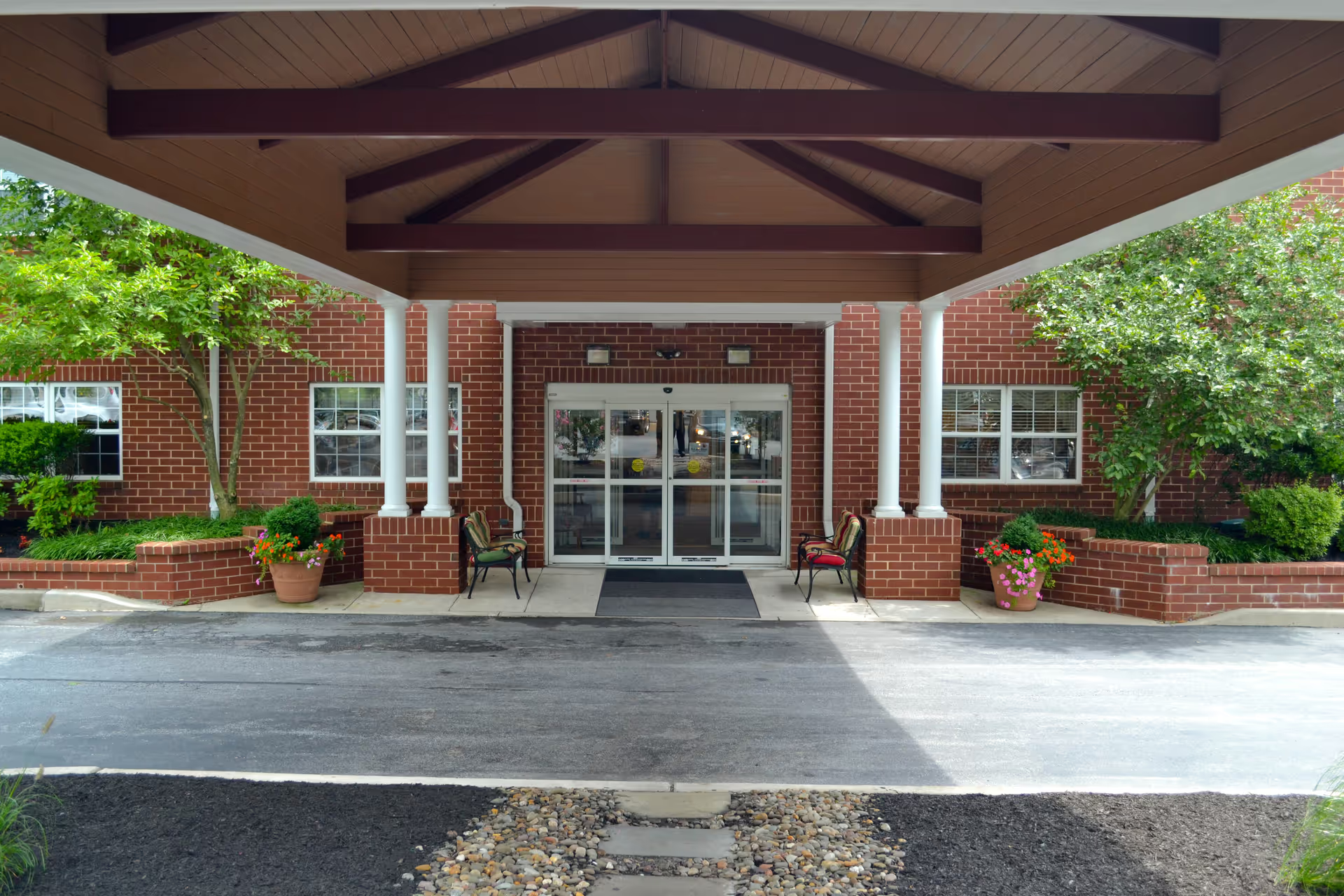
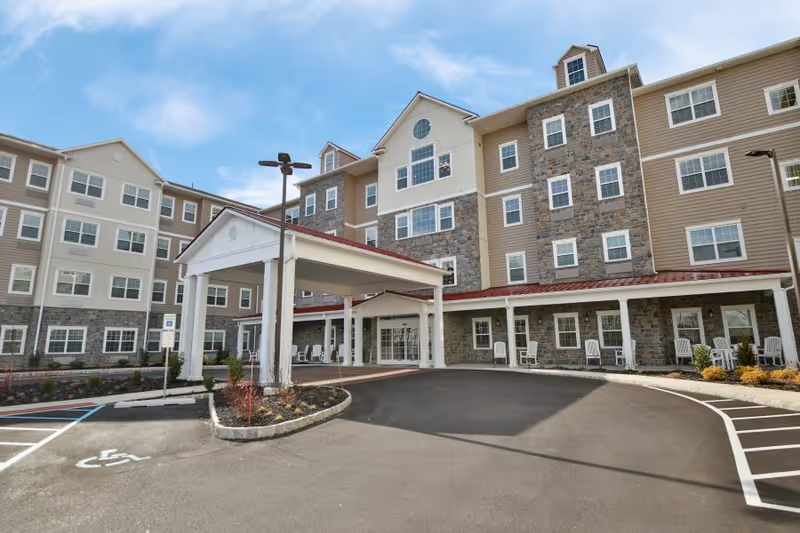
Bellingham at West Chester presents as a large, well-appointed senior community with many consistently praised features alongside recurring operational concerns. The property and common areas are frequently described as clean, scenic, and recently renovated; apartments are often characterized as spacious and updated, with ADA-compliant options, balconies or patios, and a range of floor plans. On-site amenities such as salon services, podiatry, a country store, private visiting rooms, and multiple dining venues contribute to a resort-like atmosphere for independent living.
Staffing and care show a mixed but distinct pattern. Front-line, hospitality, and therapy staff (physical and occupational therapy) receive widespread positive comment for professionalism, warmth, and effectiveness—many families credit therapy teams with rapid rehabilitation and successful discharges home. Move-in coordination and sales teams are repeatedly singled out for supportive, detail-oriented assistance. At the same time, there are recurring concerns about the consistency of clinical nursing care, variable responsiveness for personal-care needs, and lapses in medication handling or timely assistance in certain units. These discrepancies are most often described as unit- or shift-specific rather than uniform across the campus.
Dining and activities are clear strengths for much of the community. The dining program is frequently praised for variety, special dining events, and high-quality offerings; residents value multiple meal venues and themed or five-course options. However, reviewers also noted inconsistent meal-service policies (limited meal times, some menu items unavailable late, and evolving food-allowance arrangements), plus occasional perceptions of declining menu choices. The activities program is robust, with regular on- and off-campus outings, classes (e.g., Brain Health University, Tai Chi, arts), social games, and an active roster of resident-led and staff-led programs that contribute to a vibrant community life.
Facility operations and management elicit polarized feedback. Many families applaud responsive maintenance, housekeeping services, and leadership figures who provide strong communication and follow-through. Conversely, others describe frustrating experiences with billing opacity (unexpected fees, per-item meal allowances, delivery/package charges), rent increases, and delayed move-in preparations. There are documented service-quality patterns: pest-control concerns in some apartments, maintenance delays at move-in, and inconsistent housekeeping schedules. Several reviewers also raised serious concerns about complaint handling, citing allegations of retaliatory responses and instances where regulatory involvement (health-department action) followed policy failures; these issues point to weaknesses in accountability and conflict-resolution processes.
A notable pattern is the contrast between highly rated independent-living and rehab/therapy experiences versus uneven performance in assisted-living and memory-care segments. Independent living residents frequently report a strong social environment, good value, and excellent amenities. In assisted-living and memory-support areas, complaints cluster around environmental quality (lighting, odor concerns in specific areas), staffing levels, and reduced activity or personal-care attention. Prospective residents and families should evaluate the specific unit and level of care, ask for current staffing ratios, review written policies on billing and meal allowances, and verify how the facility handles complaints and transitions between care levels.
In summary, Bellingham at West Chester offers many features attractive to independent residents and those seeking high-quality rehabilitation and activity programs: well-maintained grounds, varied dining, strong therapy services, and an engaged community. The main areas for due diligence are operational consistency—especially nursing responsiveness, medication-management practices, billing transparency, and the condition/resourcing of assisted-living and memory-care units. Visiting multiple units, meeting clinical staff, and getting key policies in writing will help families assess whether the facility’s strengths align with an individual’s care needs and expectations.