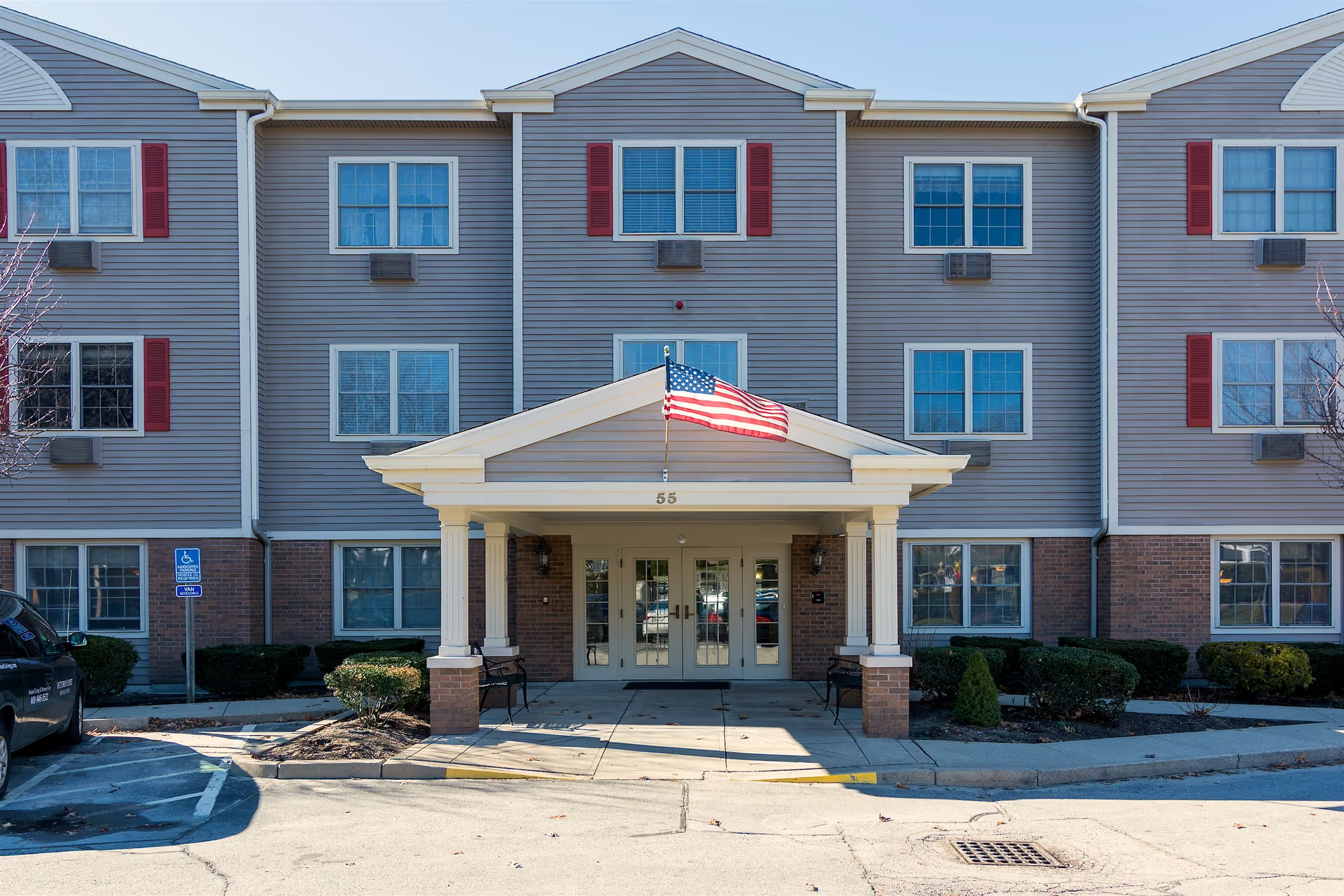
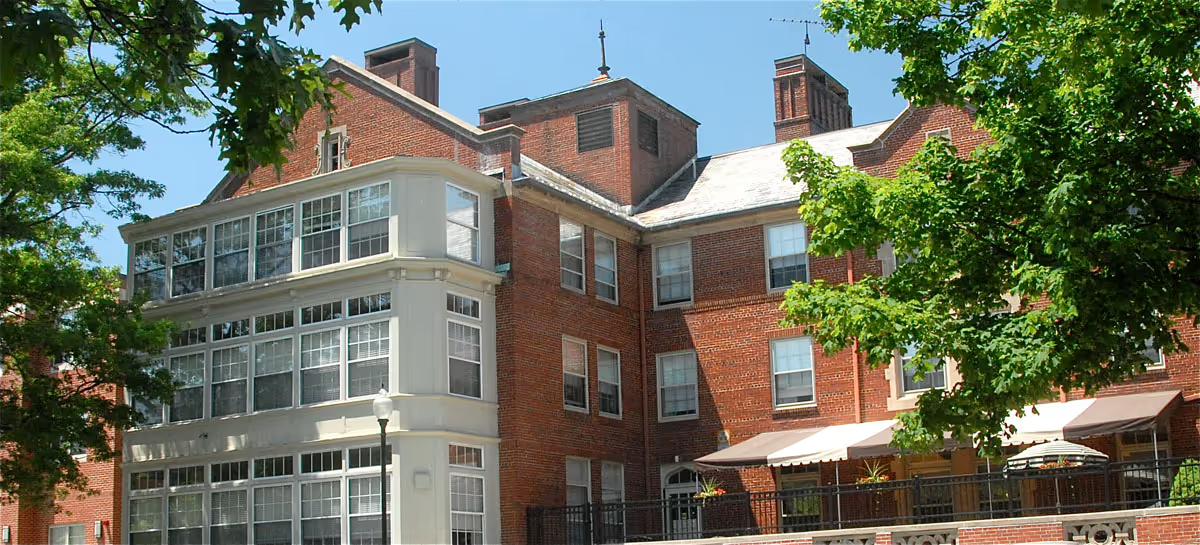
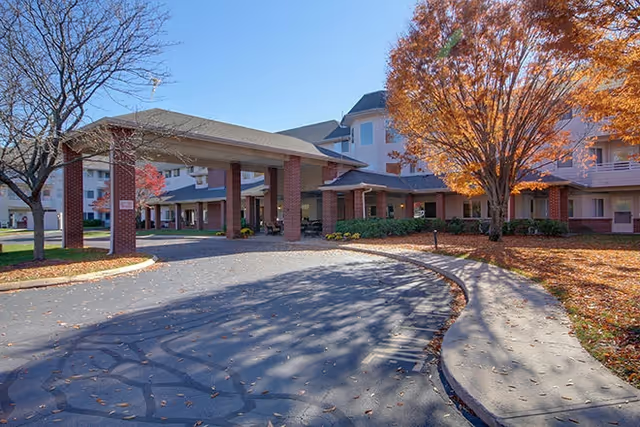
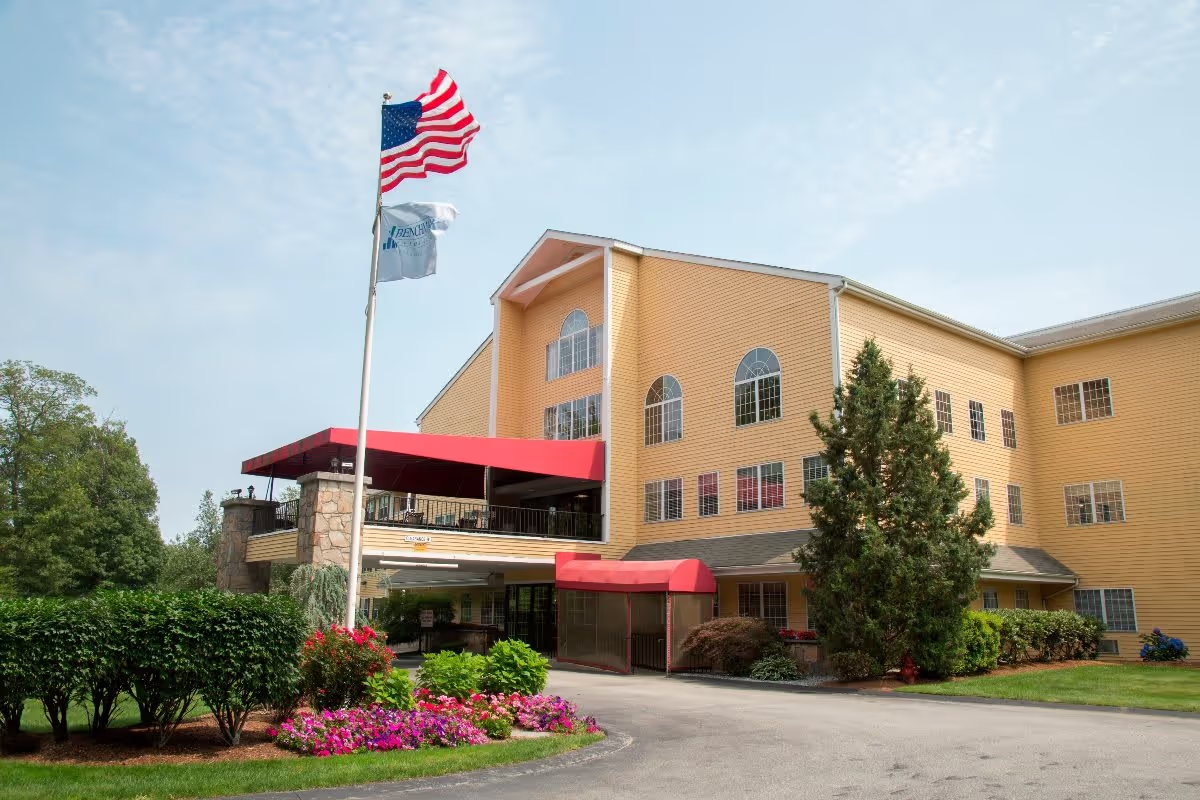
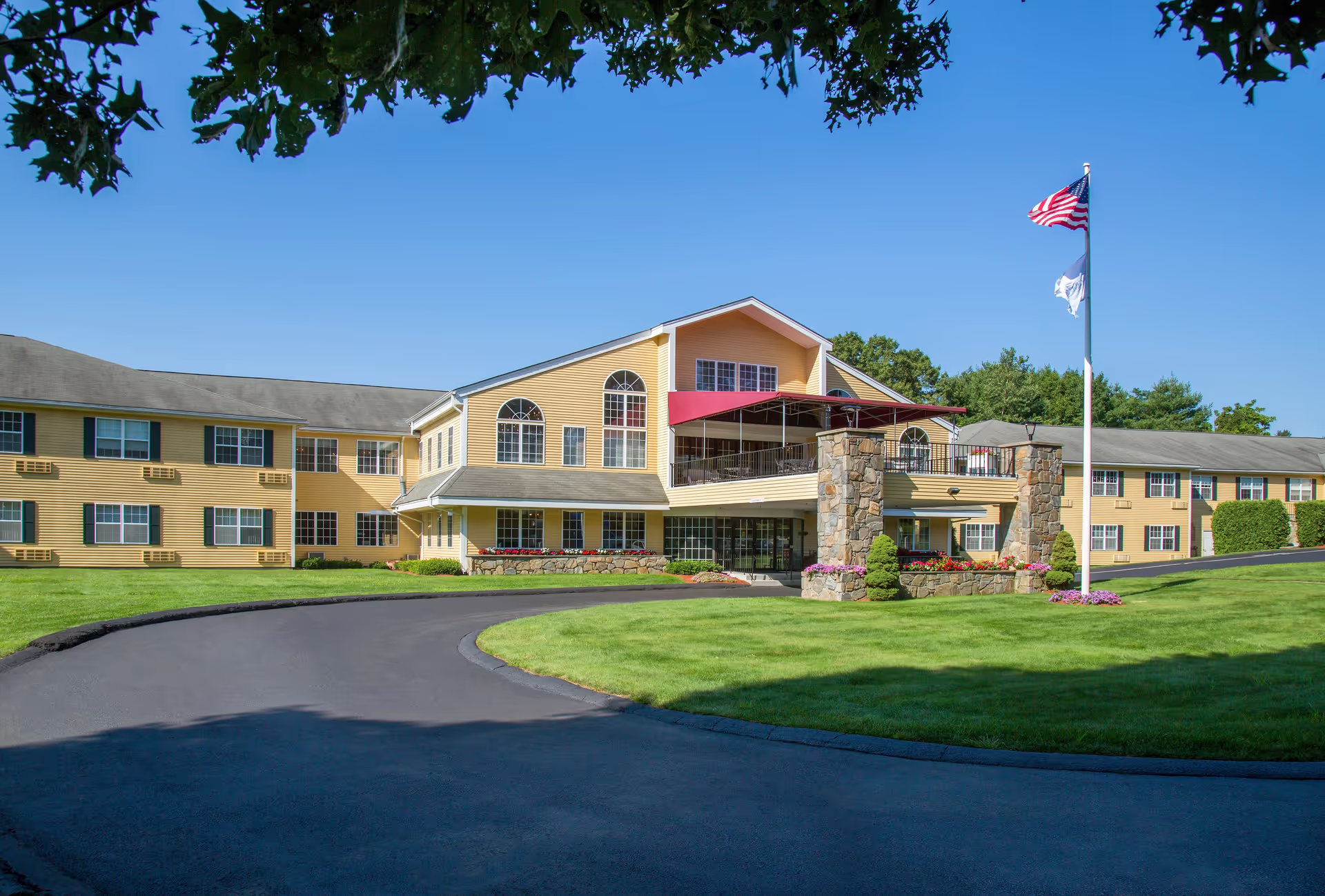
The Cedars presents a mixed but distinctive profile. Many families and residents praise the campus appearance, cleanliness of common areas, and attractive outdoor spaces. Housekeeping and dining areas are frequently described as well maintained and the facility atmosphere is often characterized as home-like. The facility is notable for a rehabilitation focus: physical and occupational therapy services receive repeated positive mention for helping residents regain function and mobility.
Staffing is a central strength and a central challenge. Numerous accounts describe compassionate, skilled nursing assistants, nurses, therapists, and support staff who provide attentive, comforting care and meaningful social interaction. At the same time, reviewers frequently note chronic understaffing, high patient-to-nurse ratios, and slow responses to nurse-call requests. These staffing pressures are linked to longer waits for basic assistance, delays in medication administration and therapy visits, and occasional confusion about care orders at the point of service.
Clinical operations show variability. Therapy services are often effective when delivered, with several families attesting to marked functional improvement. However, therapy scheduling and follow-through are inconsistent for some residents. There are documented concerns about medication-management processes and verification, including at least one account of a dosing error that resulted in an adverse event; reviewers also describe gaps in physician oversight and premature or unsafe-feeling discharges. Discharge planning communication and pre-discharge meetings are areas cited for improvement.
Dining and activities are generally viewed positively. The facility offers a large, sunny dining room, a variety of meals described as balanced, and an active calendar of social programming — from weekly entertainment to arts-and-crafts and outdoor spaces like a gazebo. That said, meal quality is described as variable by some families, ranging from satisfactory to inconsistent on different days.
Facilities and resident accommodations receive mixed feedback. Many note clean, pleasant interiors and spacious common areas; others call attention to smaller private rooms, shared rooms, and privacy issues related to room layout and noise (door slamming, staff offices adjacent to rooms). Maintenance responsiveness is inconsistent: some reviewers report delayed repairs or nonfunctional in-room equipment for extended periods. Additionally, resources for larger or bariatric residents — such as appropriately sized beds and equipment — are described as limited.
Management and communication are recurring themes in negative feedback. Families describe gaps in inter-staff communication, orders not being relayed to CNAs, and slow or absent follow-up from case managers and leadership. A small number of accounts reference unprofessional behavior and one account mentions regulatory involvement; there is also an allegation concerning documentation practices in an opt-out process. Cost is another consideration: the facility is described as expensive by some, with substantial out-of-pocket expenses depending on payer source.
Overall, The Cedars combines strong rehabilitation capability, engaged activity programming, and many examples of compassionate direct-care staff with operational weaknesses centered on staffing levels, communication, medication oversight, discharge planning, and maintenance responsiveness. Prospective residents and families who prioritize intensive rehab services and a well-kept campus may find the facility appealing; those for whom consistent staffing responsiveness, robust medication safeguards, predictable discharge planning, or bariatric accommodations are essential should seek clarifications from facility leadership and review current staffing and clinical protocols before admission.