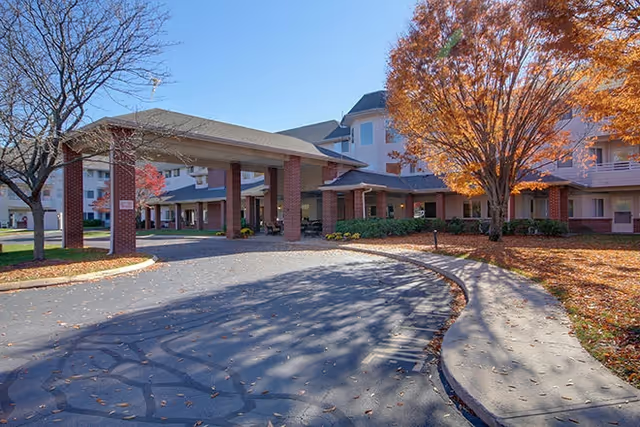
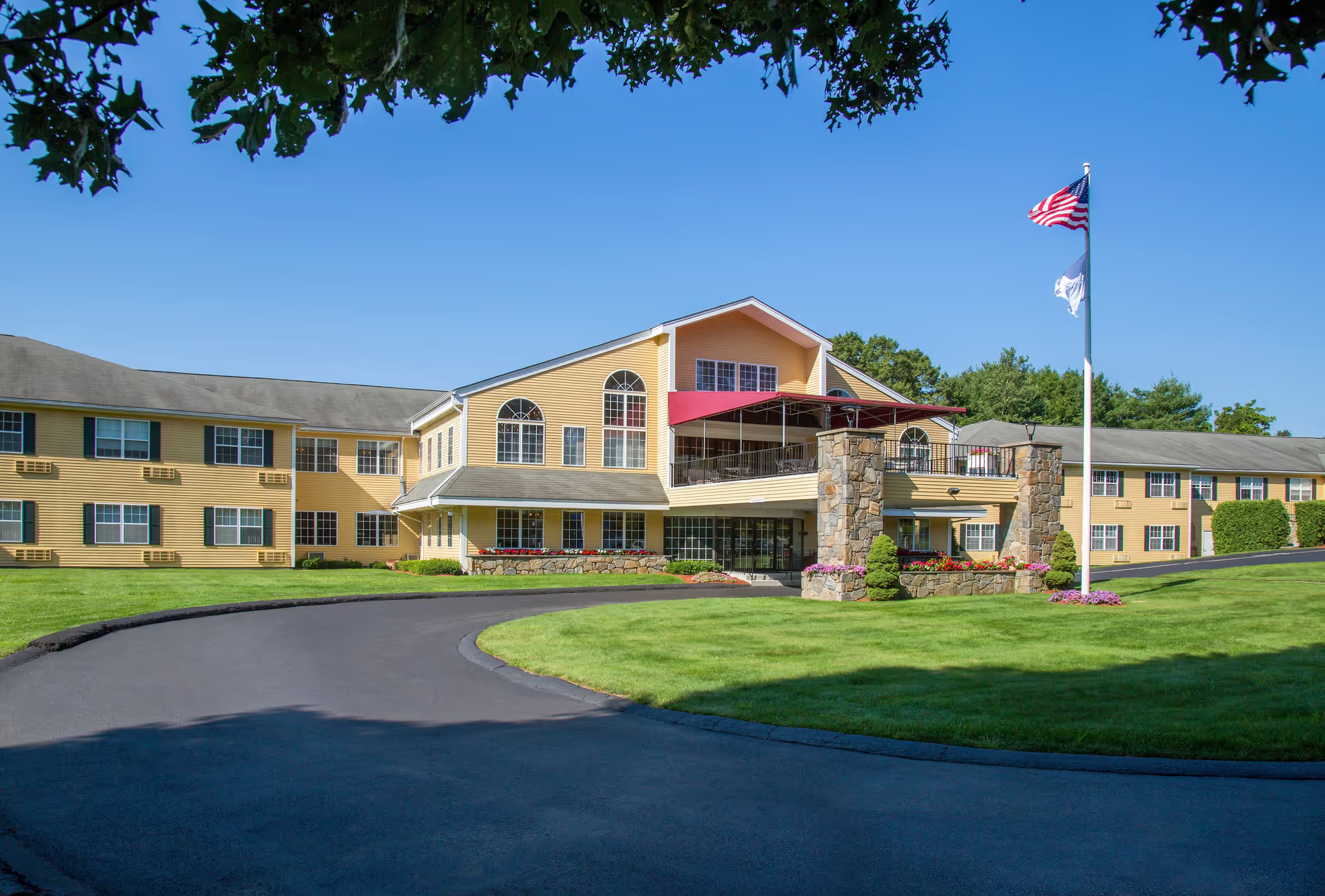
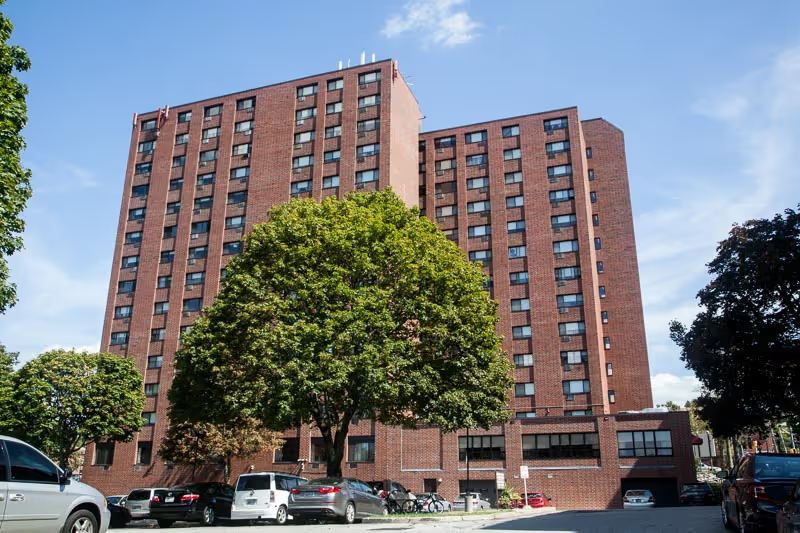
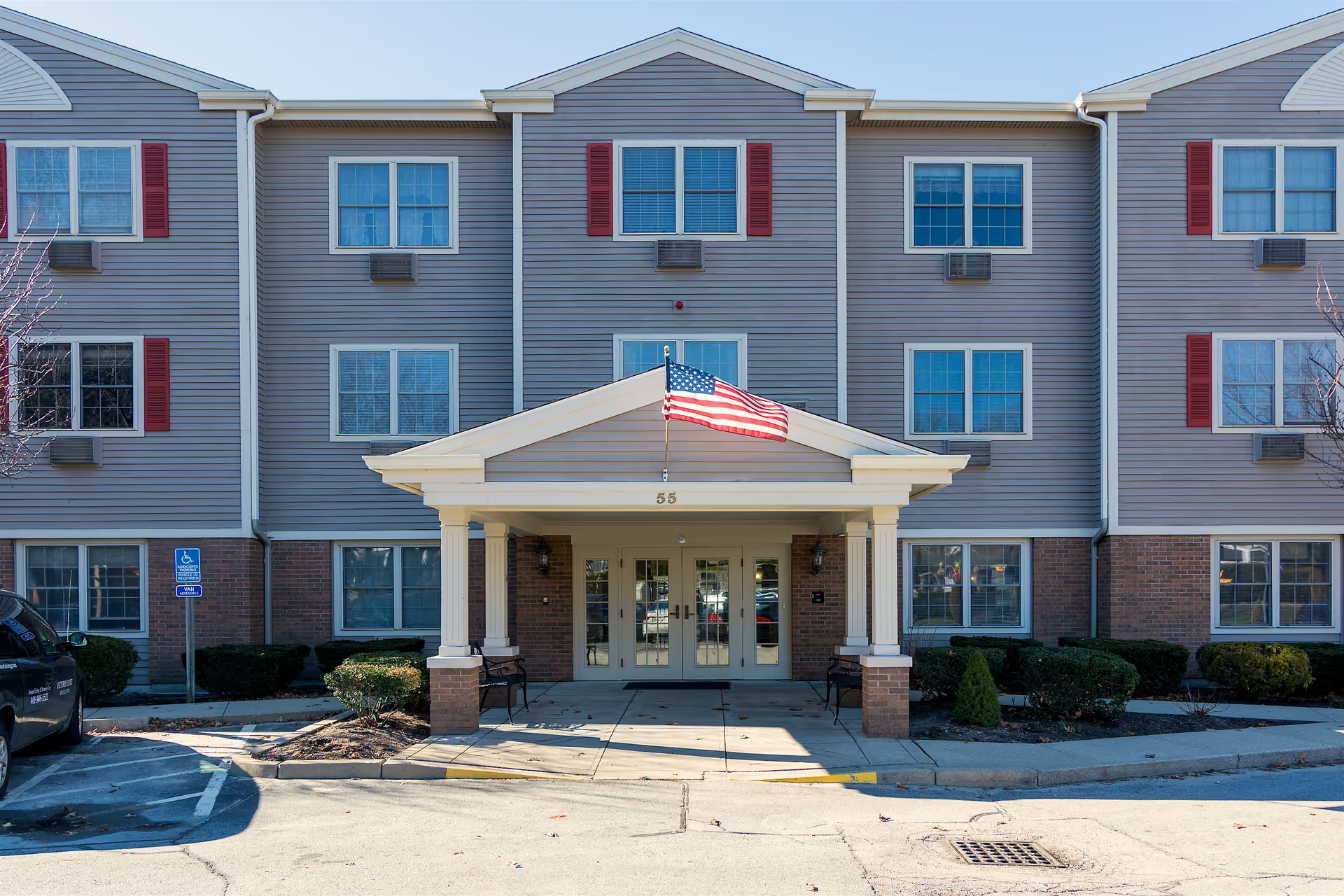
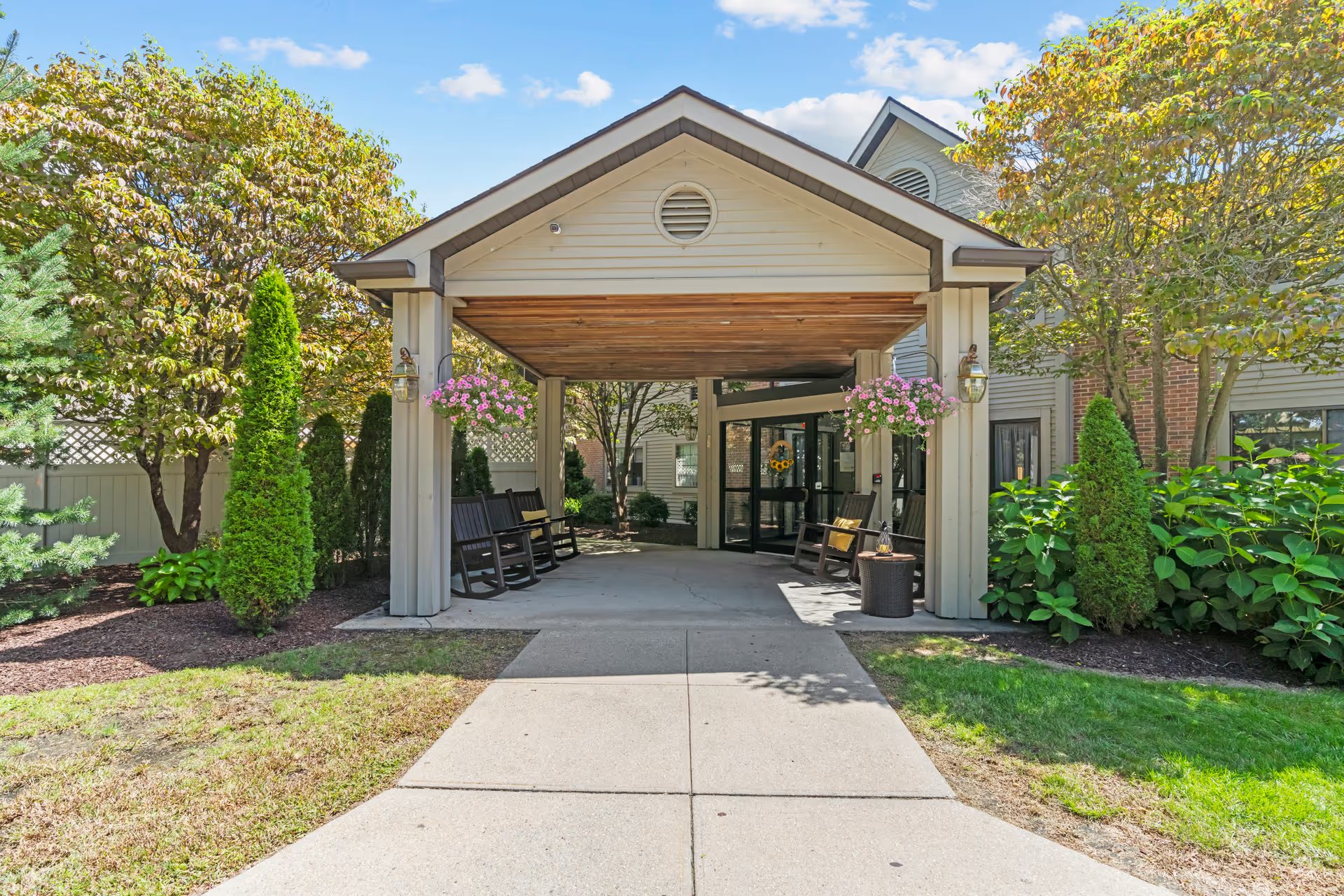
Cherry Hill Manor elicits a strongly mixed set of experiences. A substantial portion of reviewers praise the facility’s rehabilitation services, therapy staff, and many individual nurses and CNAs for compassionate, hands‑on care and effective recovery support. The therapy program, including a well-equipped gym and availability of seven‑day rehabilitation, is repeatedly cited as a core strength; families frequently attribute successful discharges and functional improvement to the PT/OT teams. The building, communal spaces, and housekeeping also receive frequent positive comments for cleanliness and a welcoming, home-like atmosphere.
At the same time, recurring operational concerns appear across reviews. Staffing levels and responsiveness are a prominent pattern: long waits for assistance via call lights and inconsistent availability of aides and nurses were commonly described. Related to staffing are issues with medication administration timing and controls; reviewers described delayed or mistimed medications and effects on residents’ participation in therapy. Several families raised concerns about clinical monitoring and escalation—examples include delayed recognition of medical deterioration and delays in obtaining or communicating test results. These patterns suggest variability in day-to-day clinical oversight and shift-to-shift consistency.
Communication and staff conduct present another area of variability. While many families praised individual staff members and administrators for clear, proactive communication and empathy, others described abrupt or dismissive tone, limited introductions by staff, and difficulty obtaining information from the nursing or office teams. There are also reports of front-desk unresponsiveness and occasional privacy/confidentiality concerns (including at least one alleged HIPAA issue). Billing, discharge planning, and payment-related pressure are recurring themes: some families experienced inflexibility or threats of expedited discharge when insurance or payment became uncertain.
Dining and personal-care experiences are mixed. Several reviewers complimented the kitchen and dietary staff and noted accommodating meal service, while others pointed to inconsistent food quality and slow adjustment of therapeutic menus (for example, diabetic diet concerns). Room configuration and privacy constraints in shared rooms were noted—small rooms, shared bathrooms, and ventilation issues reduced comfort for some residents. Laundry errors and misplacement of personal clothing were also mentioned as an operational shortfall.
Notable patterns for prospective residents and families: rehabilitation and therapy services at Cherry Hill Manor are a clear institutional strength and often produce good functional outcomes. However, experiences with routine nursing responsiveness, medication timing, communication, and some aspects of sanitation and personal-care logistics are variable. Outcomes appear sensitive to staffing on specific shifts and to which individuals are assigned to a resident. When evaluating the facility, families may benefit from asking targeted questions about staffing ratios by shift, medication-administration protocols and escalation pathways, dietary accommodations, laundry handling procedures, and the facility’s discharge and billing policies. Scheduling visits across different times of day and discussing the plan for clinical communication with named staff members can help set expectations and identify a reliable point of contact.