The reviews describe a facility with pronounced internal variability: several families report warm, compassionate caregivers, home-like décor, improved programming under new leadership, and a small-community feel that supports personalized attention. In those areas, reviewers consistently praise staff interactions, welcoming admissions practices, flexible visiting, homestyle meals, pleasant common spaces and an engaging activities program. Private-pay units are repeatedly described as having stronger décor, staffing ratios, and dementia-focused programming.
Counterbalancing the positive accounts are recurring operational concerns concentrated in other units. Key issues include inconsistent staffing levels (especially across payer streams), gaps in night clinical coverage on memory-care units, and uneven dementia-care training. These factors coincide with limited activity offerings in some parts of the building, a reliance on low-engagement options (for example, television and group games) rather than individualized therapies, and reports of inadequate access to OT/PT in certain cases. Families also expressed concerns about medication-management processes and responsiveness when residents need assistance.
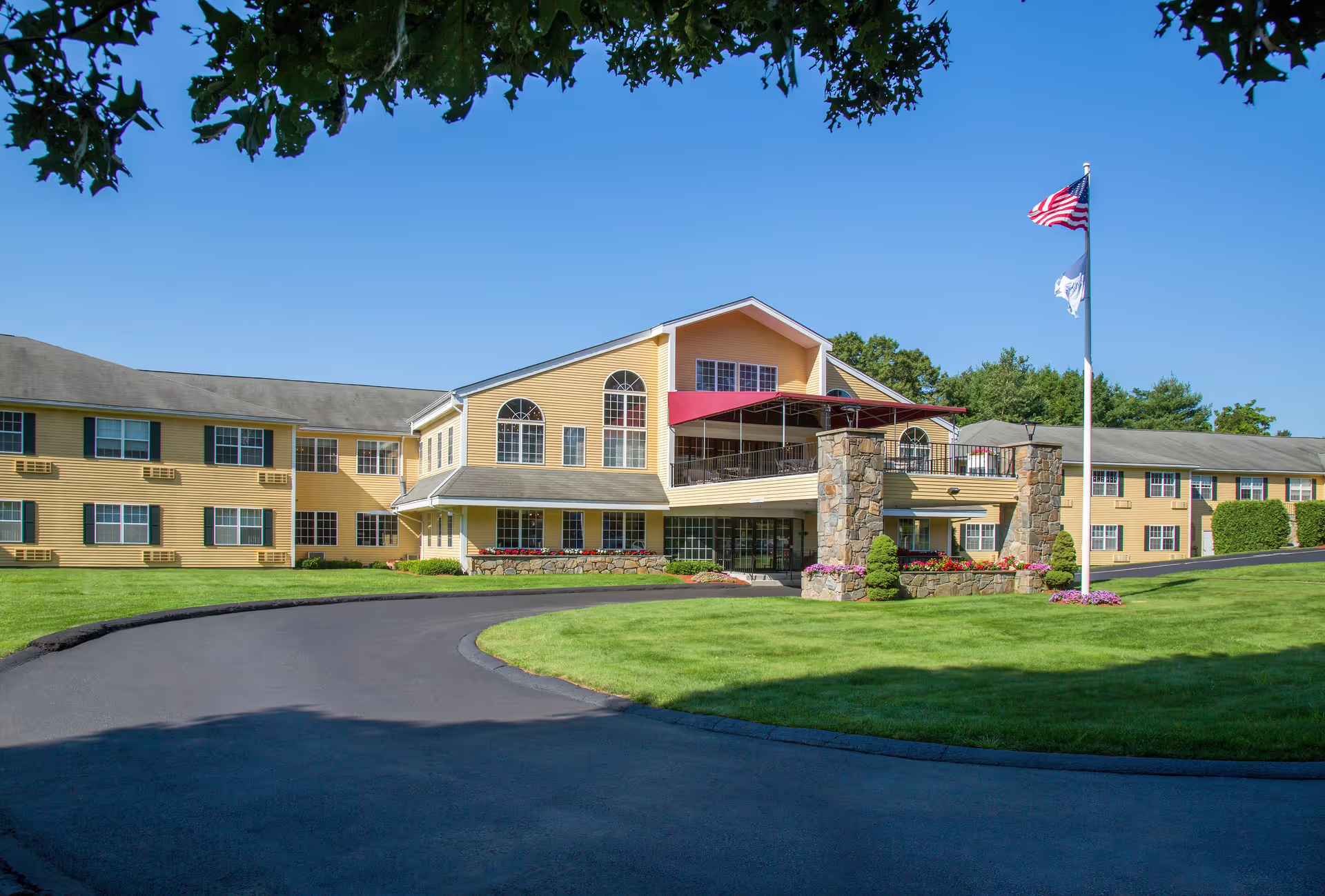
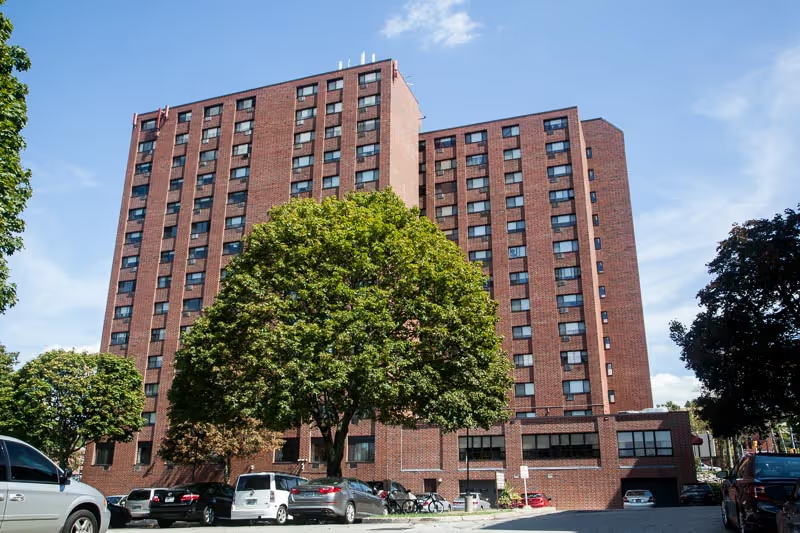
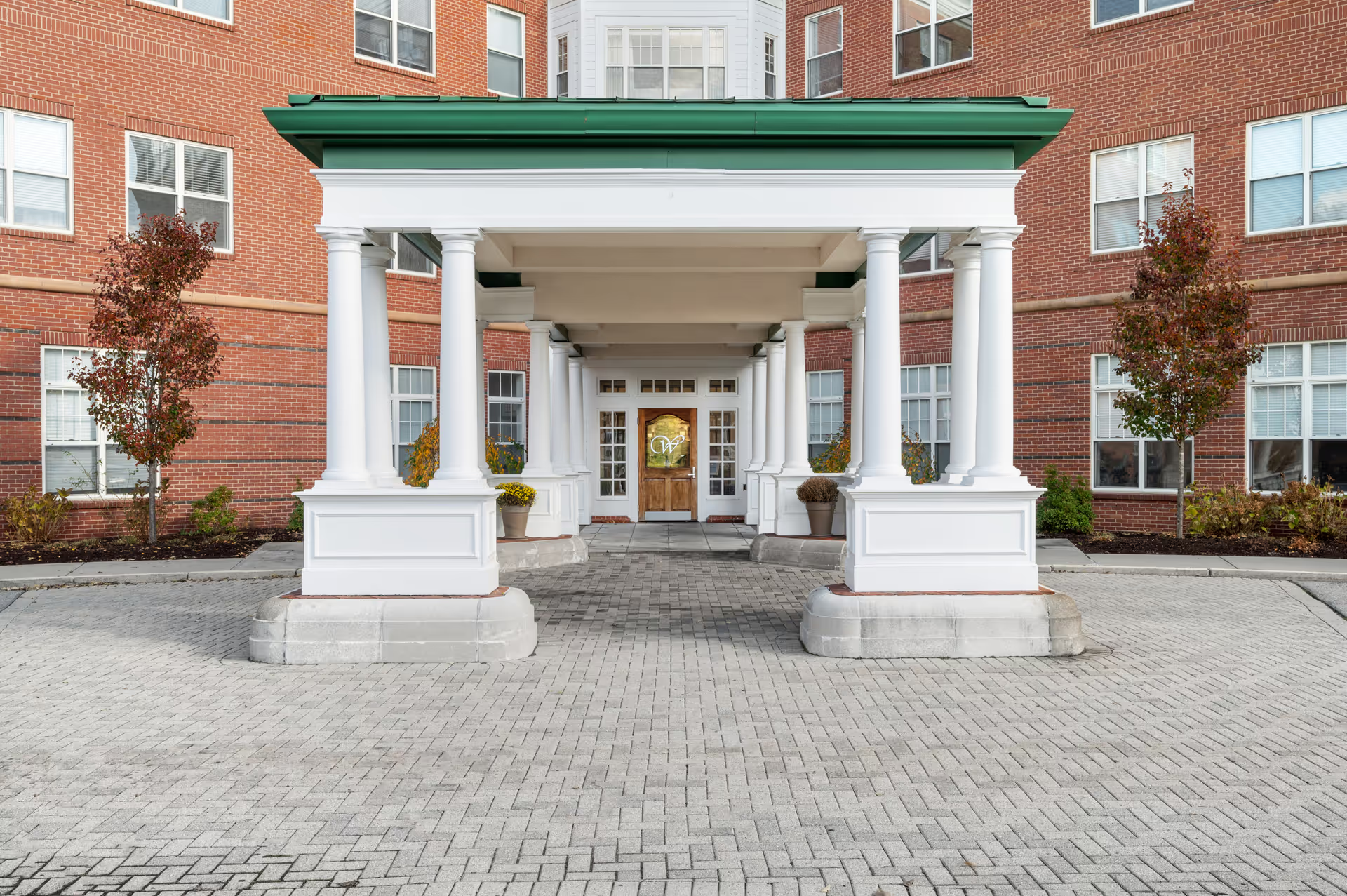
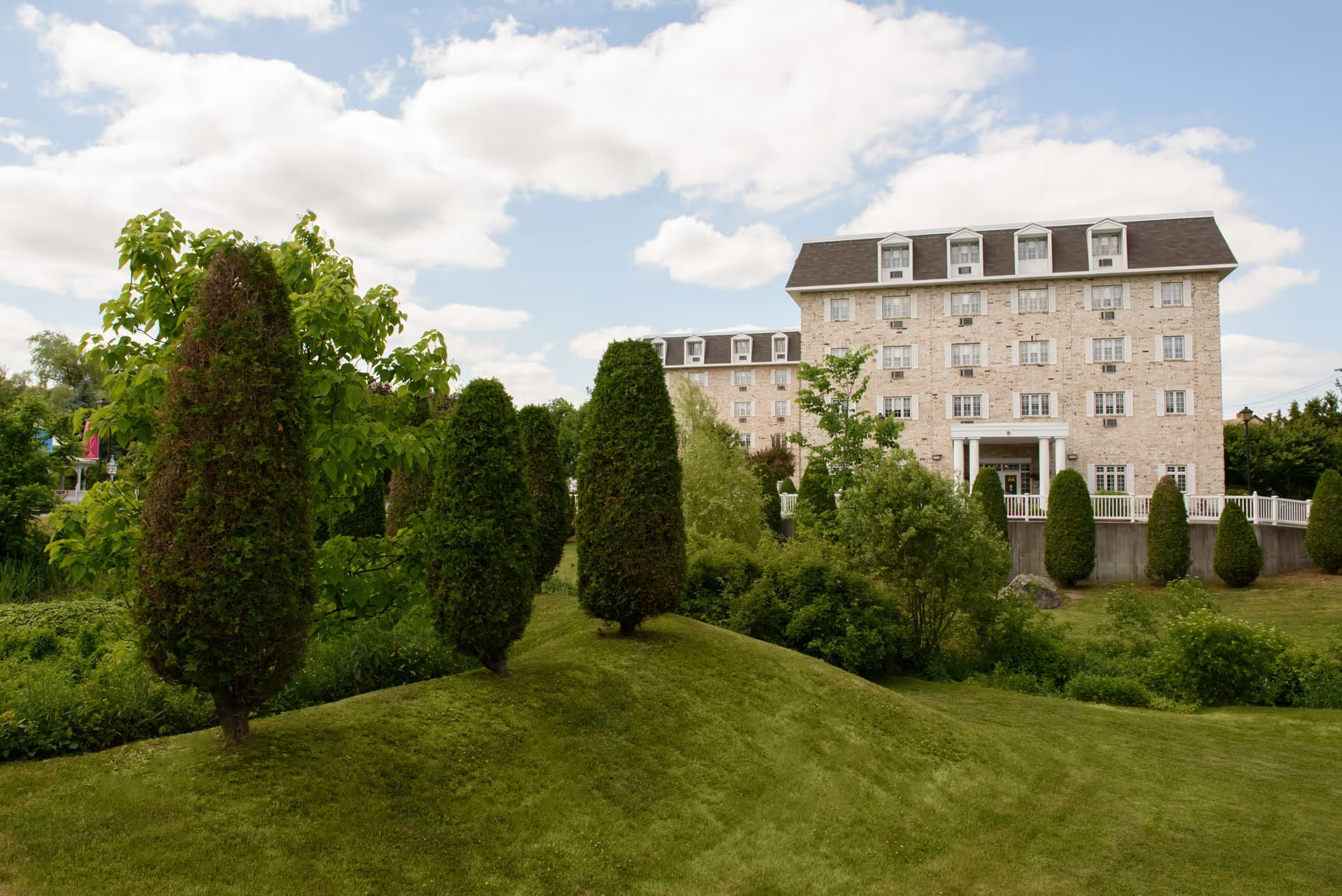
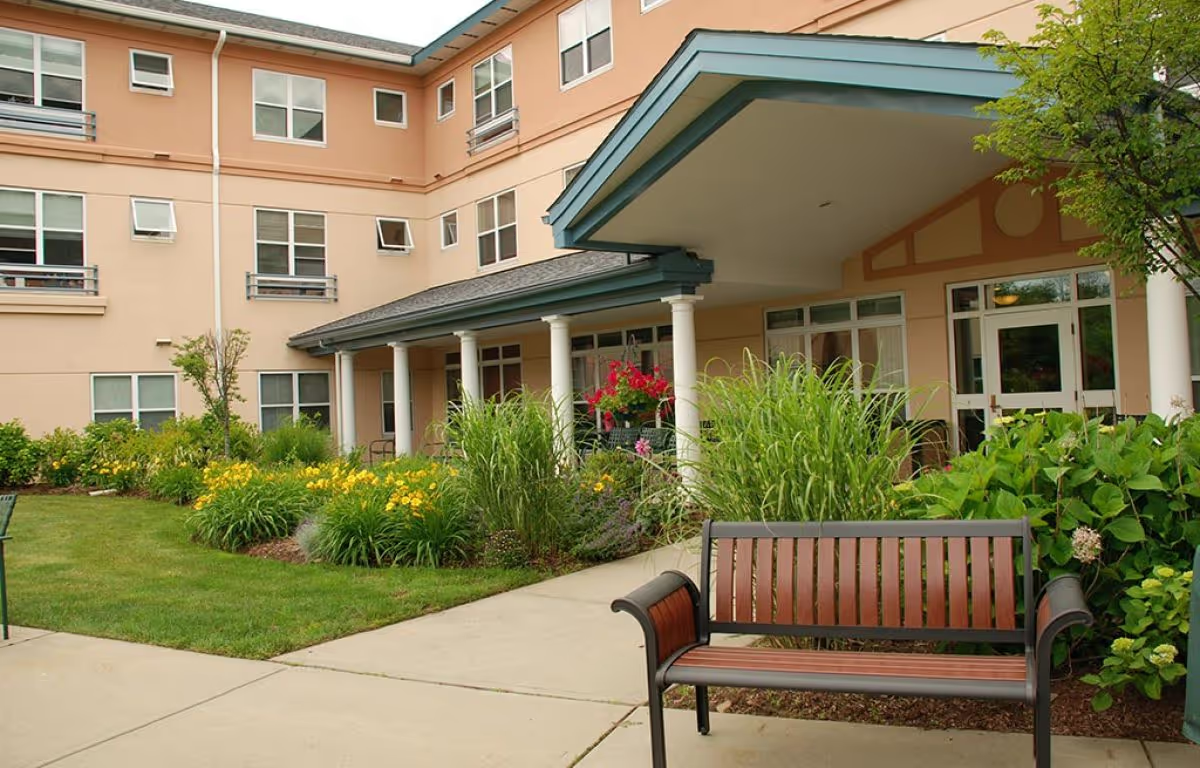
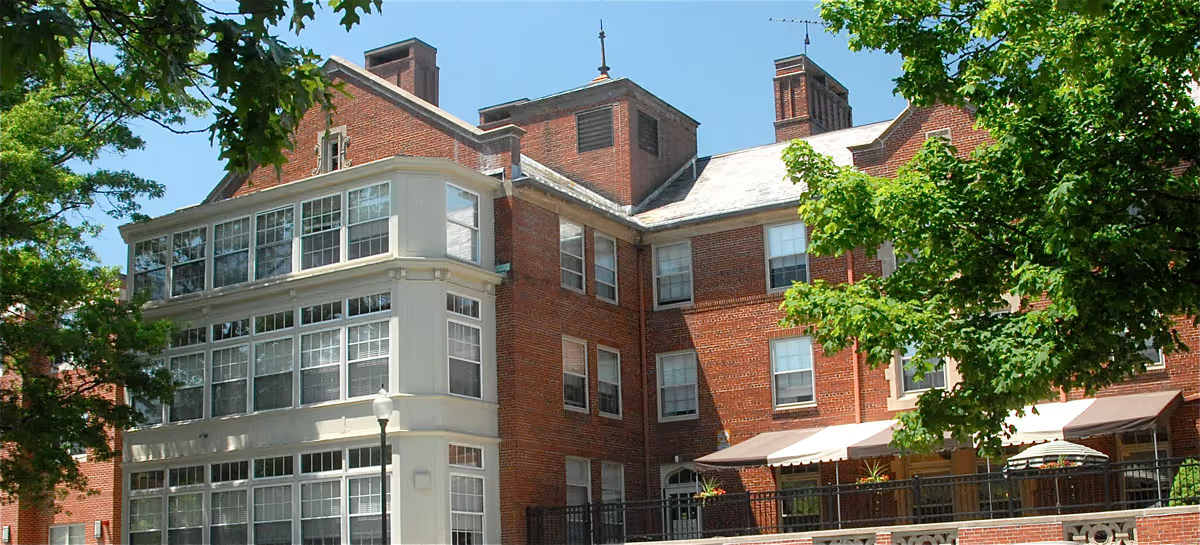
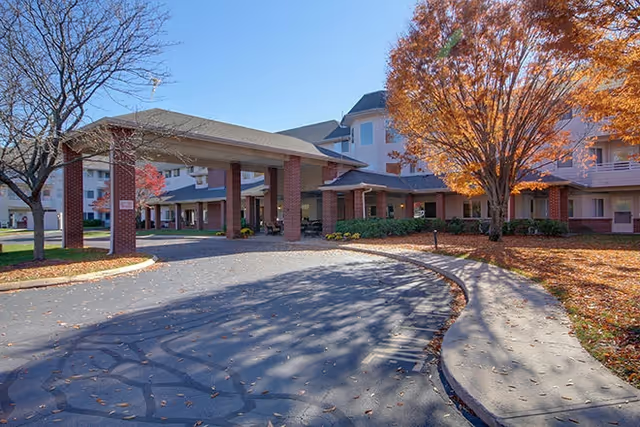
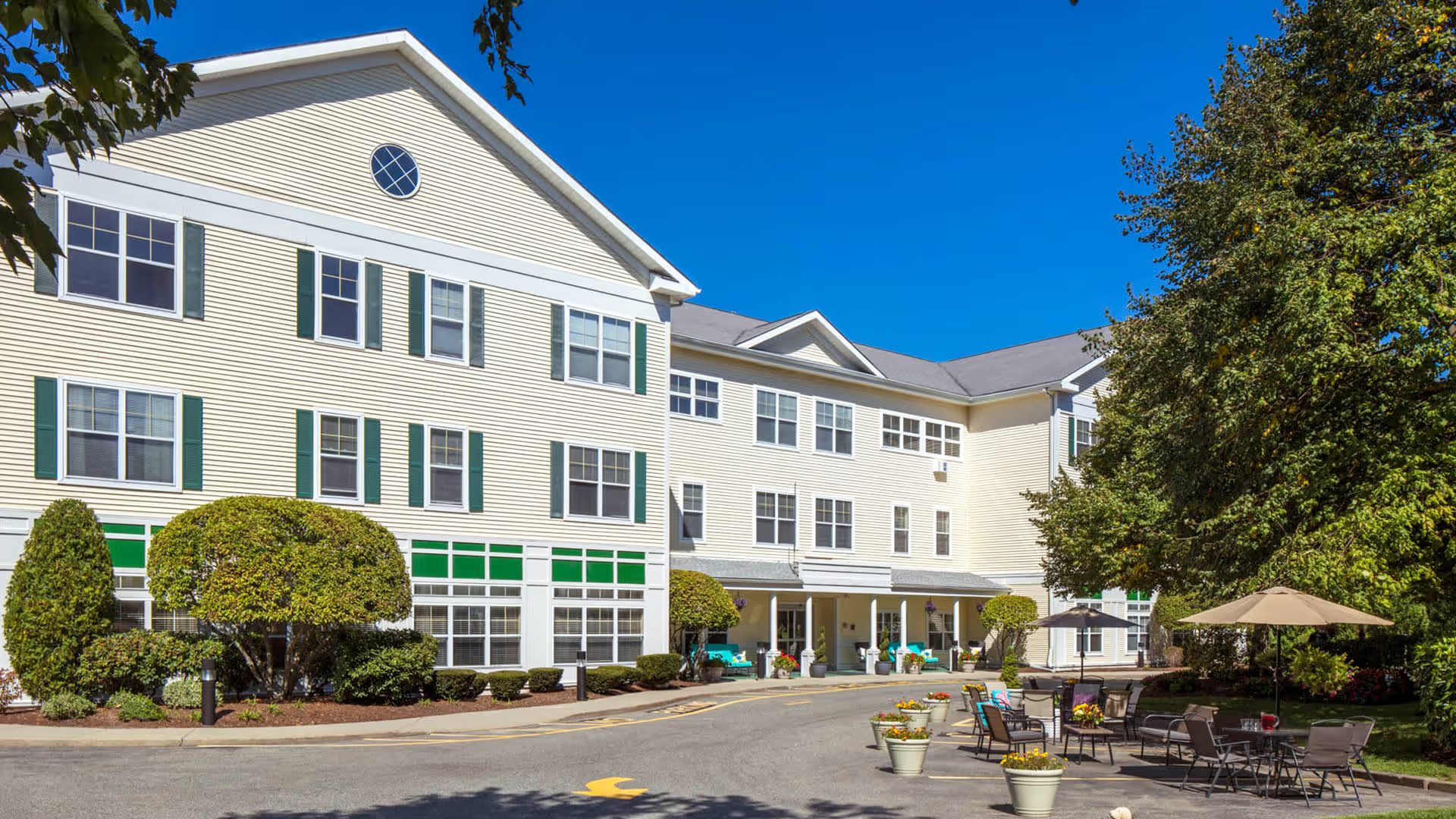
Facility condition and safety received mixed assessments. Positive comments note attractive, recently updated areas, a pleasant courtyard, and a warm interior atmosphere in better-maintained sections. Conversely, others described maintenance shortcomings: broken fixtures, small windowless rooms, limited natural light, and room layouts that feel cramped. Some reviews raise safety and emergency-preparedness concerns tied to corridor clutter and storage practices that could impede evacuation. Sanitation issues and localized odor concerns were cited, along with mentions of pest-control and food-storage problems.
Management and communication emerge as a significant pattern of variability. Several families credit specific administrators and front-line leaders with responsiveness, proactive family communication, and helpful transition support. At the same time, other families describe difficulty reaching administration, delayed or unclear answers during admissions and billing, and inconsistent follow-through on promises. There are also concerns about inequitable resource allocation by payer status; reviewers perceived a clear difference in attention and amenities between private-pay and Medicaid-designated units.
For prospective residents and families, the most salient takeaway is the facility’s heterogeneity: high-quality, compassionate care and a pleasant environment appear achievable in certain units and under particular leadership, while other areas demonstrate operational weaknesses that affect cleanliness, activities, clinical coverage, and communication. Visiting multiple times, touring the specific unit under consideration, asking about nighttime clinical coverage, dementia-care training, activity schedules, maintenance plans, and recent corrective actions, and checking references for the particular unit and leadership team will help families assess whether the observed strengths apply to the unit they would enter.