Reviews for Berkshire Place Nursing and Rehabilitation Center are polarized, with clear strengths in direct care and rehabilitation but notable and recurring operational weaknesses. Many accounts describe skilled, compassionate registered nurses, nurse practitioners, therapists and CNAs who facilitate significant short-term rehab gains and provide warm, family-like support. At the same time, a pattern of inconsistent practices across shifts and units appears: clinical processes, staffing quality, and environmental conditions vary substantially between areas of the facility.
Care and staff: Direct-care teams (RNs, CNAs and therapists) receive frequent praise for attentiveness, rehabilitation effectiveness, individualized encouragement and daily assistance. Several families cited meaningful mobility improvements and positive therapeutic outcomes. However, reviewers also noted inconsistent clinical processes: medication-administration controls and medication availability are uneven, handoffs and responsiveness can be delayed, and the quality of care often depends on which staff or shift is on duty. There are also repeated concerns about the tone of staff–family communication and workplace conduct in administrative areas.
Dining and activities: The facility offers an active program of engagement — arts and crafts, bingo, live music, pet visits and daily exercises — that many residents find beneficial. The kitchen is described as accommodating in some cases, producing large, home-style portions and flexible meal service. Conversely, meal quality and temperature control are inconsistent across reviews, with complaints about bland, frozen or carbohydrate-heavy offerings in some instances. Families with dietary sensitivities (for example, diabetes) may want to confirm menu modifications and supervision during meals.
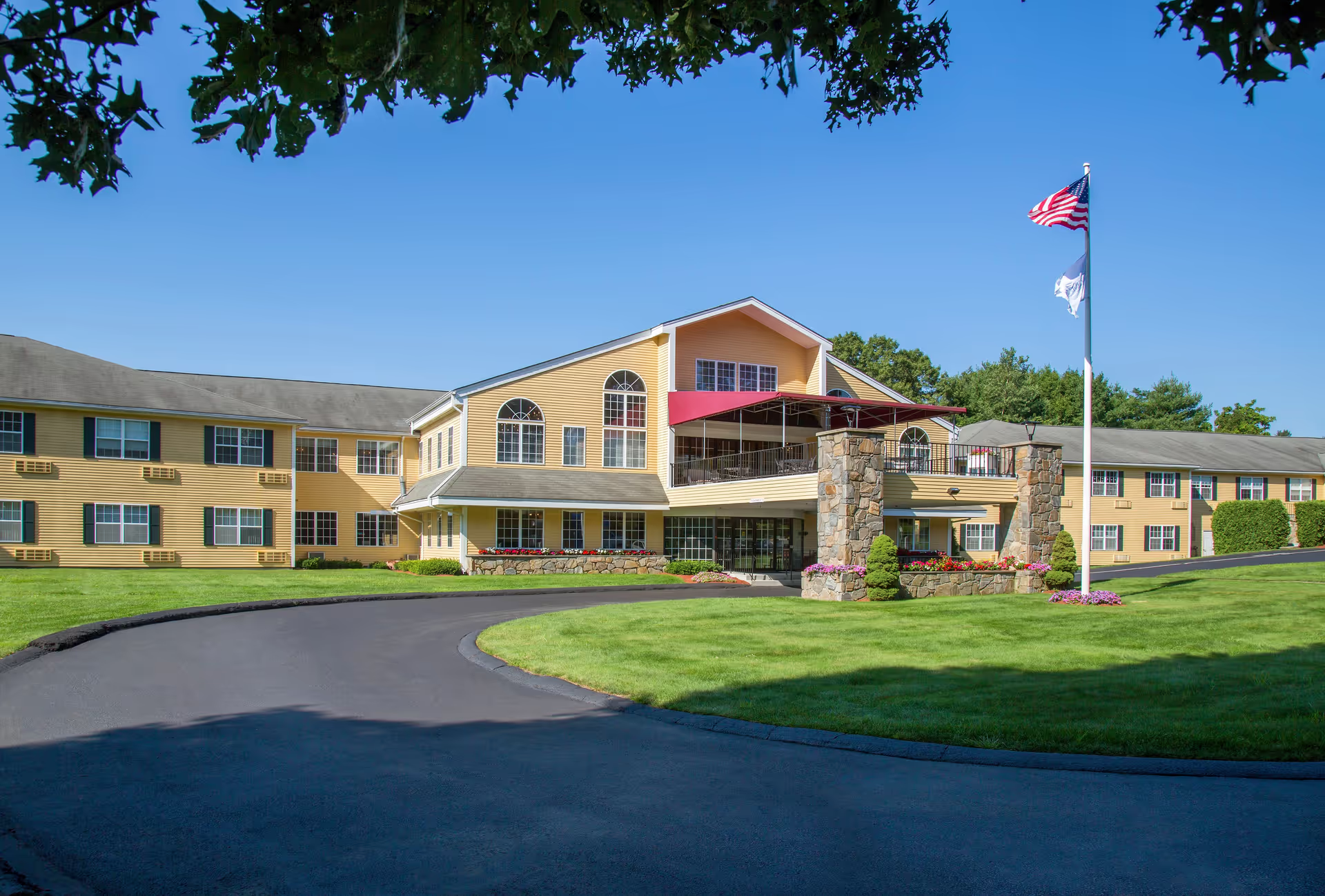
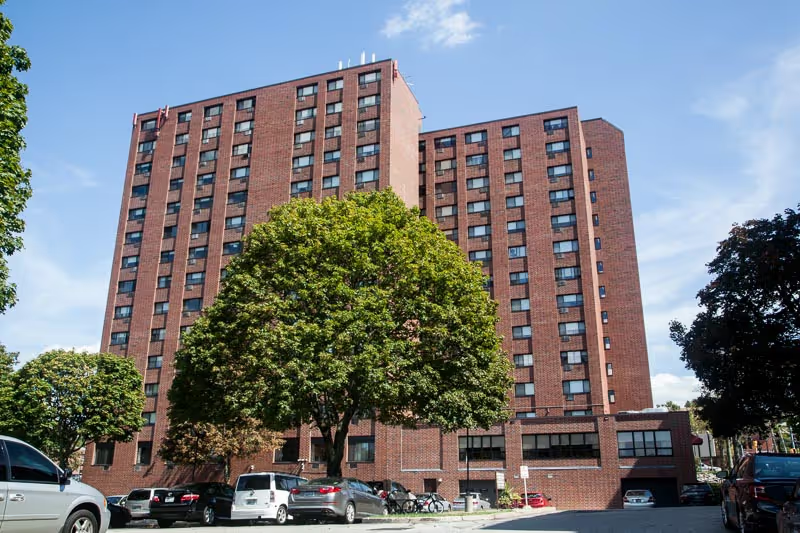
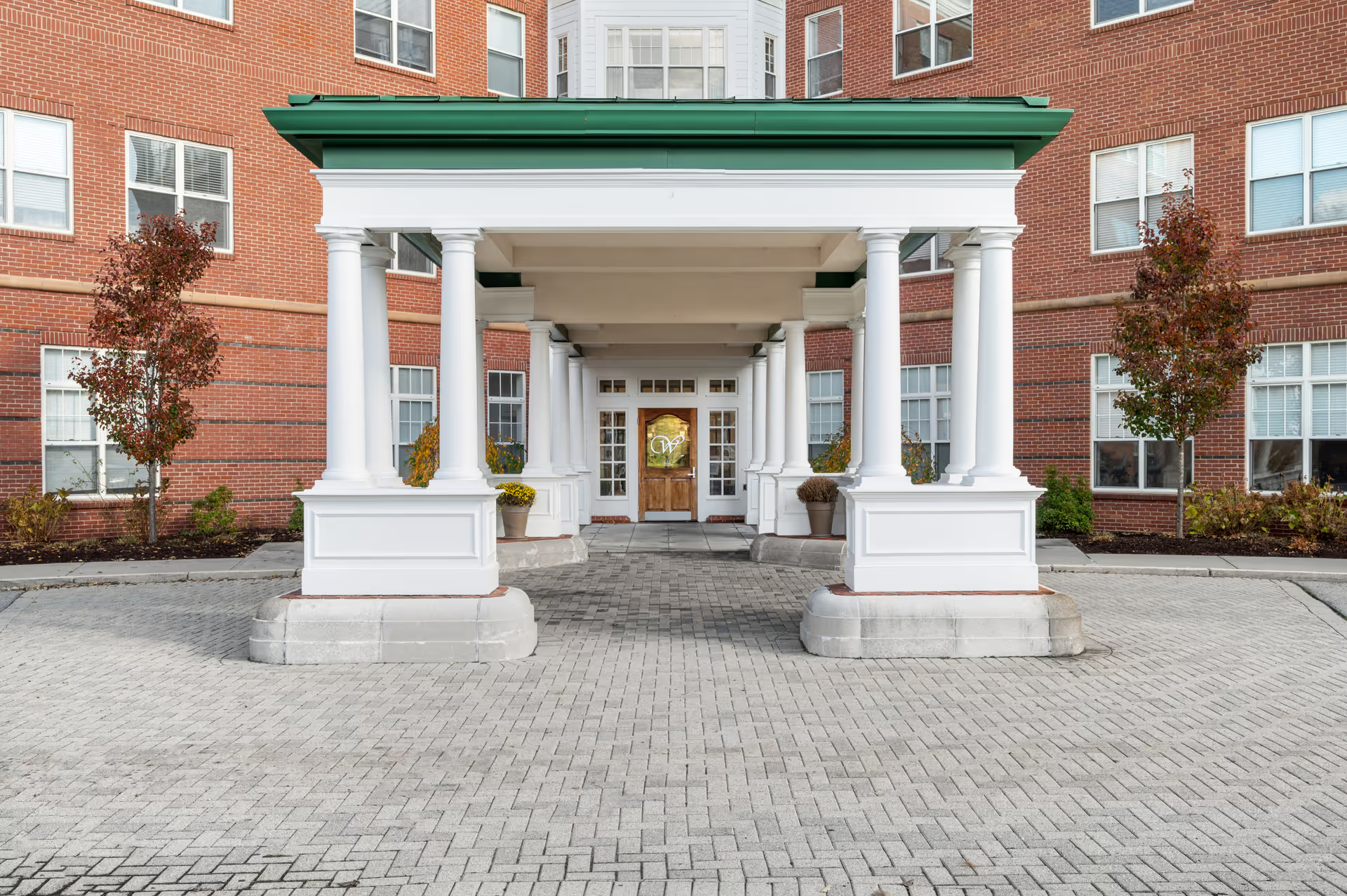
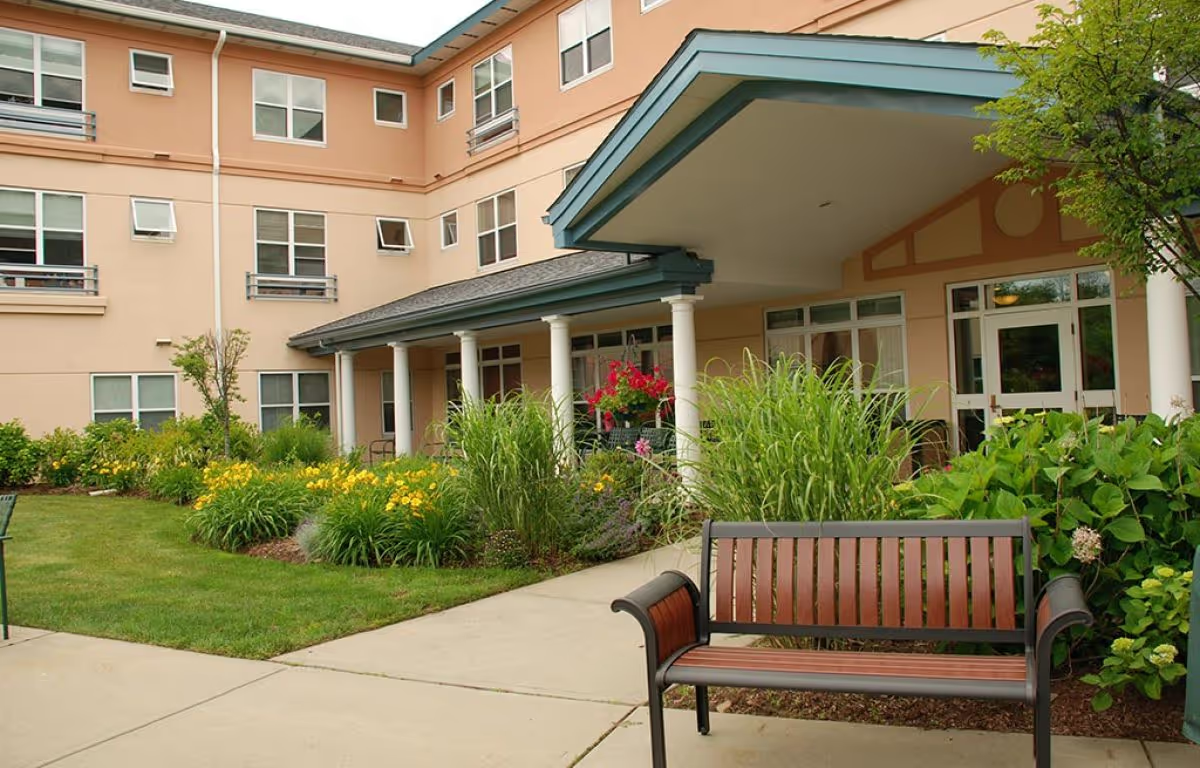
Facilities and sanitation: Several reviewers described clean, comfortable rooms and well-maintained communal spaces, while others documented hygiene and maintenance concerns in particular units: surface cleanliness inconsistencies, odor concerns, visible maintenance issues, and pest-control worries. Operational issues such as in-room telephone outages and uneven housekeeping coverage were also cited. These observations point to variability in environmental standards rather than a uniform facility condition.
Management and operations: A recurring theme is variability tied to leadership, staffing mix and administrative responsiveness. Reviewers describe turnover, perceived weak accountability at leadership levels, and problematic front-desk or office interactions that affect family experience. Operational consequences include lost personal items or laundry, inconsistent admission and placement practices, and uneven enforcement of safety and fall-prevention protocols. Several accounts also raise concerns about admissions screening and placement decisions.
Notable patterns and guidance: The overall picture is of a facility with strong clinical and therapeutic capabilities in many units but with persistent operational gaps that can materially affect resident experience. Prospective residents and families should assess unit-level consistency and ask targeted questions about medication-administration procedures, agency-staffing frequency, fall-prevention plans, housekeeping/pest-control schedules, meal modification policies, property-management protocols, and avenues for family communication and complaint resolution. Observing a mealtime, requesting recent staffing ratios for the specific unit, and speaking with the therapy team about expected outcomes can help set realistic expectations and identify whether a particular unit aligns with a resident's needs.