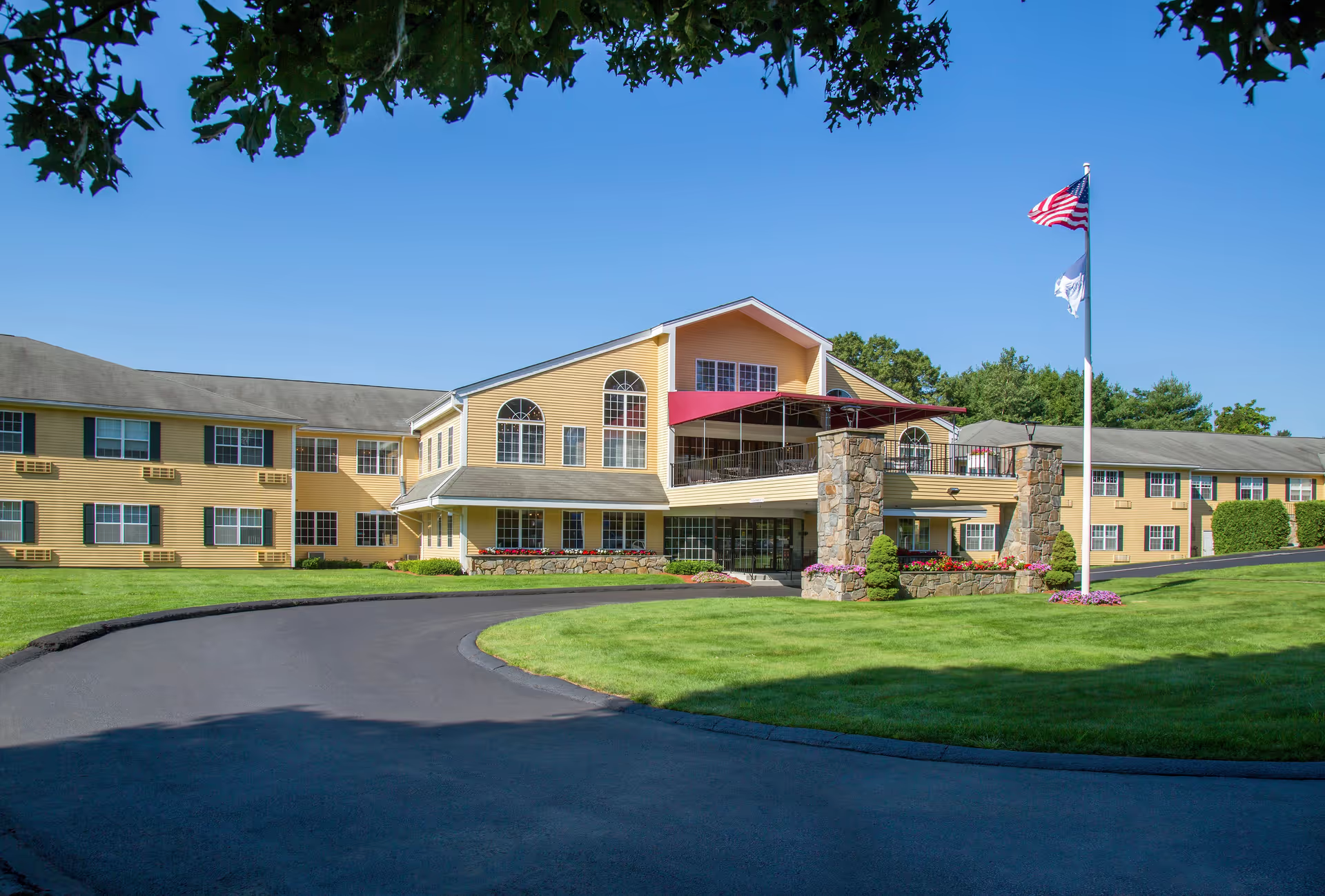
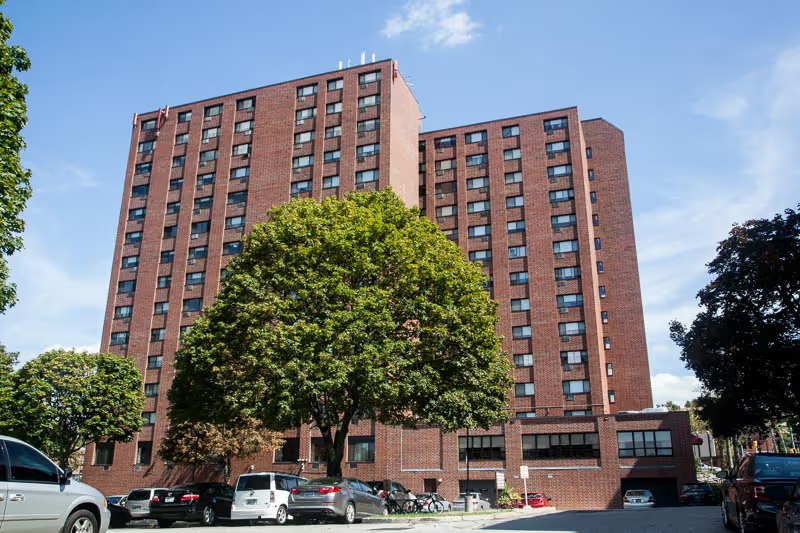
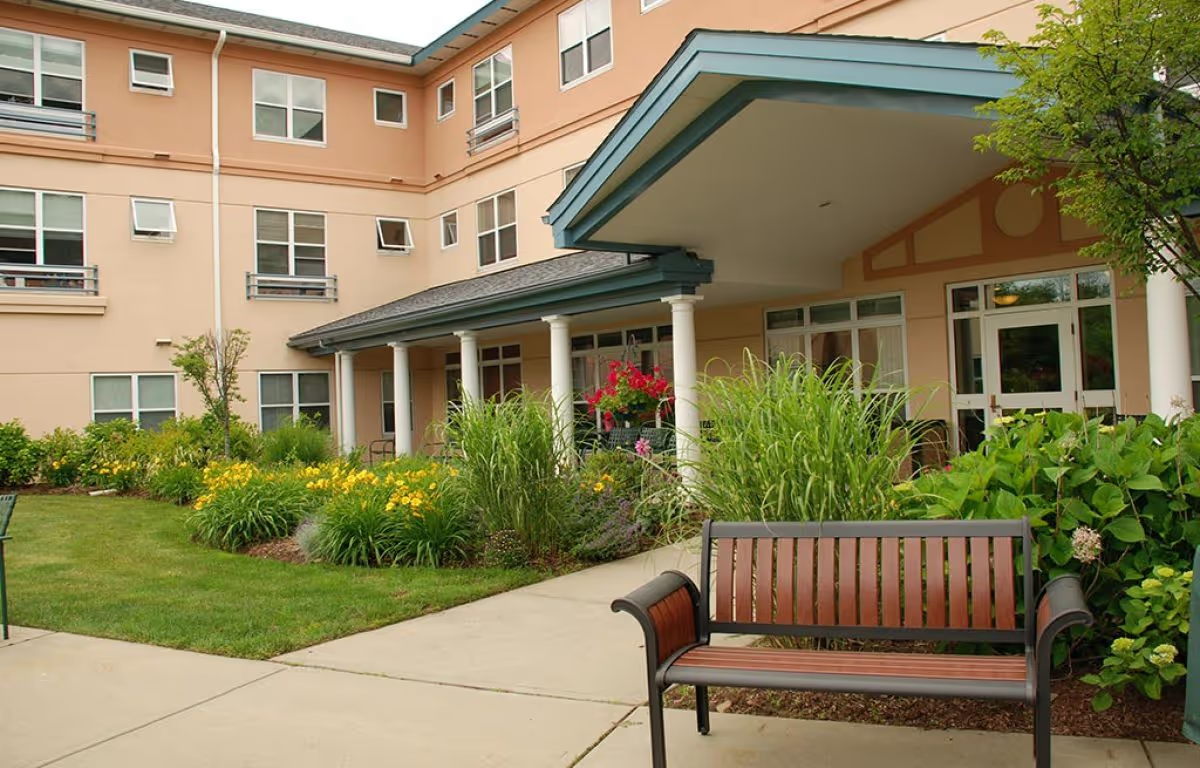
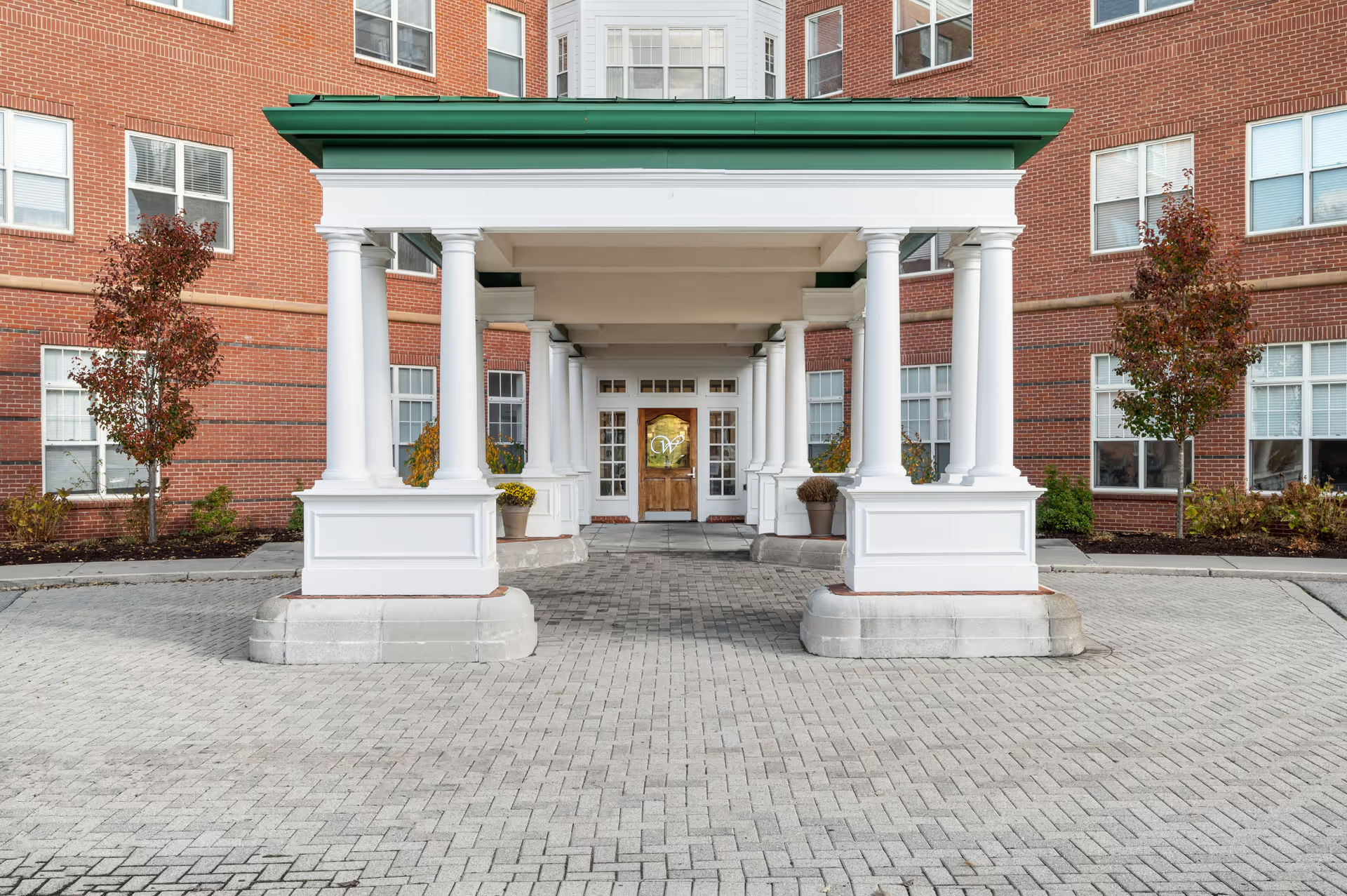
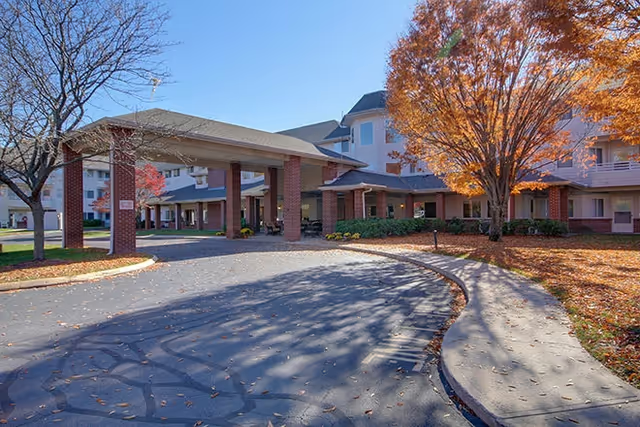
Overview Elmhurst Rehabilitation & Healthcare Center elicits a wide range of experiences. The facility offers a well-equipped rehabilitation program, a renovated and attractive physical environment, and numerous amenities that families value. Many accounts highlight effective physical and occupational therapy, engaged activity programming, helpful admissions and social-work staff, and nursing aides who provide compassionate hands-on care. The campus, grounds, therapy gym, and single-room options are frequently described as strengths that support recovery and resident wellbeing.
Care and staff Clinical and hands-on care is described unevenly. Several families emphasize skilled therapists, dedicated CNAs, and nurses who go above and beyond; these staff members are credited with significant functional gains and comfortable transitions home. At the same time, persistent understaffing—notably during nights, weekends, and certain shifts—appears to create variability in responsiveness and continuity. Common operational effects include delayed assistance with toileting and repositioning, slower call-bell response times, occasional delays in medication or oxygen-related tasks, and inconsistent handoffs between shifts. Communication quality varies by unit and by individual staff; admissions and social-work personnel are frequently praised while some families describe difficulty getting timely clinical updates.
Dining and nutrition Dining receives mixed feedback. Some families report restaurant-quality, personalized meals and an involved dietitian, whereas others describe bland or repetitive menus, temperature and portion inconsistencies, and interruptions during mealtimes that affect intake. Pureed menu repetition and limited weekend options are recurring themes. Sanitation practices in food service are raised as a concern in some accounts, including instances of uncovered trays or handling issues; these comments point to a need for consistent food-safety oversight.
Activities and therapies Activity programming and therapy services are commonly cited as highlights. Organized events, social activities, and a proactive therapy team contribute positively to residents’ social engagement and rehabilitation outcomes. The therapy gym and supervised sessions are frequently noted as effective for restoring mobility and independence. A few comments indicate variability in frequency of one-on-one therapy and scheduling constraints tied to staffing and resident acuity.
Facilities and infection control Physically, Elmhurst is often described as clean, modern, and well-maintained; many reviews praise the renovated rooms, terraces, and landscaped grounds. However, there are recurring operational concerns related to sanitation and pest control in specific areas, occasional odor reports, and maintenance interruptions during remodeling. A subset of accounts raises infection-control worries and references clinical infection events; these highlight the importance of clear protocols and timely remediation when lapses occur.
Management and patterns to consider Administrative strengths include accessible admissions staff, responsive business-office support, and a visible leadership presence noted by some families. Conversely, several reviewers link a change in ownership/management to declines in consistency, staffing stability, and communication. Financial and billing interactions are sometimes described as stressful, and some families report difficulty getting complaints fully resolved. Across the dataset there is a bipolar pattern: many high-satisfaction rehab and short-stay successes coexist with serious operational complaints about staffing, responsiveness, sanitation, and communication.
Practical takeaways Prospective residents and families should weigh the facility’s strong rehabilitation resources and renovated environment against documented variability in staffing, responsiveness, and operational consistency. Recommended questions when touring or considering admission: current staff-to-resident ratios on the unit and at night/weekends; average call-bell response times and escalation procedures; infection-control and pest-management protocols; typical meal schedules and flexibility for therapeutic diets; roommate-assignment policies; and how clinical incidents and family communications are handled and documented. Asking for recent quality metrics, inspection reports, and names of unit leaders can help gauge whether the positive practices highlighted in many accounts are consistently applied across shifts and units.