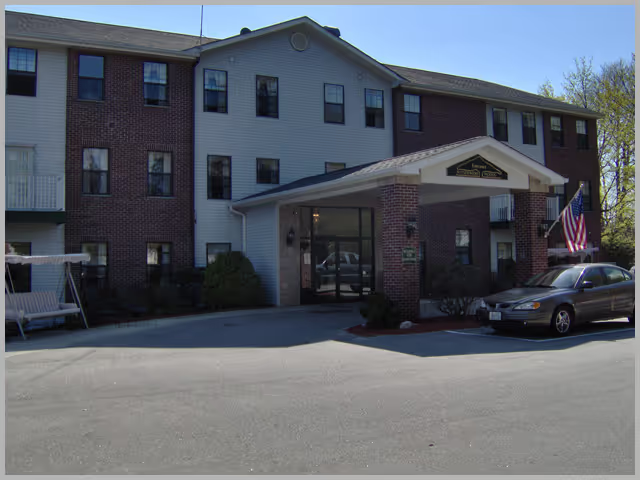
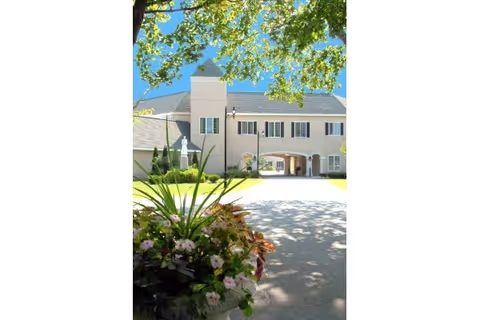
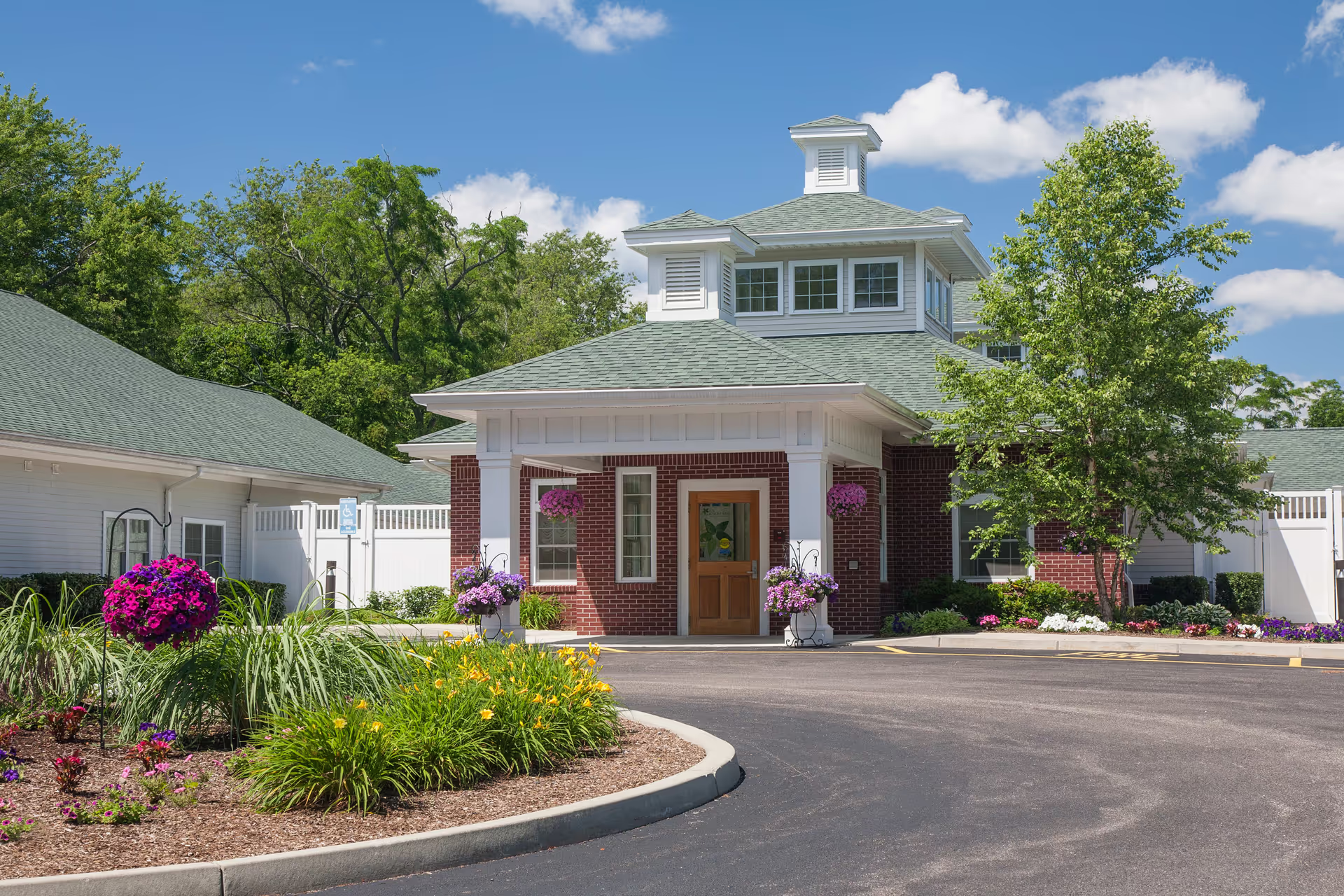
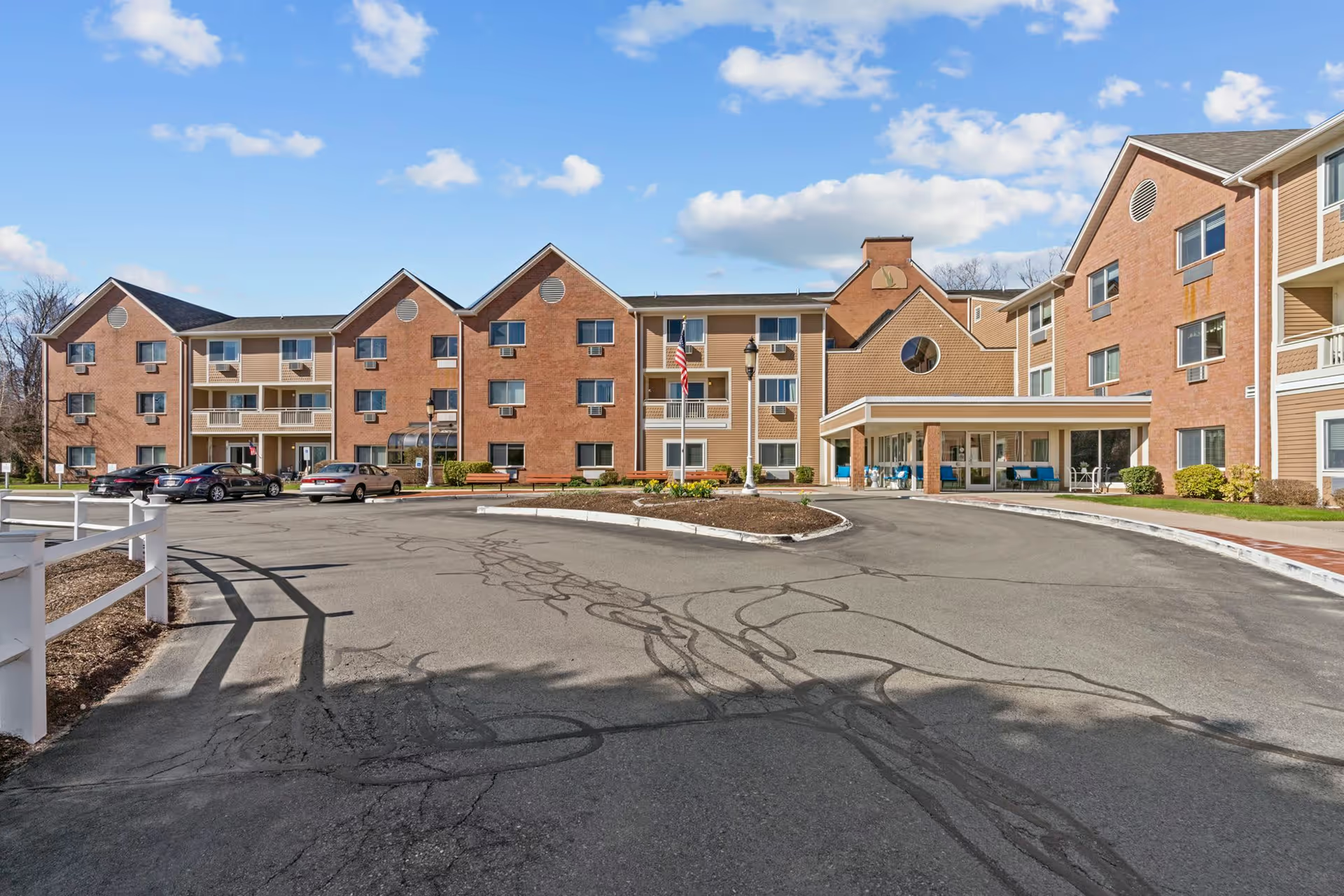
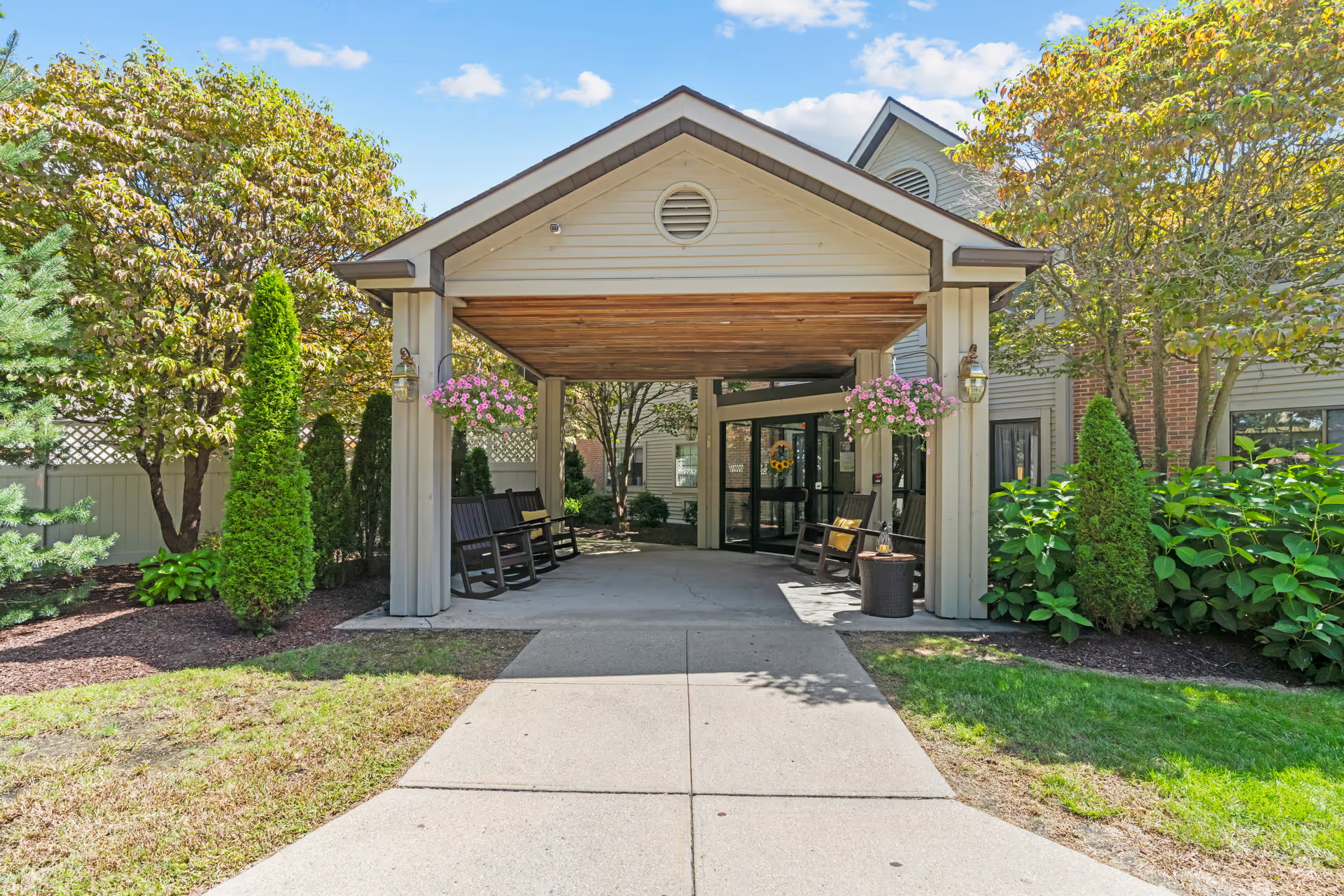
The reviews present a highly polarized picture of Woonsocket Health & Rehab Center. Many families and patients describe strong clinical and interpersonal strengths: attentive nurses and CNAs, an active therapy program with full-time therapists, private and spacious rooms, and a welcoming, apartment-like environment. Several accounts highlight successful short-term rehabilitation outcomes, thoughtful meal planning supported by a dietitian, and a range of social activities that include crafts, music, and games. Multiple reviewers also praised staff commitment during the pandemic and the facility’s ability to create a family-like atmosphere for some residents.
At the same time, there are recurring operational concerns that prospective residents and families should investigate. Communication gaps appear across several areas: inconsistent updates to families, limited coordination between departments, and unclear scheduling processes. Clinical-safety themes include medication-management weaknesses and instances that reviewers described as errors or misadministration. Some reviewers cited delays in responding to urgent clinical needs or escalation pathways, while others described uneven incident-response practices.
Dining and housekeeping are another area of mixed feedback. While the facility offers dietitian-guided meal planning and receives positive comments about meal accommodations, many reviewers raised issues with meal quality, temperature control, and portion consistency. Cleanliness and pest-control concerns were raised in multiple accounts, and personal-property safeguards (lost clothing, mishandled personal items, and laundry errors) were described as a persistent operational weakness.
Staffing and management issues also appear repeatedly. Reviewers note staffing instability, layoffs, and morale problems that families linked to changes in care consistency. Several accounts point to management practices that staff and families perceived as punitive or controlling, which reviewers said affected communication and staff conduct. There are additional concerns about ADA and hearing-access accommodations; a few reviewers described accessibility gaps that were corrected only after intervention.
There are also serious, isolated allegations that go beyond routine operational complaints, including concerns about research consent and workforce-vaccination policies. These items merit focused inquiry during a tour or intake conversation and, where appropriate, verification with licensing or oversight authorities.
Recommendation: the facility appears to provide effective rehabilitation and compassionate care for many residents, especially those focused on short-term recovery. However, consistent operational weaknesses—communication, medication safety processes, meal-service reliability, property handling, cleanliness/pest control, and management stability—warrant thorough due diligence. Families should tour the facility, ask for current staffing ratios and turnover statistics, review medication-safety and incident-response protocols, inquire about ADA and hearing accommodations, and seek references from recent families before making a placement decision.