Fleetwood Post-Acute elicits strongly mixed feedback. A consistent strength across many accounts is the direct-care workforce: nursing assistants, several nurses, and the therapy teams receive repeated praise for compassionate, hands-on care and effective rehabilitation outcomes. Reviewers frequently describe positive interactions with admissions and front-desk personnel as well as kitchen staff, and some families characterize the environment as family-like and welcoming. For residents who experience attentive staffing and engaged therapy, outcomes and satisfaction tend to be favorable.
At the same time, there are recurring operational concerns that appear in multiple reviews. Cleanliness and sanitation control are inconsistent: reviewers cite odor concerns, episodic lapses in room and bathroom sanitation, and related pest-control concerns. Staffing reliability and responsiveness are also mixed — while some shifts are described as attentive and prompt, other reports describe long wait times for assistance and slow responses to call lights, which raises safety and comfort issues. Several accounts identify gaps in medication administration and clinical follow-up, as well as delays in addressing acute conditions. Infection-control practices and cross-contamination prevention are areas of concern in multiple accounts.
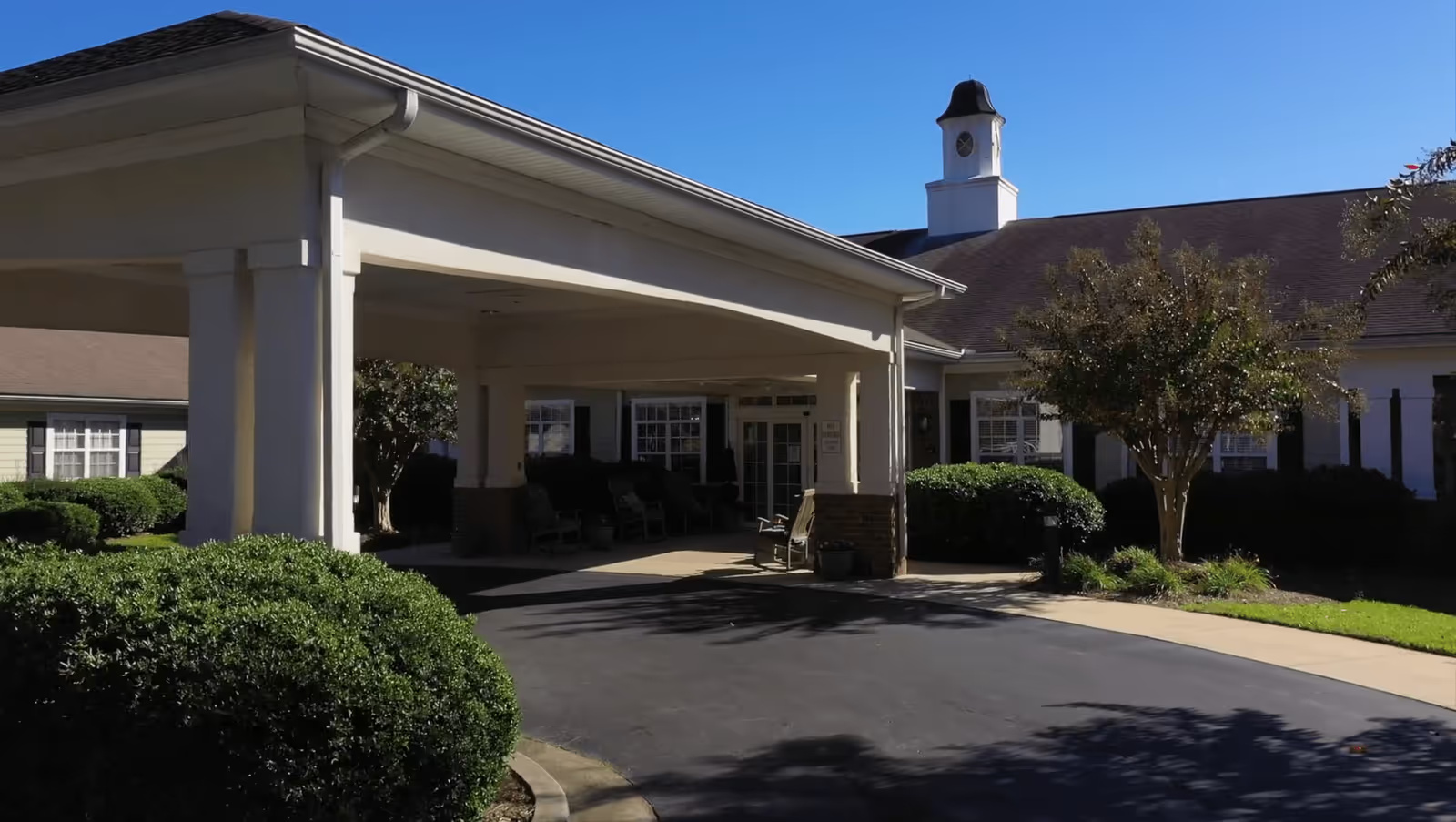
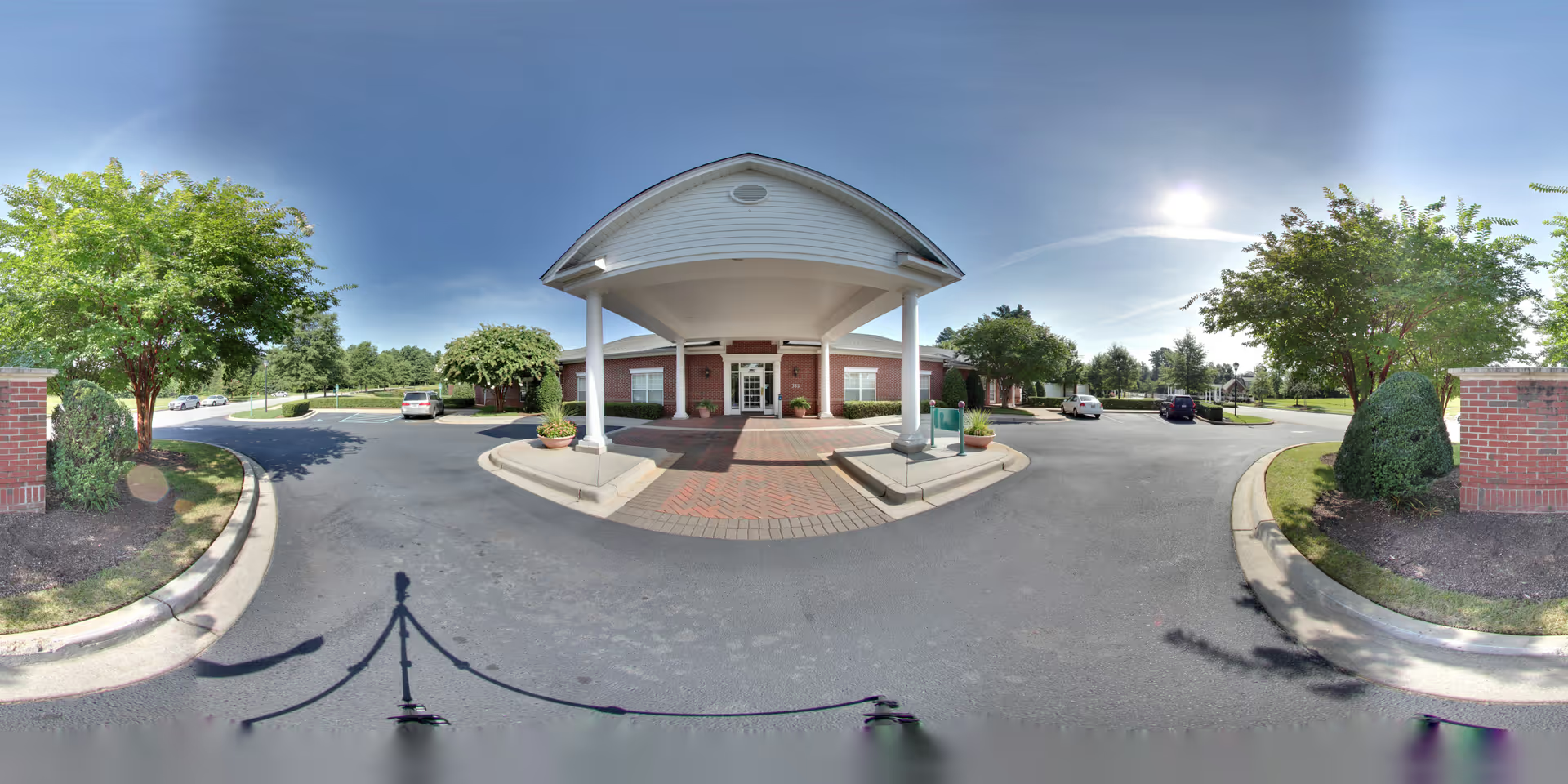
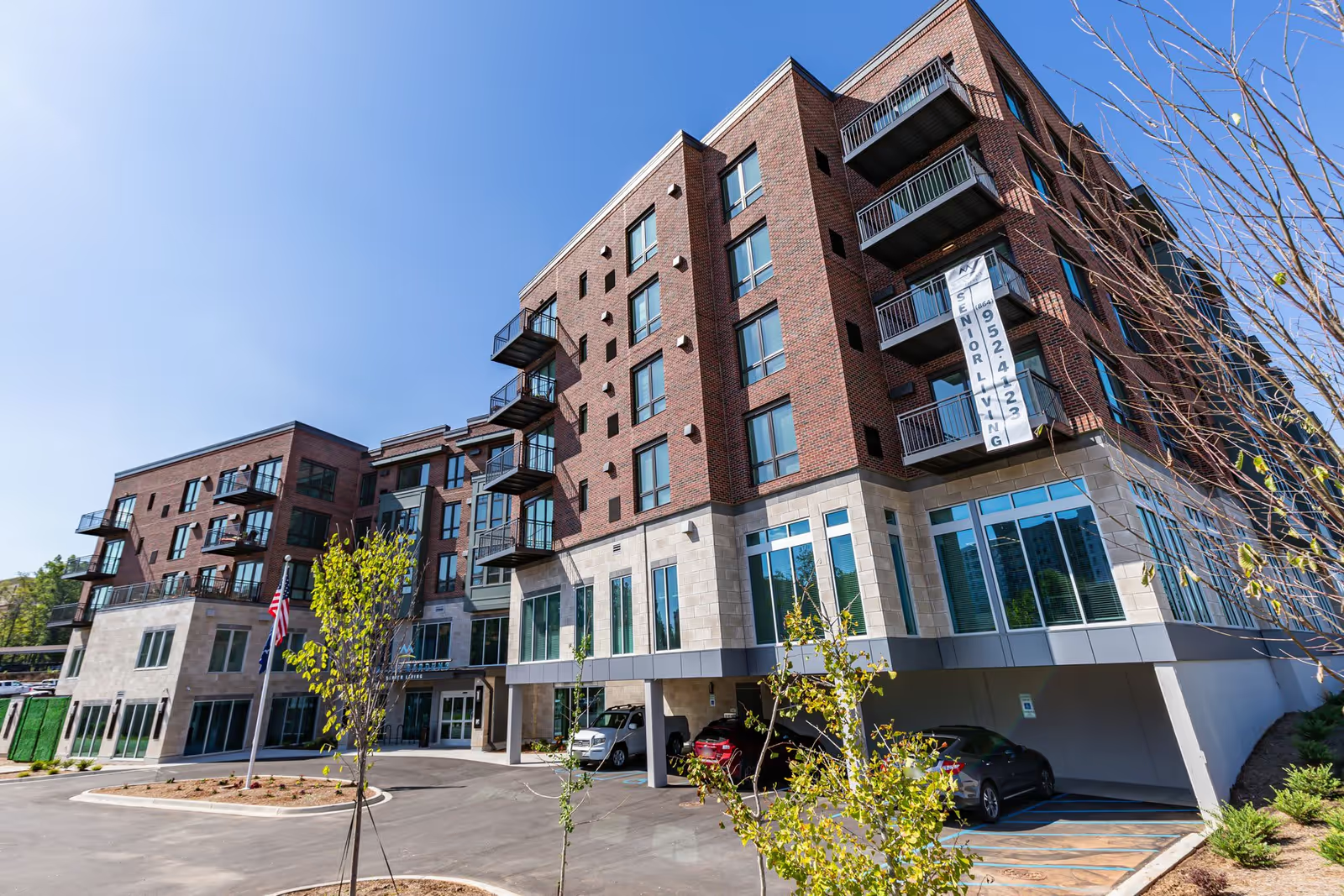
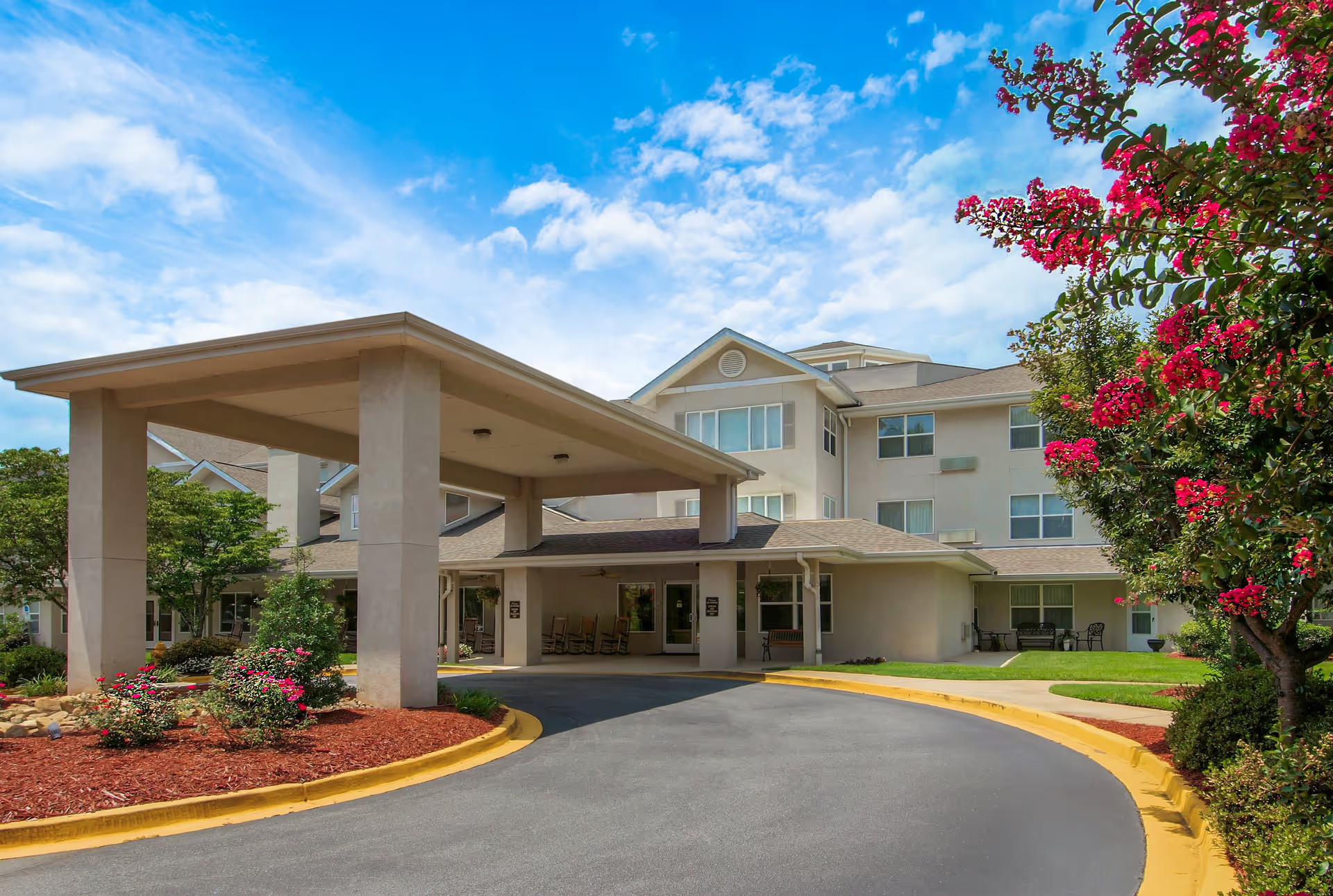
Dining and laundry services are another area of variability. Some families compliment kitchen staff and note good meals, but there are many reports of meals served at improper temperatures, breakfast offerings lacking protein, inconsistent meal continuity, and damaged or missing clothing from laundry. Facilities and infrastructure receive frequent critique: the building is described as aged with maintenance issues, moisture/mold concerns, crowded multi-bed rooms that limit privacy, and roadway/visiting logistics that can be tight. Activity programming exists, but accessibility and consistent facilitation of activities for all residents are uneven.
Management and communication show a bifurcated pattern. Several reviewers praise individual administrators who resolved issues and were responsive; others describe indifferent or unresponsive leadership, poor family communication, and what some describe as dismissive behavior. There are also more serious allegations in a small number of accounts — including concerns about financial-management practices and care coordination failures such as missed appointments or unsafe transfers — which reviewers felt warranted further scrutiny.
In summary, prospective residents and families should weigh two competing patterns: reliable, compassionate bedside care and strong therapy services in many cases, versus operational instability in sanitation, staffing consistency, clinical coordination, and building condition in others. Visiting the facility in person, inspecting a prospective resident room, discussing staffing ratios and infection-control protocols, and clarifying administrative escalation and financial procedures are advisable steps before placement.