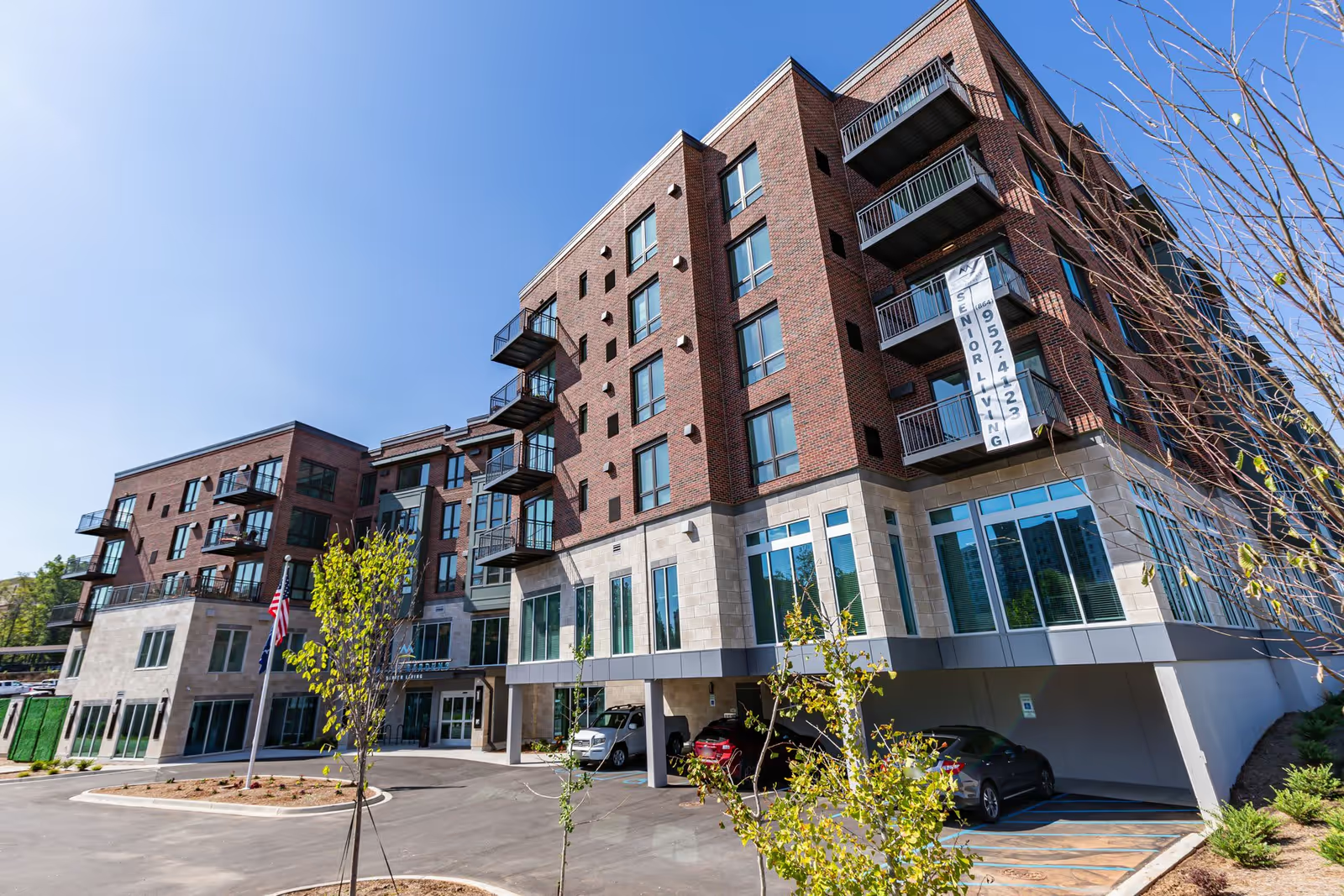
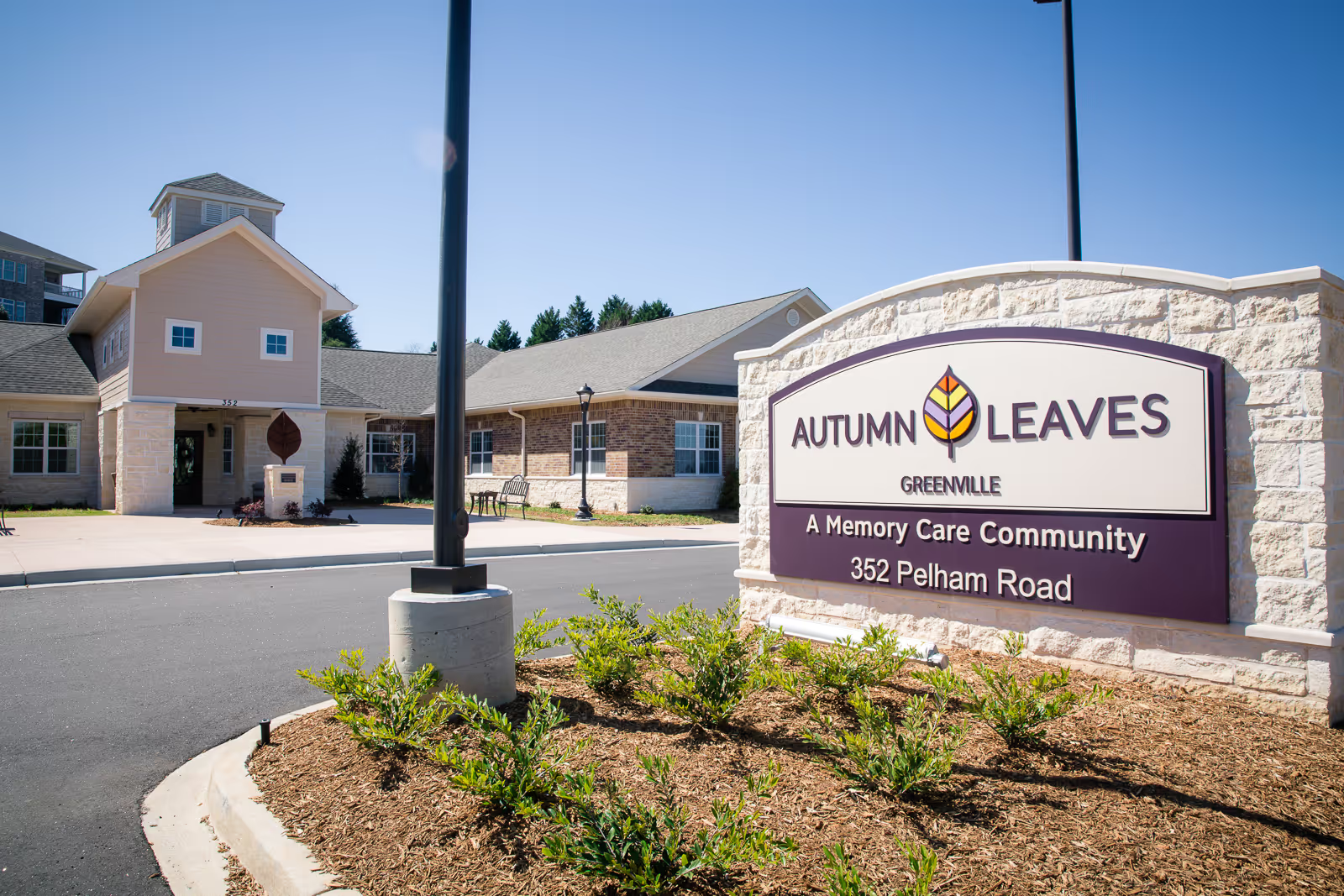
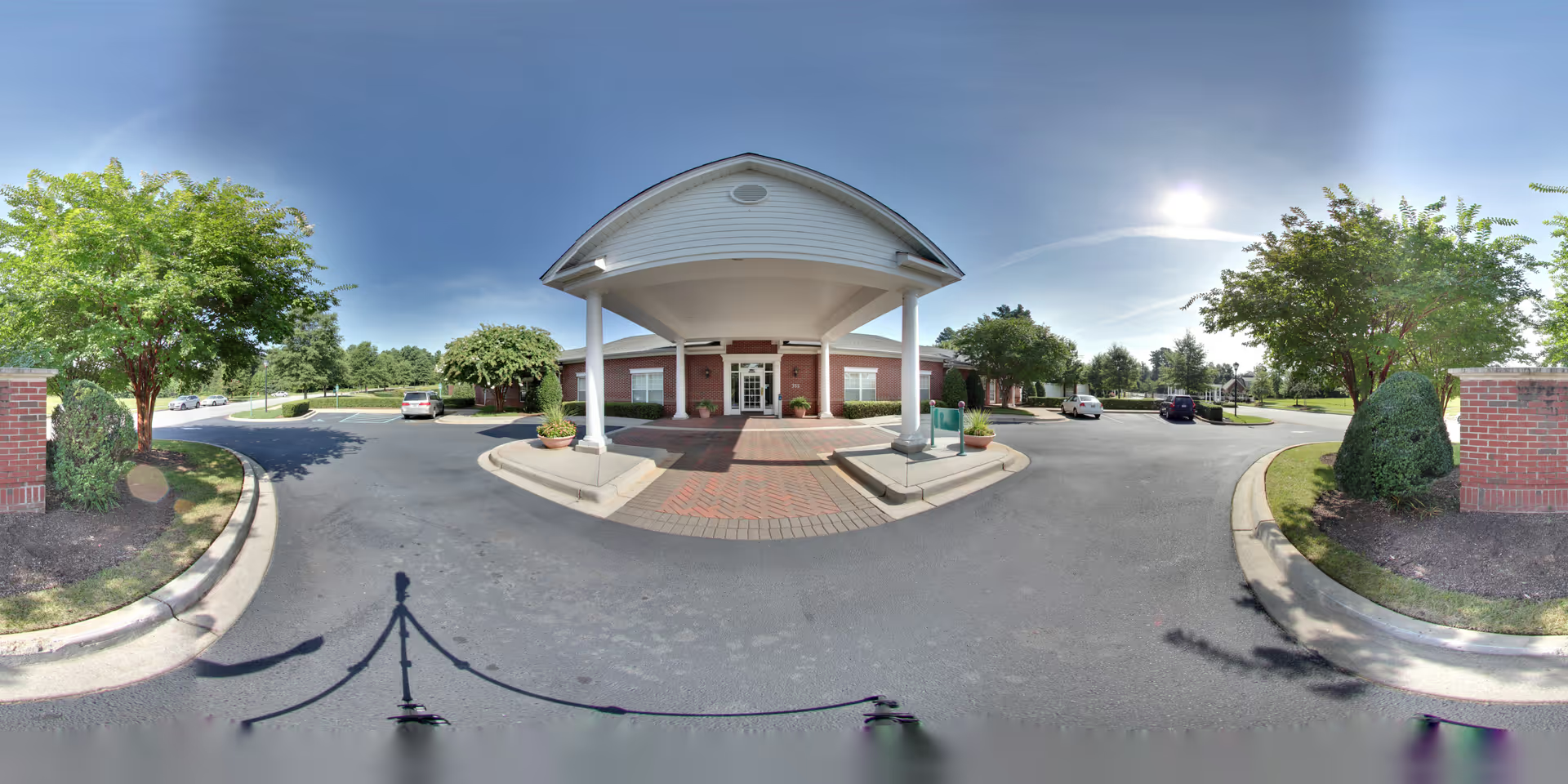
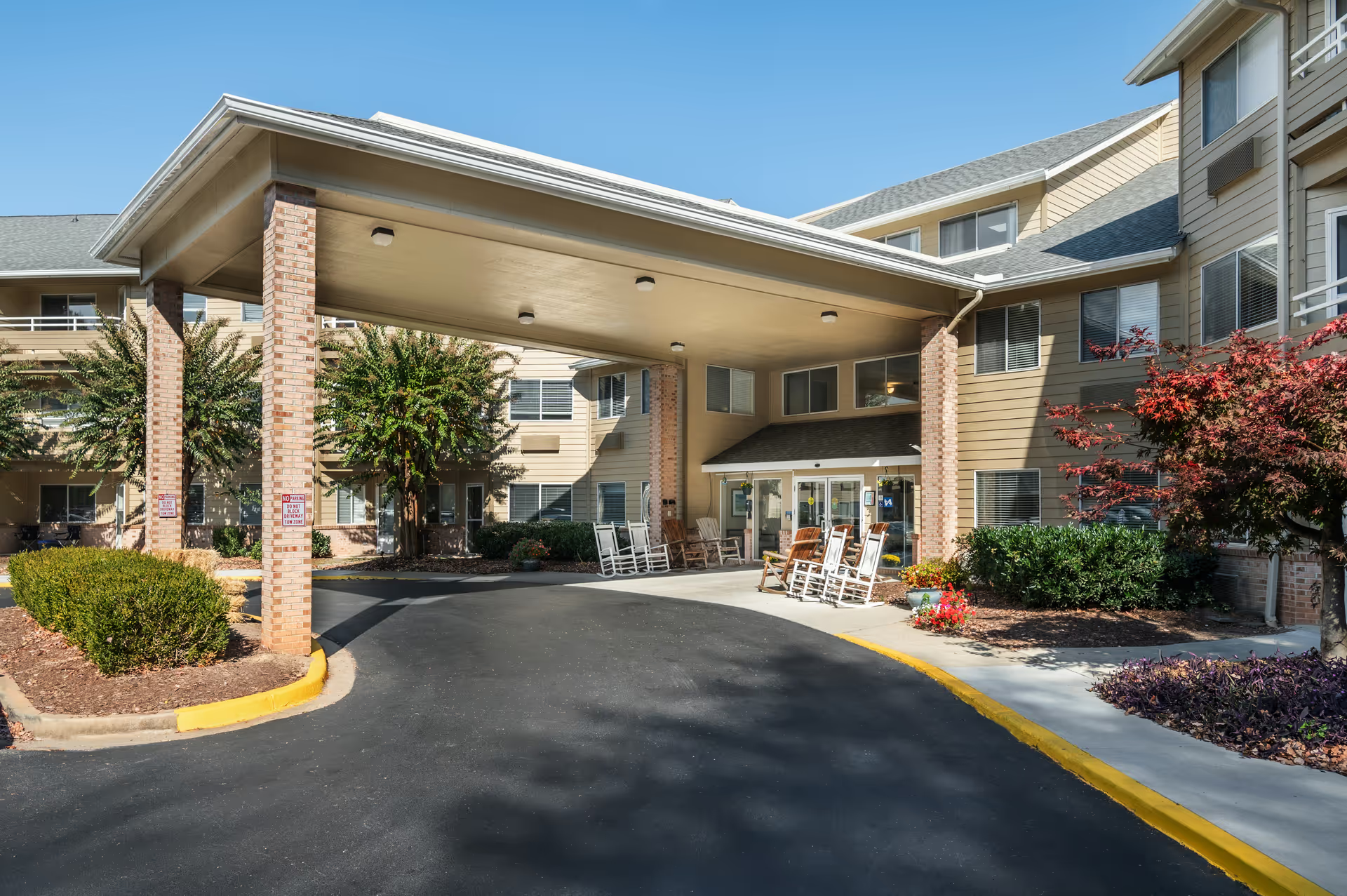
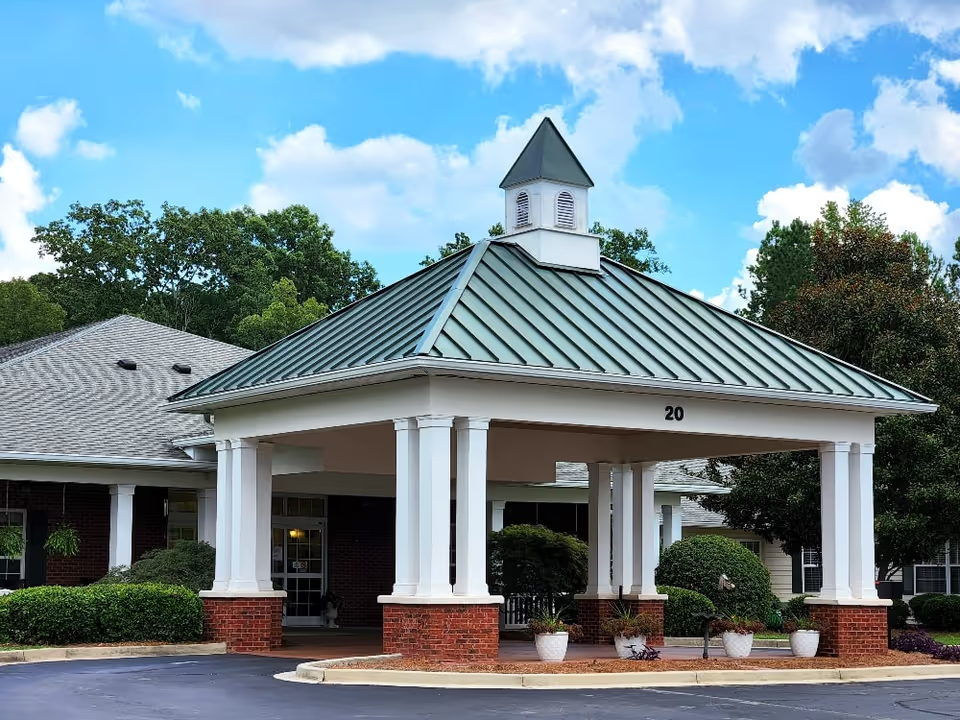
Kauhale Pettigru presents as a well-appointed, centrally located senior living community with clear strengths in facility appearance, amenities, and certain relational aspects of care. Many comments emphasize a clean and attractive interior and exterior, comfortable and roomy studio apartments, pleasant outdoor areas, and a generally welcoming admissions/tour experience. Amenities such as a salon, game area, dining room, and on-site therapy services (PT/OT/SLP) contribute to a residential feel that some families find valuable. Several accounts highlight a family-oriented culture and an executive director who is accessible and engaged.
Care quality perceptions are mixed. Positive reports describe compassionate direct-care staff, licensed RNs/LPNs supported by CNAs, and strong therapeutic services and rehabilitation programming. Conversely, other accounts describe operational gaps in clinical oversight — including limited on-site medical coverage, inconsistent follow-through on wound care and medication-related tasks, and emergency transfers to hospitals when higher-level medical support is needed. These patterns suggest the facility may perform well for residents with primarily custodial or rehabilitation needs but may be less consistent for residents requiring more intensive medical management.
Staffing, training, and responsiveness are recurring themes. Many reviewers praise individual caregivers as caring and attentive, and some note stable staffing and low turnover. However, a substantial number of experiences point to inconsistent staffing levels, high turnover, young or less-experienced aides, slow responses to call buttons, and occasional unacknowledged incidents. These operational inconsistencies appear to affect continuity of care and family confidence in daily responsiveness.
Dining and activities are likewise variable by unit. Assisted-living dining receives favorable comments about fresh, chef-prepared meals and good food quality, whereas memory-care dining is described as uneven in quality and sometimes challenging for residents with chewing or texture needs. Activity programming ranges from engaging and sufficient to sparse and restricted, particularly in memory-care areas where closed doors and limited communal engagement were noted. Families considering the community should clarify the activity calendar and how the facility adapts meals for residents with texture or swallowing requirements.
Management and communication present a split picture. Several families report an open, communicative executive team that handles transitions well; others describe front-desk unresponsiveness, voicemail bottlenecks, inconsistent pandemic communication, and unexpected fee increases with limited transparency. Maintenance responsiveness is also variable — the building is generally well-maintained, but delays are attributed to limited maintenance staffing.
Patterns to note for prospective residents and families: the facility offers strong environmental and social amenities and can provide compassionate daily care, yet operational weaknesses — especially around staffing consistency, clinical oversight, responsiveness to calls, and billing transparency — appear to affect overall reliability. Before deciding, families should: assess the unit-specific staffing ratios and turnover history, observe call-button response times during a visit, ask about on-site medical coverage and protocols for wound care and medication administration, review the contract for fee-increase policies, and request recent examples of activity programming and meal adaptation for dietary/texture needs. These targeted inquiries will help match a prospective resident’s medical and social needs to the facility’s demonstrated strengths and limitations.