Overall impression: The Woodlands at Furman generally presents as a well-kept, culturally oriented senior community with a strong connection to Furman University. Many reviewers highlight the warmth and attentiveness of front-line staff, quick maintenance responses, and a transition-oriented approach to onboarding. The community draws positive comment for its LifeCare option and for delivering a high level of medical and clinical oversight for residents who need it.
Staff and care quality: Staff are frequently described as friendly, personally attentive, and experienced in transition support. Several reviewers emphasized staff who know residents by name and a caring, family-like atmosphere. Clinical and medical services receive favorable commentary overall, and new-staff onboarding was described as deliberate in several accounts. At the same time, reviewers also described variability in staffing levels and occasional personnel shortages that have affected programming and day-to-day responsiveness at times.
Dining and hospitality: Dining is a clear strength in many accounts — Furman catering and attractive dining-room environments were singled out for tasty, well-prepared meals. That said, some residents perceive the overall dining variety as limited, and a portion of reviewers expressed concerns about fees relative to perceived value. Prospective residents should ask about current menus, special-diet accommodations, and any extra costs tied to meal plans.
Activities and campus affiliation: The proximity to Furman University is a major asset. Residents benefit from cultural and educational offerings: OLLI classes (in-person and by Zoom), symphony and chorale events, lectures, and organized day trips. On-site programming, concerts, and lifestyle events (jazz trio, socials) contribute to an active community life. However, a recurring limitation is that access to some university facilities is restricted, and some classes or events are off-site, which may matter for residents expecting unfettered campus access. COVID-era restrictions also interrupted social introductions for new residents in some cases.
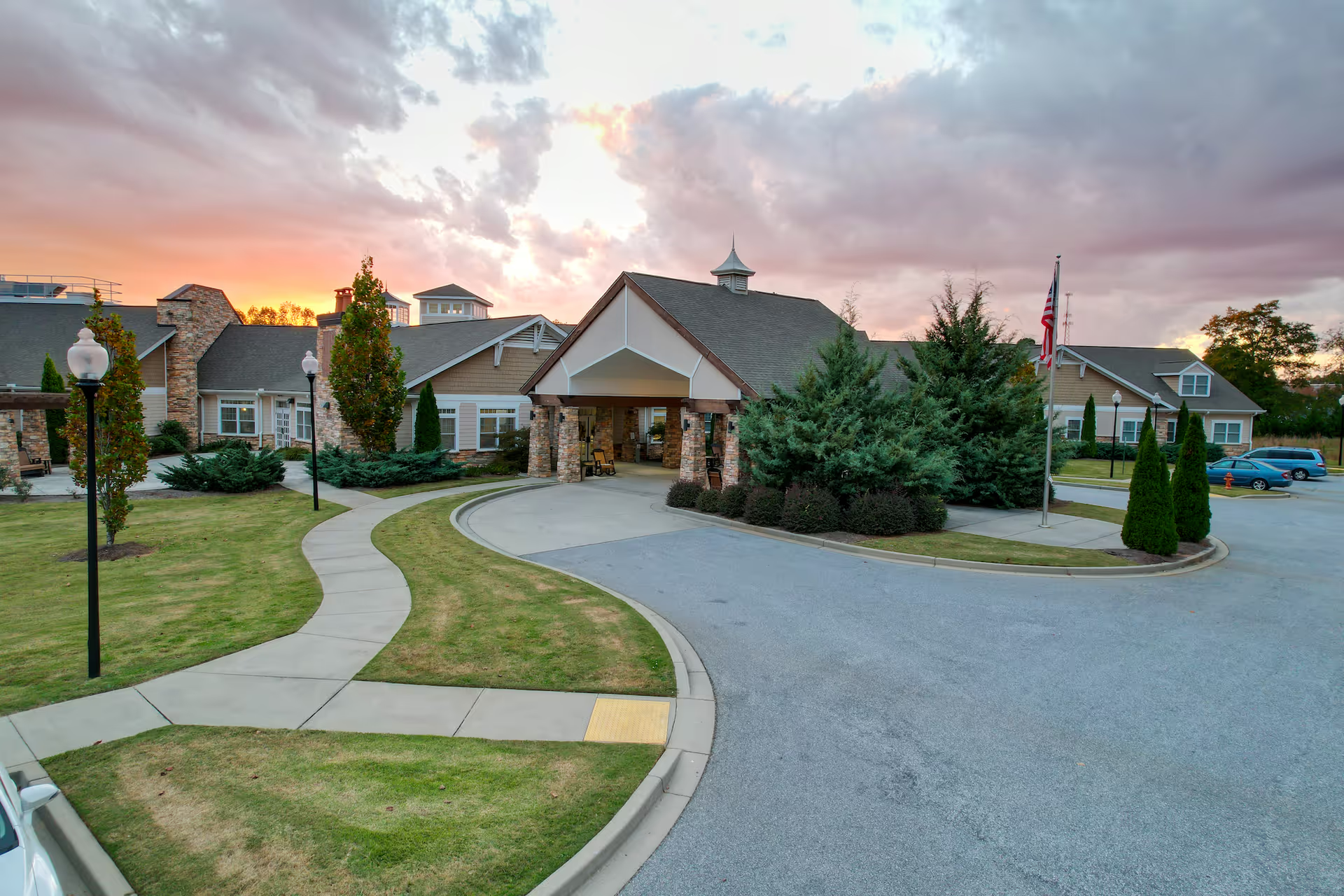
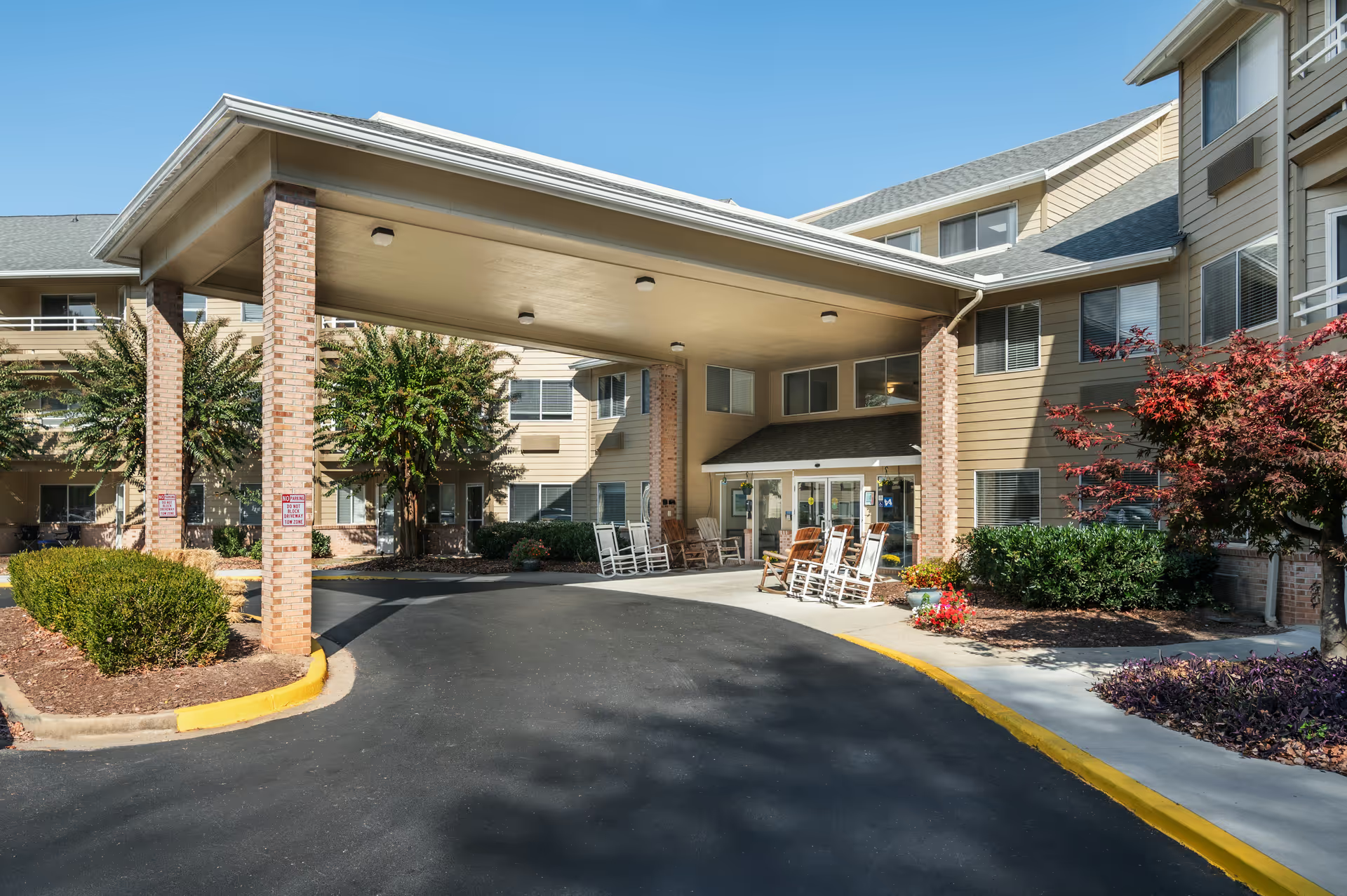
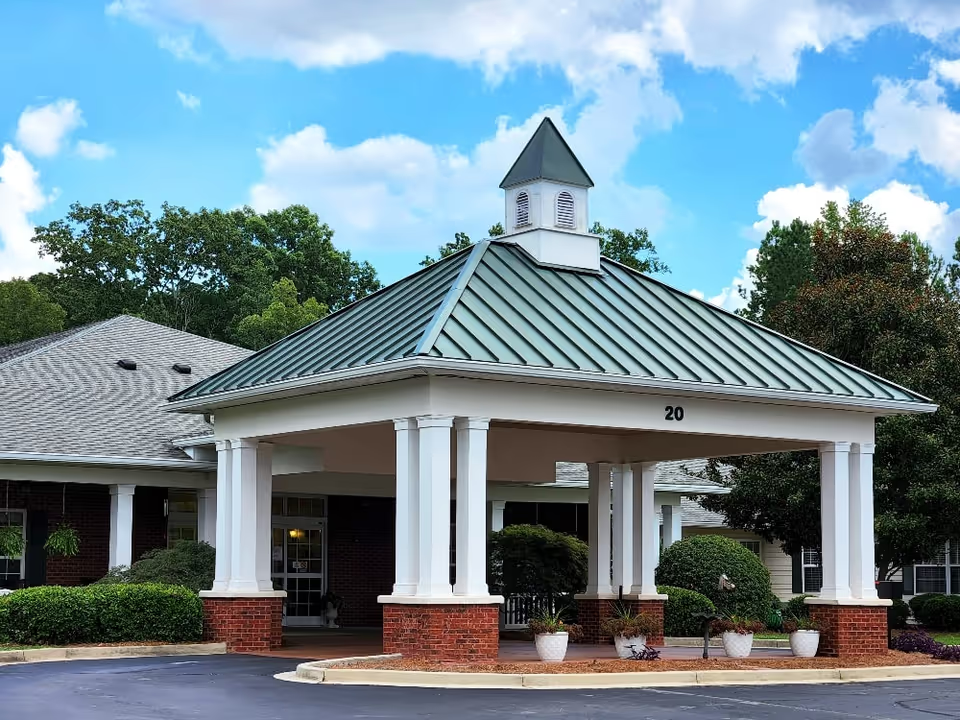
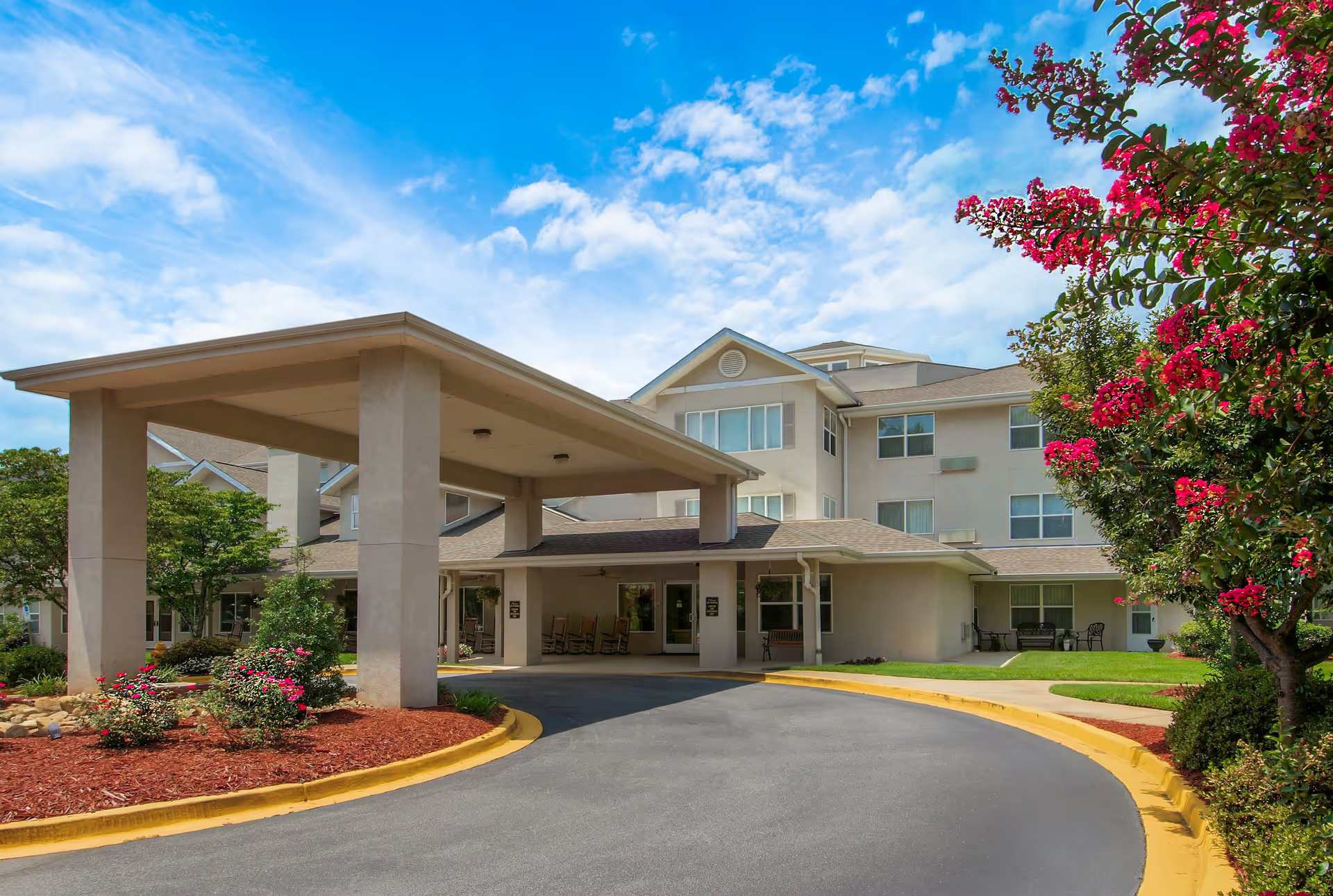
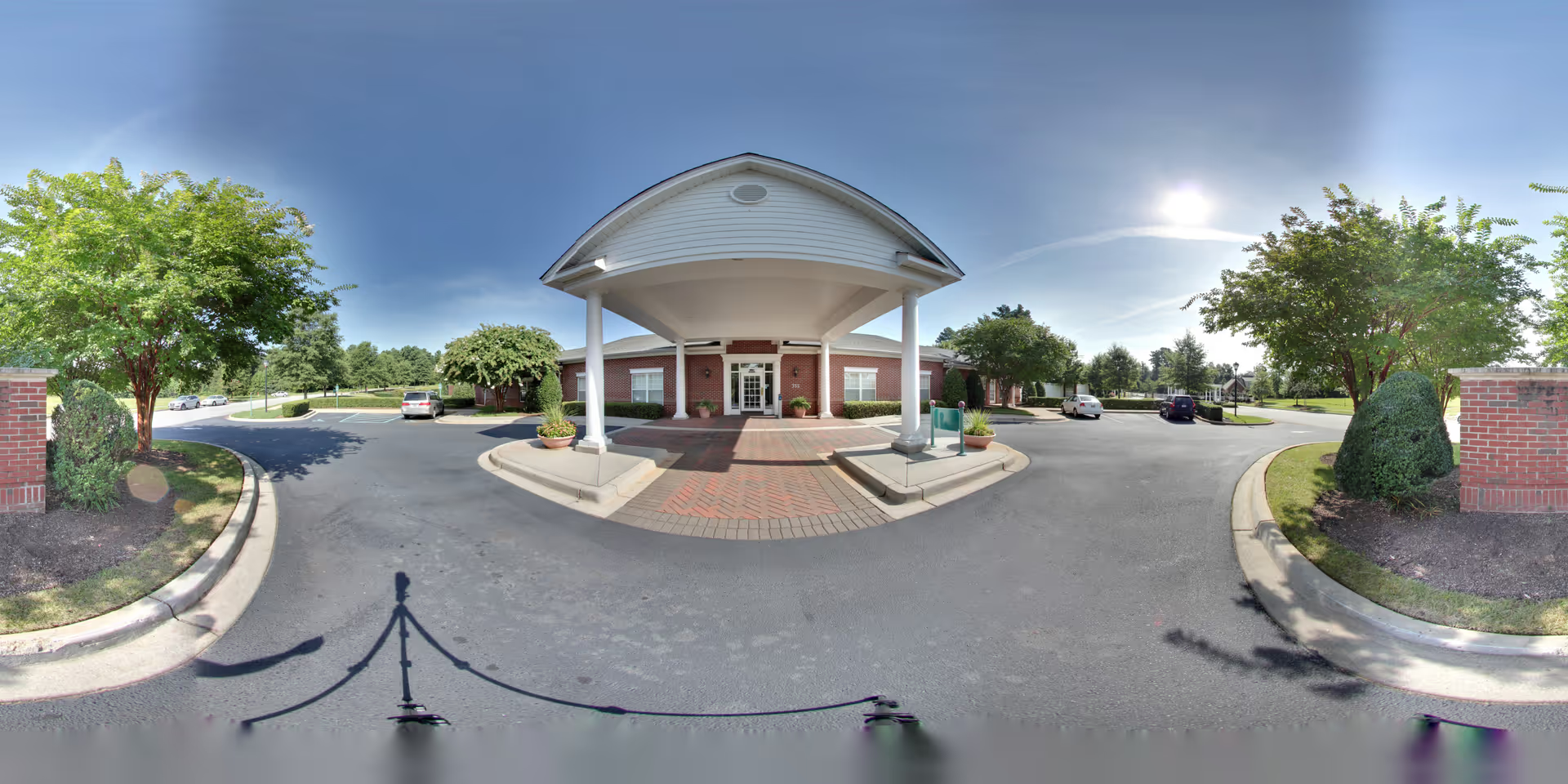
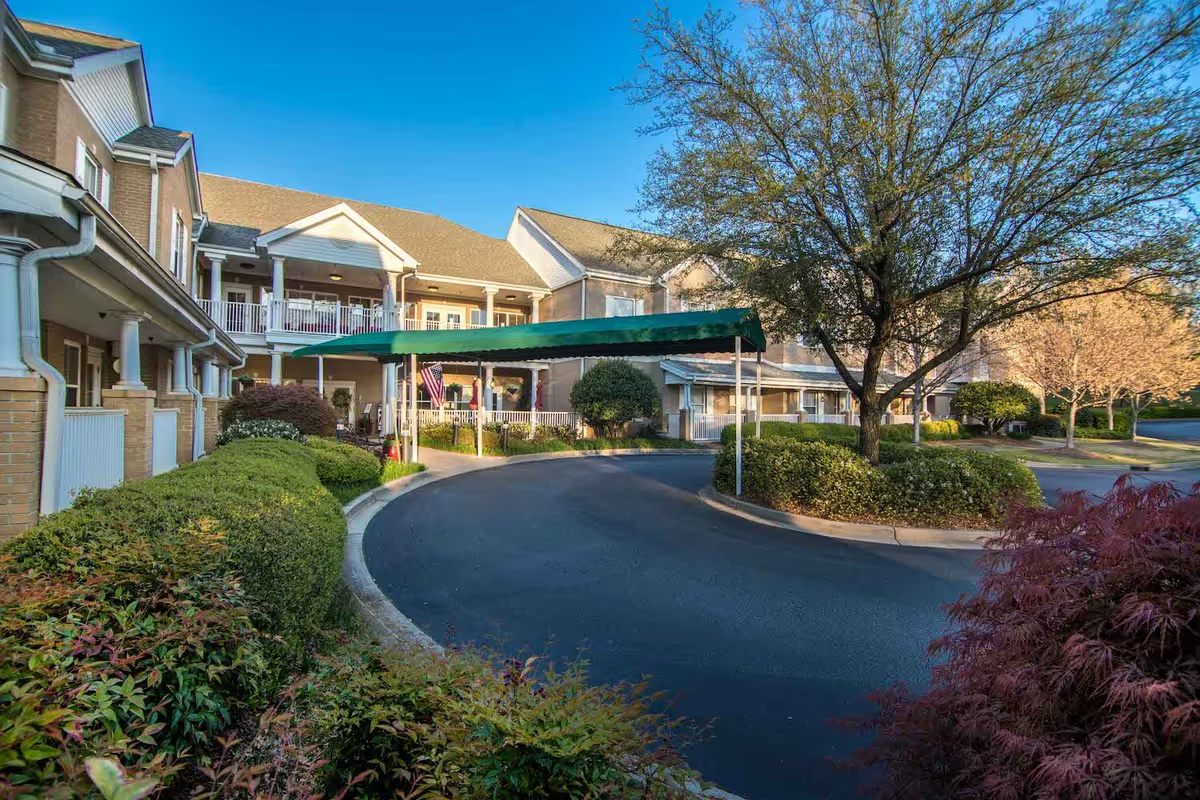
Facilities and amenities: The physical campus and villas are often described as spacious, bright, and well-maintained, with pleasant outdoor spaces and nearby trails. Fitness facilities and transportation services (door-to-door drop-off, timely bus return) support an active lifestyle. On the downside, reviewers note a narrower set of on-site recreational amenities than some competitors (for example, no pool) and limited variation among independent-living offerings. There are occasional cleanliness lapses reported in private units, so prospective residents should verify housekeeping standards and unit inspection practices.
Management, communications, and value: Management responsiveness earned mixed evaluations. Positive notes include helpful marketing and admissions staff and clear explanations of expansion and unit options. Conversely, some reviewers cited inconsistent communication, occasional distrust about aspects of care or billing, and concerns about high costs versus perceived value. The community’s popularity and waitlist suggest strong demand, but also make it important to clarify contract terms, fee structures, and refund/hold policies before committing.
Who this fits best and what to check: The Woodlands at Furman is likely a good fit for people who prioritize strong staff relationships, cultural and educational programming tied to a university, reliable dining, and well-maintained living spaces. It may be less well suited for those seeking extensive on-site recreational amenities (pool, wide dining variety), guaranteed unfettered access to university facilities, or lower-cost alternatives. During a visit, families should ask about current staffing levels and how those affect programming, details of access to Furman facilities and classes, dining menus and extra fees, housekeeping standards for private units, and social opportunities for single residents to assess fit.