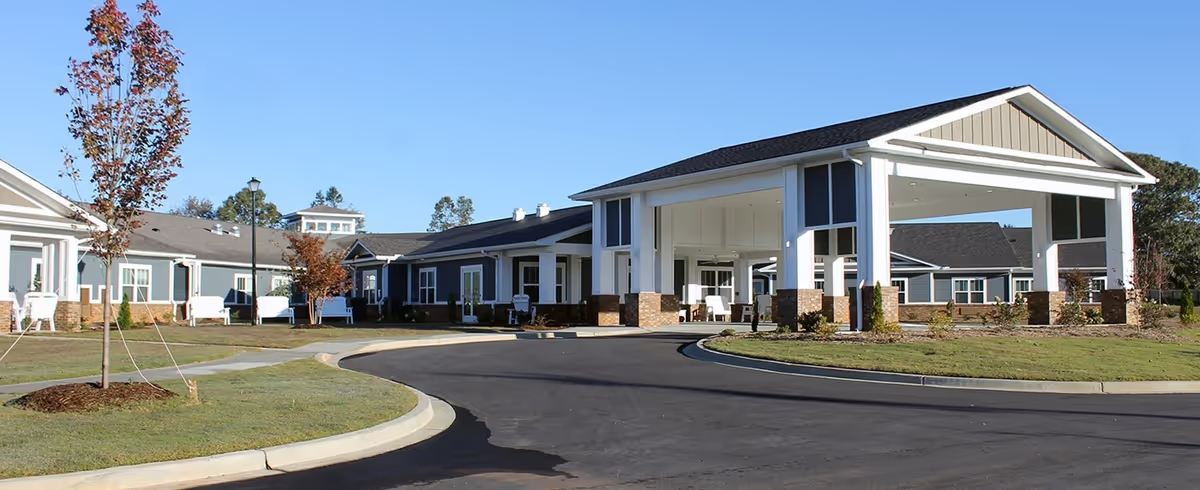
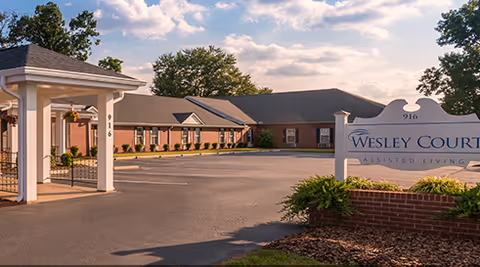
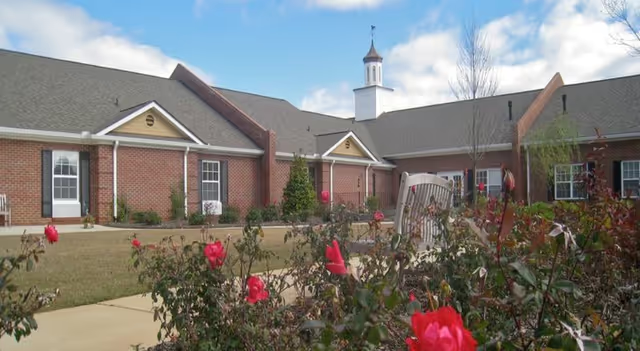
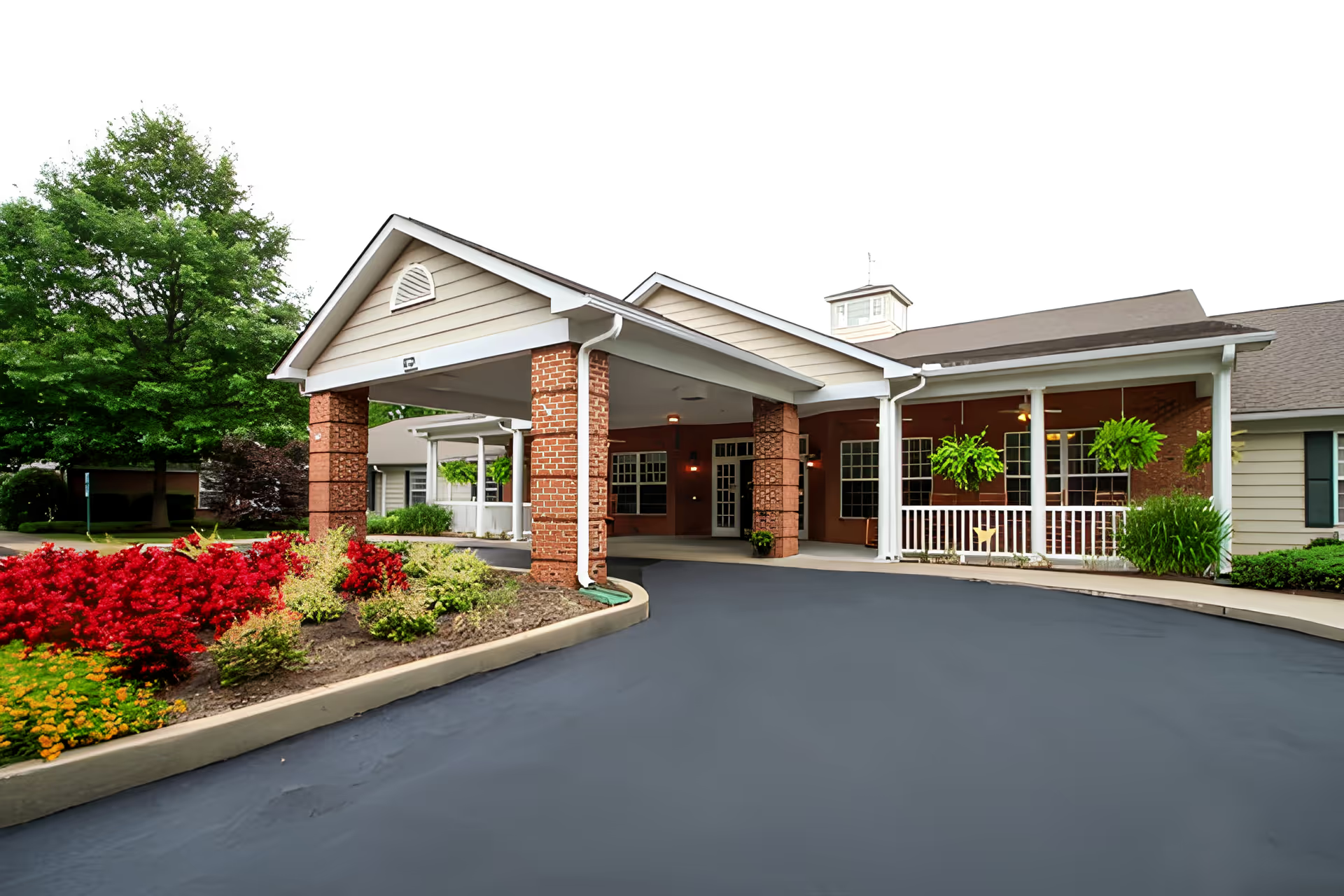
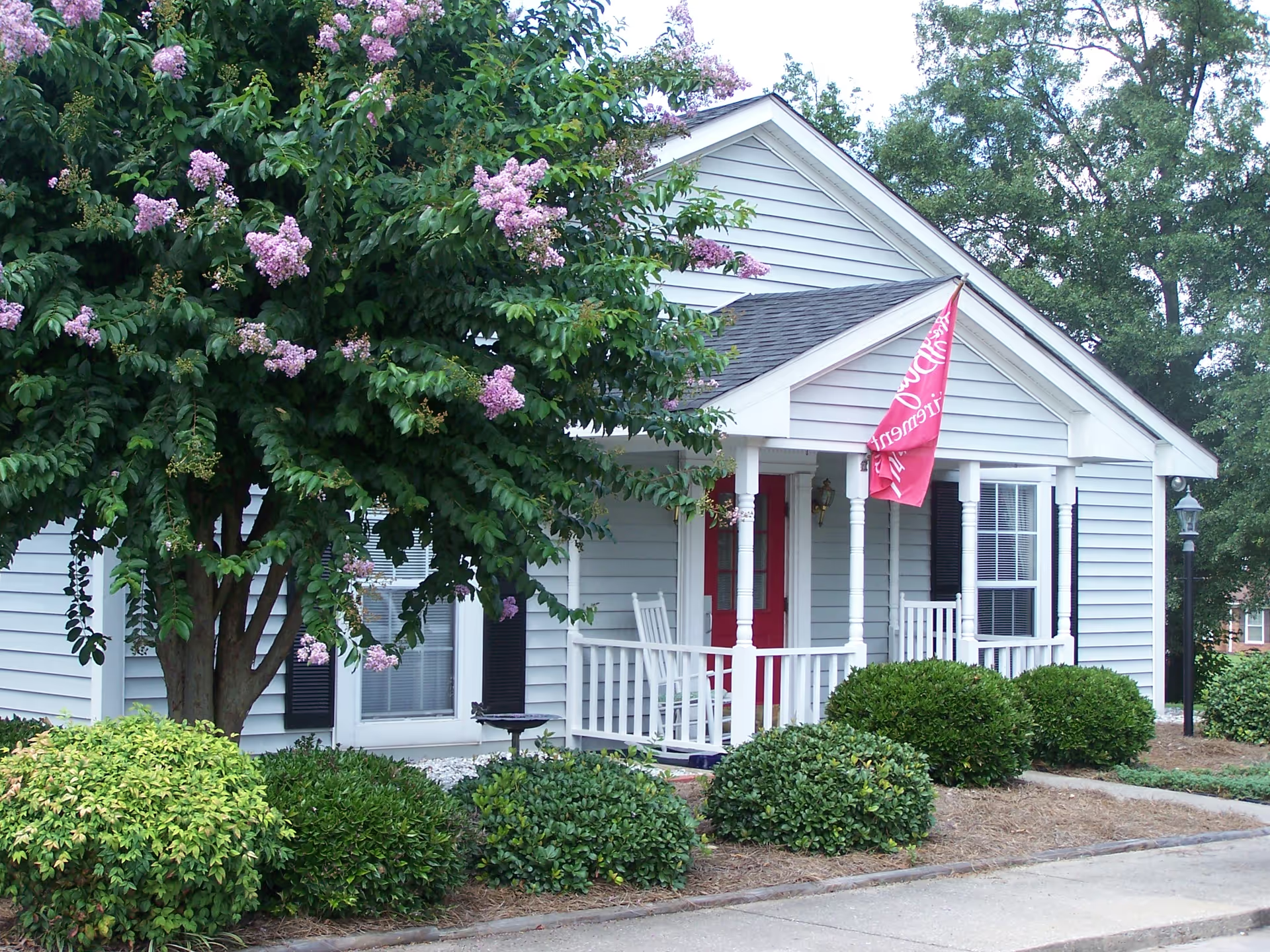
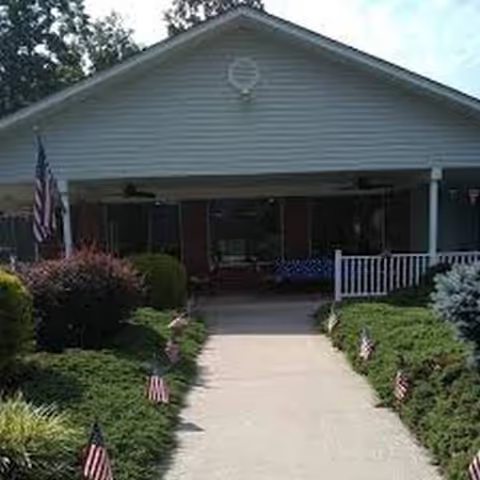
Reviewers present a strongly mixed picture of Rosecrest Retirement Community, with clear areas of strength alongside recurring operational weaknesses. Many families and former residents praise the physical environment and amenities: the campus is frequently described as clean, modern, attractively landscaped and well maintained, with apartment-style suites and private rooms available. On-site amenities such as a salon, gym, walking trail, transportation services, and multiple levels of care (independent living through skilled nursing) are consistently noted. Social programming — church services, sing-alongs, bingo, and Alzheimer’s Association meetings — and an active activities calendar contribute to a home-like atmosphere for many residents.
Rehabilitation and therapy services are a standout for a substantial group of reviewers. Physical and occupational therapy staff are repeatedly identified as skilled, effective, and recovery-focused; several accounts indicate successful rehab outcomes and positive interactions with therapists and rehabilitation aides. Housekeeping and maintenance are frequently cited as thorough where staff continuity exists, and some families emphasize compassionate, attentive moments from nursing or admissions personnel, including pet-therapy visits and individualized engagement.
Conversely, a substantial set of reviews describe operational and clinical inconsistencies. Staffing instability — both frequent turnover and periods of short staffing — is a recurrent theme tied to longer nurse-call response times, delayed medication or treatment administration, and gaps in supervision for residents with mobility or cognitive challenges. Multiple reviewers described delays in assistance, inconsistent bathing and room-cleaning schedules, late mealtimes or tray-service problems, and errors or delays in dietary accommodations for conditions such as diabetes. Several accounts raise concerns about medication and pain-management practices and about follow-up when personal property or clinical issues arise.
Communication and management are another area of divergence. While some families report transparent, helpful interactions with front-desk and clinical staff, others describe poor family communication, premature or poorly coordinated discharges, and frequent administrative changes that appear to undermine continuity of operations. Safety-related patterns are also noted: reviewers mentioned falls, inadequate monitoring, and instances that suggest gaps in fall-prevention and transfer protocols. A small number of reviews raise serious allegations, including safety incidents and concerns following a resident’s death; these are significant and should be verified through direct inquiry and review of regulatory records.
Taken together, the pattern suggests variability in resident experience that may depend on the unit, shift, or prevailing staffing levels at the time of stay. Prospective residents and families should weigh the facility’s strong physical environment, robust therapy program, and available amenities against recurring reports of inconsistent nursing responsiveness, staff turnover, and operational lapses. When evaluating Rosecrest in person, consider observing meal service and nurse-call response, asking about current staffing ratios and turnover, reviewing fall-prevention and medication-safety protocols, clarifying dementia-care supervision and dietary accommodation procedures, and requesting recent quality metrics or incident reports to better gauge current performance.