Lake Wylie Assisted Living & Memory Care elicits a mixture of strong praise and operational concerns. Many families emphasize the quality of direct caregiving: staff are frequently described as compassionate, engaged, and able to build personal relationships with residents. Several accounts highlight thoughtful one-on-one attention in smaller memory-care units, attentive nursing presence, and effective partnerships with therapists and home-health providers. Hospice and end-of-life care are noted as strengths, with families indicating respectful, dignified treatment in those circumstances.
The community offers a broad, active calendar that appeals to residents who want social engagement. Reviewers cite a wide range of regular programming — music, crafts, religious services, outings (including shopping trips), themed social events, and large daily activity lists — and note that these opportunities contribute to a lively, ship‑like atmosphere for some residents. Meal service receives polarized feedback: multiple reviewers praise generous portions, holiday feasts, and specific chefs, while others describe limited menu variety and uneven food quality between meals or over time.
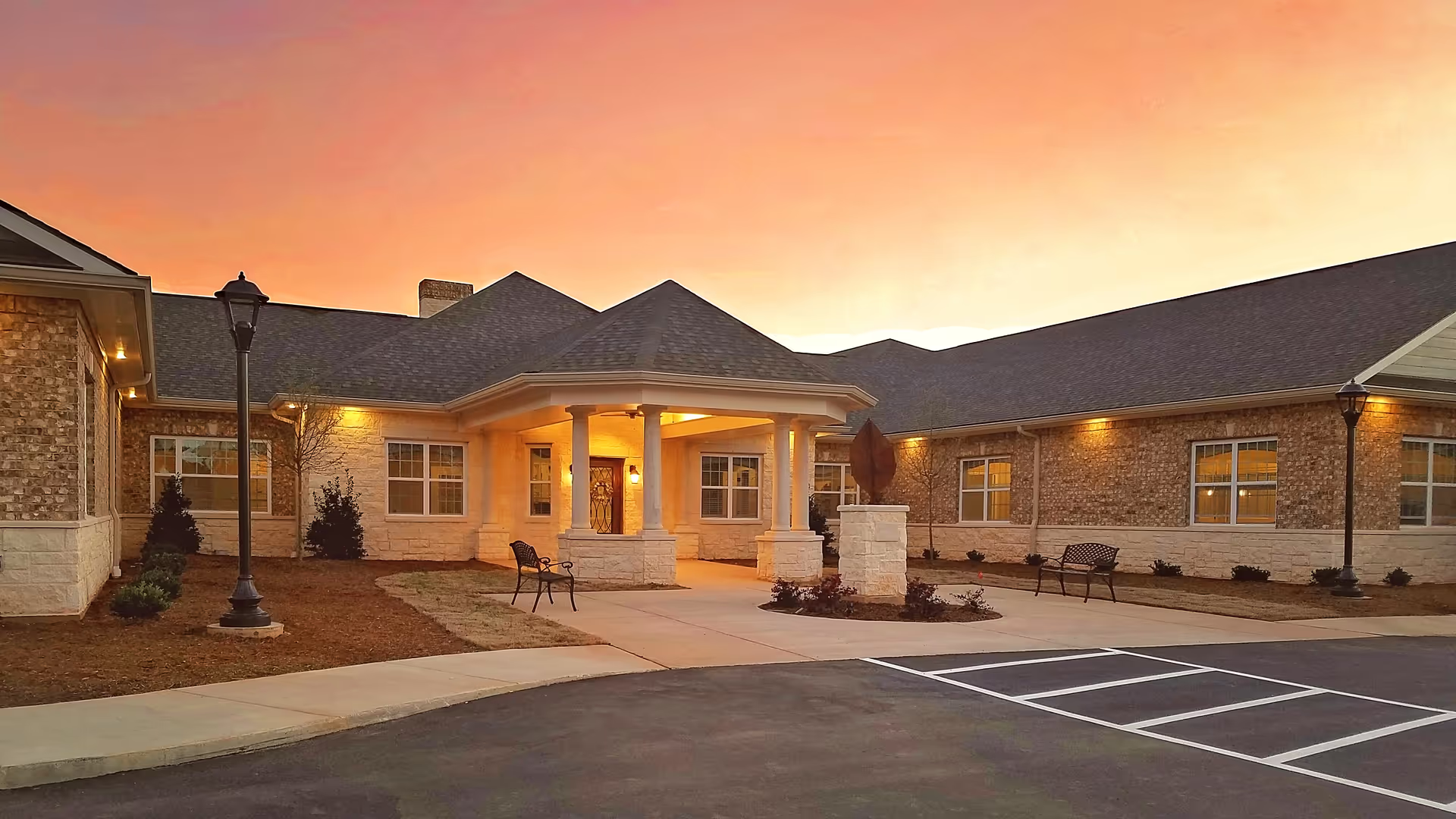
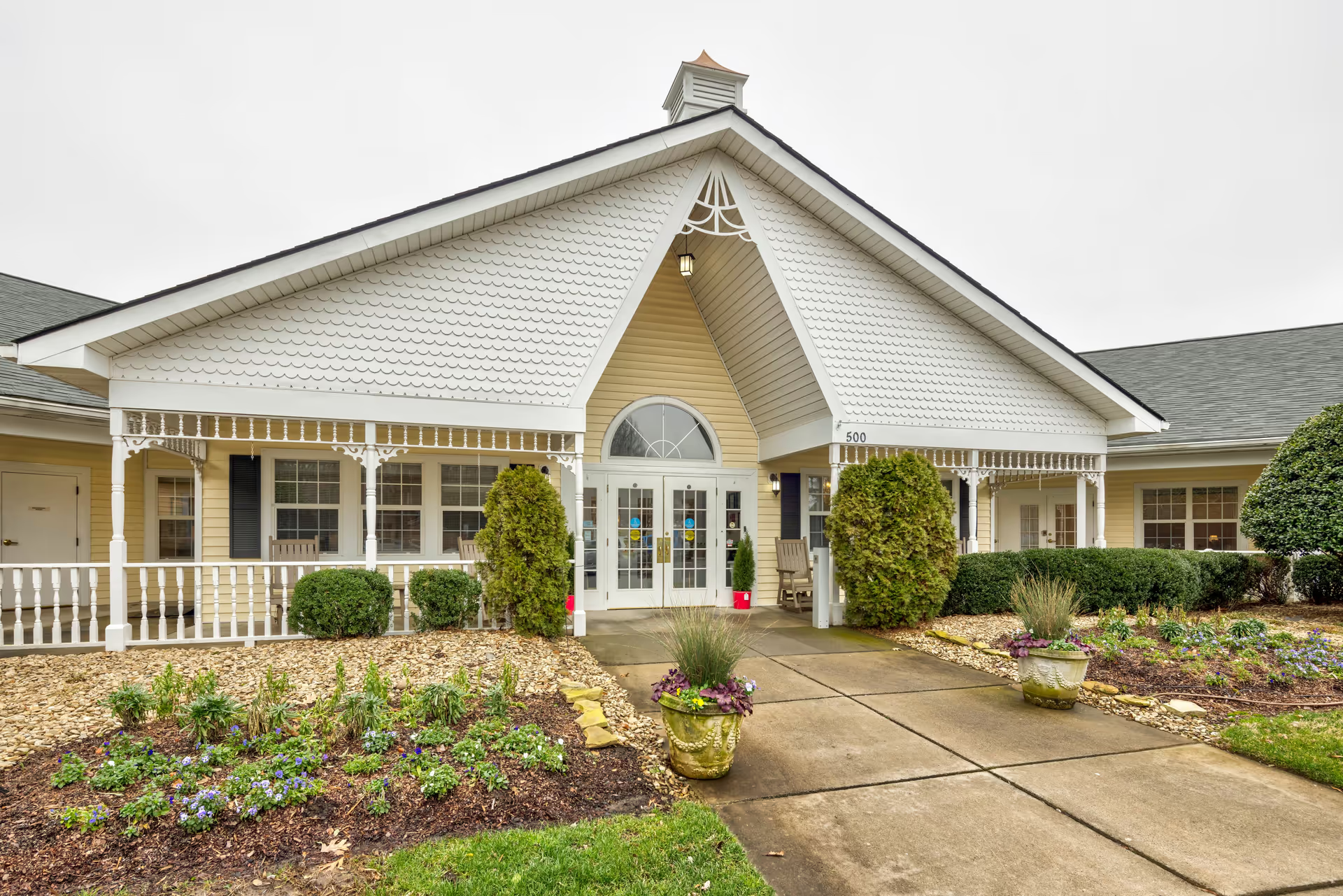
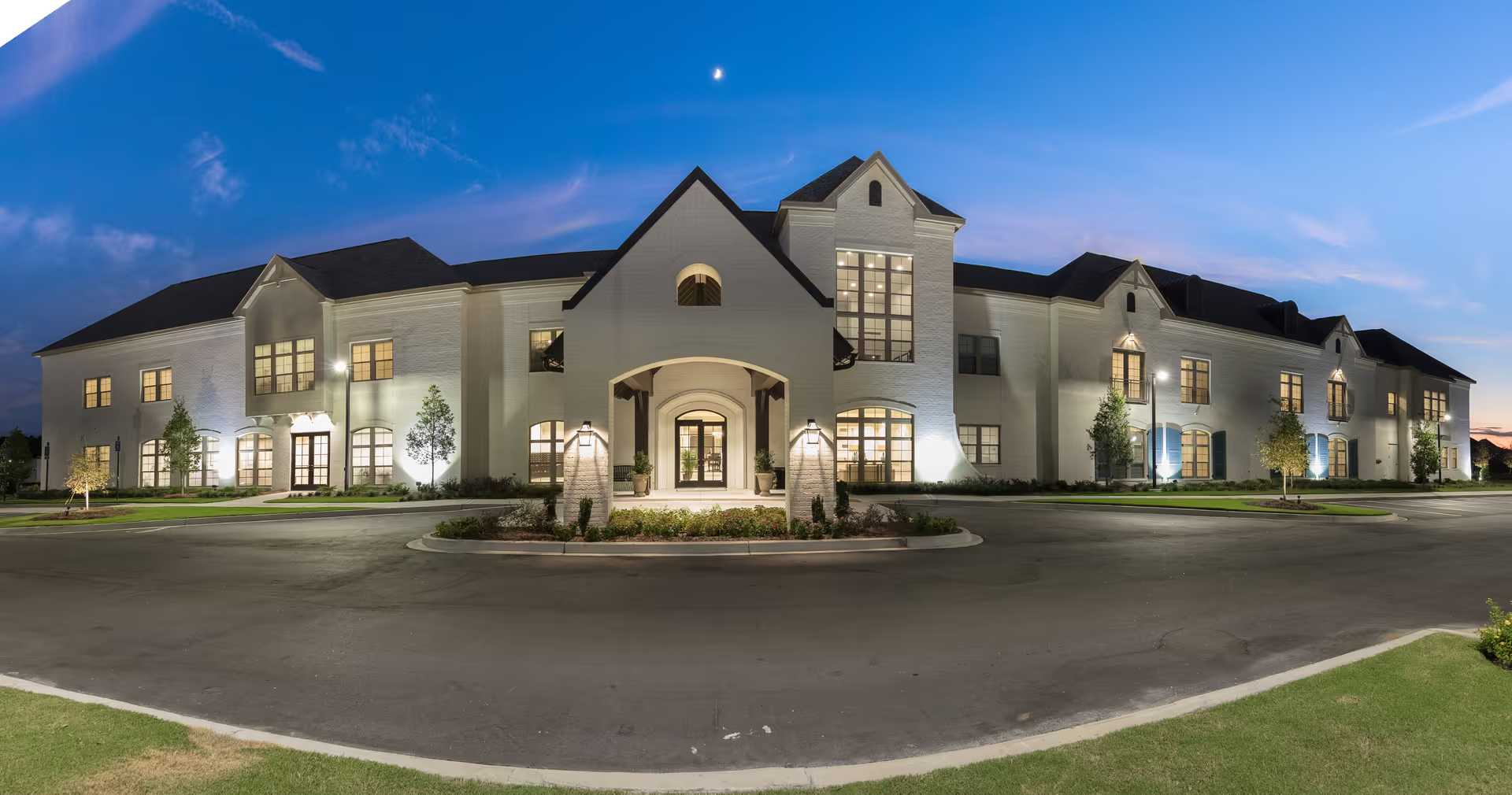
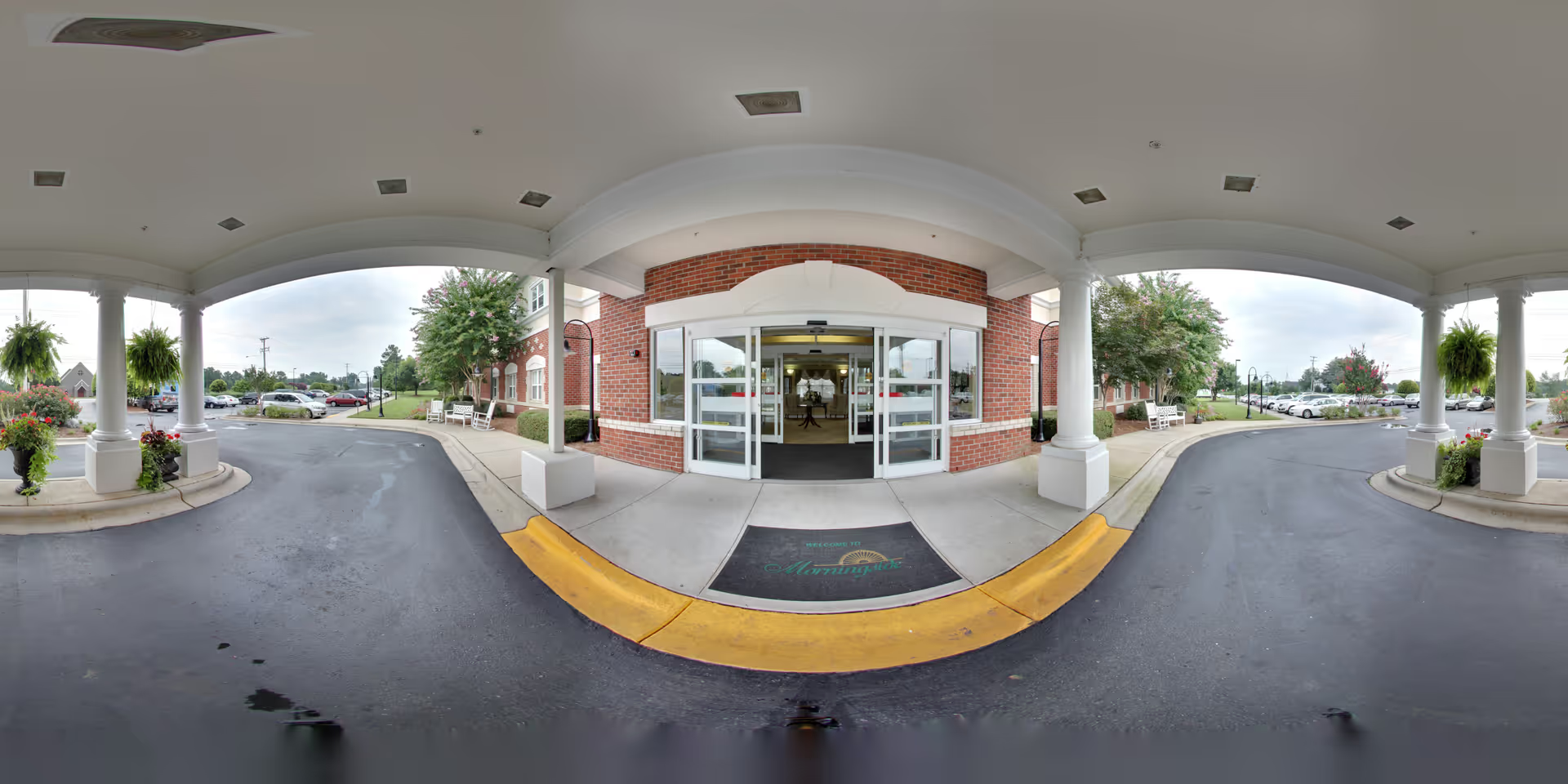
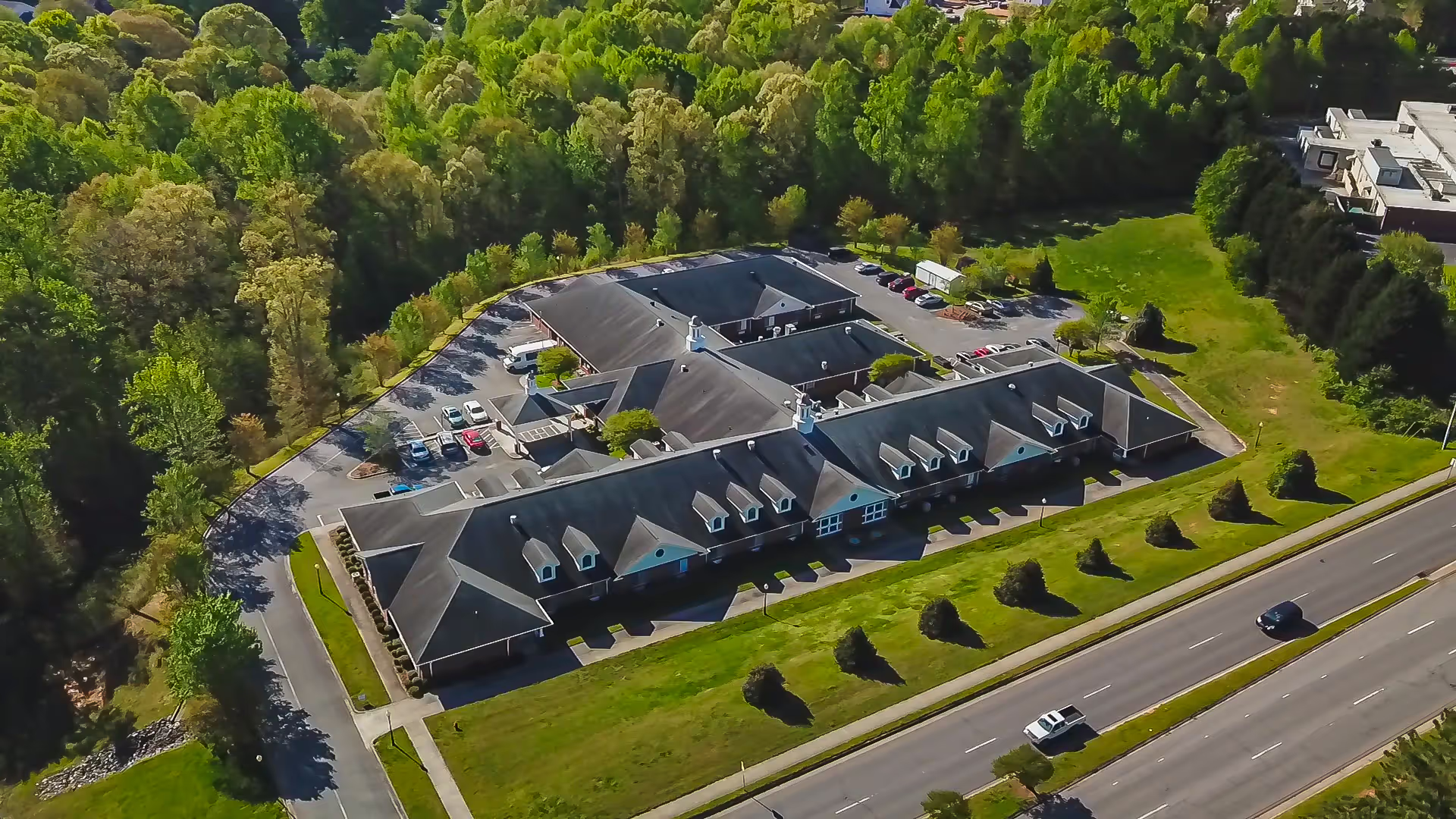
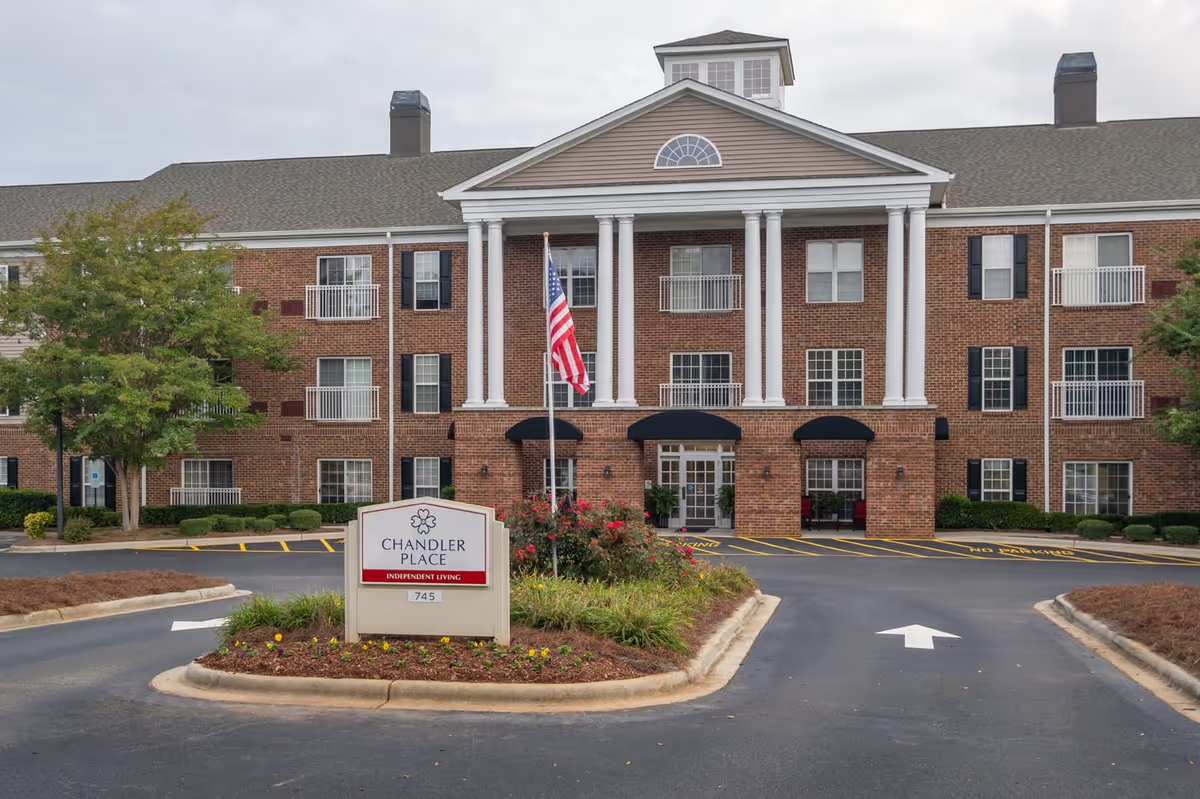
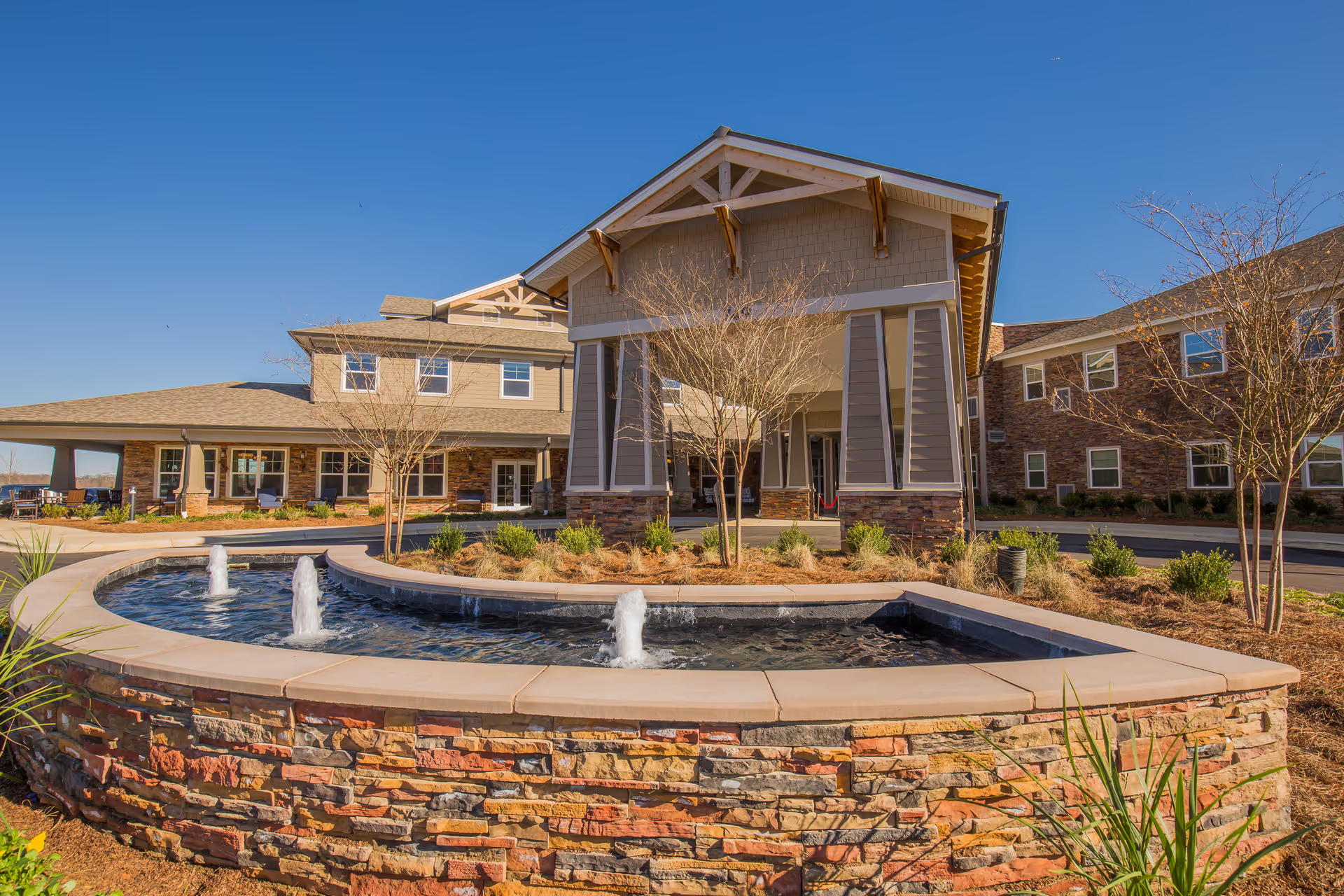
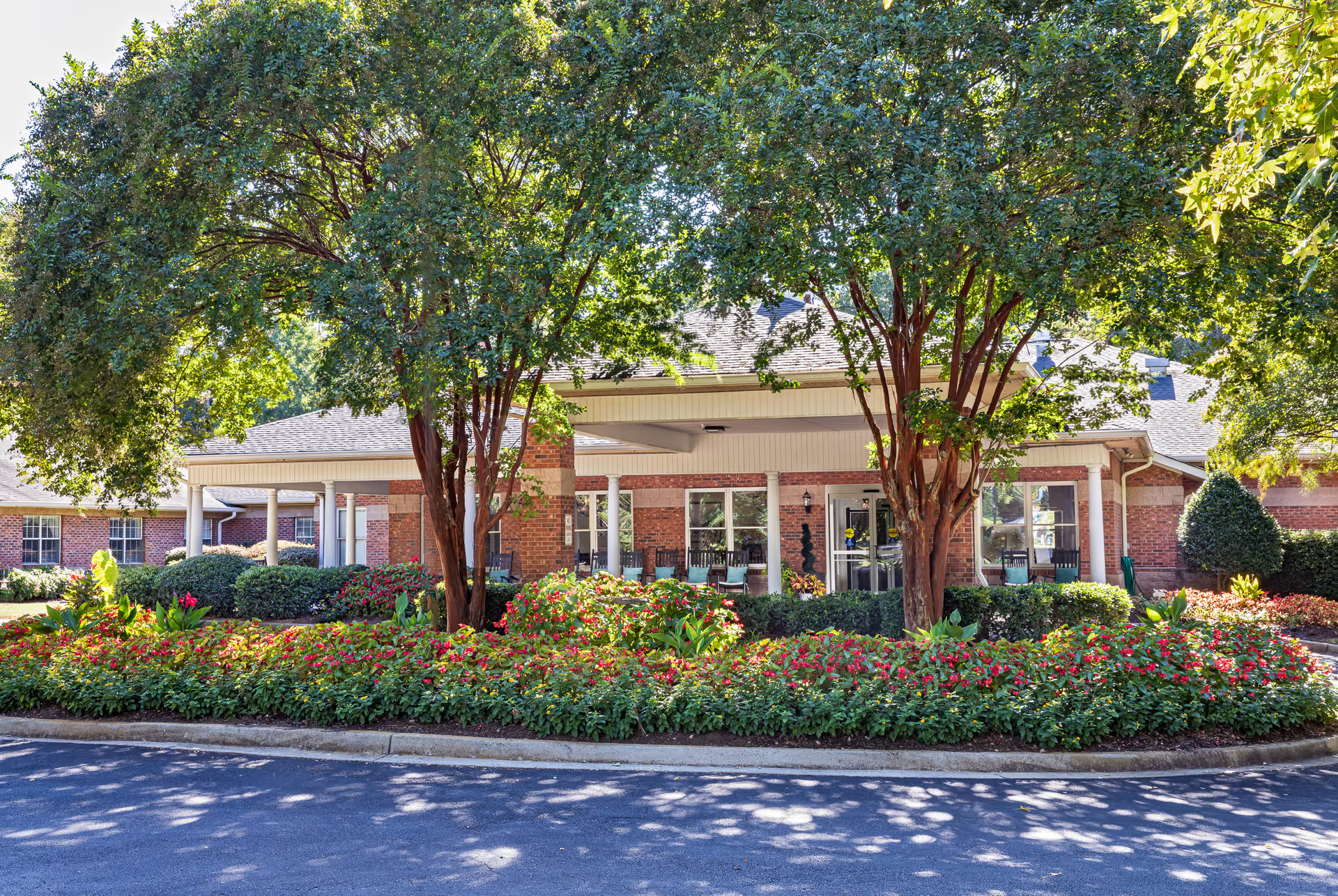
Facility physicals are generally characterized as comfortable and homelike. Several commenters describe clean common areas, well-kept apartments (including one-bedroom units with kitchenettes), and accessible community spaces. At the same time, there are recurring notes about an older building in places, small studio rooms for certain units, and occasional maintenance or housekeeping inconsistencies that affect specific areas or time periods.
Management and administrative operations are the most frequent source of concern. Common themes include slow or inconsistent responses to family emails and voicemails, uneven onboarding experiences, challenges with sales-to-admissions follow-through, and billing or contract transparency issues (including unexpected charges or deposit handling). Staffing stability is uneven: reviewers describe periods of turnover, use of temporary staff with variable performance, and consequential gaps in continuity of care. These operational issues appear to correlate with reports of delayed responses to call buttons, missed or irregular bathing and assistance schedules, and unresolved care-planning meetings.
Clinical-process weaknesses are another notable pattern. Families raise concerns about medication-management communication (for example, medication changes without caregiver notification), perceived gaps in memory-care assessment and staff training, and inconsistent notification following safety incidents. There are also isolated but significant safety-related comments that families cite as prompting escalation or re-evaluation of placement; these underscore the importance of clear incident-response protocols and timely family communication.
Taken together, the reviews suggest Lake Wylie is a community with many genuine strengths in daily resident engagement, hands-on caregiving, and available clinical supports, but with operational variability that can affect individual experiences. Prospective residents and families would benefit from focused questions during tours and contract discussions: ask about staffing ratios and turnover, call-response metrics and escalation pathways, written incident‑notification and care‑planning policies, menu rotation and dietary accommodations, and exact billing practices (including respite minimums and deposit handling). Visiting during mealtime and activity periods and meeting with both direct-care staff and current families can help assess whether the facility’s strengths align with specific care needs and expectations.