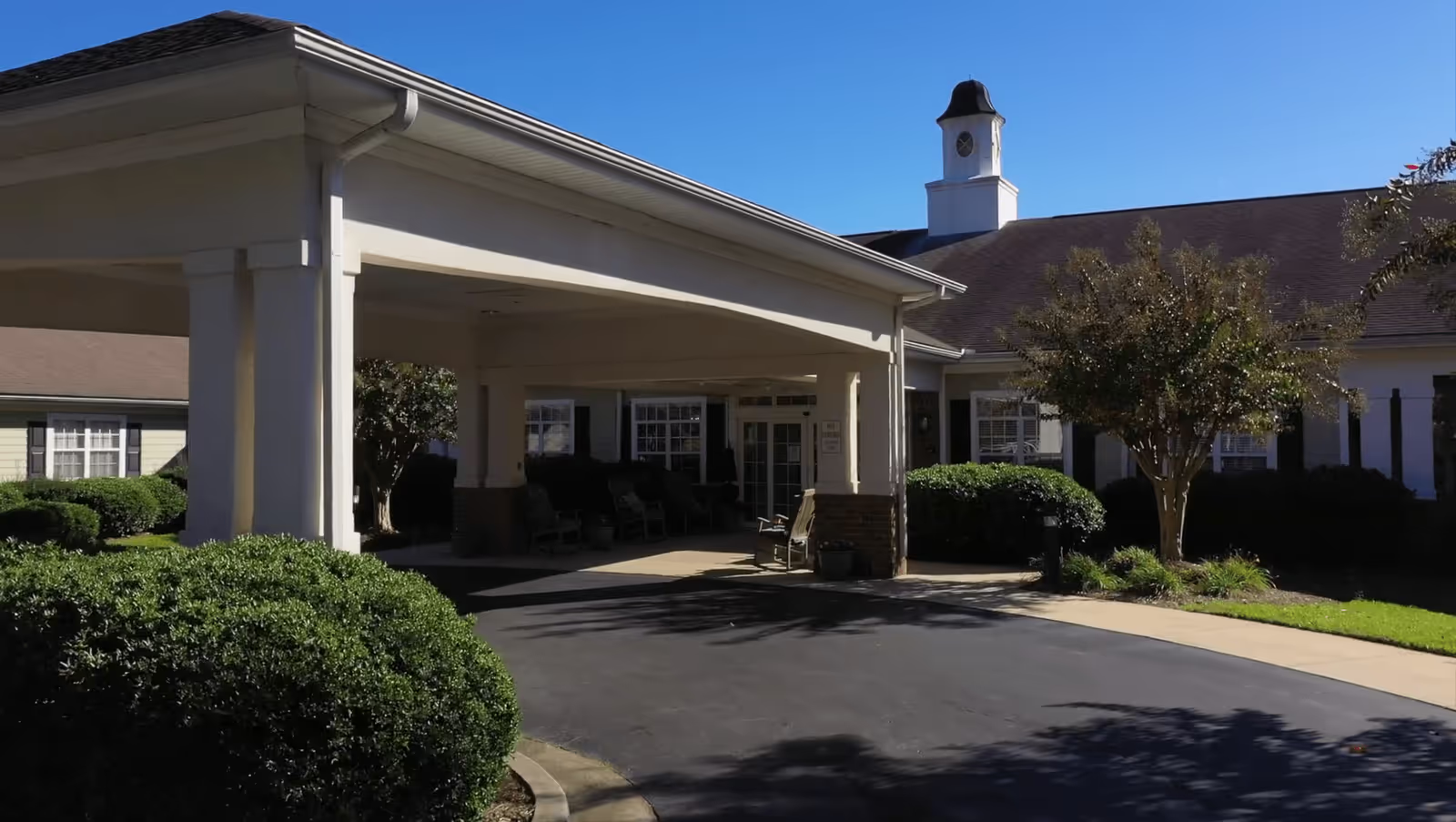
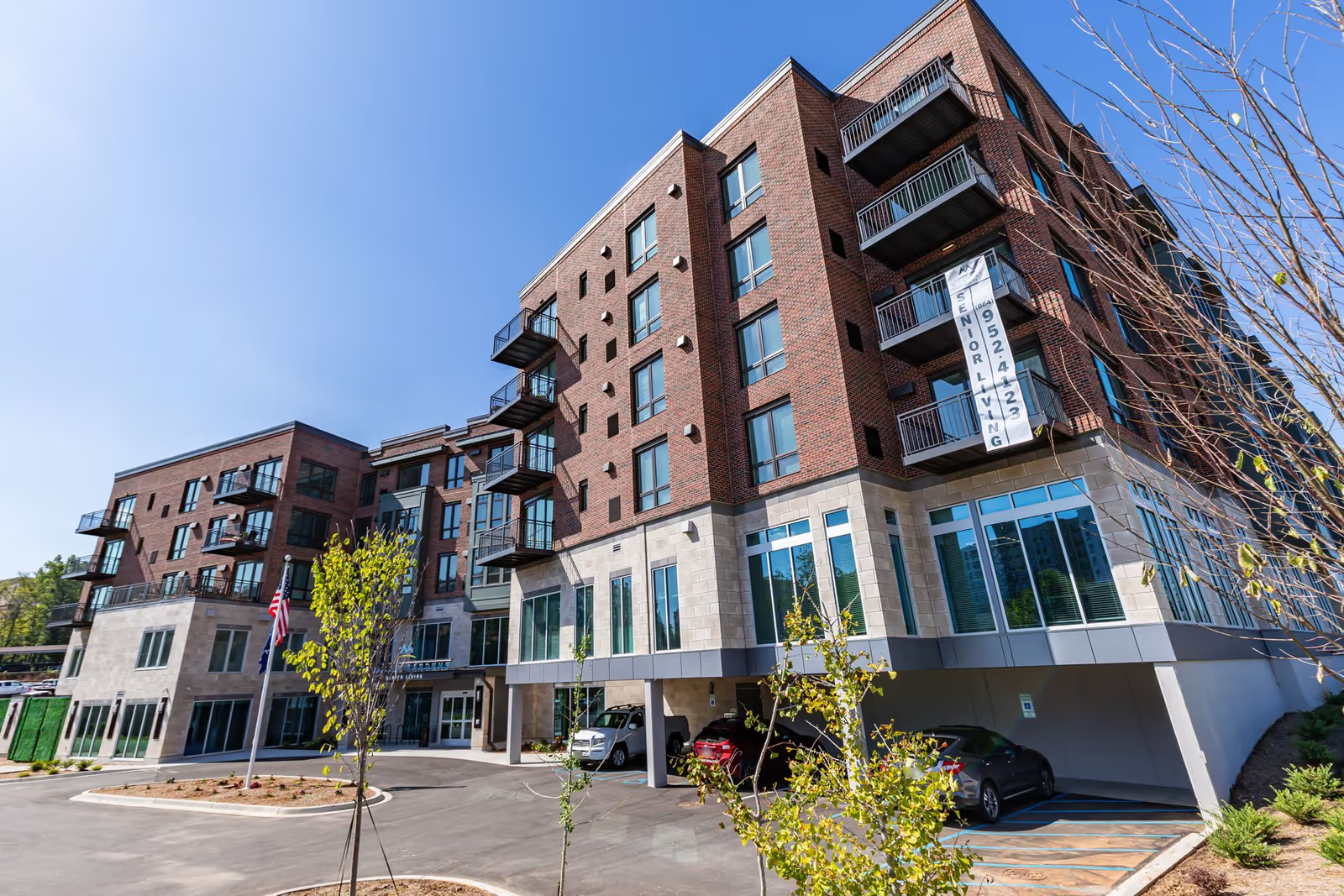
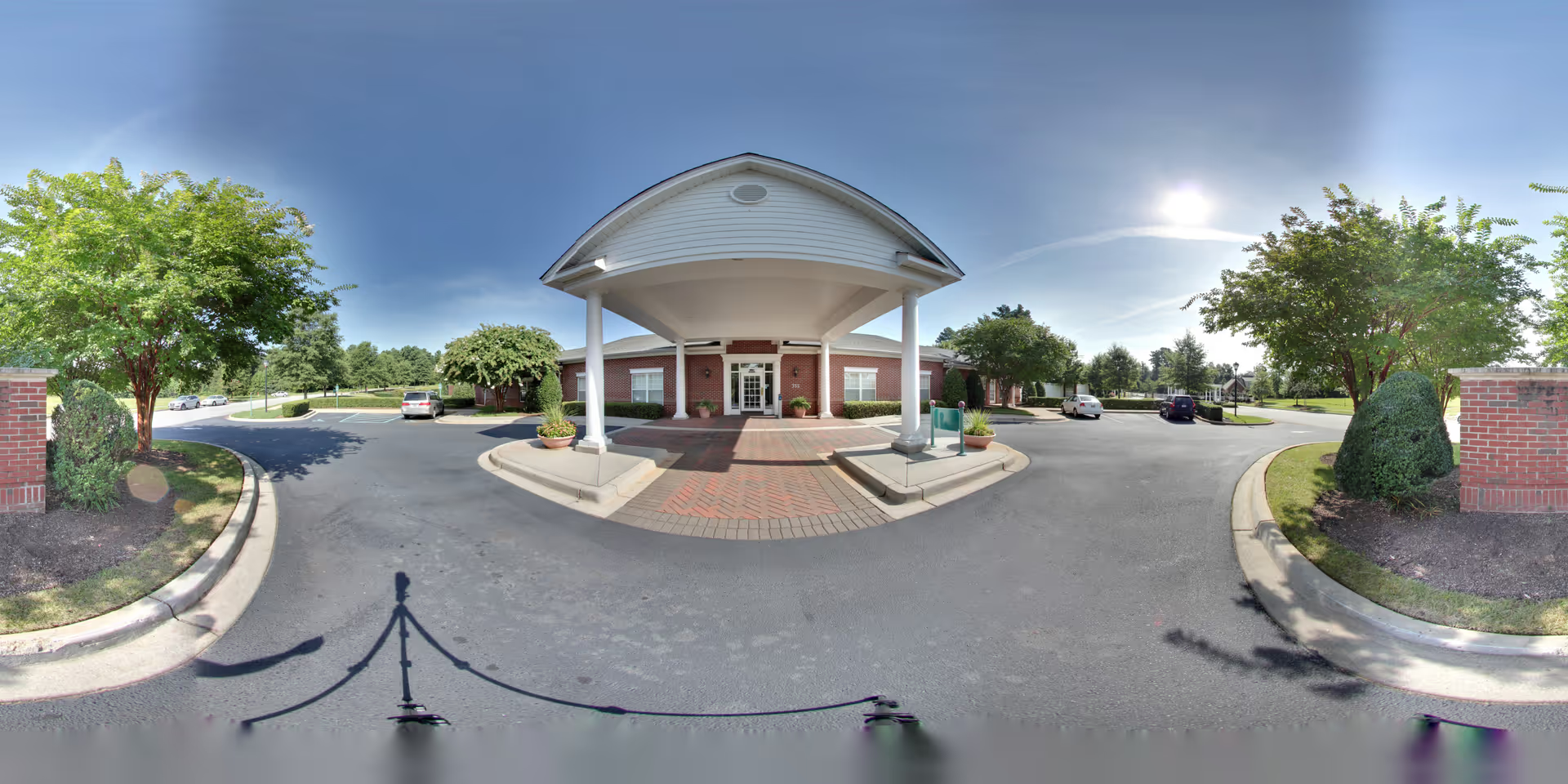
The reviews present a mixed picture of Manna Post-Acute. Many families praised the facility's therapy programs, clinical providers, and several individual staff members who demonstrated compassion and clinical skill. Strengths commonly cited include on-site physical and speech therapy, a dedicated therapy area, knowledgeable medical providers and nurse practitioners, supportive social-work/case-management assistance, and a generally well-maintained physical environment with spacious suite options and outdoor communal areas.
Care quality feedback is divided. Positive comments highlight therapists who helped residents regain strength and independence and nursing staff who provided attentive care. However, a substantial number of reports raise concerns about medication management (including at least one serious medication error), delays in administering pain relief or other medications, and apparent gaps in fall-prevention practices. These clinical-safety concerns are compounded by accounts of slow responsiveness to call lights and requests for assistance, and several reviewers described limited assistance with activities of daily living, including incontinence-care delays.
Staffing and communication emerged as central themes. Reviewers described variability in staff performance by shift: some caregivers and third-shift staff received strong praise, while others were characterized as distracted or insufficiently supervised. Families reported difficulty reaching nurses by phone, poor follow-up from administration, and delays or obstacles when requesting medical records. There are also accounts of uneven management oversight — for example, responses to incidents and family outreach were sometimes cited as inadequate. One review included an allegation of coercive consent practices; given the seriousness of such claims, families may wish to inquire directly about consent protocols.
Dining and activities are inconsistent across accounts. Some reviewers enjoyed meals and found the dining areas pleasant; others described repetitive or poorly flavored food and problems with meal temperature. Activities and programming were frequently noted as positive, with bingo, puzzles, and organized therapy-based activities contributing to engagement for residents.
The facility's physical plant received mostly favorable comments: many reviewers appreciated roomy suites (including private options), independent thermostat controls, elevators, and landscaped grounds. At the same time, a few reviewers reported that rooms could become uncomfortably warm and identified sanitation or odor concerns in specific areas.
Notable operational patterns include variable weekend therapy coverage, inconsistent incident-response coordination (including transitions to hospital or hospice), and delays in releasing medical records to families. Given the mix of strong clinical/therapy resources and recurring operational weaknesses, prospective residents and families should consider on-site visits at different times of day and on weekends, ask specifically about staffing ratios, fall-prevention measures (bed alarms, monitoring), medication-safety protocols, weekend therapy availability, and the facility's process for sharing medical records and communicating after adverse events. These targeted questions can help families weigh the facility's therapeutic strengths against the operational risks described in these reviews.