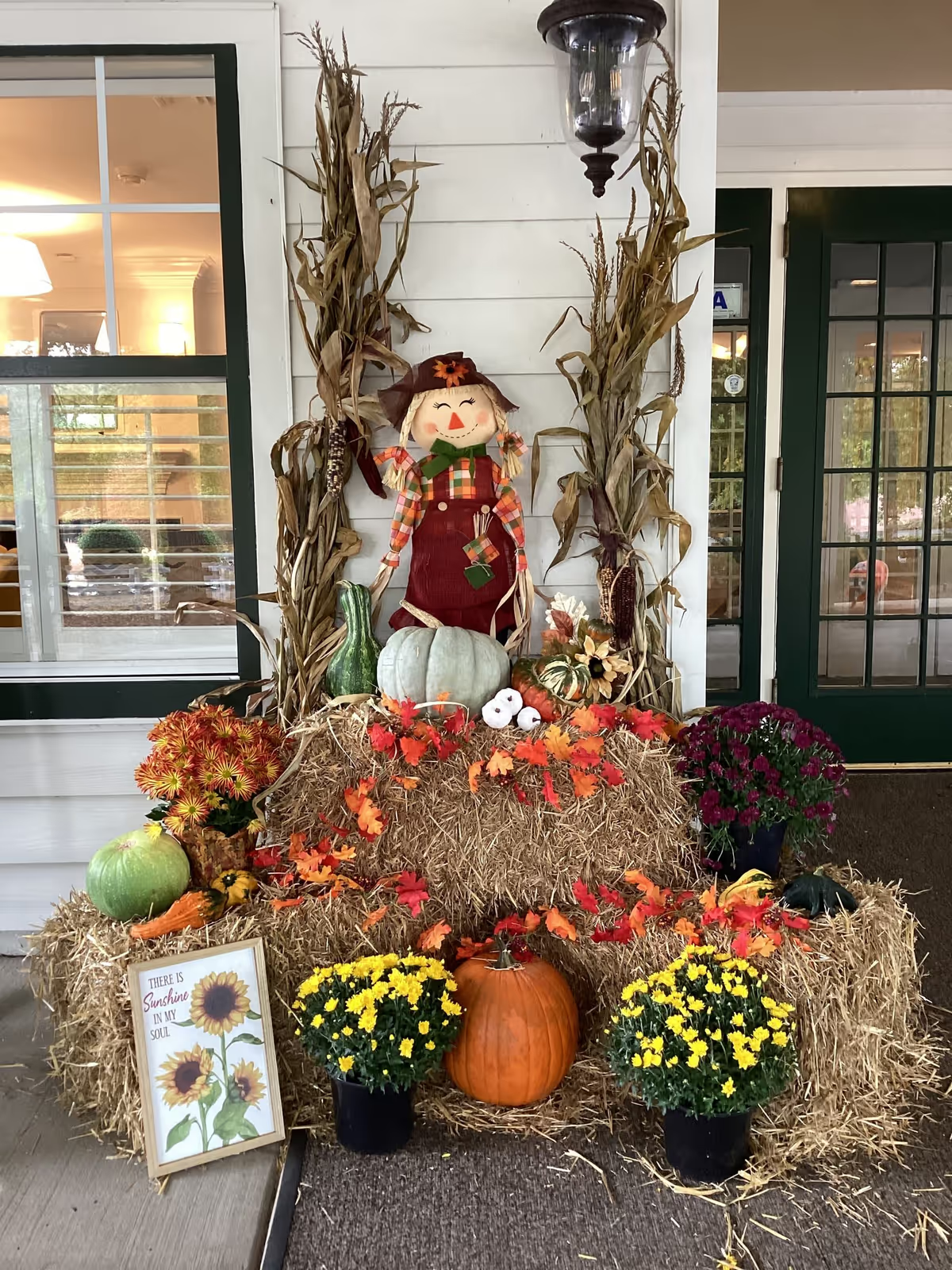
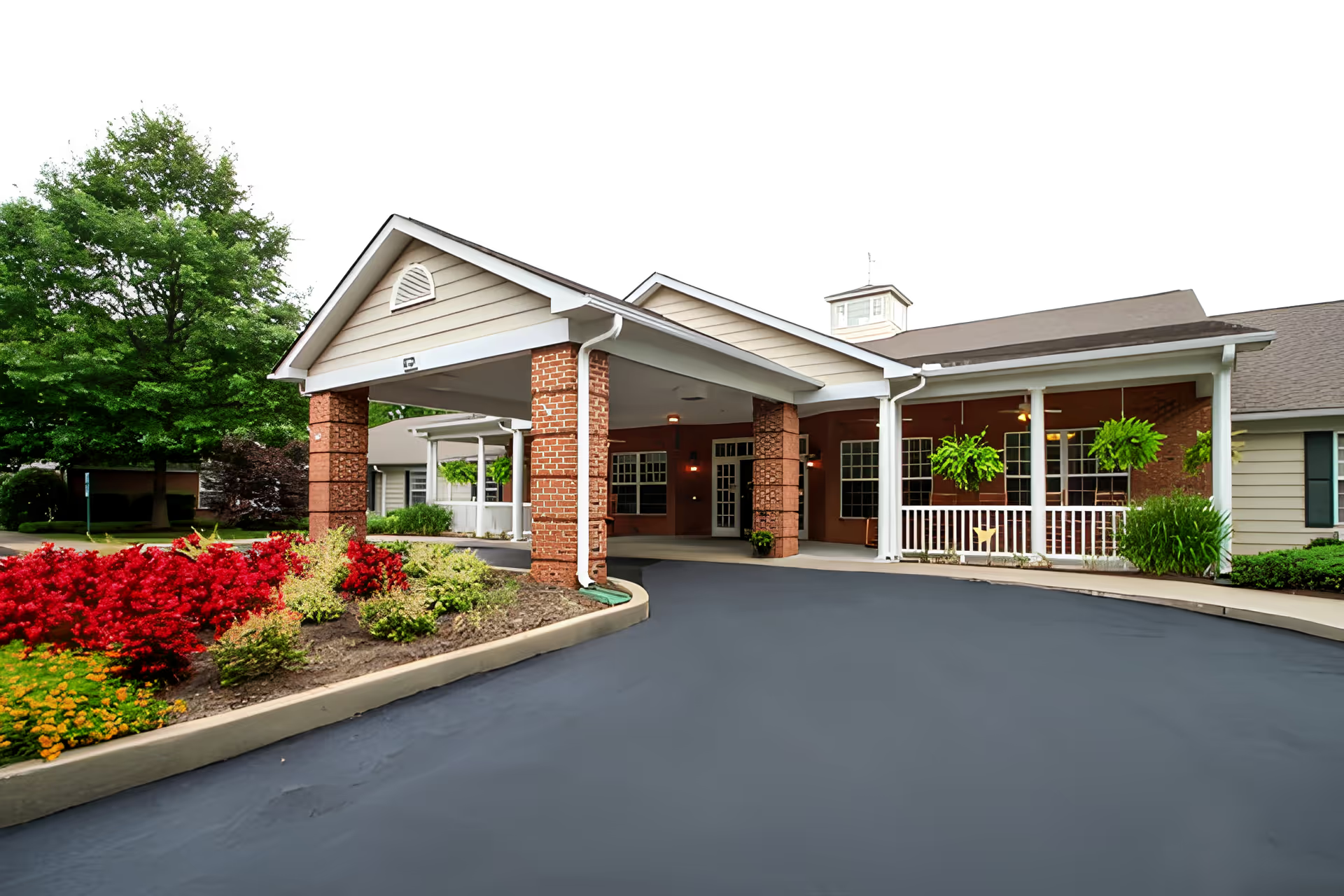
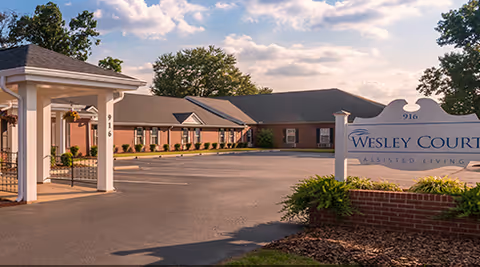
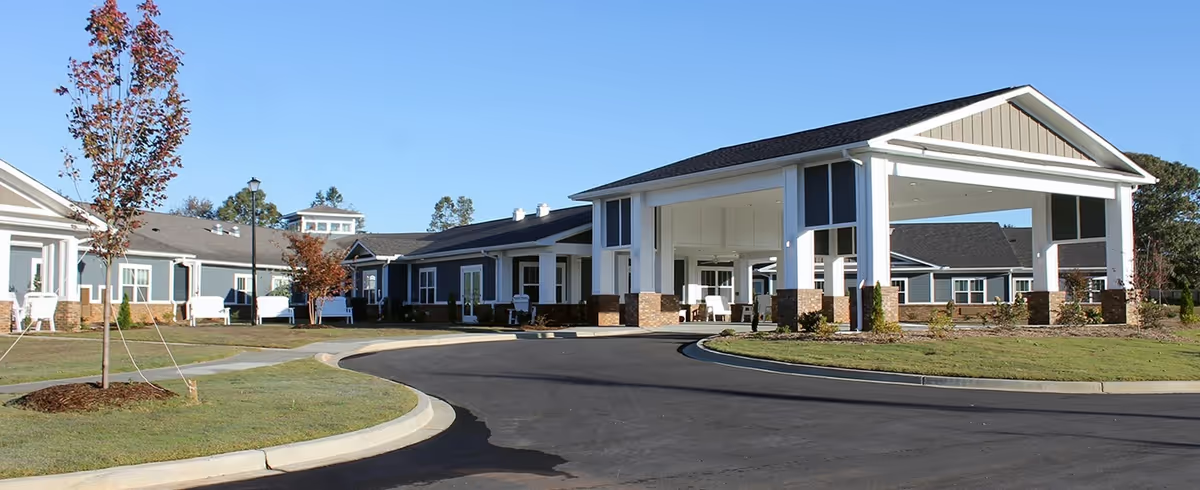
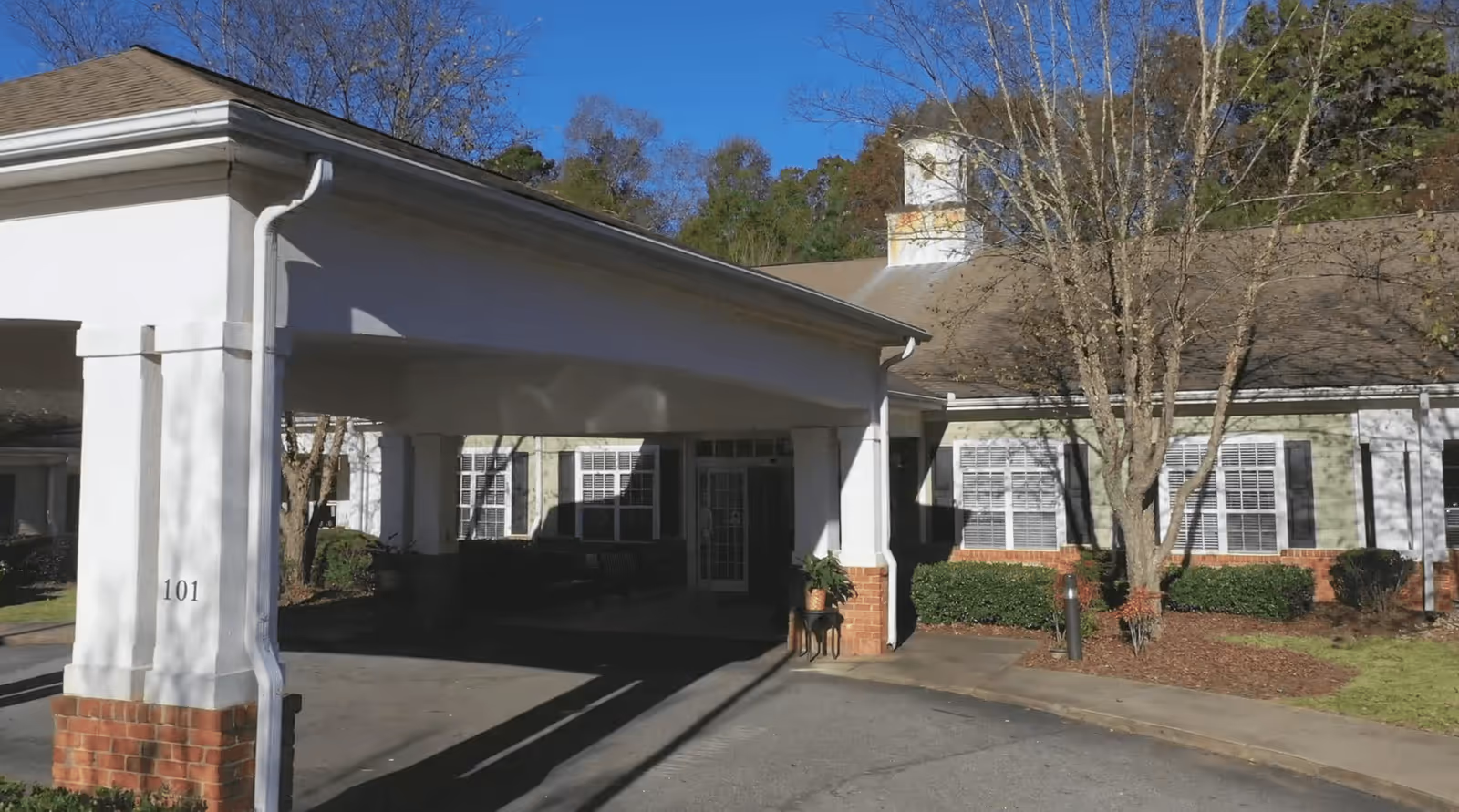
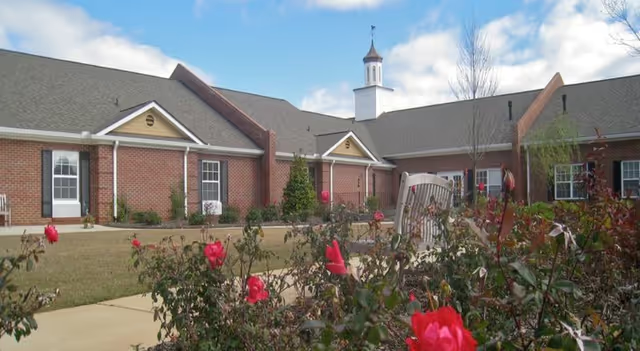
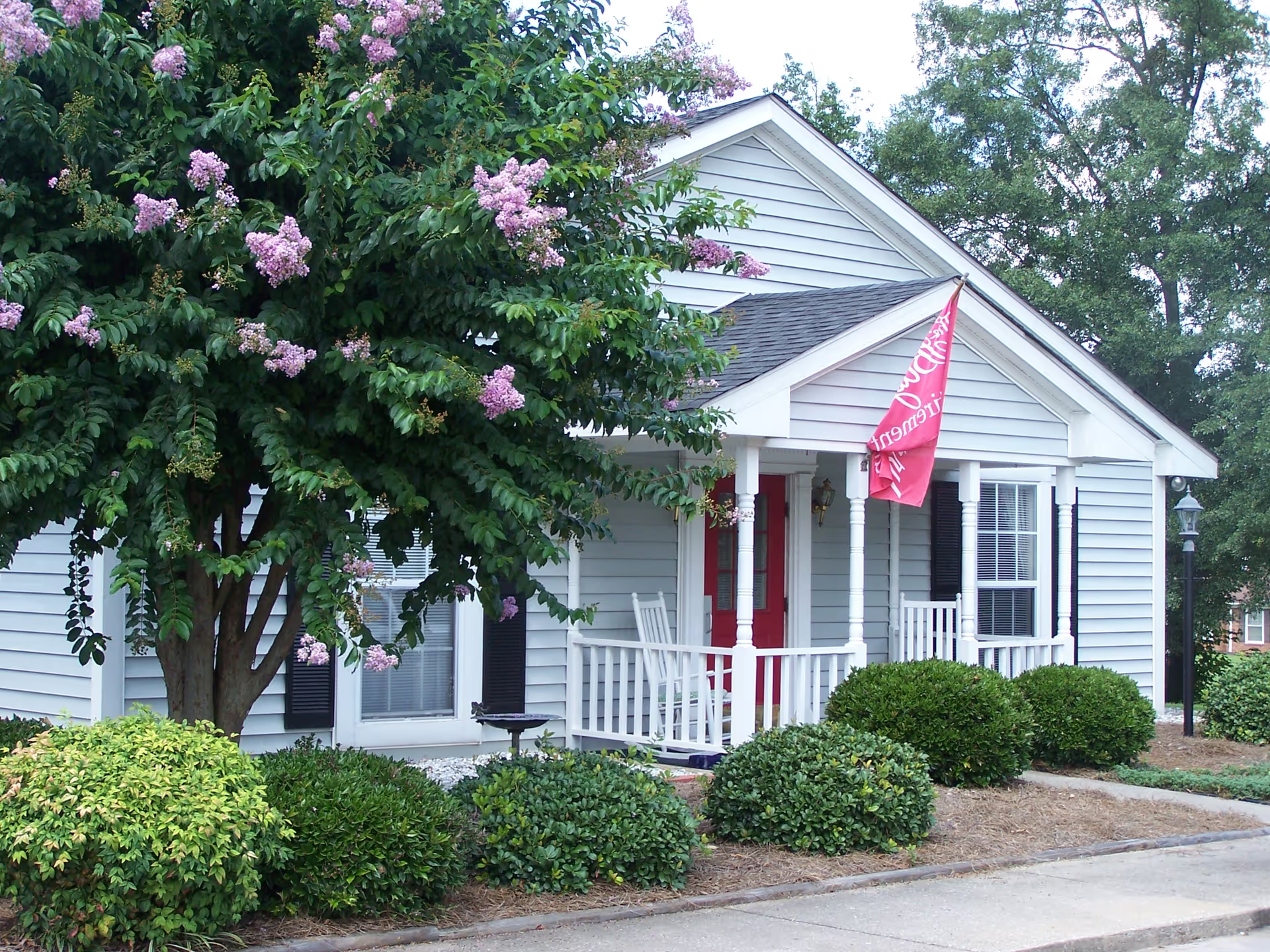
The Inverness at Spartanburg presents as a modern, well-appointed senior living community with many strengths, but also recurring operational challenges that prospective residents and families should weigh. Physically, the property is frequently described as bright, renovated, and well maintained, with appealing common spaces such as a movie room, game room, beauty salon, courtyard, porches with rocking chairs, and accessible outdoor areas. These amenities contribute to a family-like atmosphere and support social engagement.
Care and staffing account for the most polarized feedback. Many families describe caregivers as compassionate, attentive, and willing to go above and beyond; leadership and clinical staff are often characterized as experienced and approachable, with 24-hour medical connectivity available. At the same time, reviewers repeatedly raise concerns about staffing levels on the care floors. Short staffing is linked to delayed medications, late or missed showers, single med-tech coverage in certain units, and episodic suspension of activities. These operational constraints appear to affect consistency of day-to-day care even when individual staff members are described positively.
Dining and activities are notable strengths in many accounts: the community runs a varied activities program (bingo, trips, seasonal events, church services, family nights) that supports resident socialization and engagement. Food quality is described inconsistently — some families praise meals and special events (ice-cream socials, holiday activities), while others note cold or low-quality meal items and an uninviting dining-room experience on occasion (use of disposable serviceware and less appealing dining presentation). Activity programming also seems sensitive to staffing levels; several families noted that events can be reduced when staffing is constrained.
Facility operations and management feedback is mixed. Many reviewers praise responsive office staff, a welcoming admissions process, and prompt correction of minor issues. However, other families describe lapses in communication (including inadequate notification about transitions to memory care), inconsistent follow-through on complaints, and uneven response during management transitions. There are also mentions of sanitation concerns in specific resident rooms or during remodeling work, and instances where work oversight left rooms in disarray. A small number of serious claims include allegations of unnecessary hospital transfers and disputes over refunds; these kinds of issues were raised alongside broader concerns about communication and accountability.
Practical takeaways for families: the Inverness offers a strong social environment, modern facilities, and many dedicated staff members, but prospective residents should clearly evaluate operational elements that affect daily life. Recommended due diligence includes asking about staffing ratios by unit and shift, medication-administration protocols and audit results, dementia-care staffing and integration between memory-care and general units, recent or planned construction impacts, dining-service samples and dining-room procedures, cleaning and sanitation audits, and the facility’s family-notification policies for clinical or behavioral changes. An in-person tour during a typical activity period and direct conversations with charge nurses or the executive director can help clarify how consistently the community delivers on its strengths and how it manages known operational pressures.