Overall impression: Reviews present a divided picture of White Oak Spartanburg. Many families and residents praise the staff, cleanliness in common areas, social programming, and some recently updated portions of the building. At the same time, a set of recurring operational and clinical concerns appears across other accounts, producing variability in experience depending on unit, time, or staffing levels.
Care quality: Clinical strengths include staff who are described as calming, attentive in emergency situations, and capable of providing peace of mind for some families. However, there are consistent concerns around care for residents with cognitive impairment: reviewers describe limited dementia-care expertise, an absence of a clear dementia-care strategy, and shortcomings in rehabilitation and therapeutic supports. Several accounts also point to inconsistent assistance with activities of daily living (hygiene and feeding) and gaps in medication-management practices specifically related to cognitive conditions. These issues suggest variability in training, protocols, or staffing allocation for higher-acuity care needs.
Staff and management: Staff are frequently characterized as warm, helpful, and professional; many reviewers attribute improved outcomes to individual caregivers. Conversely, there are reports of inconsistent responsiveness, instances of distracting personal phone use, and communication that some families found insensitive. Management appears to be in flux for portions of the facility: some reviewers note a positive turnaround and improved staffing, while others report operational inconsistencies such as frequent room relocations and concerns about handling of residents' personal property. These contrasting reports indicate uneven managerial implementation across time or units.
Dining and nutrition: Dining experiences are mixed. Positive comments reference varied, tasty meals and pleasant dining spaces. Criticisms focus on inconsistent food quality, meals that do not always adhere to prescribed dietary plans, and occasions when entrée variety or preparation were unsatisfactory. There are also kitchen-sanitation concerns raised alongside reports of past pest issues; one reviewer indicated the pest issue is now under control, which suggests remediation efforts have occurred but that sanitation and food-service consistency remain areas to monitor.
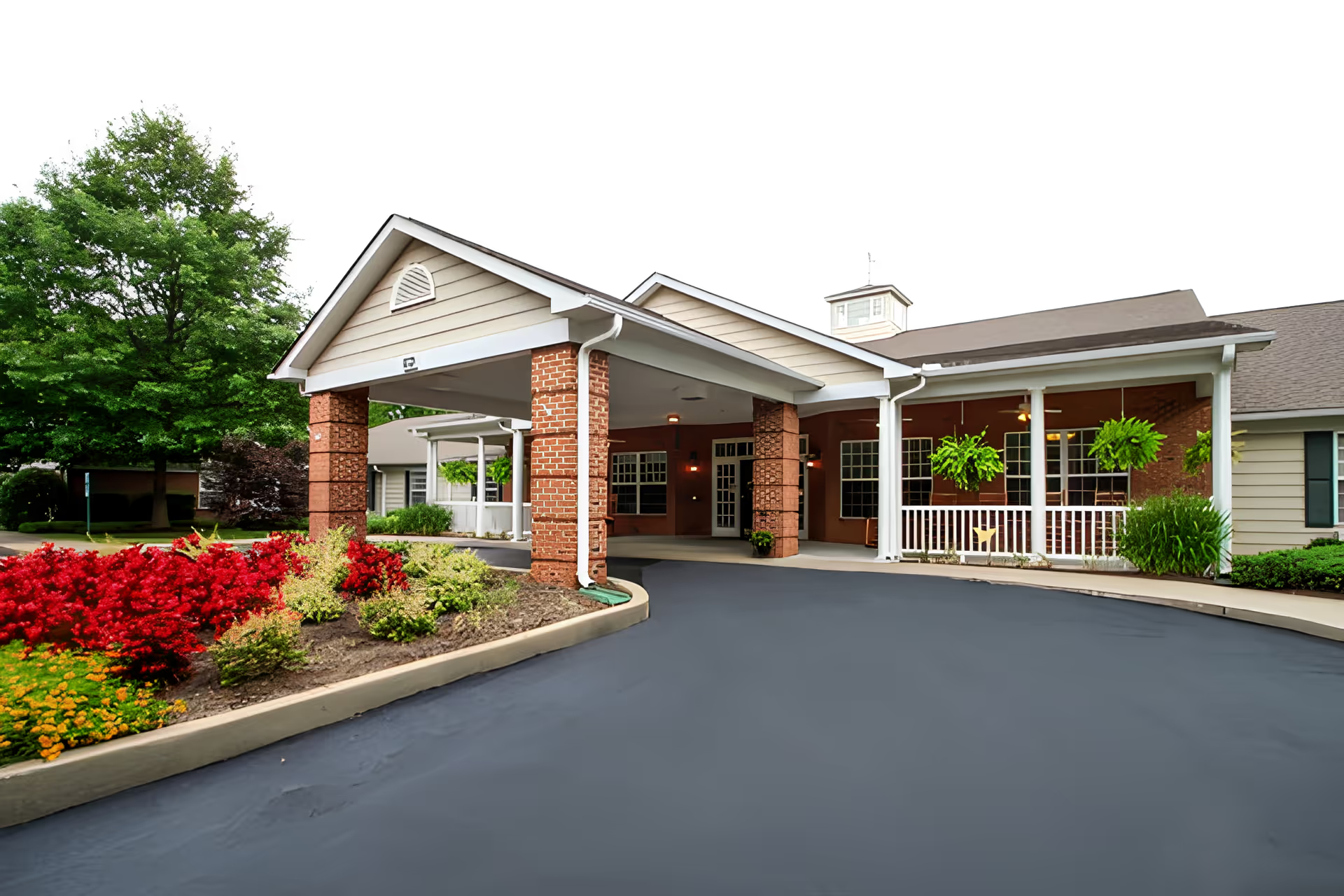
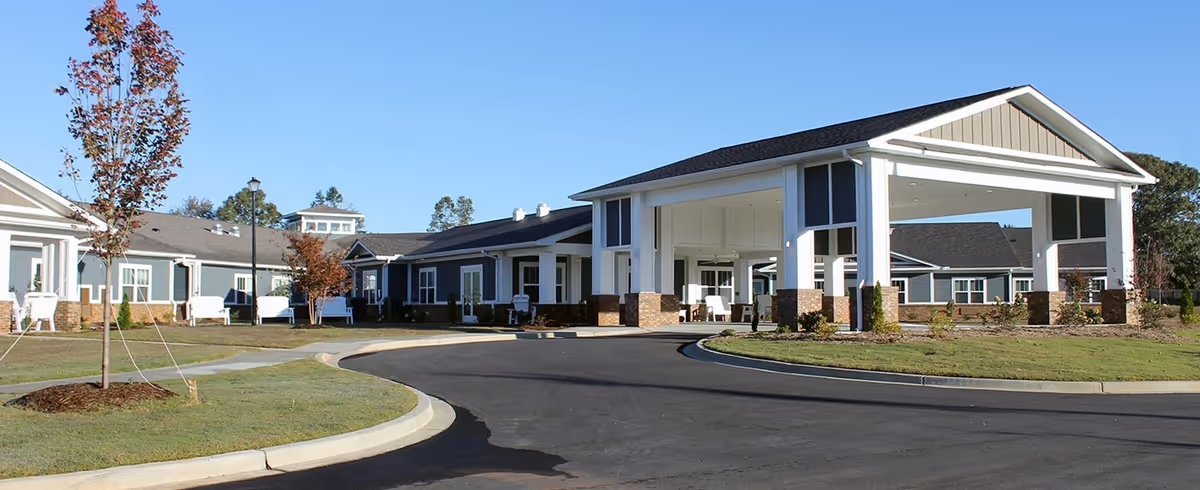
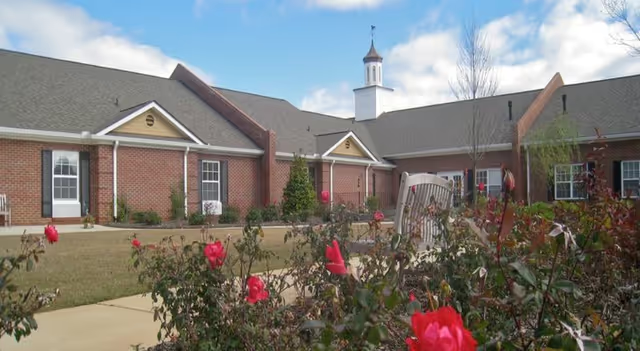
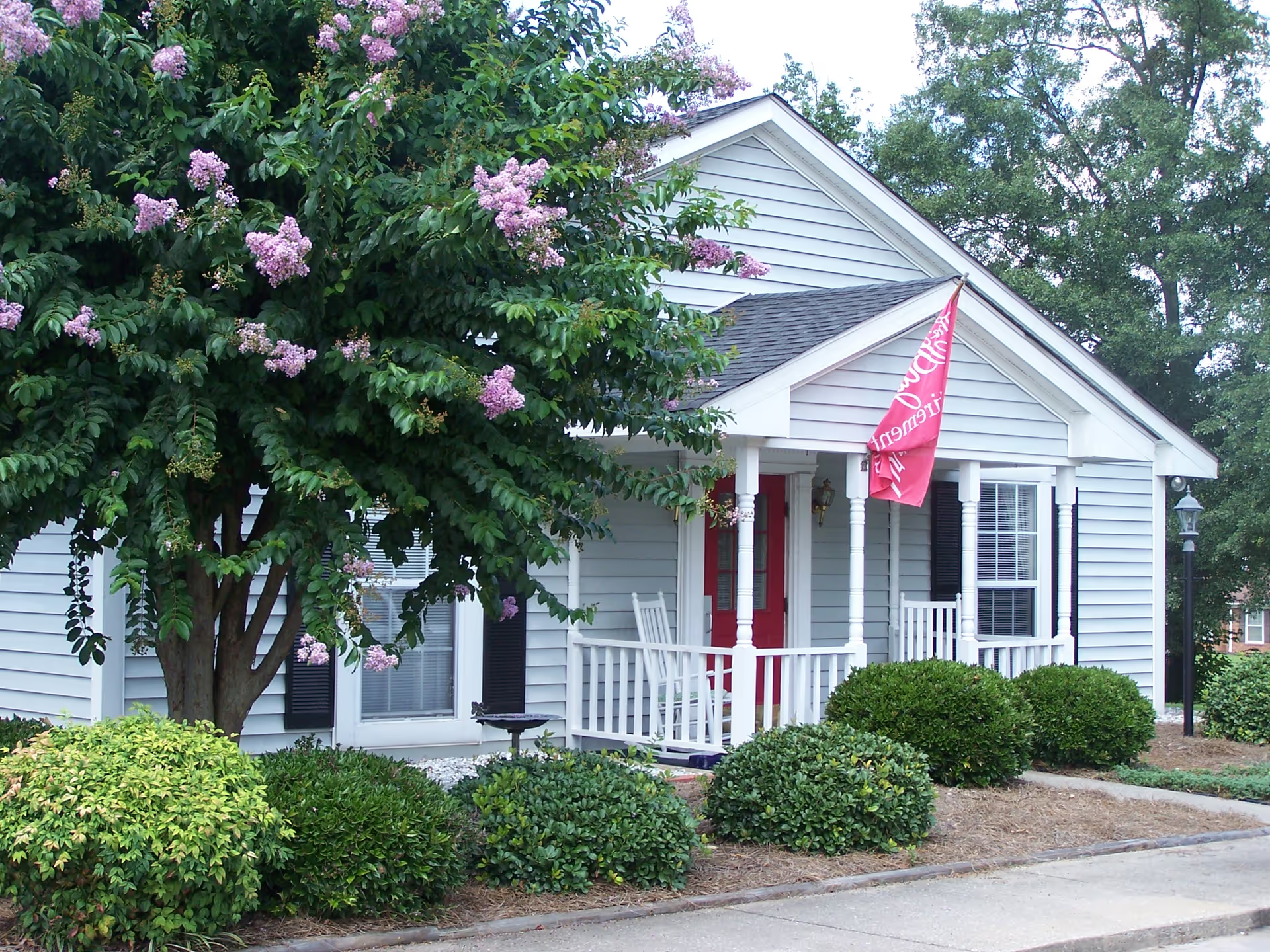
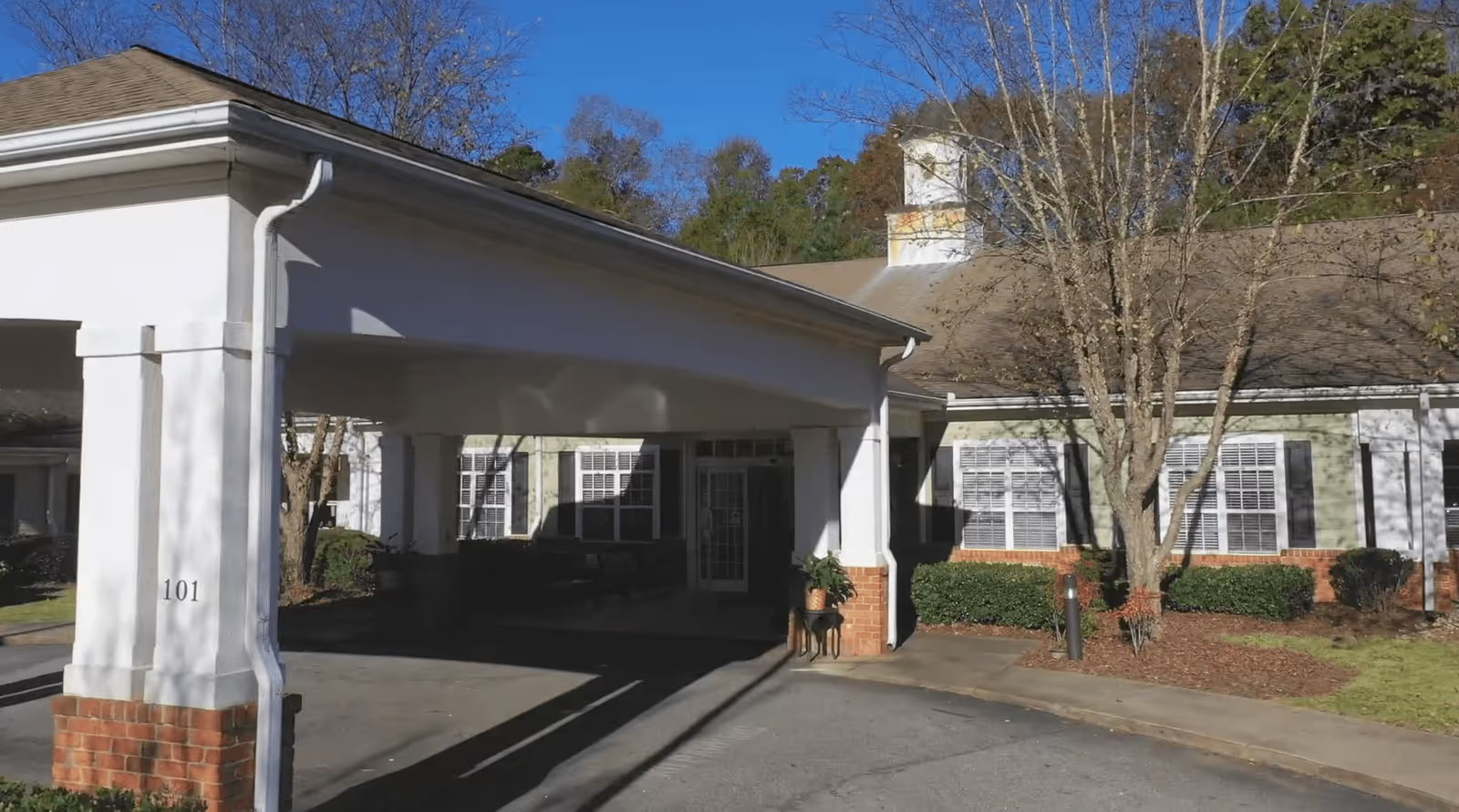
Activities, visitation, and environment: The facility offers active daily programming, many joyful activities, an outdoor courtyard, and an open visitor policy—features that families appreciated. Physical plant descriptions vary: some areas are clean and well kept, while other parts of the building are described as older, cramped, or in need of updates. Odor concerns in some hallways and uneven maintenance across units were mentioned, which aligns with the mixed reports about overall housekeeping consistency.
Notable patterns and implications: The overall pattern is one of contrast—strong individual caregivers and pleasant communal amenities in some areas, alongside systemic weaknesses in dementia-specific care, meal-service reliability, pest-control and sanitation practices, and operational consistency (staffing, room moves, and property management). Prospective families should ask detailed questions about the facility’s dementia-care protocols, staff training and ratios, medication-management procedures for cognitive conditions, kitchen sanitation and dietary monitoring, pest-control measures, and policies around resident moves and handling of personal effects. The facility has positive attributes that matter to many families, but the variability described suggests outcomes may depend heavily on unit assignment, current staffing, and recent management practices.