Reviews indicate a facility with clear strengths in frontline caregiving and community atmosphere alongside recurring operational weaknesses. Families and visitors frequently describe direct care staff as compassionate, attentive, and willing to go beyond minimum duties; several comments note the presence of a licensed RN, a warm resident community, and an active daily activities program. Many reviewers also cited the facility as an affordable option—particularly for residents on public benefits—and appreciated the ability to personalize rooms with private furniture and dorm‑style private rooms in some areas.
Care quality observations are mixed. Positive impressions center on staff dedication and moments of high‑quality hands‑on care, while systemic issues were cited that affect consistency of clinical services. The most recurrent clinical concern relates to medication management: reviewers described supply interruptions and missed doses, which point to gaps in pharmacy coordination, inventory control, and administration oversight. Staffing shortages and turnover were commonly linked to delays in routine care and reduced availability of services. Several families reported that staff usually try to provide good care but are hampered by limited staffing and management instability.
Dining and activities show variability. The activities program is a frequently mentioned strength, with organized daily options appreciated by residents. Meal comments are inconsistent: some reviewers praised adequate options and portions on certain days, while others described meals as carbohydrate‑heavy with limited fresh fruit and vegetable choices. Ancillary services such as transportation and off‑site outings appear to have been reduced relative to past offerings according to multiple accounts.
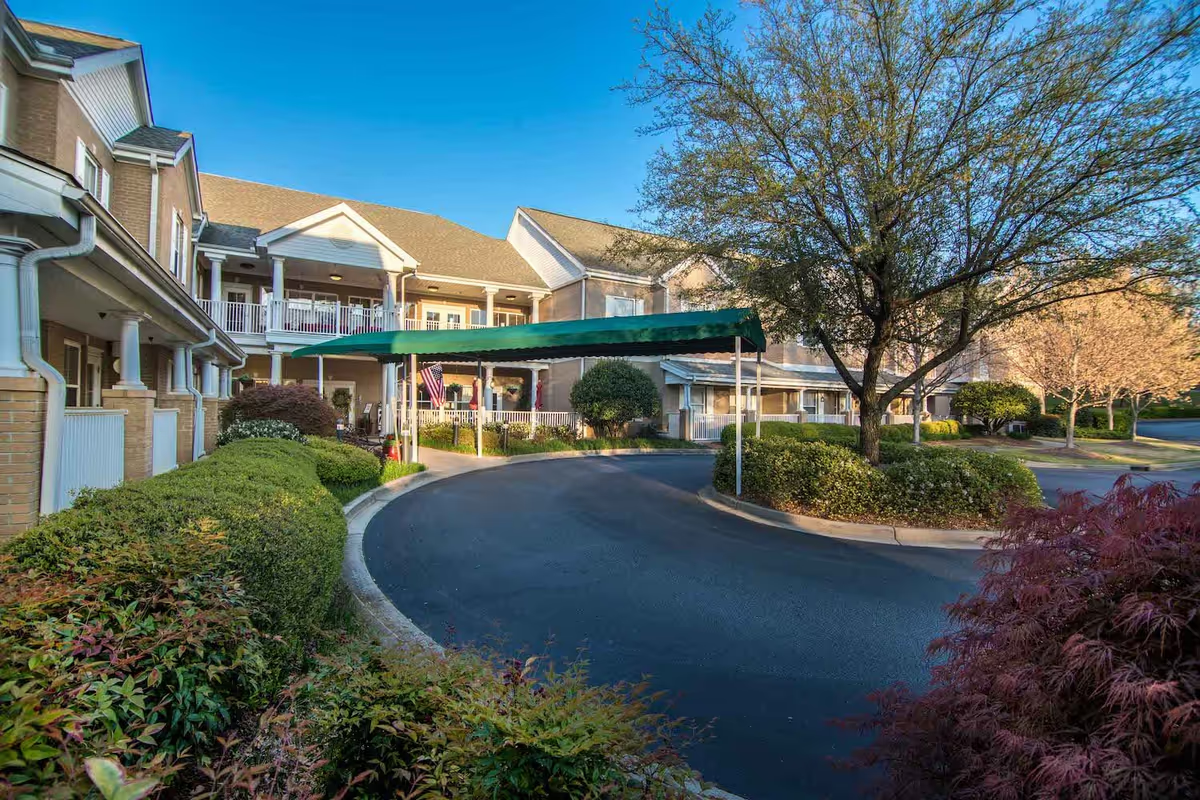
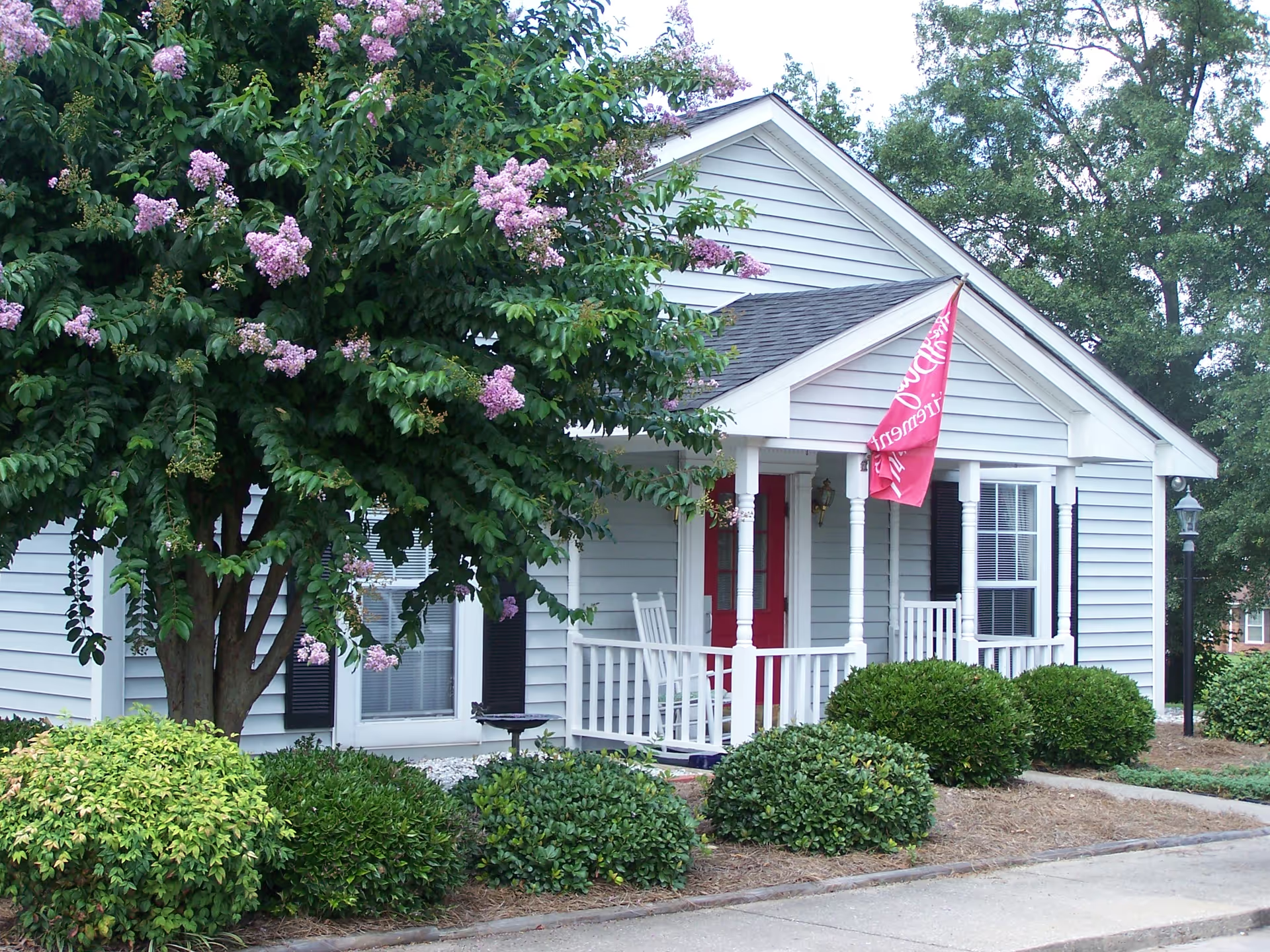
Facility and safety observations are mixed. Positive notes include generally clean public areas and a homelike atmosphere in parts of the building. At the same time, several practical facility concerns recur: portions of the building feel dated, there are sanitation and pest‑control concerns in some areas, and some units are high‑density with shared bedrooms and bathrooms that could affect privacy and comfort. A few reviewers raised concerns about environmental safety controls and property security, including mail and package handling and protection of residents' personal belongings.
Management and administrative practices are the area with the most consistent negative feedback. Families reported frequent changes in administration, slow or unresponsive communication from the point of contact, delays in Medicaid and benefits paperwork, and problems with billing, invoicing, and refund or reimbursement follow‑through. These administrative deficiencies appear to contribute to family frustration and undermine otherwise positive frontline caregiving experiences.
Notable patterns: frontline staff performance is generally a strength, whereas leadership, administrative systems, and operational consistency are recurring weaknesses. Prospective residents and families should prioritize an in‑person visit focused on current staffing levels, medication administration procedures, billing practices, security for personal property, dining menus, and room‑sharing arrangements. Asking for written protocols on medication management, staffing ratios, recent regulatory or health‑inspection outcomes, and examples of recent activity and transportation schedules may help clarify whether the facility’s current operations meet a prospective resident’s needs.