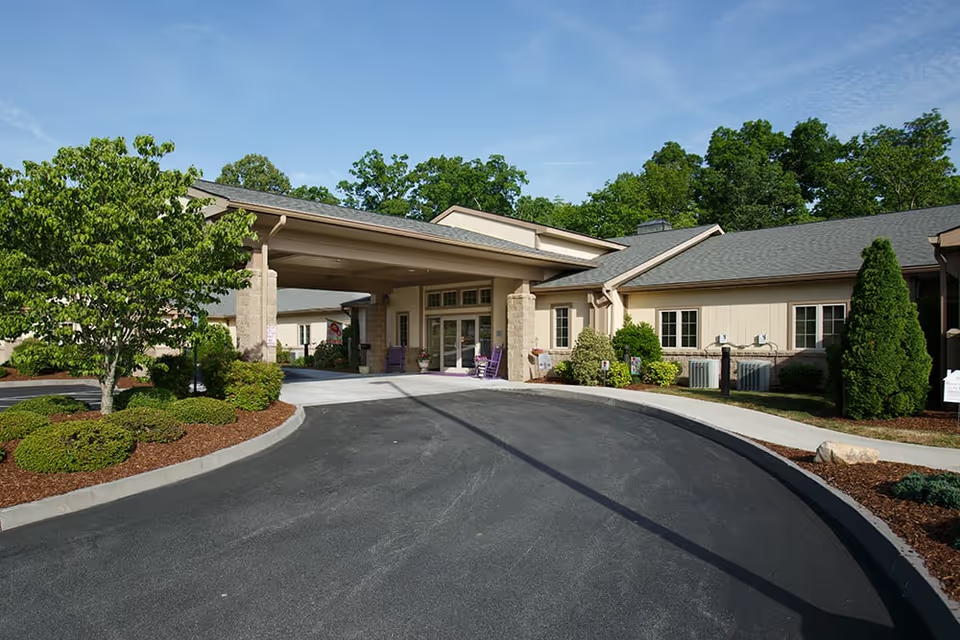
Viviant Healthcare of Bristol elicits strongly mixed impressions. Many families and visitors describe a core of compassionate, dedicated staff — particularly among nursing, therapy, housekeeping, and reception teams — who create a welcoming atmosphere, foster friendships, and deliver observable rehabilitative progress for some residents. Positive remarks highlight accessible PT communication, engaging activities, appreciated meal service, and areas of the facility that are well maintained and clean. Multiple accounts also note that the facility has shown improvement over time and that staff frequently go beyond basic duties to support residents and families.
At the same time, a recurring set of operational and clinical concerns appears across accounts. There are multiple descriptions of inconsistent clinical care and medication-management controls, including missed or delayed treatments and canceled external appointments, which families identify as affecting clinical outcomes. Personal-care processes such as bathing and incontinence-related care are described as irregular, and there are instances of pressure wounds and functional decline cited after transfers or during stays. These issues suggest gaps in routine care delivery and prevention practices.
Communication and management present additional patterns of risk. Several families describe poor responsiveness from administration, unclear or delayed family notification about incidents, and weak coordination with outside providers. Financial-transaction issues — including upfront charges, refund delays, and billing disputes — are a distinct theme that points to weaknesses in fiscal administration. Reports also describe mismanagement of room placements and occasional operational instability, which may be disruptive for residents and families.
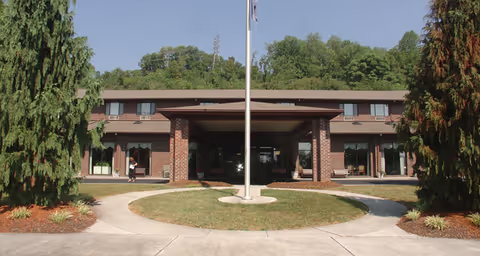
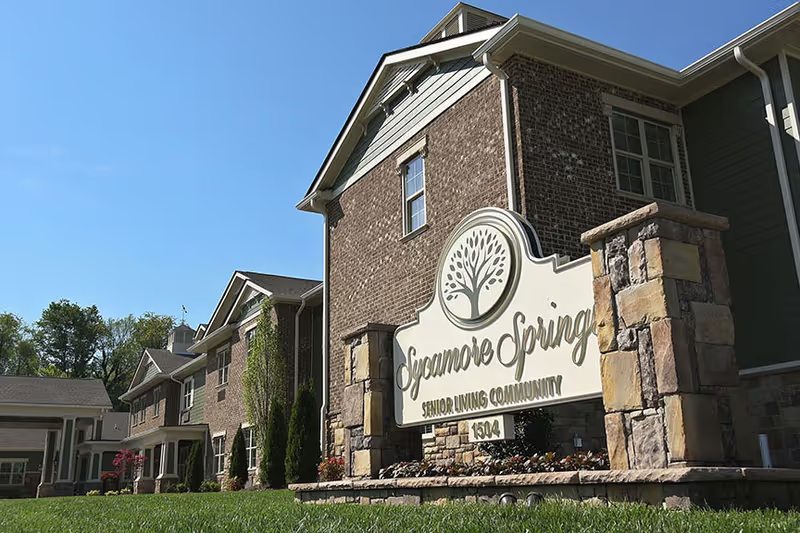
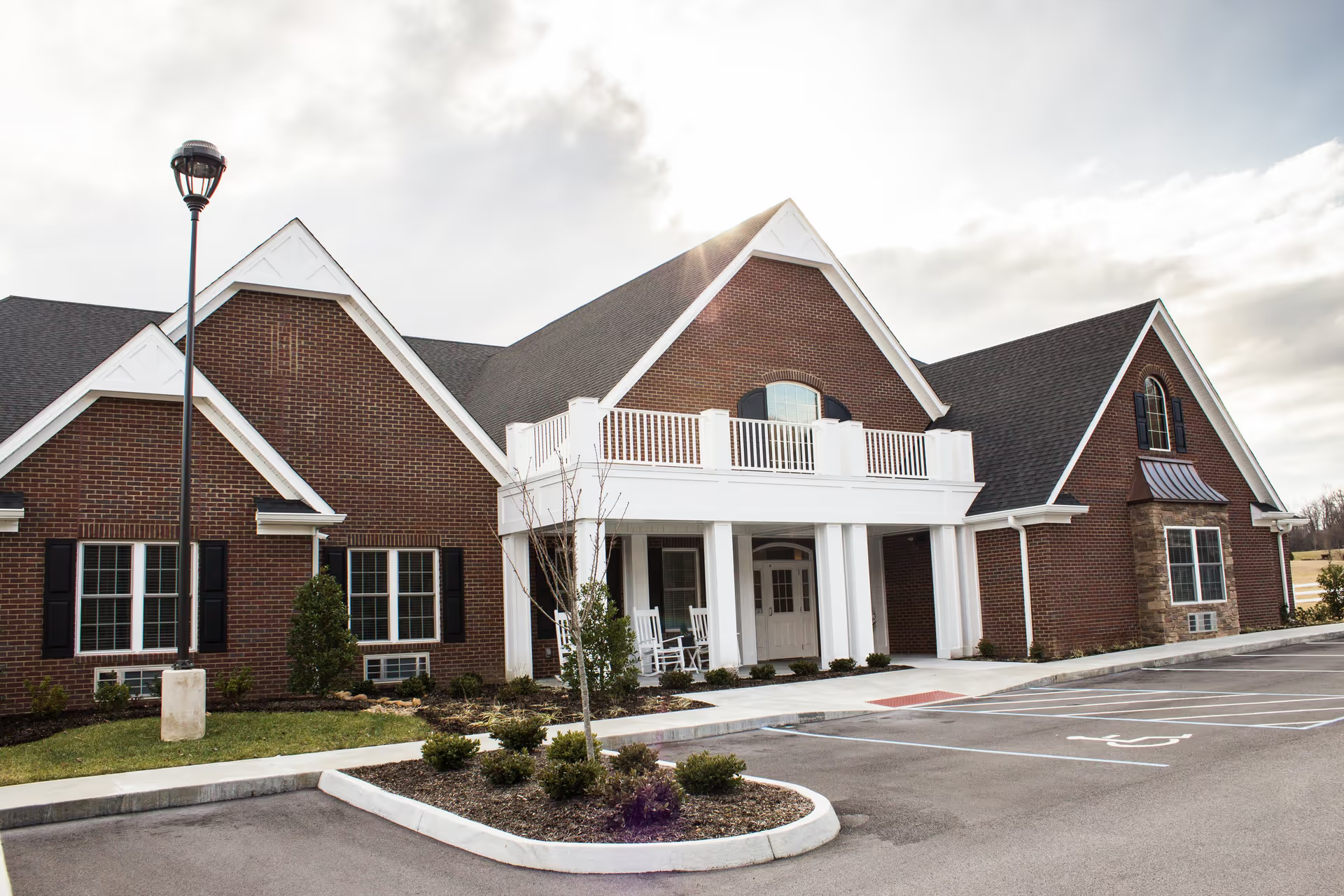
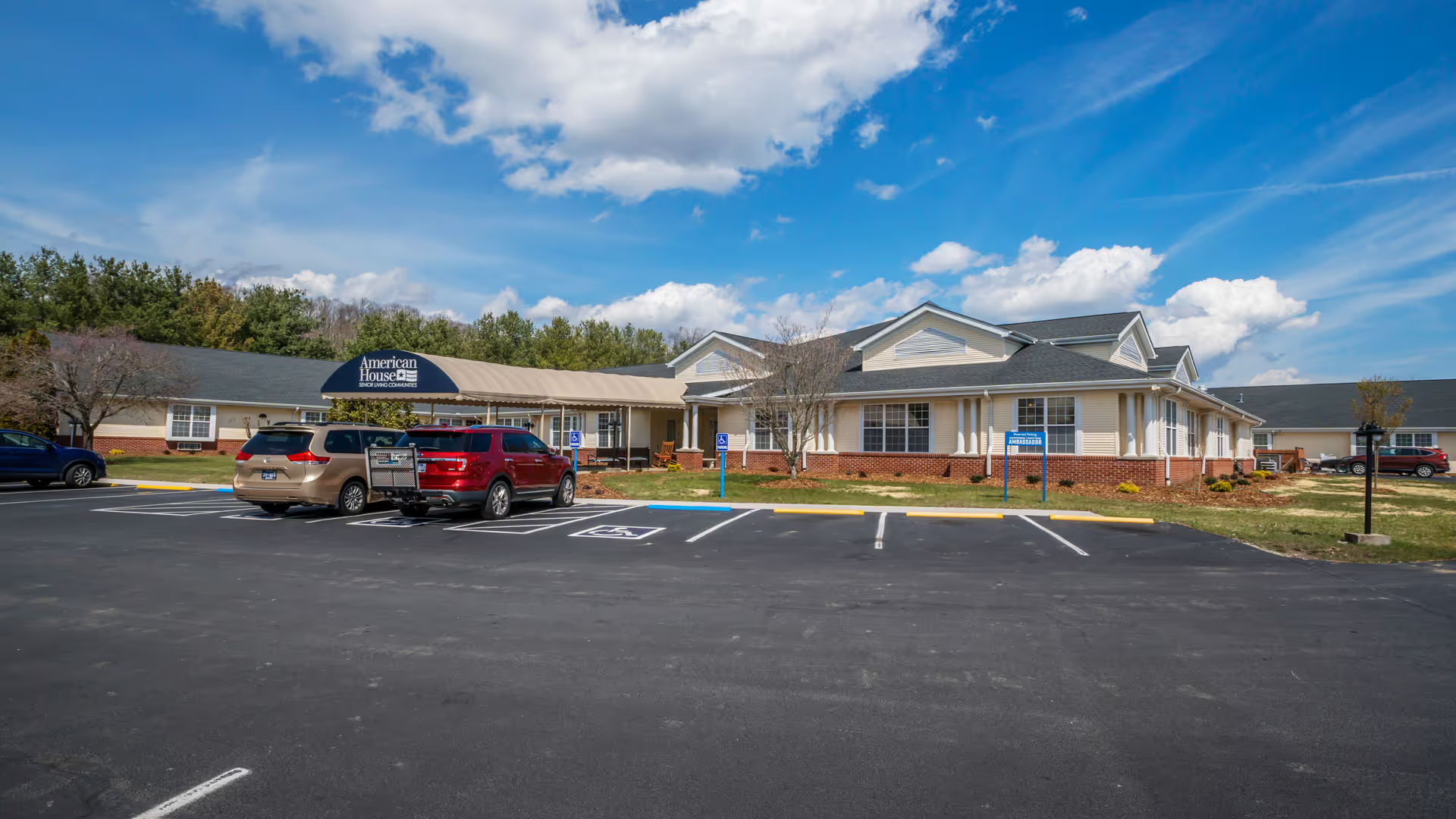
Facility physical condition and safety perceptions are mixed. Many reviewers praise clean, well-kept common spaces and orderly food service, while others note sanitation and odor concerns in some resident rooms and maintenance issues such as worn furnishings. A small number of accounts raise security and incident-reporting gaps related to events near the facility; those comments indicate a need for clearer incident communication and safety protocols.
Overall, prospective residents and families should weigh the facility’s evident strengths in compassionate, rehabilitation-oriented caregiving and community life against documented inconsistencies in clinical administration, personal care routines, communication, and financial management. If considering placement, families may want to ask for written care plans and medication-administration protocols, verify how bathing and wound-prevention are scheduled, request examples of recent care-coordination with outside providers, and obtain clear, itemized billing and refund policies. These steps can help clarify whether the facility’s operational practices align with an individual resident’s clinical and administrative needs.