Reviews of Church Hill Post-Acute and Rehabilitation Center describe a facility with notable strengths alongside recurring operational weaknesses. Many families and residents praise the staff as compassionate, hardworking, and personally invested in residents’ recovery and well-being. Physical and occupational therapy services are frequently highlighted as effective, with several accounts of residents making rapid progress and returning home. Social services and discharge-planning staff are often described as proactive and helpful, and the facility offers an active activities program (including church services, music, bingo and on-site barber/beauty services) that contributes to a community-oriented atmosphere.
Clinical care impressions are mixed. Several reviewers describe high-quality, attentive clinical care and successful rehabilitation outcomes, while others report instances that point to systemic gaps: inconsistent monitoring after acute events, variable attention to oral and feeding-tube care, and concerns about fall prevention and safe transfer procedures. These contrastive accounts suggest variability in clinical performance across shifts or units rather than uniformly poor or uniformly excellent care. A few accounts reference regulatory attention and detailed conversations with administration; when management has engaged, some families reported constructive communication and resolution.
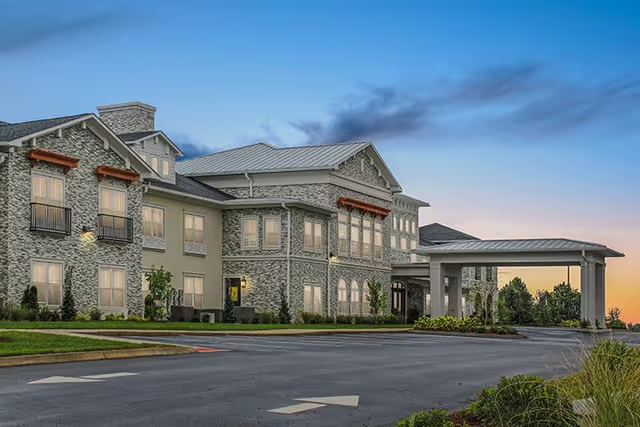
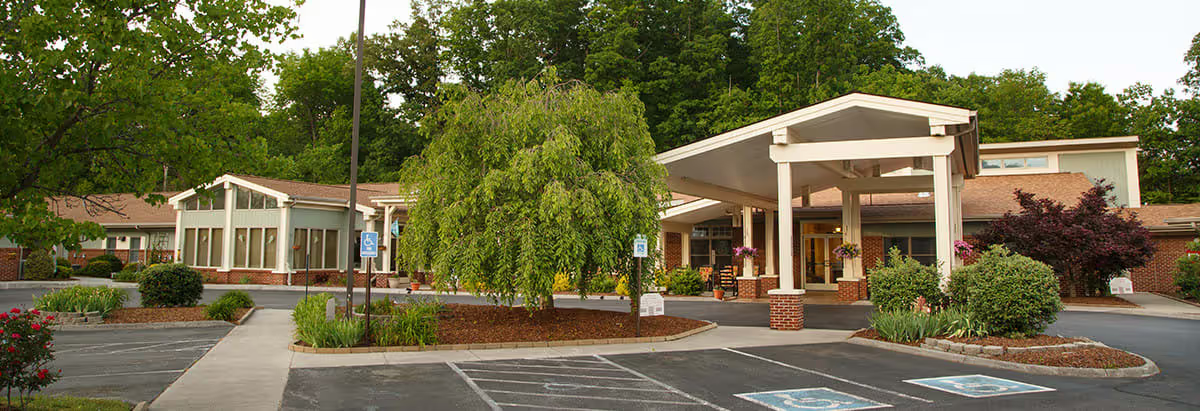
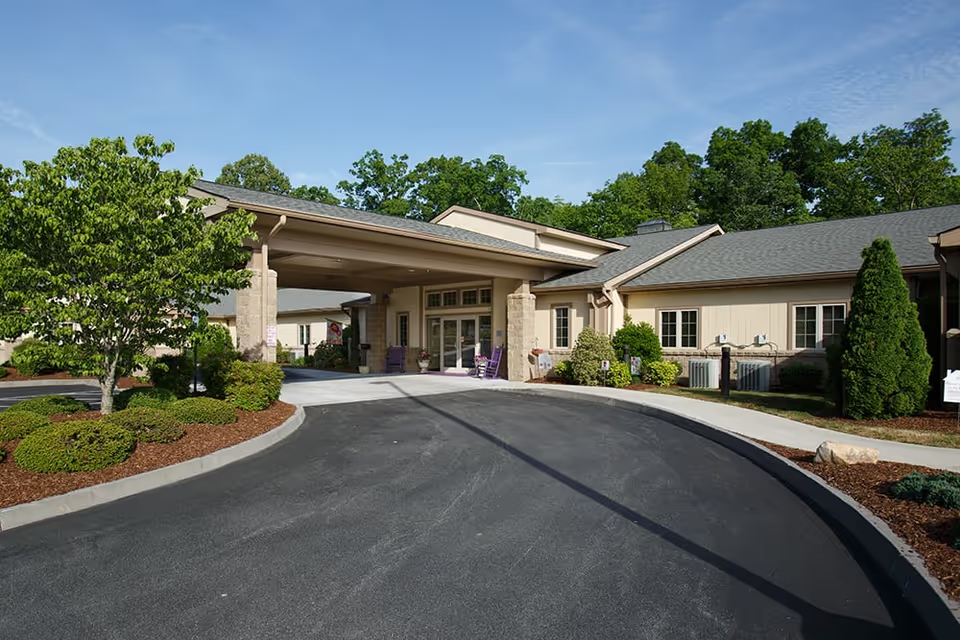
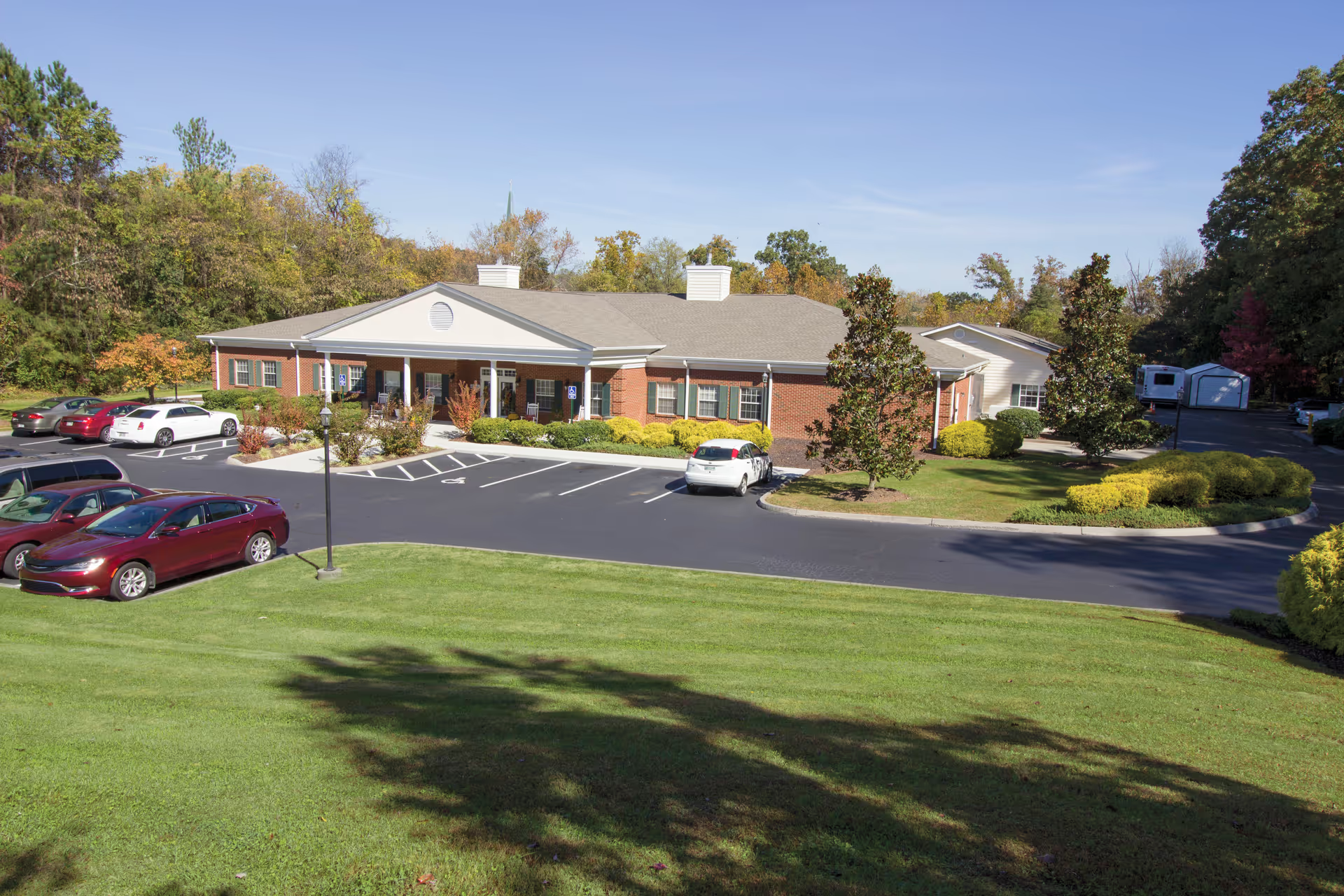
Facility operations and environment also receive mixed feedback. Positive notes include home-style meals that accommodate dietary preferences, daily room cleaning in many cases, and warm communal settings in renovated areas. At the same time, reviews indicate inconsistent cleanliness and maintenance in specific units, occasional pest-control concerns, crowded room layouts, and variability in meal quality. Staffing and responsiveness are recurring themes: reviewers alternately describe readily available nurses and slow call-response times, suggesting staffing shortages and uneven coverage may affect day-to-day resident experience. Several comments emphasize that staff appear under-resourced and under-compensated despite their dedication.
Management and organizational oversight show both strengths and weaknesses. Multiple accounts praise individual leaders and staff who go above and beyond and note administrative apologies and corrective conversations when incidents occur. Conversely, other accounts describe inconsistent follow-through on commitments, unclear billing practices, and gaps in securing residents’ belongings. Communication tone and professionalism also vary by staff member and shift, contributing to a polarized impression among families.
For prospective residents and families: the facility demonstrates clear capacity for high-quality rehabilitation and compassionate caregiving, particularly in settings with engaged therapists and social-services support. However, the pattern of variable staffing, transfer-safety concerns, inconsistent personal-care practices, and occasional maintenance issues suggests it is important to ask targeted questions during a tour: inquire about fall-prevention protocols, staffing ratios by shift, clinical-monitoring practices after changes in condition, infection-control procedures, how personal belongings are secured, and how management addresses deficiencies. Observing current unit cleanliness, speaking with the therapy and social-work teams, and requesting examples of recent corrective actions can help families assess whether the facility’s strengths align with their relative’s needs.