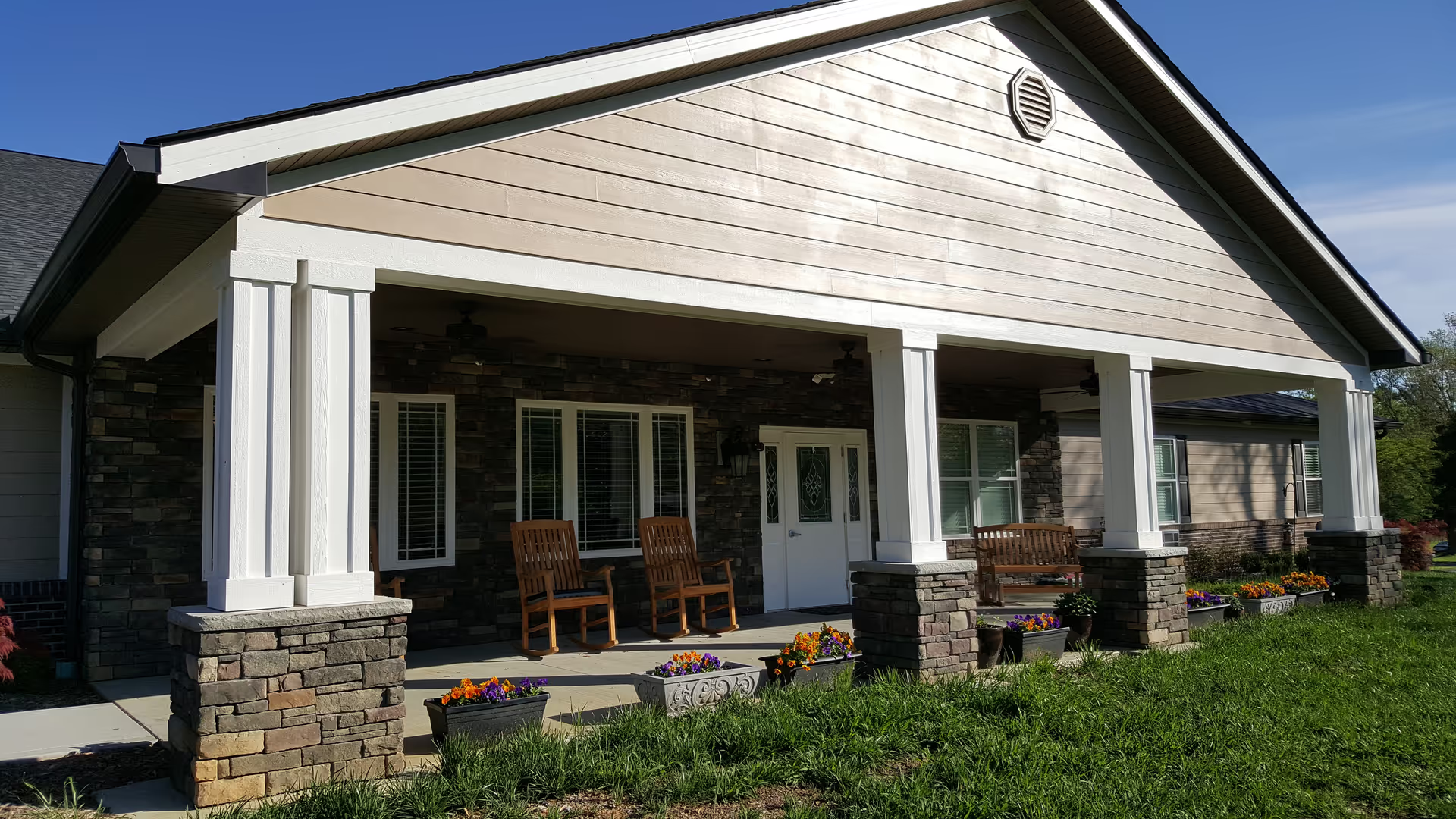
The reviews for Waters of Clinton Nursing & Rehabilitation present a mixed but consistent pattern: many families and residents praise the interpersonal aspects of care and the facility’s rehabilitation offerings, while others report operational gaps that affect daily care. Positive themes include staff who are described as compassionate, attentive, and ‘‘family-like,’’ and a rehabilitation program that is frequently singled out for its effectiveness and helpful therapists. Several accounts note good communication from clinical staff and administration when it occurs, with timely medical updates, responsive therapy teams, and examples of staff going beyond routine duties to assist residents with transitions home.
Dining and activities receive generally favorable comments from a number of reviewers: meals are described as better than hospital food in some reports, activities such as bingo and pet visits contribute to a social atmosphere, and there is a functioning pulmonary program. Housekeeping and facility maintenance are noted positively in parts of the building and following recent renovations; some reviewers describe clean, updated rooms and proactive equipment repairs. Night-shift responsiveness and certain members of leadership and therapy staff are consistently highlighted as strengths.
Counterbalancing the positive reports, a set of recurring operational concerns appears across reviews. Understaffing and schedule inconsistencies are the most frequently cited issues and are linked to delays in responding to call lights, assistance with toileting and bathing, and longer wait times for clinical attention. Several reviews describe inconsistent personal-care routines, lapses in laundry or personal‑item handling, and sanitation or odor concerns in parts of the building. There are also accounts indicating variability in meal service (timing and temperature), infection-control practices, and medication administration, including at least one mention of missed insulin—these point to gaps in clinical oversight and care continuity.
Management responsiveness and consistency of policies are areas of mixed performance. Some reviewers report responsive, accessible leadership and improvements under new ownership or administration, while others describe unresponsiveness to complaints and inconsistent application of visitation or end‑of‑life access. Security and visitor-access practices are inconsistent between accounts. Facility infrastructure issues are present in some units: small shared rooms, limited closet/storage space, and older corridors that some families find run-down or depressing despite renovation efforts in other areas.
Notable patterns for prospective residents and families: the facility appears capable of delivering strong rehabilitation and compassionate interpersonal care, particularly when staffing levels are adequate and leadership is engaged. However, outcomes vary with staffing and management consistency; deficiencies in staffing or oversight have been associated with delays in basic care, personal‑item management problems, and clinical-oversight concerns such as medication administration and pressure‑injury risk. If considering this facility, families should inquire directly about current staffing ratios, infection-control protocols, medication-administration safeguards, visitation policies, and any recent quality-improvement measures instituted under new management. A tour that includes inspection of the specific unit, room storage, and dining/service routines may help assess whether the areas of concern have been addressed.