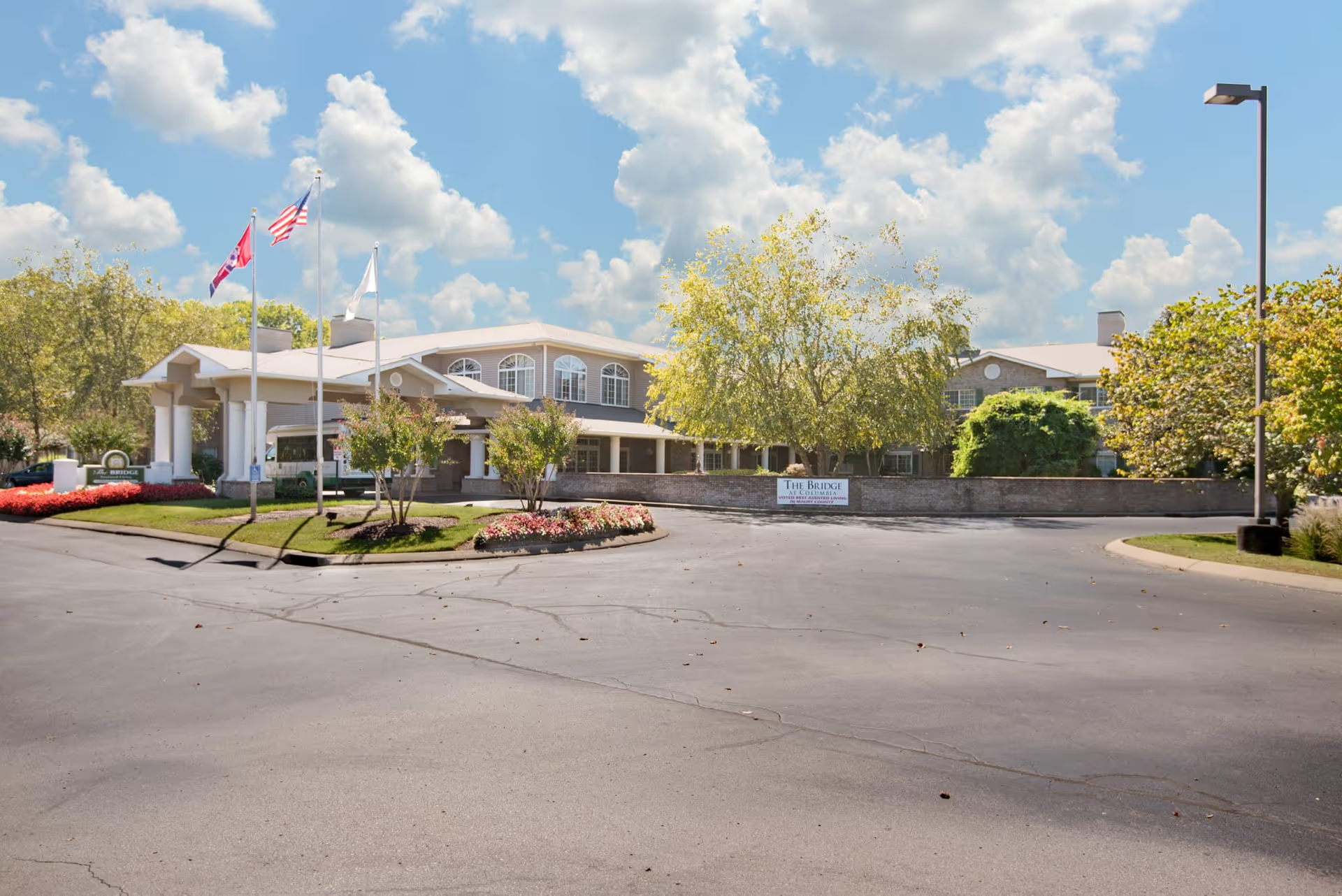
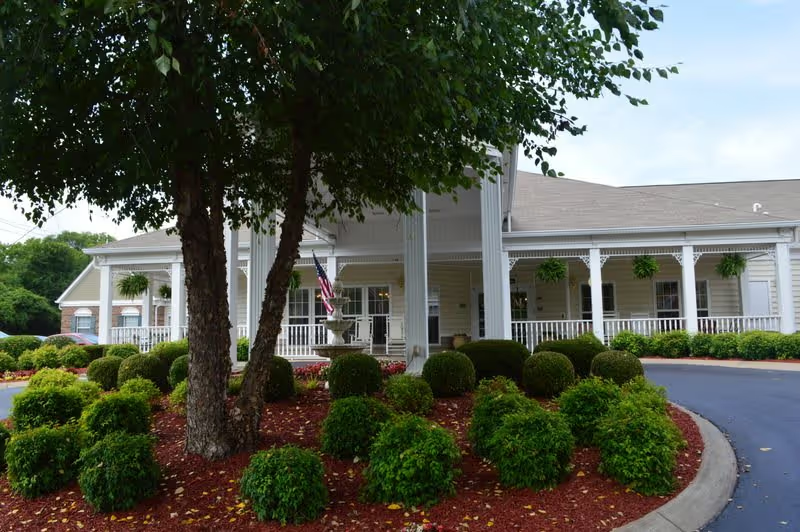
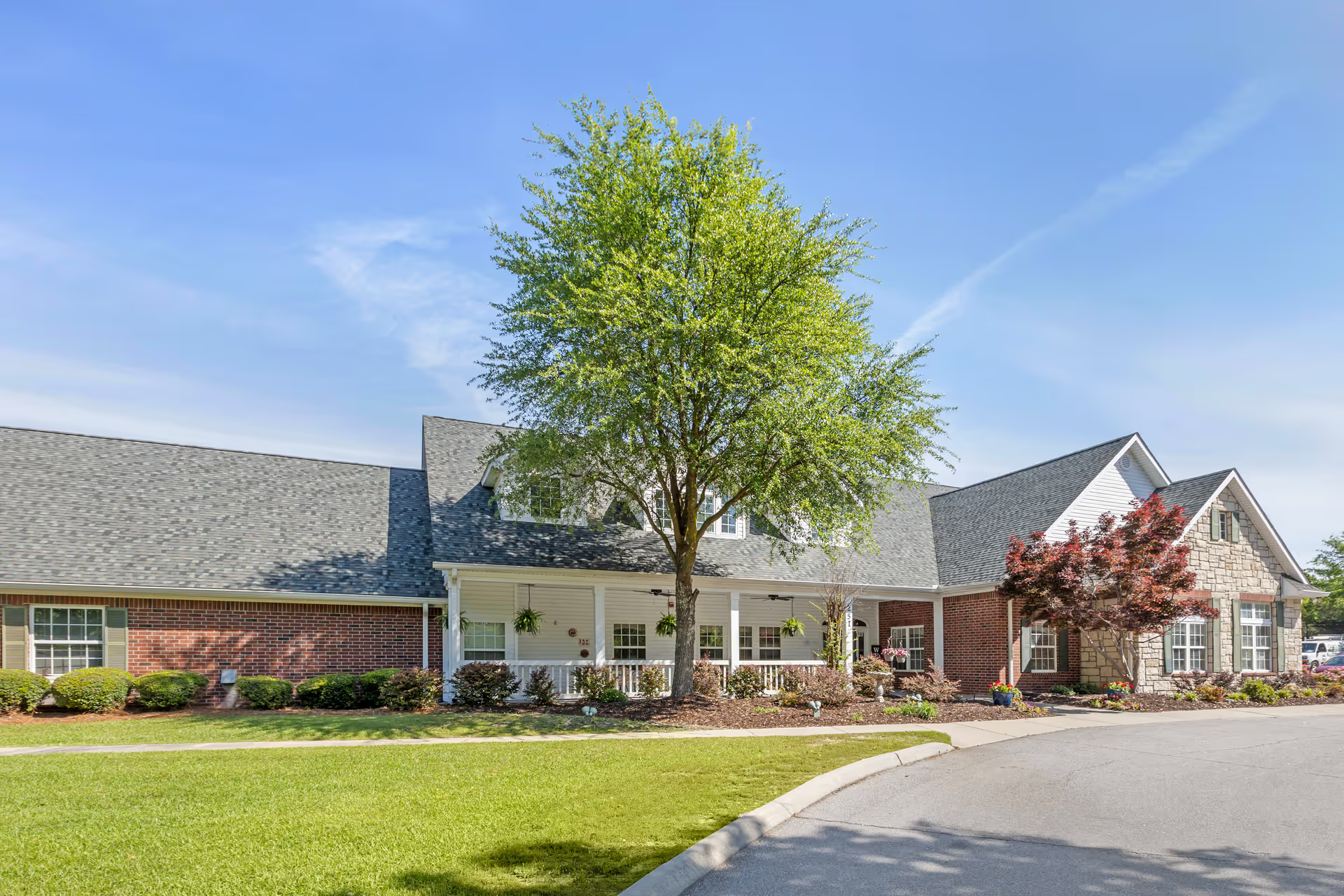
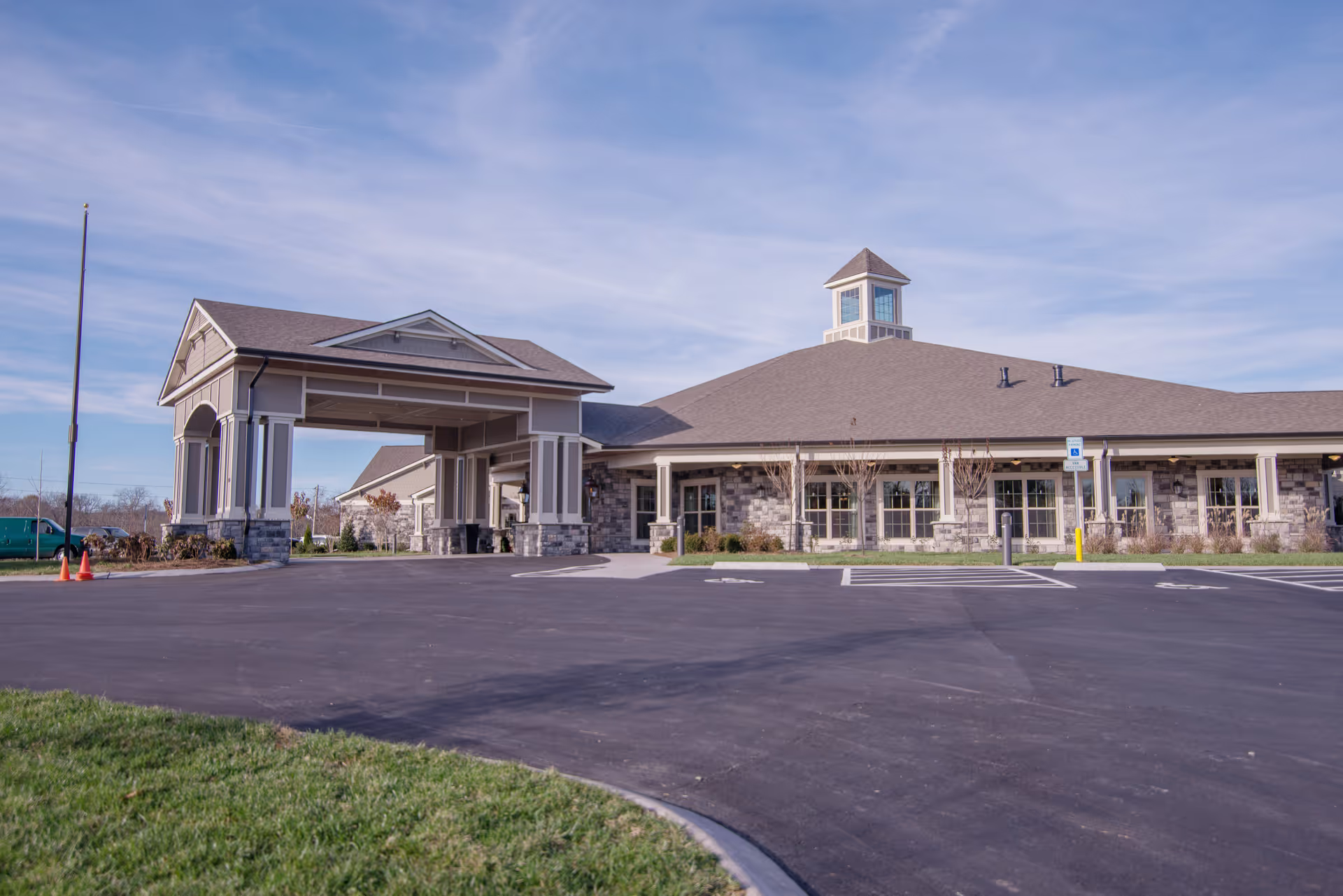
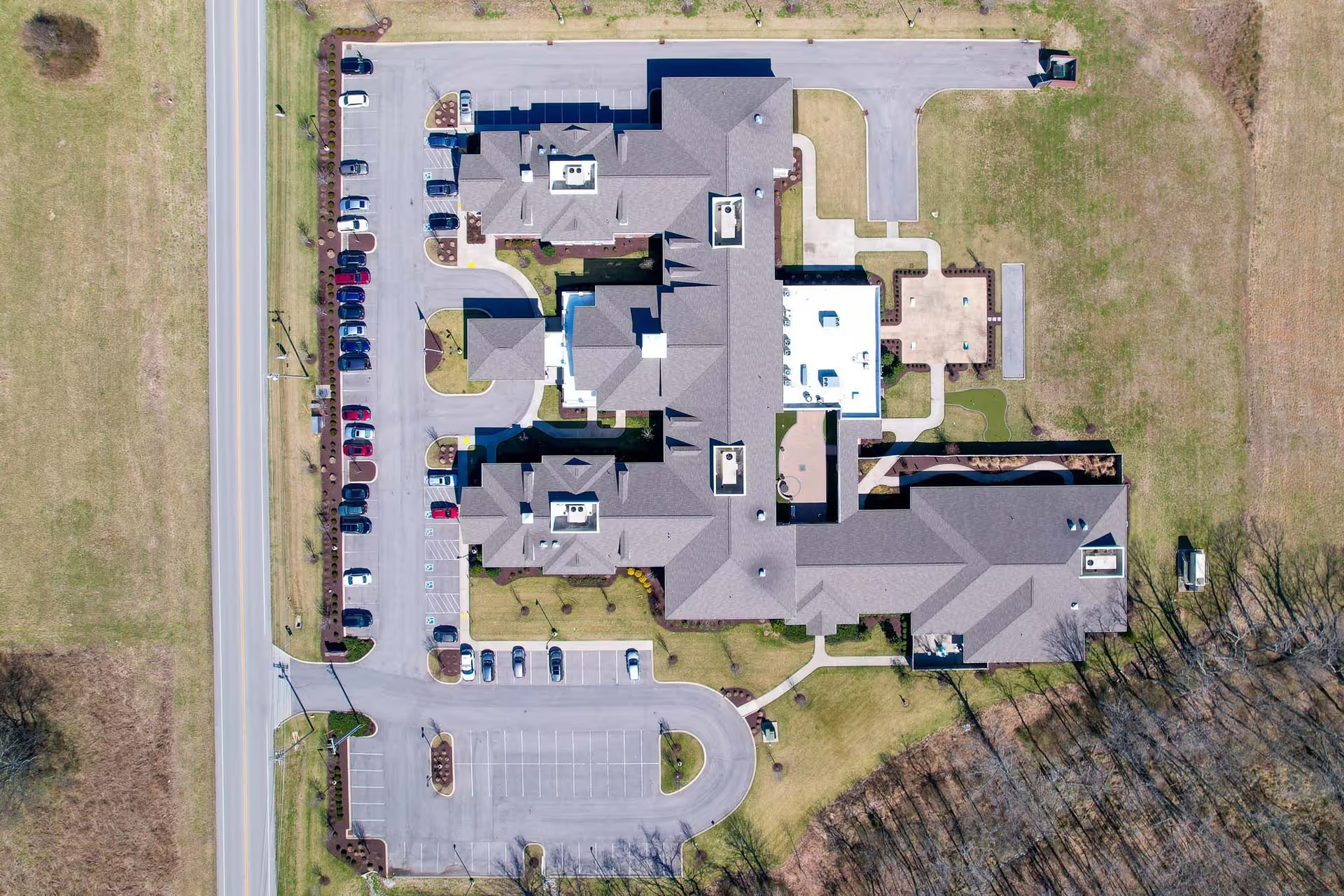
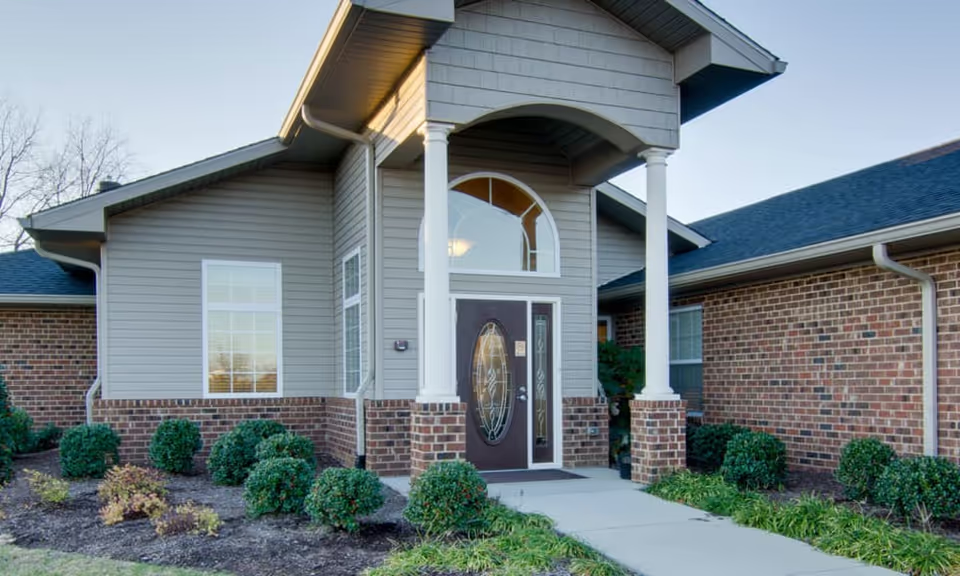
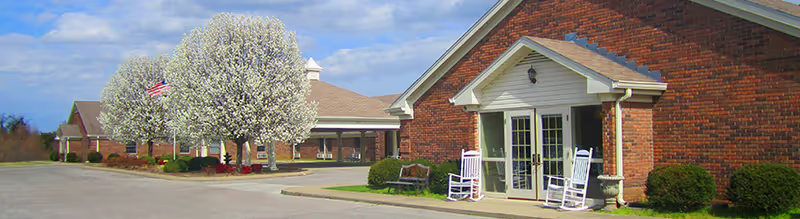
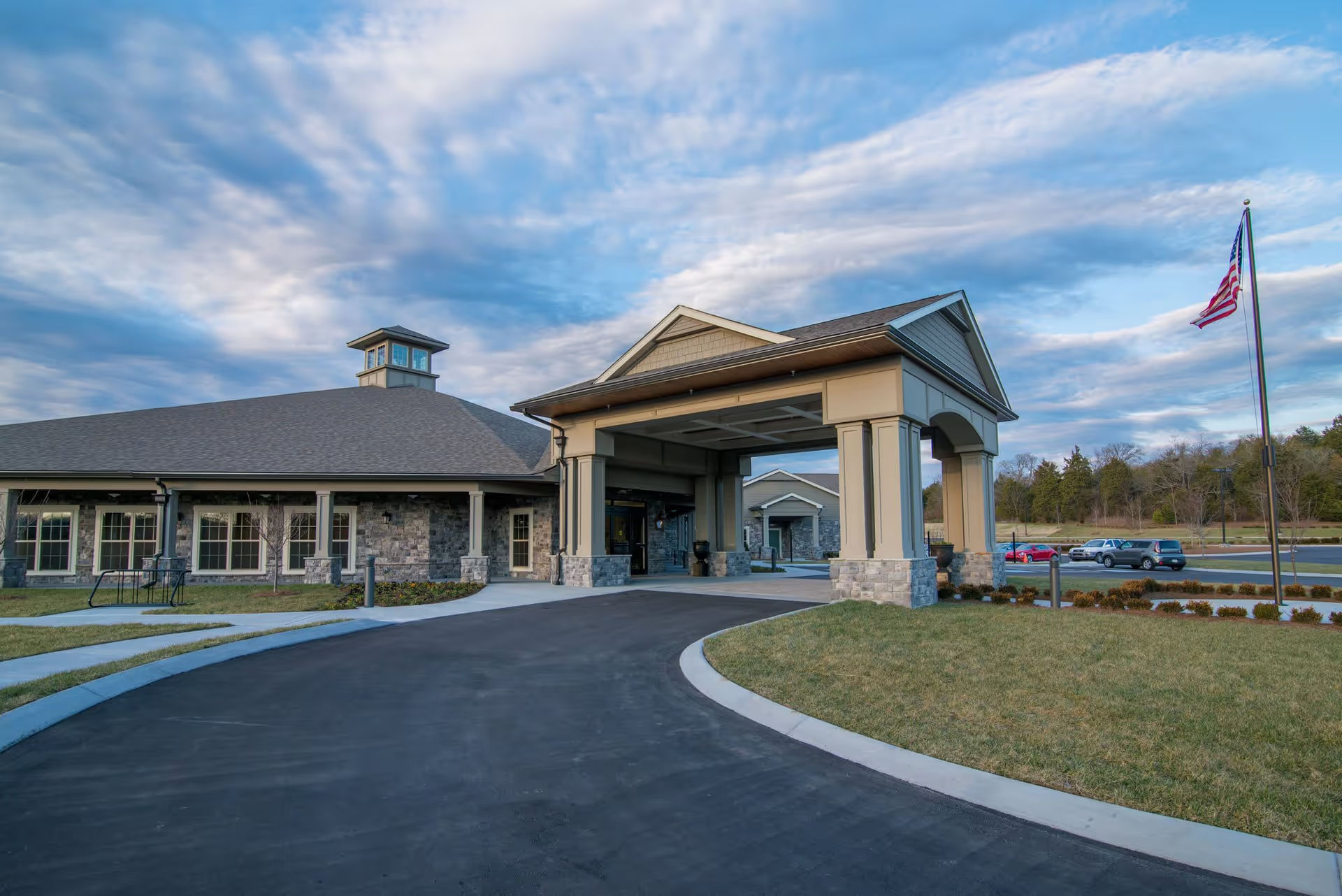
The reviews for Life Care Center of Columbia present a mixed but distinct pattern: the facility is frequently praised for its rehabilitation services, aesthetic environment, and many compassionate individual staff members, while concerns center on operational consistency and clinical oversight. Strengths repeatedly cited include a clean, bright building with attractive common areas (bird displays, many windows), proximity to hospital services, strong therapy outcomes and coordinated rehab, and several named staff and administrators who families found communicative and helpful. Many families described positive experiences with CNAs, therapists, wound-care specialists, and admissions staff; holiday events and regular activities were also highlighted as contributors to resident well-being.
Care-quality impressions are polarized. Therapy and short-term rehab performance is a clear positive: reviewers attributed meaningful functional improvement to therapy teams and wound-care clinicians. In contrast, nursing and night-shift coverage are described inconsistently: while some families praised attentive nurses and excellent CNAs, others raised concerns about uneven clinical oversight, delayed responses to call lights, missed assistance with meals, and gaps in routine checks. These operational inconsistencies appear correlated with staffing shortages and shift-to-shift variability.
Dining and daily life are similarly mixed. The facility offers a large dining room and communal meal opportunities, and some reviewers found meals appealing and residents eating well. However, other reviewers noted repetitive menus, limited nutritious snack options, and variability in meal service and assistance—particularly for residents who require feeding support. Activities programming is generally regarded positively, with regular offerings such as bingo, painting, and exercise that contribute to social engagement.
Infection control, skin care, and clinical communication emerged as specific clinical concerns. A number of reviewers cited delays in testing turnaround or result communication (for example, urinary infections and other lab results) and expressed worries about hygiene and incontinence-care timeliness. There were also comments suggesting gaps in skin-care protocols that may increase pressure-injury risk for some residents. Families frequently reported having to advocate or intervene to obtain timely care.
Management, policies, and facility upkeep present an uneven picture. Several reviewers complimented named administrators and front-desk staff for being personable and helpful; others described management as defensive or insufficiently responsive, especially around adverse events and end-of-life communication. Visitation practices were described as inconsistent by some families, producing confusion about access. The building is generally described as clean and well-ventilated, but reviewers also noted cosmetic wear, scratched surfaces, and areas in need of ongoing maintenance.
Finally, there are a small number of serious individual allegations — including claims about pressure related to DNR decisions and medication choices — that families described as highly concerning. These accounts are distinct from the broader operational themes but warrant attention; the word "allegations" is used here because they describe specific, serious claims beyond routine quality issues. Overall, prospective residents and families should weigh the facility's clear strengths in rehabilitation, therapy, cleanliness, and activity programming against documented variability in nursing coverage, responsiveness, and management consistency. Visiting in person, meeting the care team, clarifying staffing and visitation policies, and discussing contingency plans for clinical escalation are advisable steps prior to placement.