The reviews for Magnolia Healthcare and Rehabilitation are markedly polarized. Many families and former staff describe strong rehabilitation services, a welcoming atmosphere, and recently renovated facilities; others describe recurring operational failures that affect basic care processes. This produces a mixed overall impression in which positive experiences with therapy, leadership and facility updates coexist alongside repeated accounts of care delivery problems.
Care quality appears variable. Positive comments consistently highlight effective physical and occupational therapy, attentiveness from certain daytime nurses and compassionate direct-care staff. Conversely, reviewers commonly describe lapses in clinical follow-through: inconsistent medication administration, delayed antibiotic or other treatments, missed or irregular bathing and laundry, and concerns about wound care and pressure-injury prevention. Several accounts also describe repeat hospital transfers that families attributed to gaps in clinical management. These elements suggest the facility can deliver strong rehabilitation care but that clinical reliability is uneven across shifts and units.
Staffing and team dynamics are a central theme. Many reviewers praise individual caregivers, therapists, and some managers for compassion and professionalism, and some describe a family-like culture among employees. At the same time, there are reports of high turnover, heavy use of temporary staff, and noticeable differences between daytime and nighttime performance. Reviewers describe communication breakdowns between staff and families, sporadic responsiveness to call lights, staff preoccupation with phones, and instances where leadership follow-up was perceived as lacking.
Dining, activities, and hospitality show mixed signals. Several reviewers commend updated dining spaces, made-to-order breakfast options, and enjoyable communal areas such as dayrooms and activity spaces. Others report inconsistent meal quality, raw or poorly prepared items, and a kitchen operation that requires closer oversight. Activity programming is described as adequate in some accounts but limited in others, with suggestions for more frequent or varied daily engagement for residents.
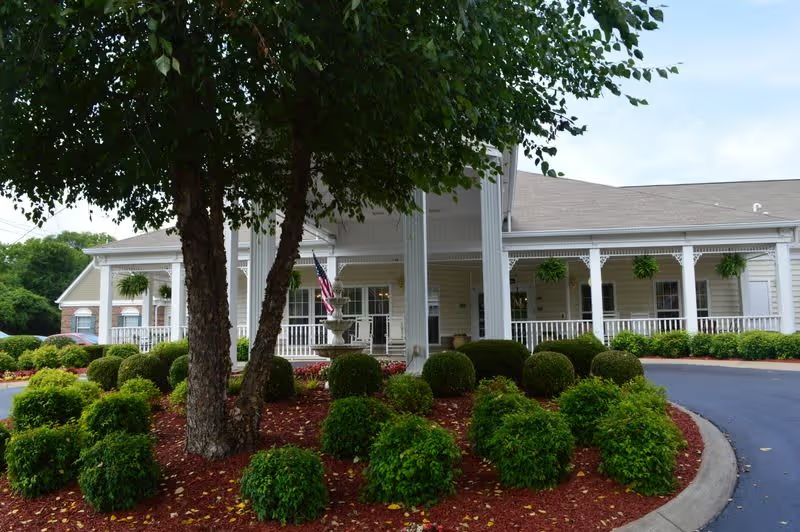
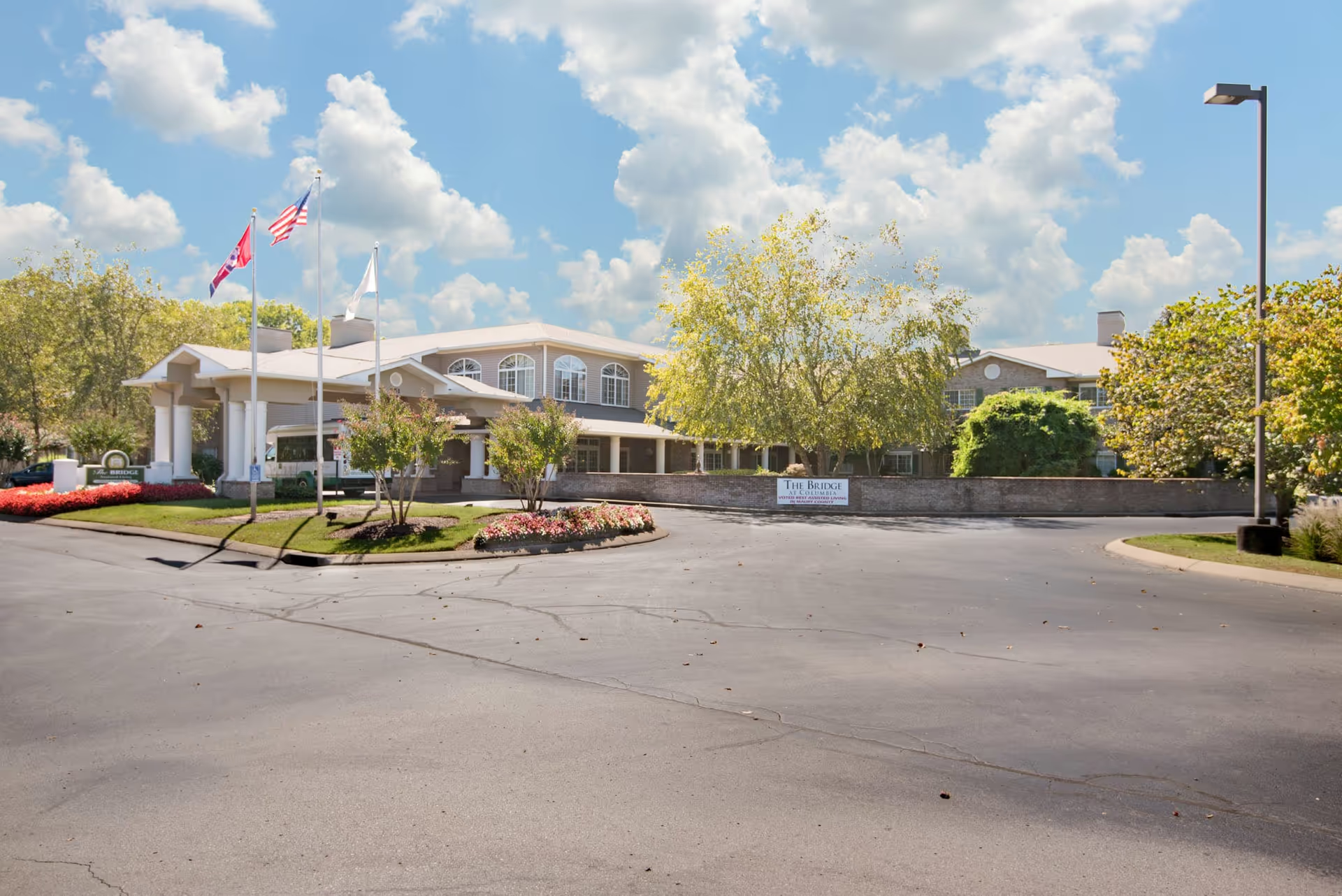
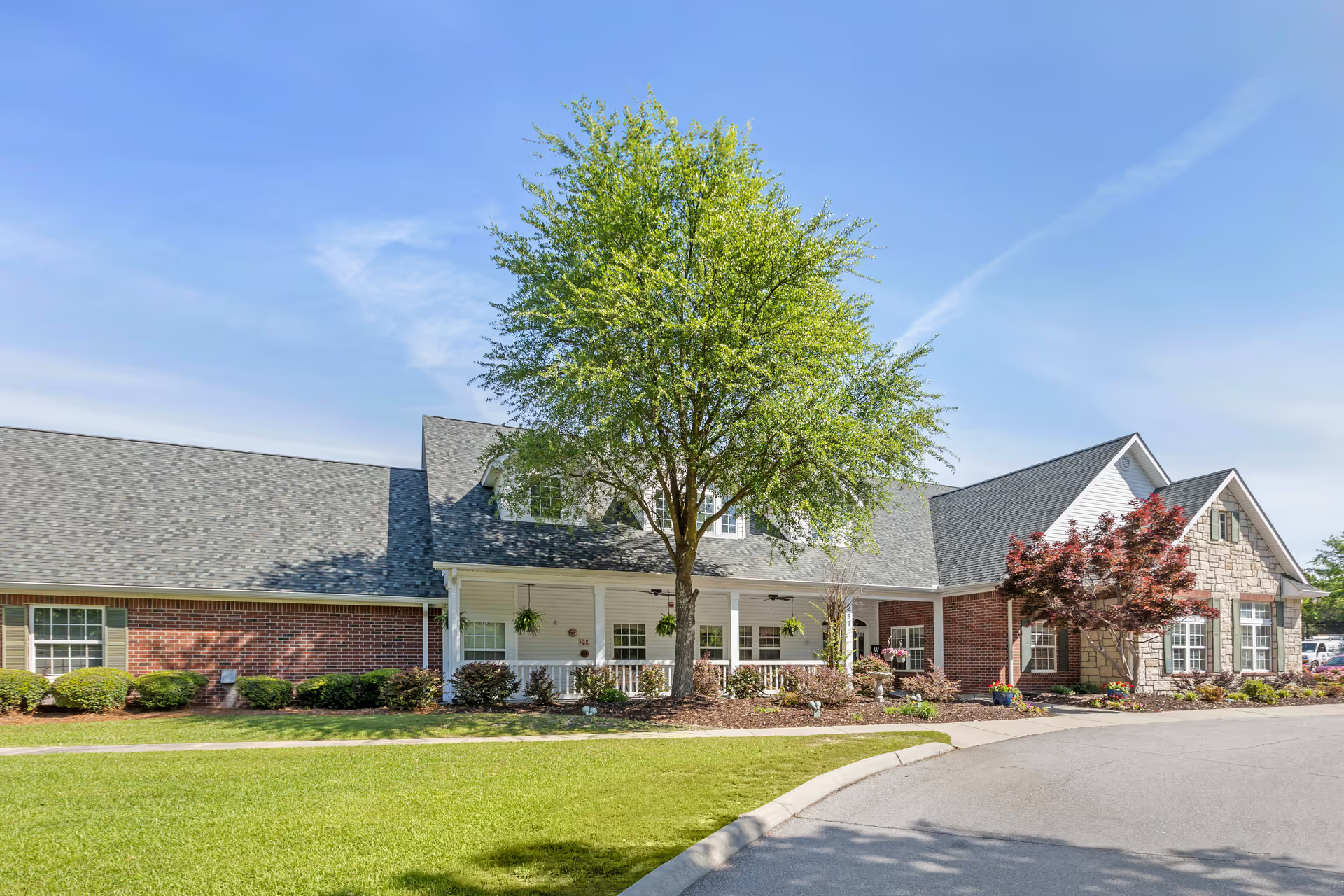
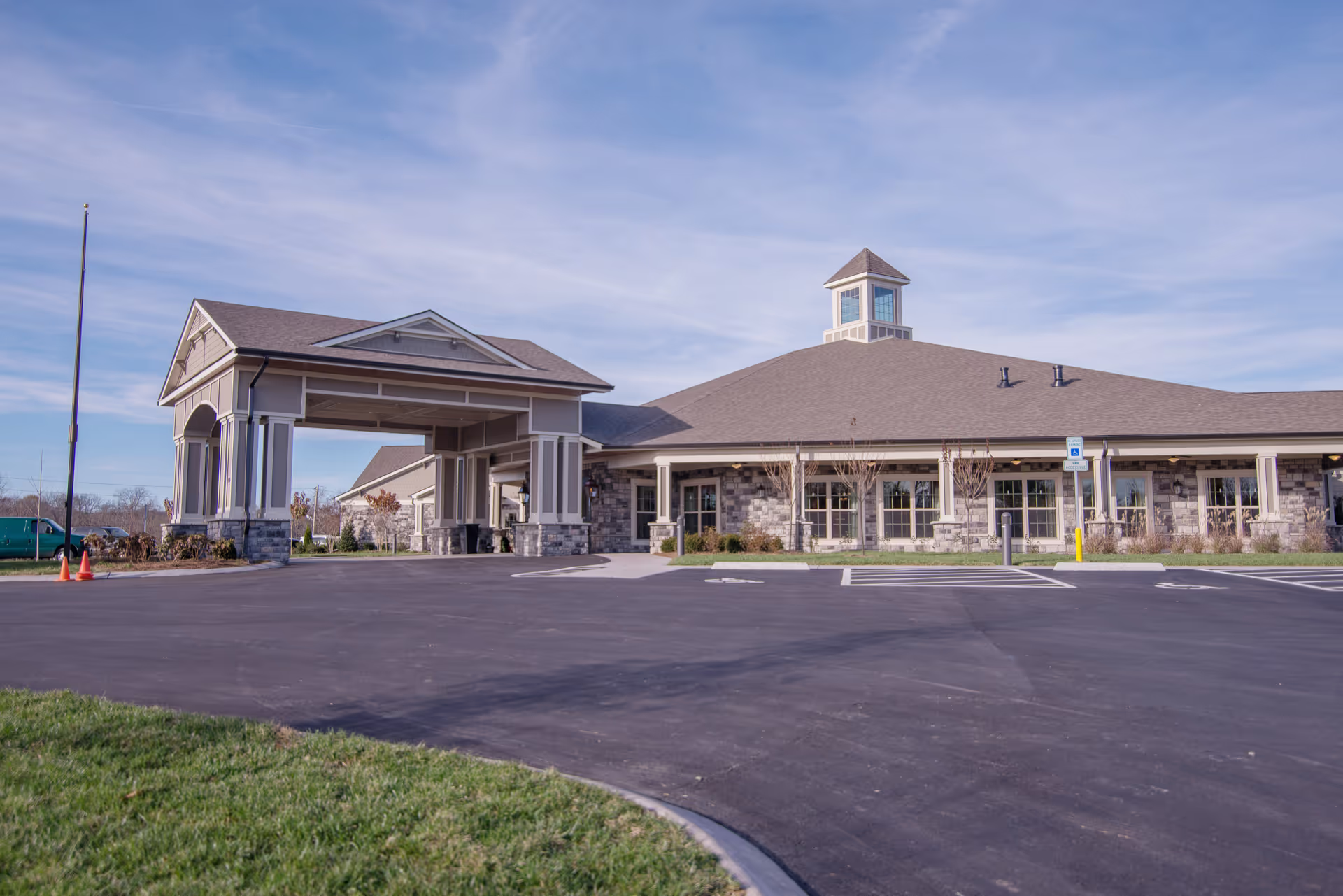
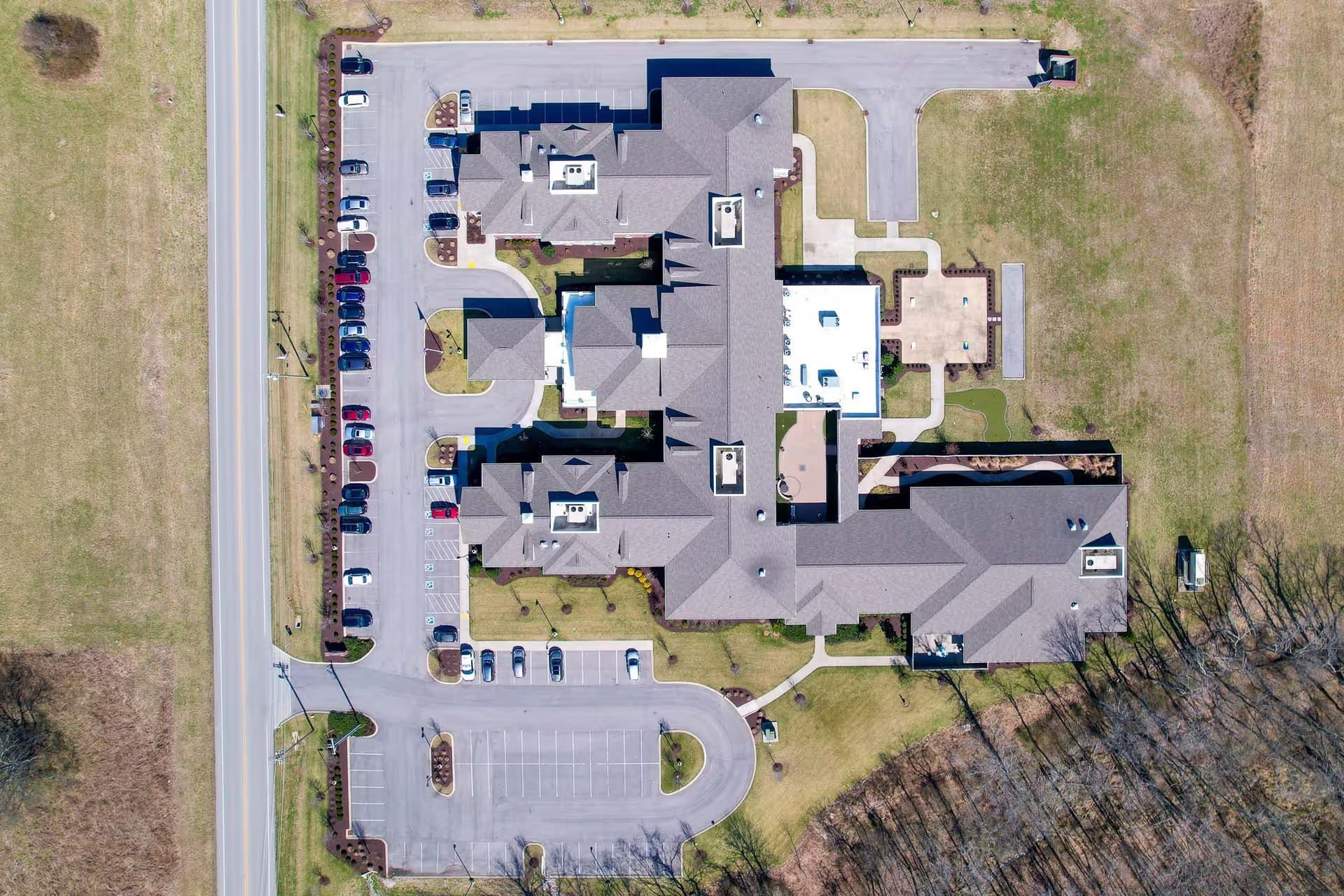
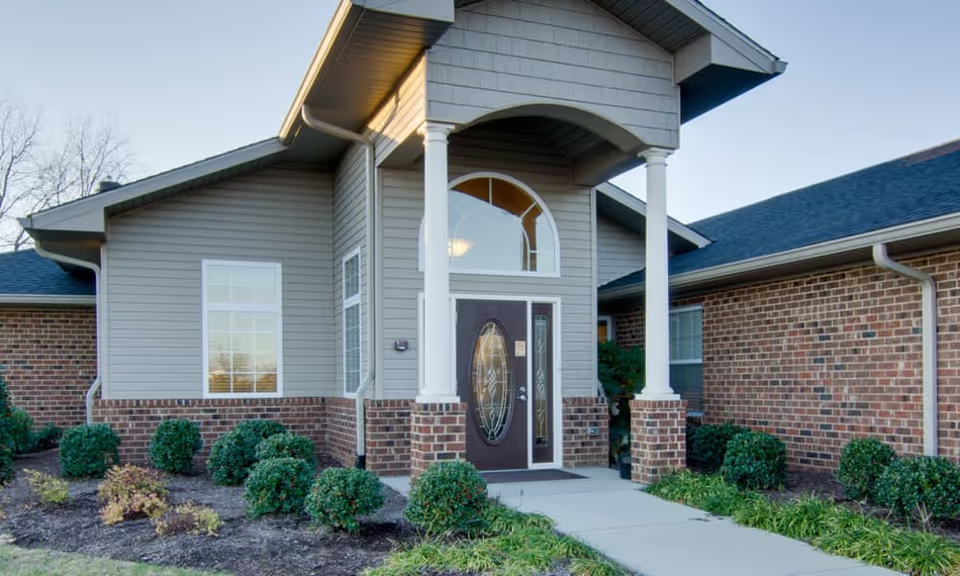
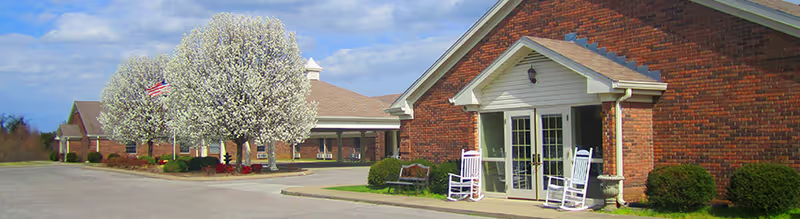
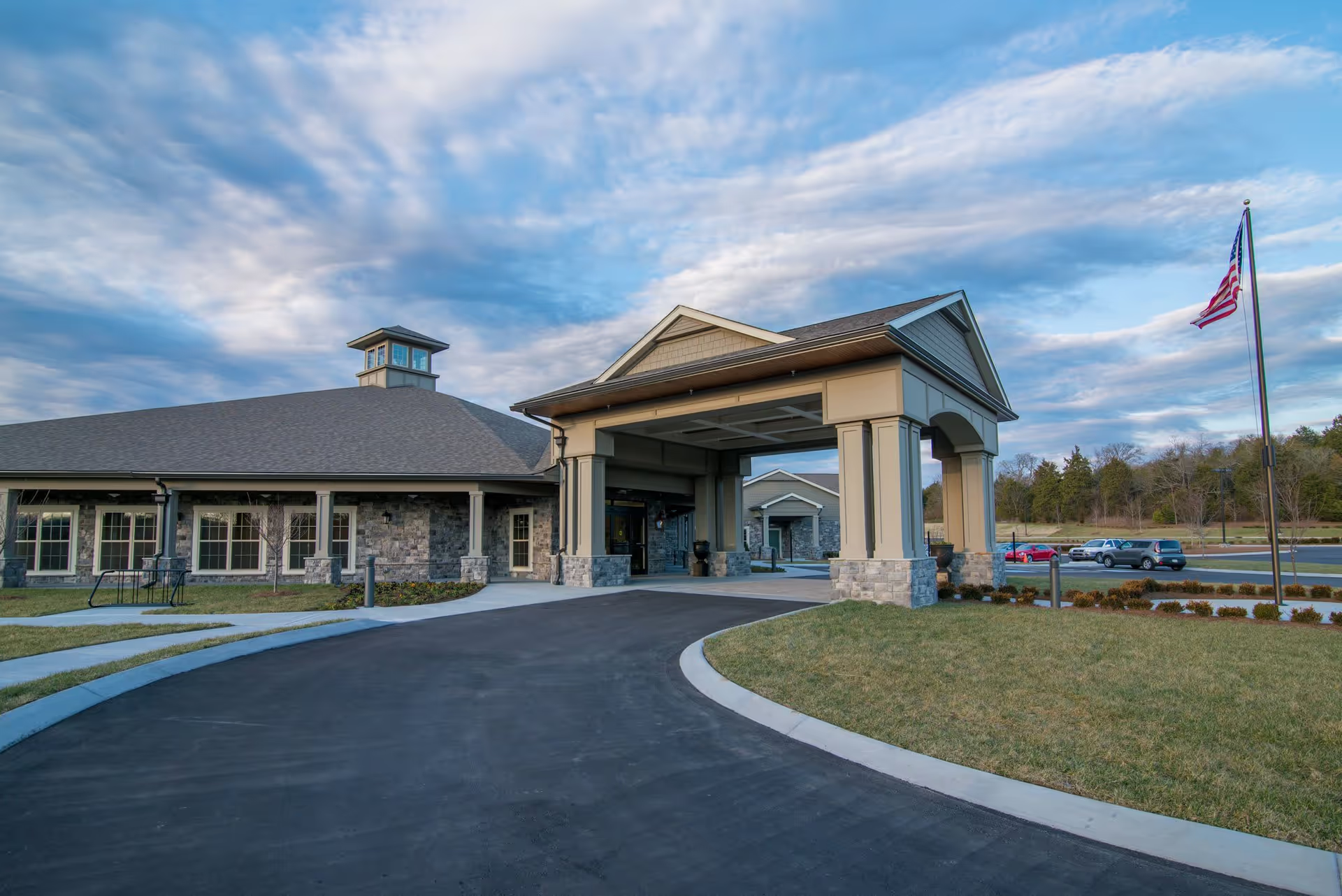
Facilities and operations: the campus receives frequent praise for recent renovations, spacious modern rooms, and generally clean, well-kept public areas in updated sections. Simultaneously, reviewers raise sanitation concerns in specific units, inconsistent laundry/bedding practices, and odor issues in some areas. Administrative issues include inconsistent discharge communication, surprise billing or large med-related charges for some families, and variability in how quickly leadership addresses family concerns.
A limited number of comments reference regulatory and legal concerns, including an alleged kitchen-staff credentialing issue and mention of a wrongful-death lawsuit; these are serious matters that warrant direct inquiry during a site visit. Overall, the pattern is of a facility capable of providing high-quality rehabilitation and of having invested in its physical plant and therapy programs, but one where operational controls—particularly around nursing consistency, wound prevention, medication administration, hygiene services, and family communication—appear unreliable at times.
For prospective residents and families: an on-site visit focused on clinical processes is advisable. Ask about staffing ratios by shift, wound-prevention protocols, medication-administration audits, bathing and laundry schedules, emergency notification practices, kitchen oversight and credentialing, and how the facility documents and communicates clinical incidents and discharge planning. Those who experienced positive outcomes point to strong therapy teams and responsive social work; those with concerns describe variability in clinical reliability, especially during off shifts. Evaluating these specific operational areas will help determine whether the facility’s strengths align with an individual resident’s needs.