Reviewers convey a mixed picture of NHC–Maury Regional Transitional Care Center. Many families and patients describe strong clinical rehabilitation services, attentive certified nursing assistants, and a generally clean, comfortable environment appropriate for short-term transitional care. The facility receives repeated praise for its physical-therapy team, rehabilitation outcomes, and a structured focus on recovery and independence. Dining quality and prepared meals are commonly cited as strengths, and the CNA training program and some leaders are singled out for positive performance.
At the same time, a number of operational weaknesses recur across reviews. Staffing and competency are described as inconsistent: while some nurses, CNAs, and therapists are characterized as excellent, other staff are described as less reliable. Reviewers raise concerns about slow response to call lights, delayed or inconsistent medication administration, and lapses in supervision—particularly during meals. Several reviews describe delays in attending to incontinence needs and variable cleanliness standards, indicating uneven execution of basic care routines.
Therapy and clinical follow-through are a clear strength when present, but continuity is uneven. Several families note strong, committed therapy teams and rapid functional progress; others describe delayed therapy starts, therapy staff who are not seen after an initial visit, or transport and scheduling disruptions that impeded recovery. Wound care and case-management functions receive favorable comments in some instances, though reviewers also indicate isolated clinical-incident concerns that suggest variability in clinical reliability.
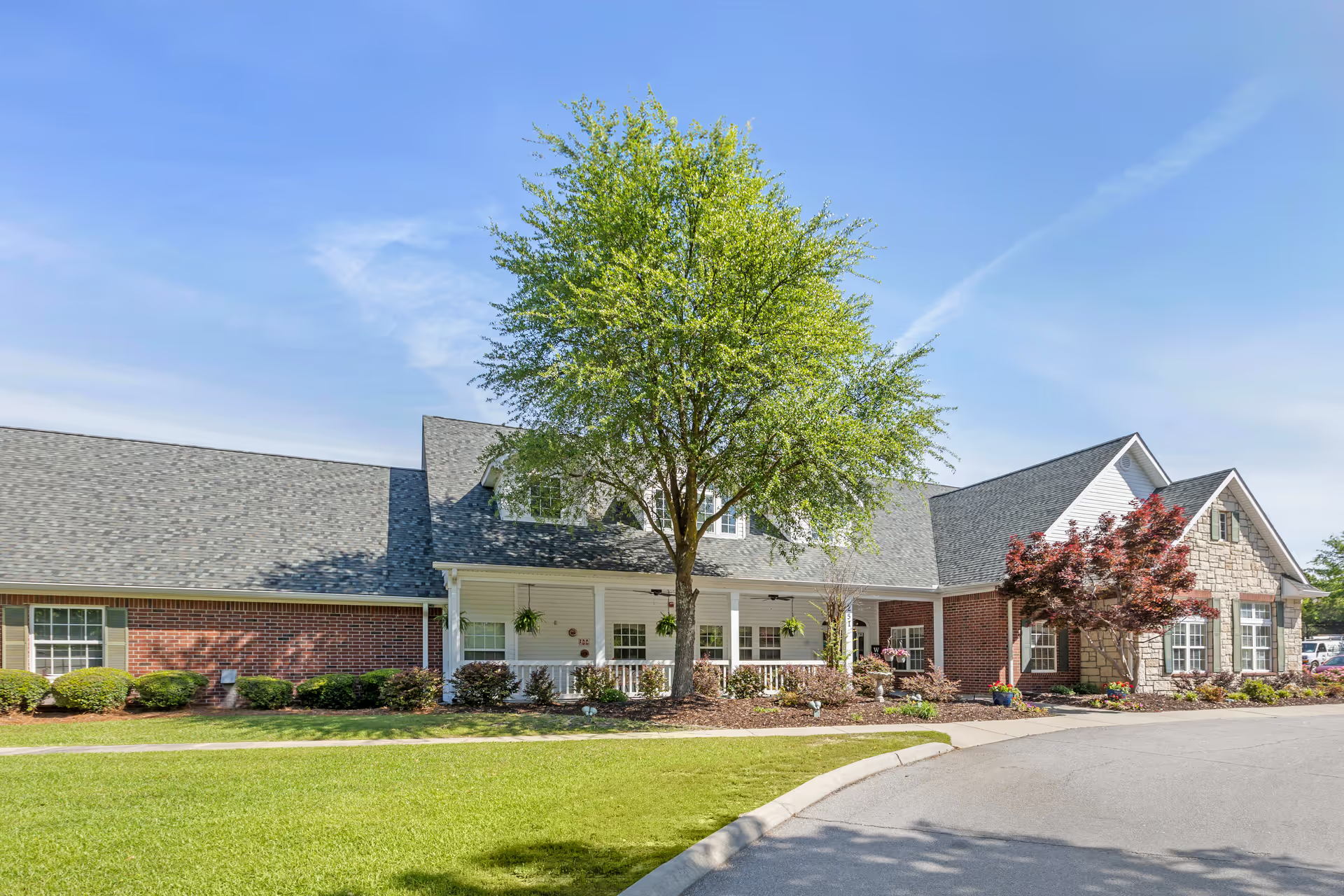
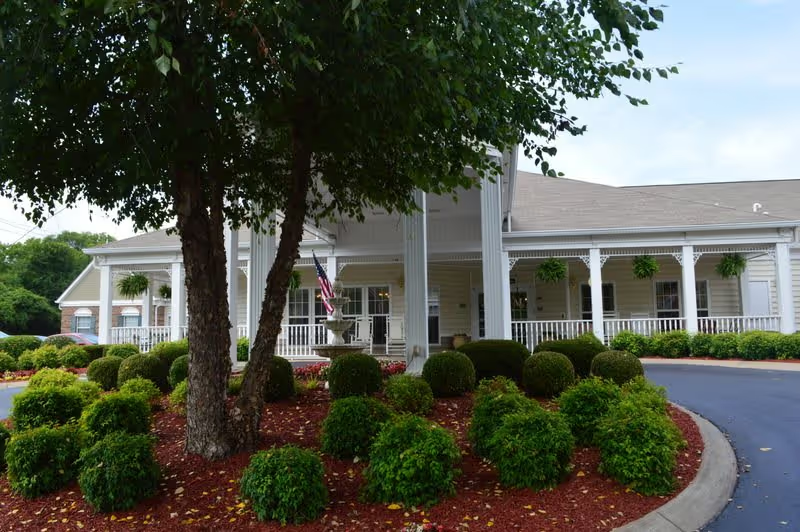
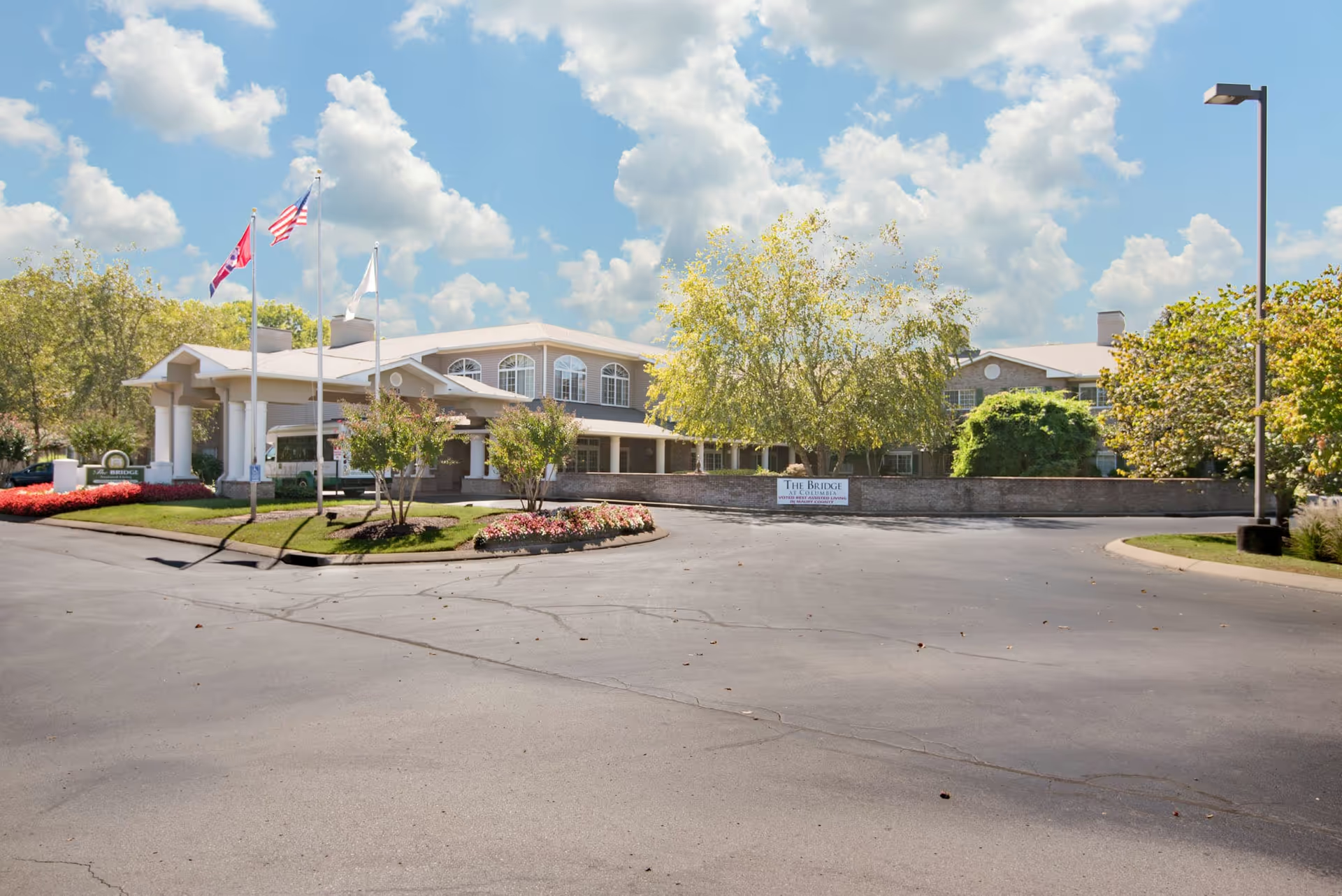
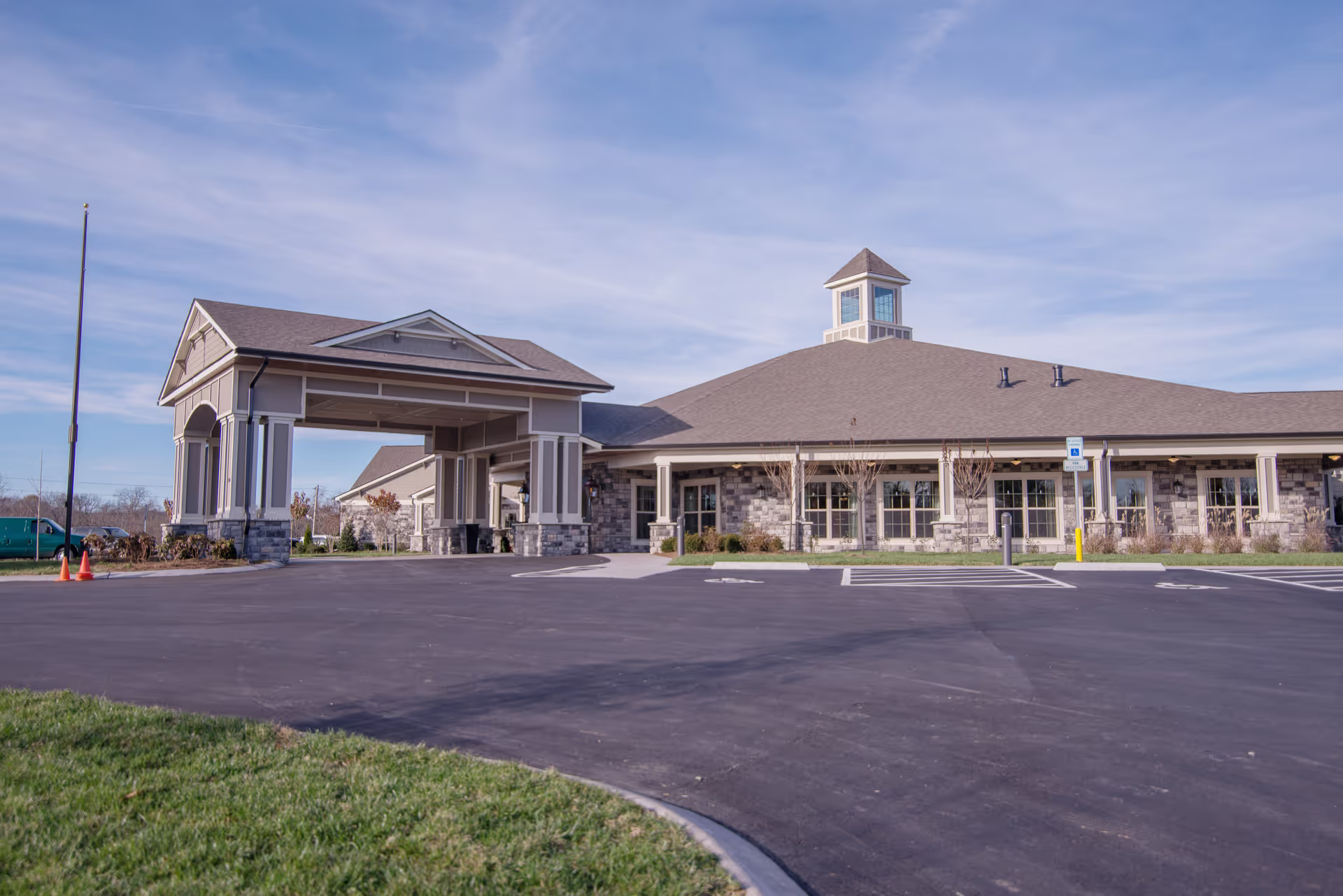
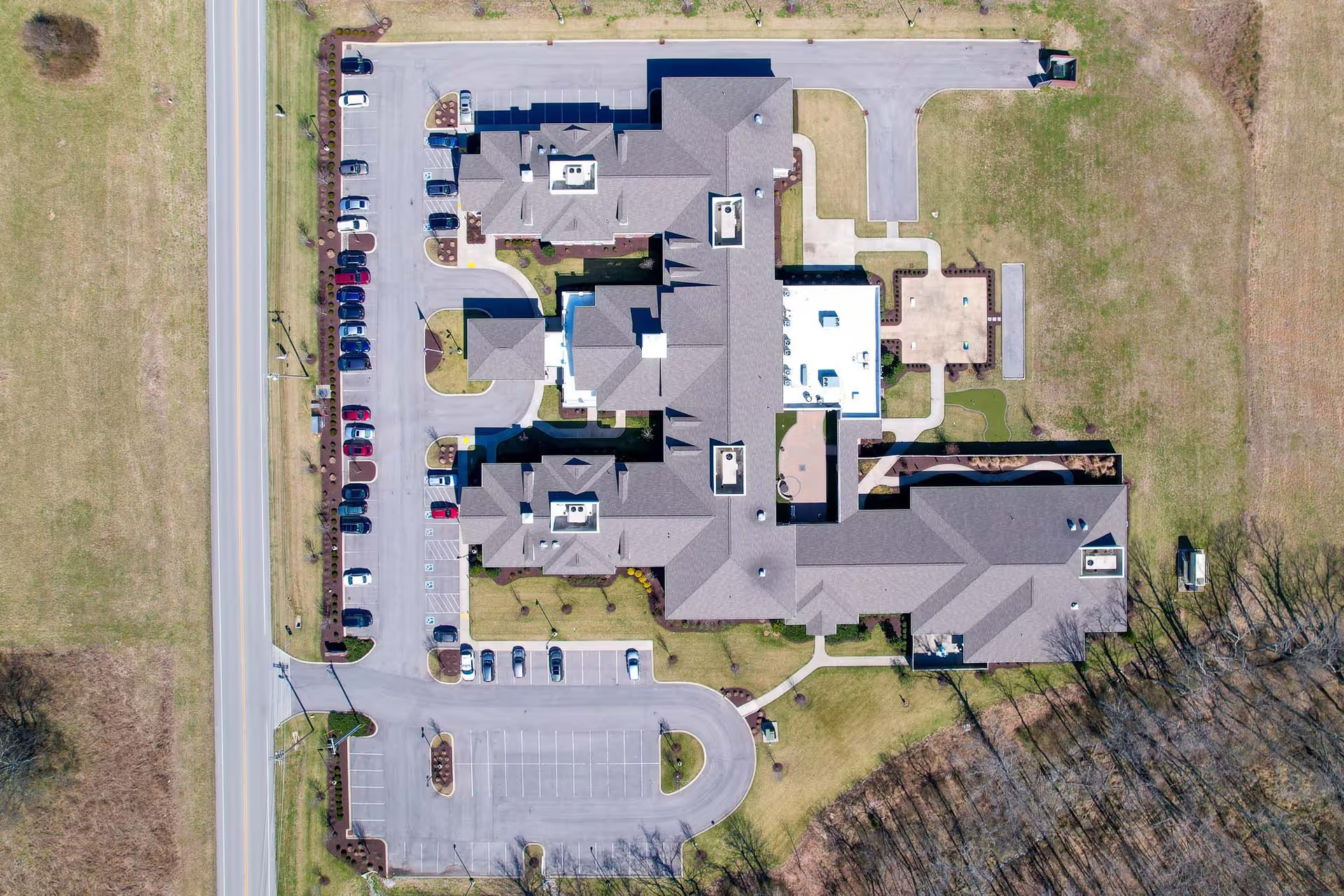
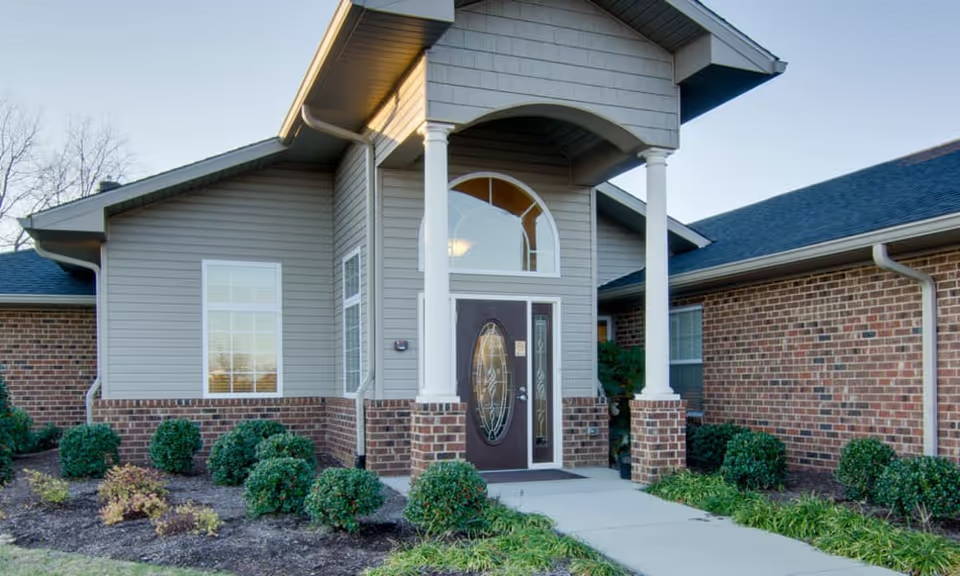
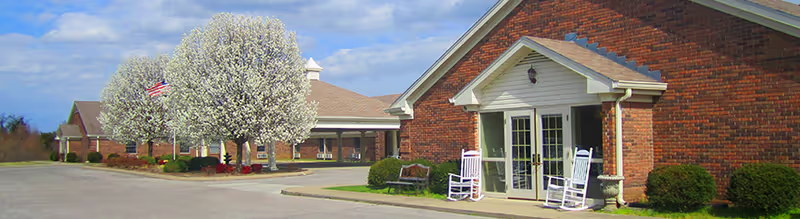
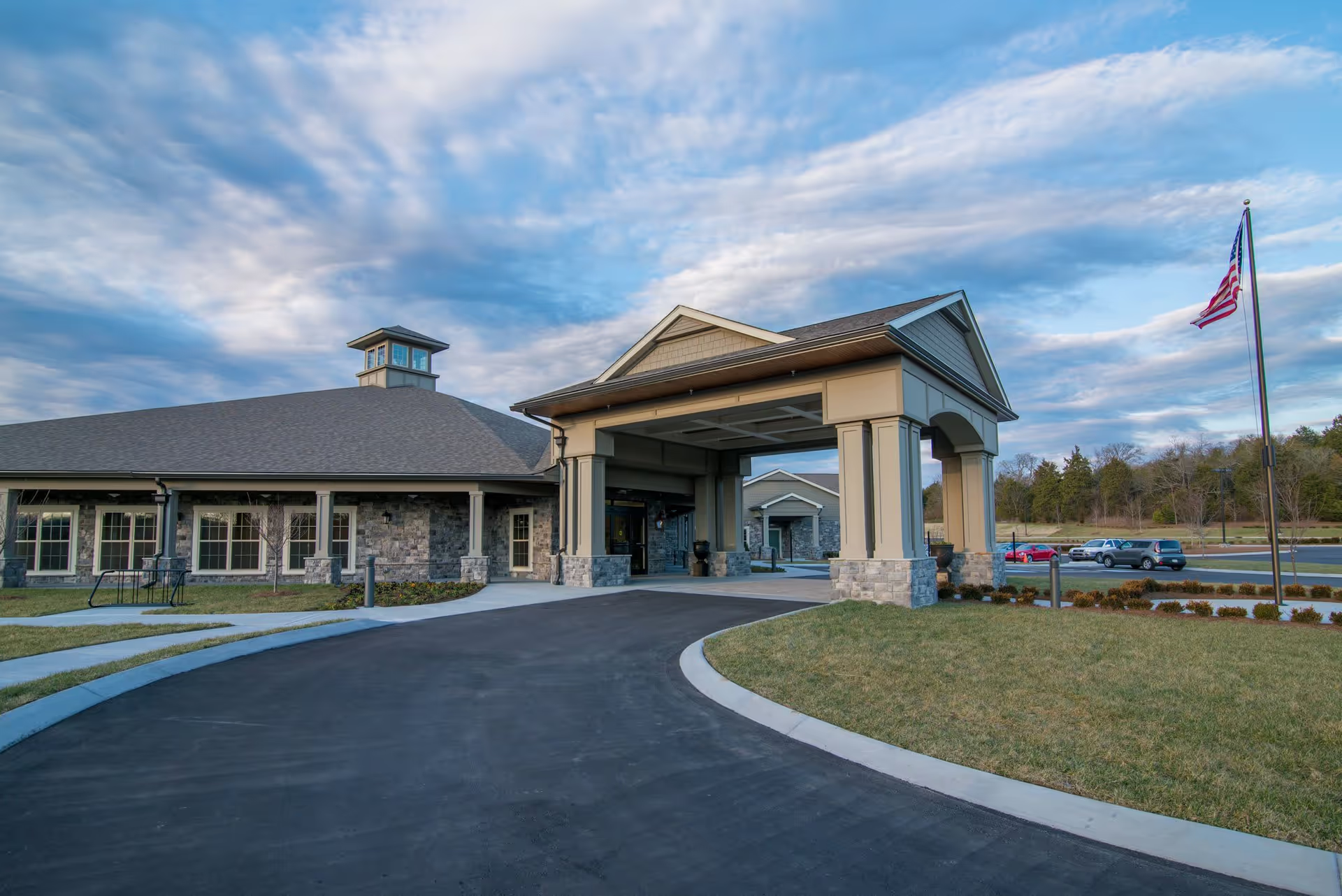
Facility amenities and environment are frequently praised: rooms are described as spacious and comfortable, parking is convenient, and the overall atmosphere is quiet and conducive to recovery. Meal quality is often rated highly, but options for customization and continuity of service are limited at times. Administrative experiences are mixed — some reviewers commend specific leaders and responsiveness, while others report difficulty reaching administration, unreturned inquiries, and communication tone that family members perceived as dismissive.
There are a small number of serious individual claims that go beyond routine care concerns; one line item characterizes these as allegations that warrant formal review and investigation by appropriate oversight. Given the combination of strong rehabilitation capability and recurrent operational issues, the facility appears best suited for patients requiring short-term, therapist-led recovery provided families actively engage with staff. Prospective residents and families should ask about current staffing levels, medication-administration protocols, supervision during meals, hygiene and cleaning procedures, and the facility’s follow-up/communication practices before admission. Monitoring care during the stay and maintaining clear communication with case management can help mitigate the variability described in reviews.