Overall impression: The dominant themes across reviews are positive: staff are frequently described as compassionate, personable, and family-like, and administrators are characterized as knowledgeable and unrushed. Many families highlight strong clinical and nursing care, with particular praise for memory-care capability (dementia and stroke care), personalized care plans, and end-of-life attention that provided peace of mind. The community is presented as clean, well maintained, and resident-focused, with spacious one‑bedroom apartments, kitchenettes, outdoor courtyard space, and an active social calendar.
Care and staff: Reviewers commonly cite warm, hands‑on caregiving and responsive nursing. Several comments emphasize that staff treat residents with dignity and that caregivers go out of their way to provide personal attention. Administrative leadership is often described as accessible and knowledgeable. At the same time, there is a pattern of variability: while many families describe exemplary, skilled care, at least one set of observations reflects a markedly different experience. That contrast suggests the facility can deliver strong person‑centered care but that consistency may depend on shift, unit, or individual caregiver factors.
Dining and activities: The community offers three meals per day prepared by on-site kitchen staff; many reviewers praised tasty food and friendly dining staff. Daily activities and engagement programs are highlighted as a strength, and the social environment is credited with reducing loneliness (including during lockdown periods). However, some comments indicate inconsistent meal quality or presentation, so prospective residents may wish to sample menus and ask about meal-service protocols.
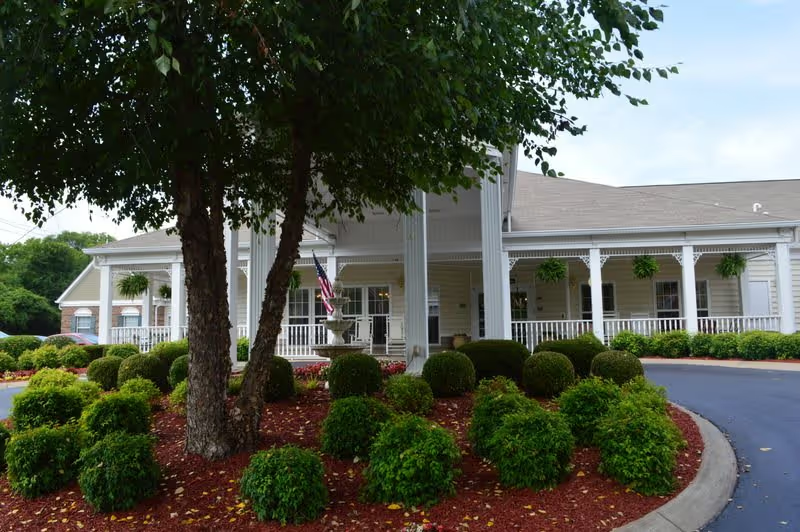
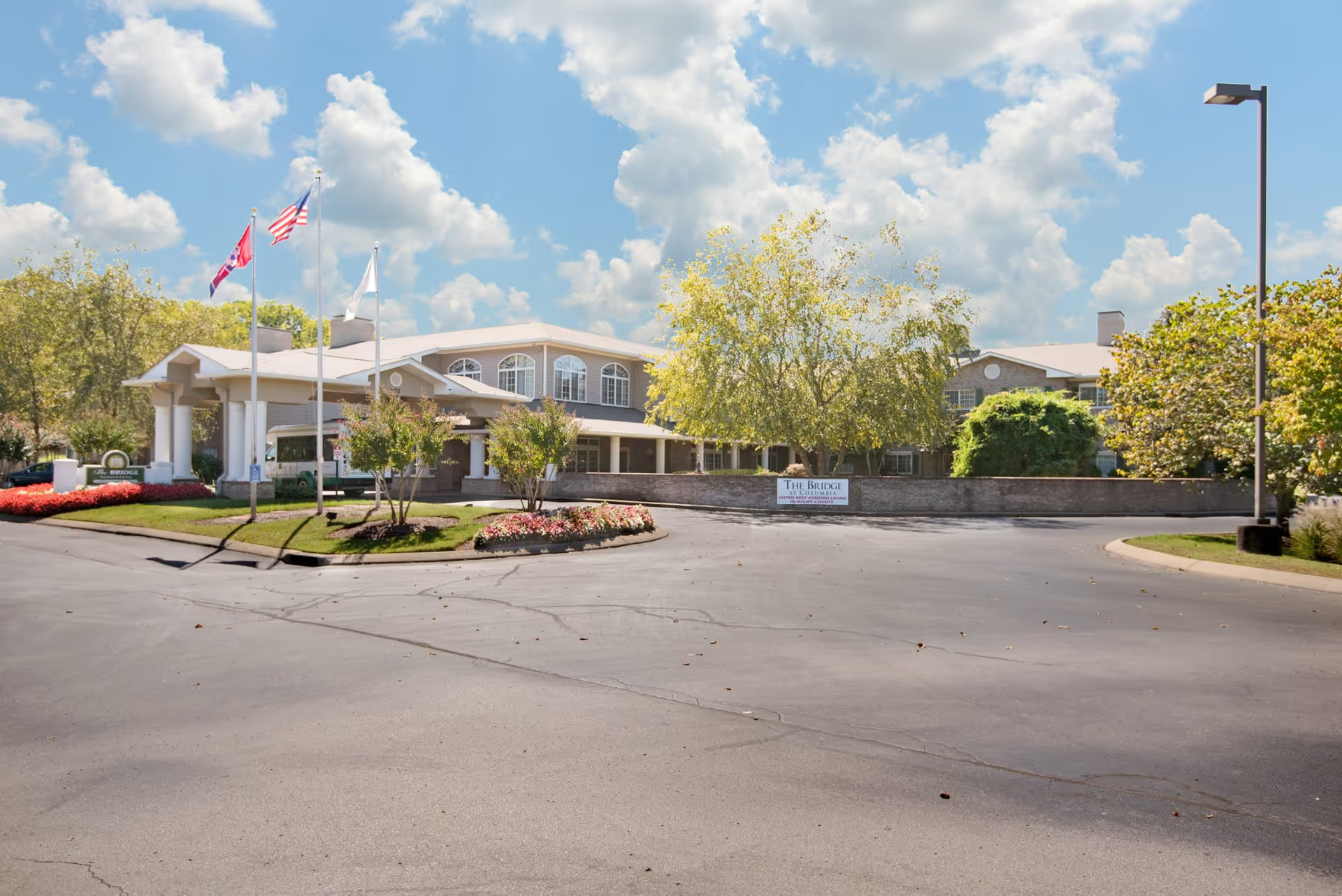
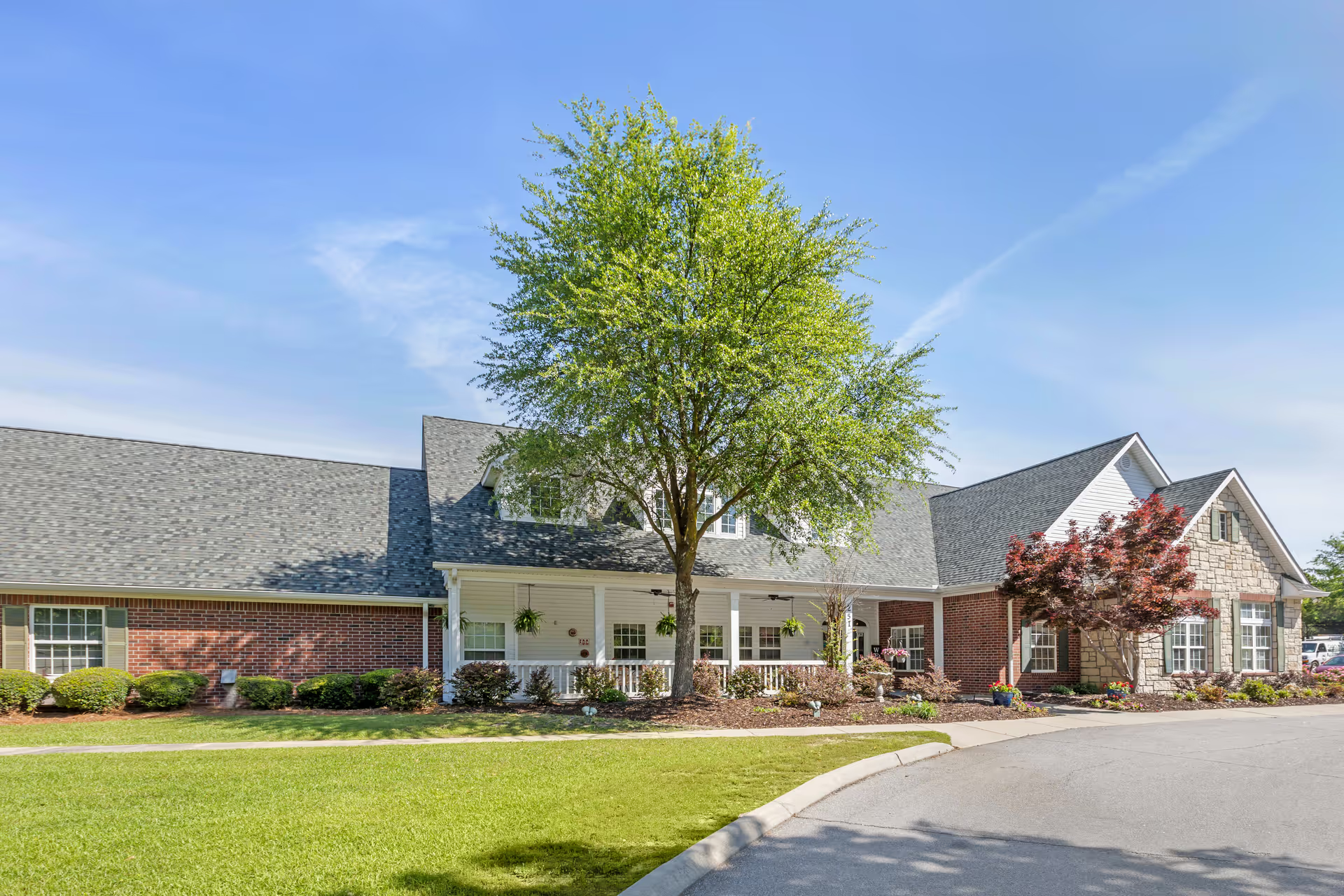
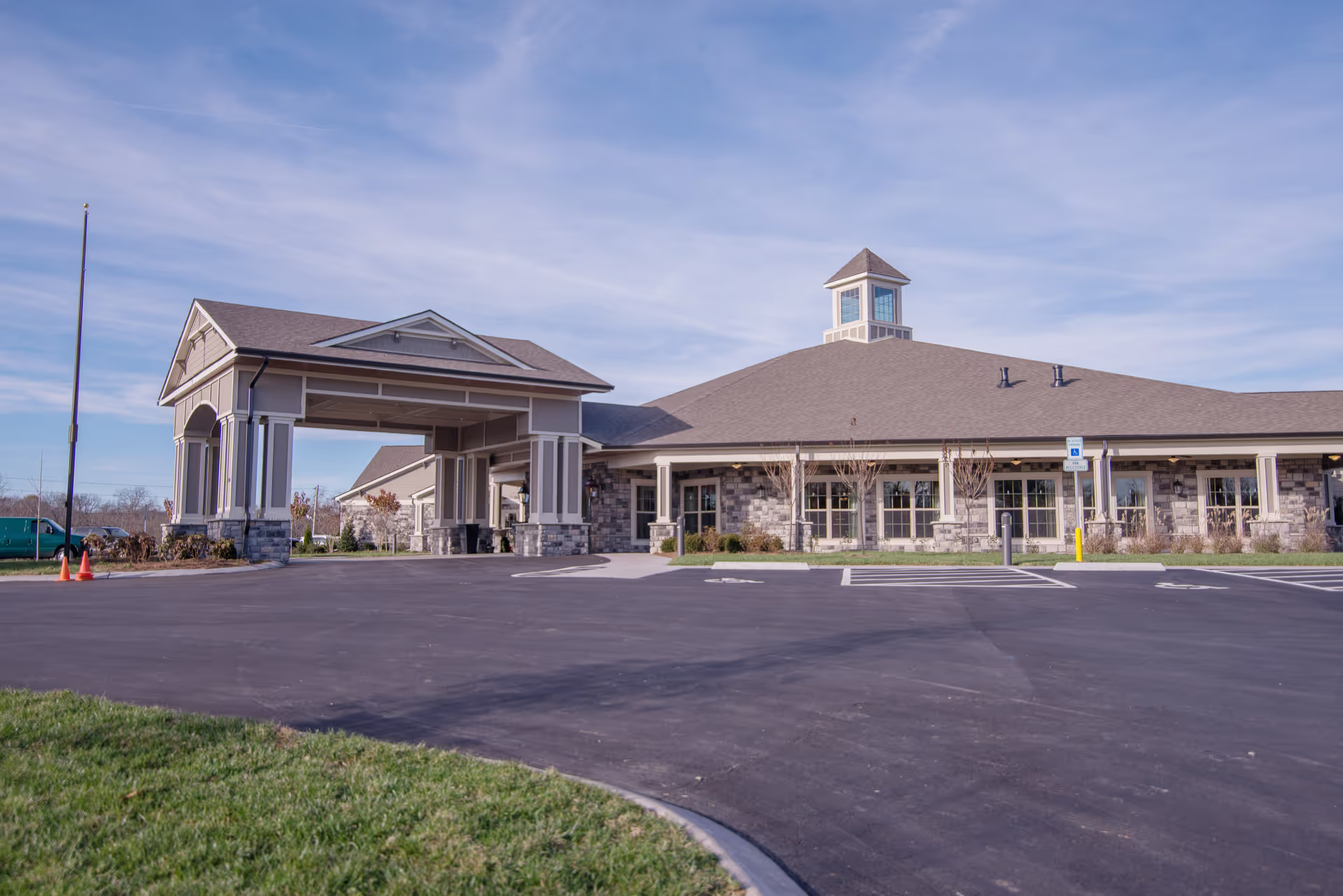
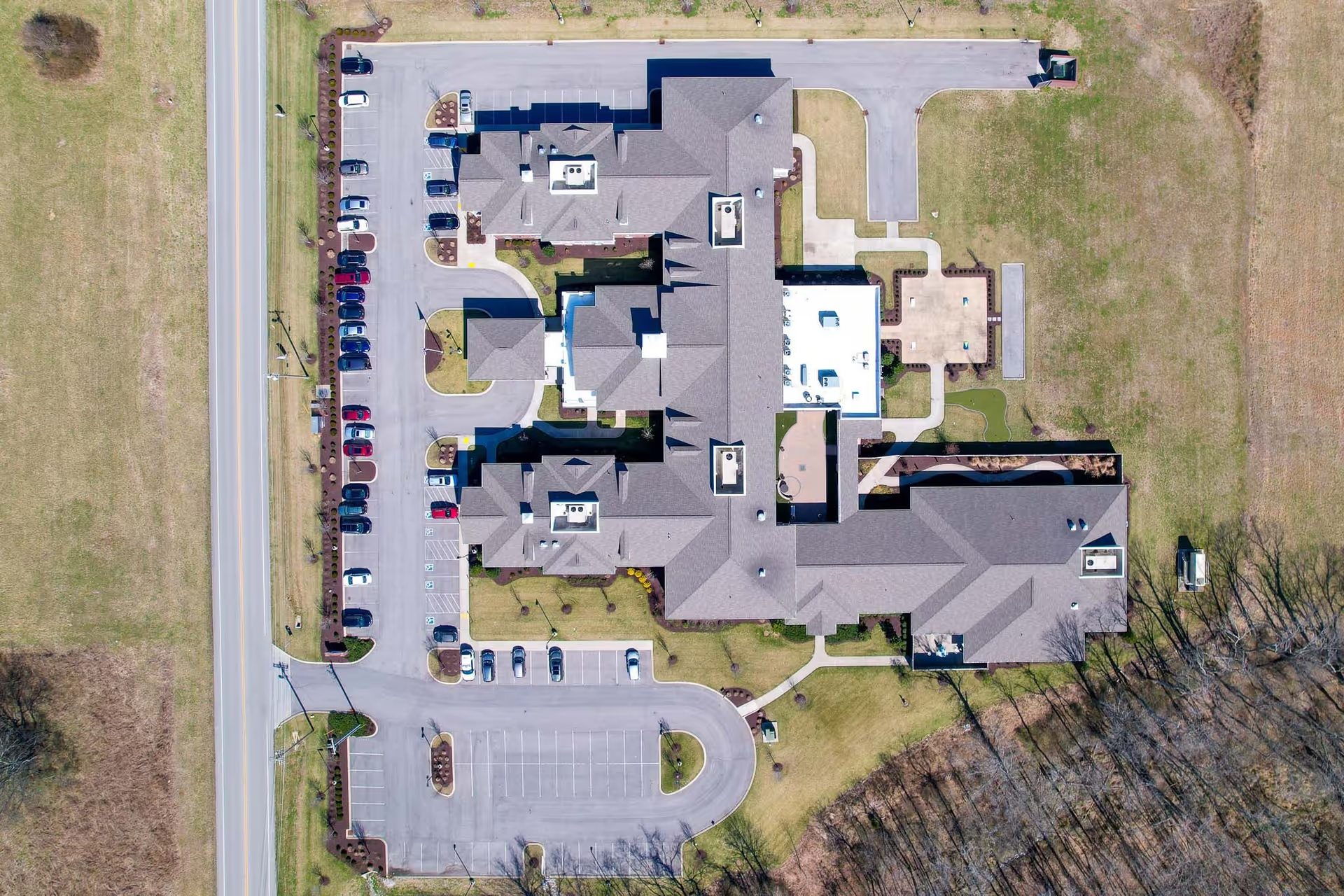
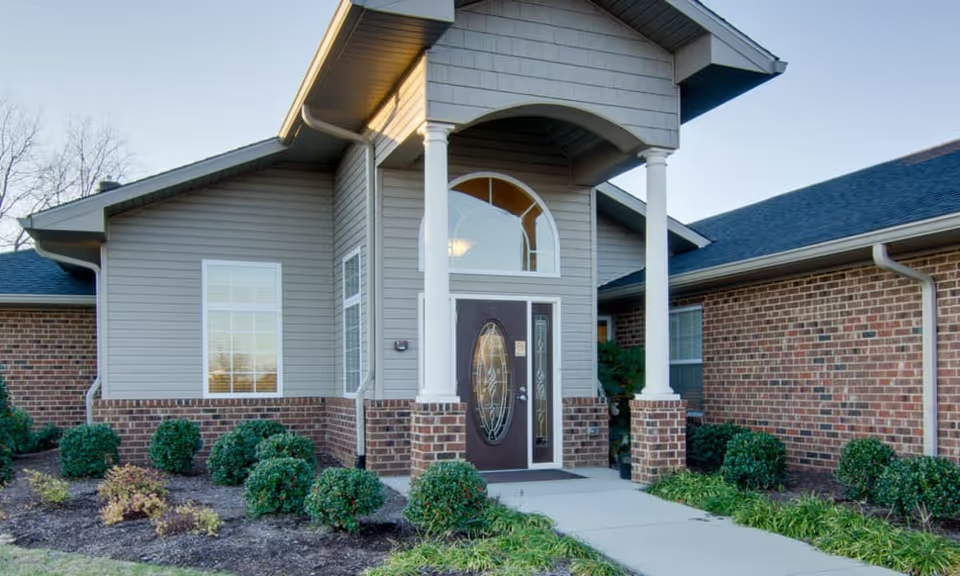
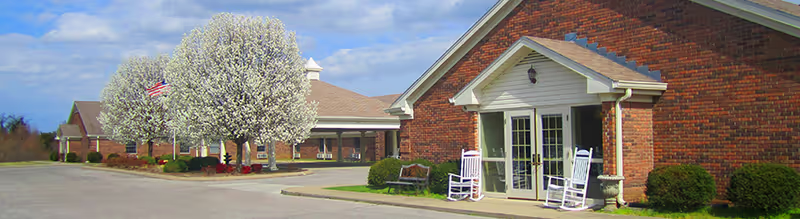
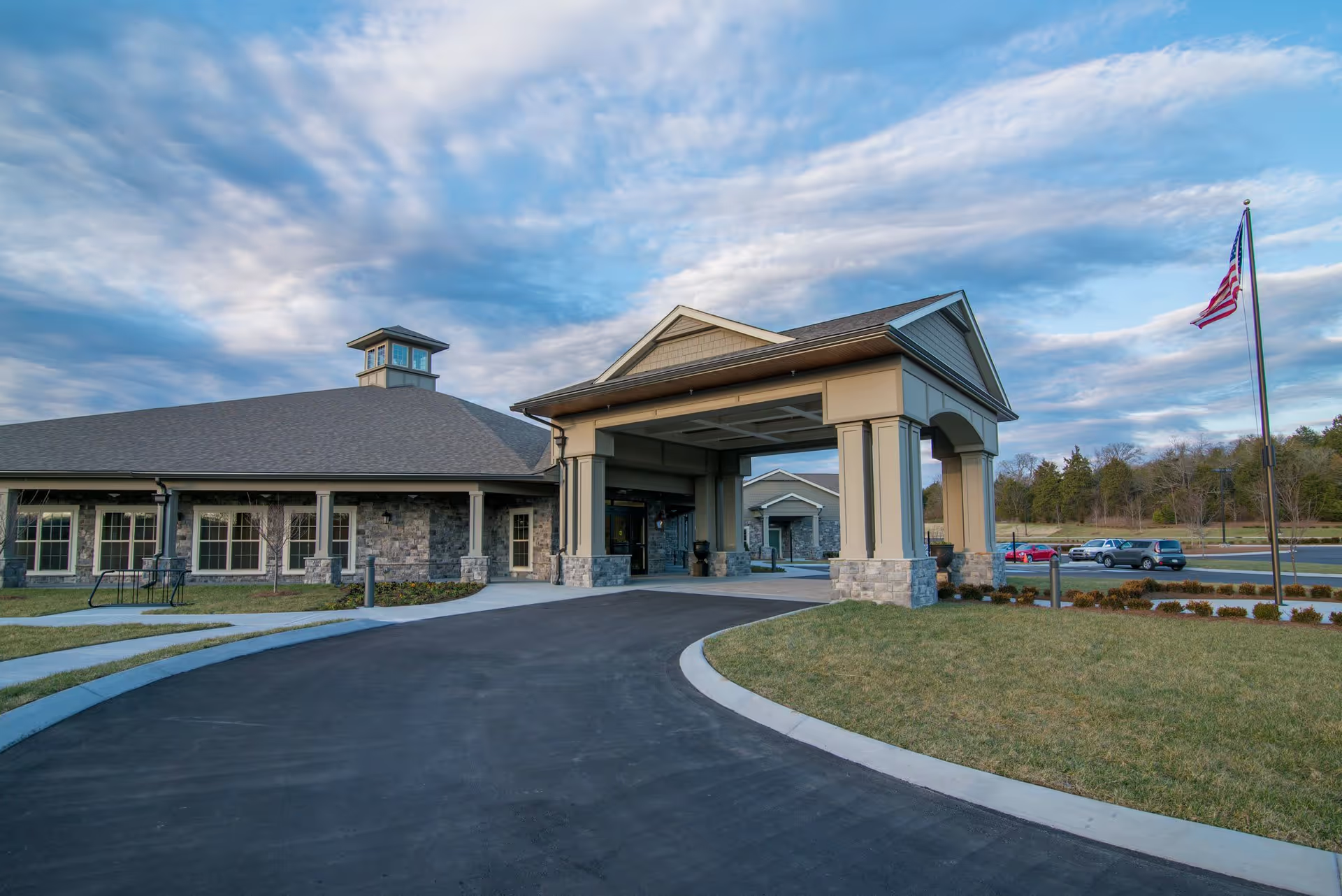
Facilities and amenities: Physical spaces receive positive mention—clean common areas, well‑kept rooms, new window treatments, and outdoor areas such as a central courtyard. Apartment-style units with kitchenettes and one‑bedroom layouts are noted as attractive features that support independence and aging in place. On the flip side, cost and affordability are concerns for some families, and a few reviewers found the location inconvenient.
Management and transparency: While administrators and some families praise transparent, responsive communication, a number of operational concerns recur: limited pre-tour disclosure (floor plans only shown during in-person tours), perceived opacity around billing/financial priorities, gaps in surveillance/security technology, and occasional shortfalls in family notification about incidents. There are also isolated but strong criticisms regarding the overall care experience; these contrast with the many positive accounts and point to inconsistency rather than a uniform pattern.
Notable patterns and recommendations: The strongest, most consistent positives relate to staff warmth, personalized attention, clinical capability in memory care, and a well‑maintained physical environment. The main areas for follow‑up when evaluating the community in person are consistency of care across shifts, family‑communication protocols, medication‑management practices and resident engagement, meal‑service quality, surveillance/security measures, and detailed cost/billing explanations. A tour that includes meeting clinical leadership, sampling a meal, reviewing staffing ratios and care plans, and asking to see documentation on communication and security practices will help families verify whether the community’s strengths align with their priorities.