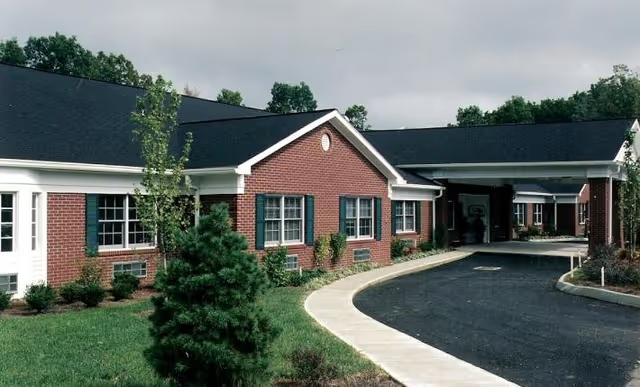
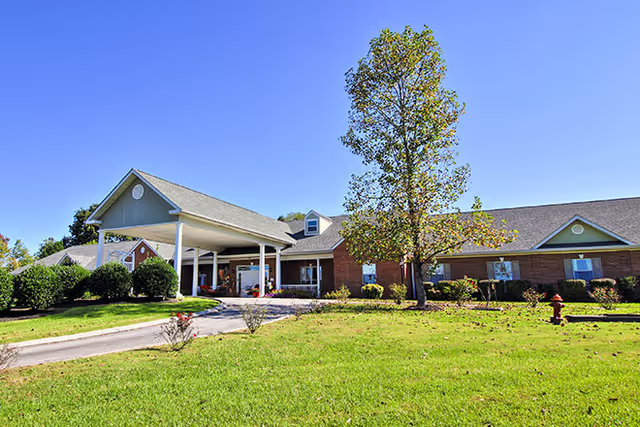
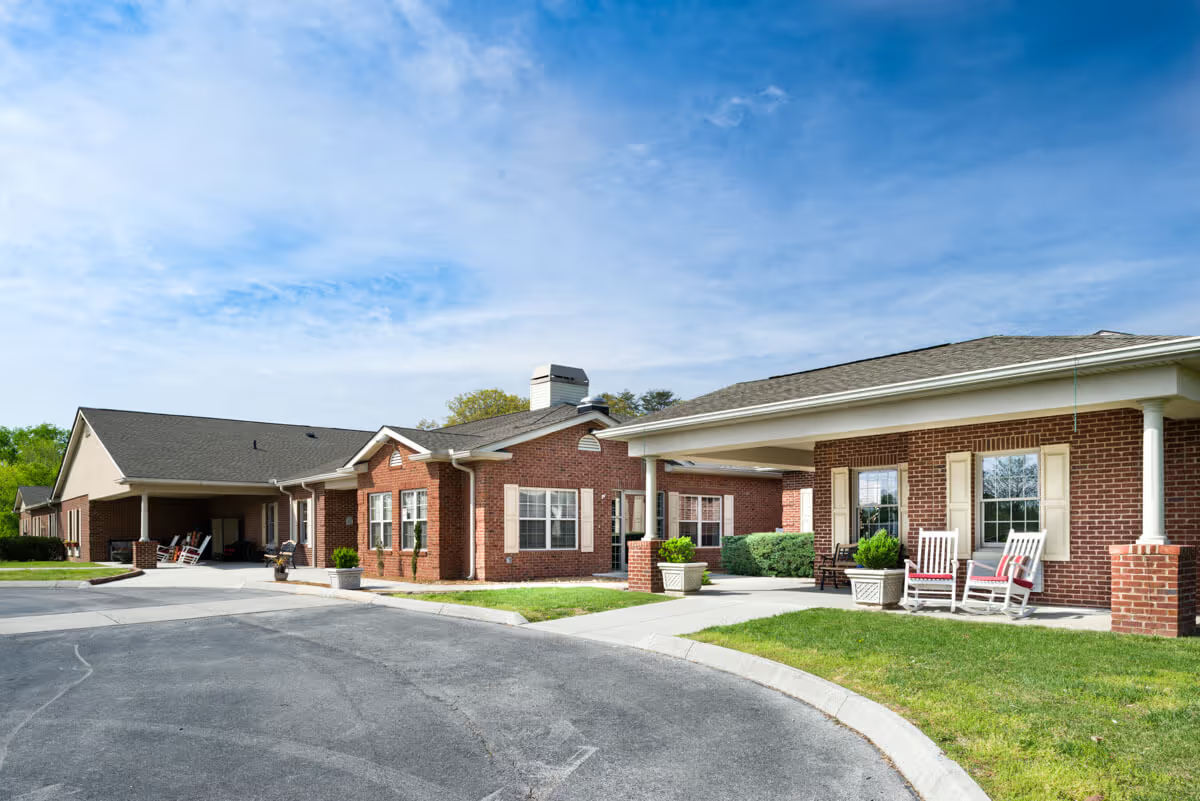
Life Care Center of Crossville elicits strongly mixed but specific impressions. Many families and residents praise the caregiving team, highlighting compassionate nurses and CNAs, an effective therapy department, and generally successful short-term rehabilitation outcomes. The facility is often described as clean and home-like, with a pleasant dining area, a well-regarded courtyard and outdoor space, and engaging social events such as live music and weekly activities that contribute positively to residents’ quality of life.
Care quality shows both strengths and variability. Numerous accounts point to skilled therapy staff and attentive nursing care that support recovery and daily comfort. At the same time, reviewers describe inconsistent staffing patterns and periods when nurse availability is limited, leading to long waits for assistance or medication. There are recurrent concerns about medication oversight and documentation, including questions about dosing and consent processes; families should confirm medication plans and documentation during admissions or care-plan meetings. A small number of reviews describe failures in crisis response and continuity of supervision; these raise concerns about emergency response procedures and follow-up communication in isolated but serious cases.
Dining and activities are generally viewed positively, with good meals, a pleasant dining area, social dining options, and regular entertainment. However, activity programming is uneven: some residents find offerings engaging and restorative, while others describe sessions as limited, not sufficiently stimulating, or not accessible to residents with mobility or cognitive limitations. Memory-care services are perceived as limited, and families seeking specialized dementia programming should inquire specifically about available supports and staffing.
Facility and operational observations are similarly mixed. The building is characterized as dated in places, with small or shared rooms and some housekeeping inconsistencies such as overflowing trash or unswept floors reported in specific instances; however, many visitors note clean common areas and well-maintained therapy spaces. Laundry handling and personal-item management mistakes have been described and are worth confirming in care agreements. The courtyard and some outdoor areas are praised, though access controls and outdoor maintenance have been called out as areas for improvement.
Management and communication show both positives and challenges. Administrative and front-desk staff receive frequent commendations for helpfulness and responsiveness, and several families describe strong, family-like relationships with caregivers. At the same time, there are repeated concerns about transparency and timeliness of communication with families, delayed physician access in certain cases, and a perception by some that operational priorities occasionally take precedence over individualized attention. Prospective residents and their families should ask specific questions about staffing levels, medication policies and consent procedures, incident response protocols, laundry processes, and availability of memory-care services when evaluating the facility.
In summary, Life Care Center of Crossville demonstrates clear strengths in therapy, short-term rehabilitation, and caregiving relationships, alongside operational and consistency challenges in staffing, medication oversight, housekeeping, and communication. These mixed patterns suggest the facility can provide good outcomes for many residents, particularly for short-term rehab stays, but families should seek direct assurances and documentation on the operational areas listed above before committing to long-term placement.