Reviewers describe a facility with strong strengths in direct resident care and rehabilitation alongside notable operational inconsistencies. Many families praised nurses, aides, and therapists for compassionate, hands-on care; commenters highlighted successful physical therapy outcomes, responsive hospice/end-of-life support, and staff who form family-like relationships with residents. Multiple accounts characterize the facility as clean and well-maintained with varied activities and on-site entertainment, generally appealing meals, and a convenient local location. Admissions and billing staff are often described as helpful and responsive when the intake process proceeds smoothly.
At the same time, a pattern of clinical and operational concerns emerges across reviews. There are allegations of serious clinical lapses in individual cases, including deviations from prescribed wound-care plans and subsequent infection concerns; reviewers linked these incidents to inconsistent follow-through on clinical directives and questioned discharge timing for medically unstable residents. Related operational gaps include uneven initiation and continuity of therapy services and variable adherence to infection-prevention processes. These items point to a need for stronger clinical oversight and clearer protocol enforcement.
Staff behavior and workforce issues are a prominent theme. While many reviewers emphasize genuinely caring and attentive caregivers, others describe variable conduct—rude or curt communication on phone calls, occasional rough handling concerns, and instances of unprofessional behavior in work areas. Reviewers also report staffing shortages or heavy workloads that can affect responsiveness and day-to-day consistency. Several comments raise concerns about supervisory practices and frequent staff turnover, which families connected to inconsistency in service and housekeeping standards.
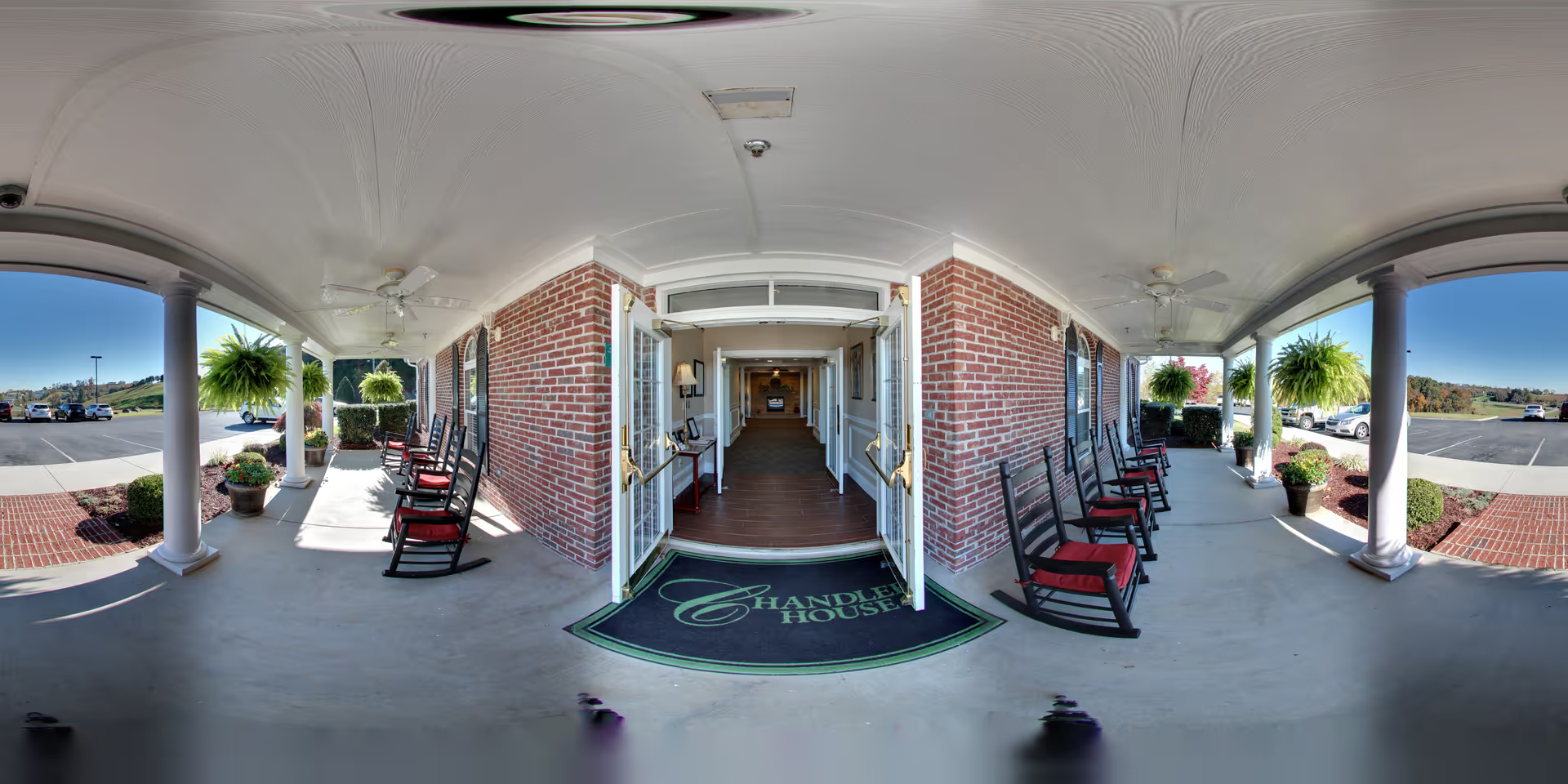
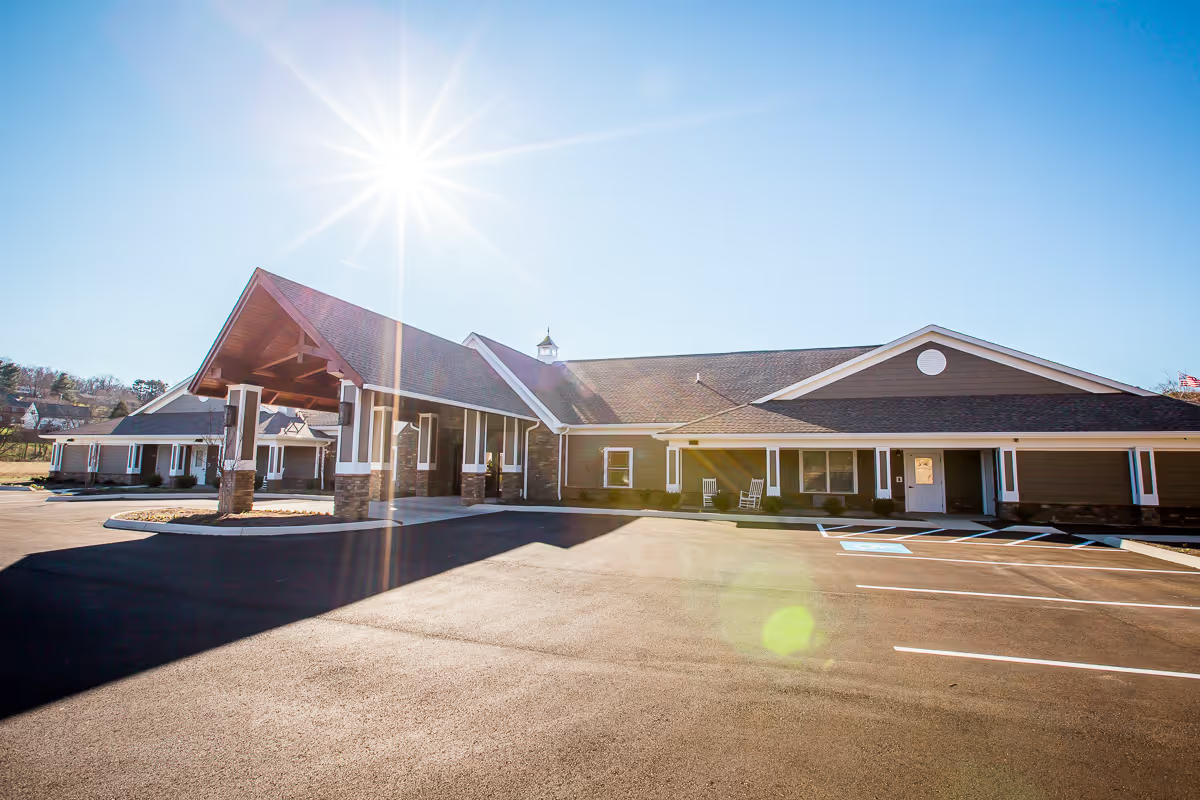
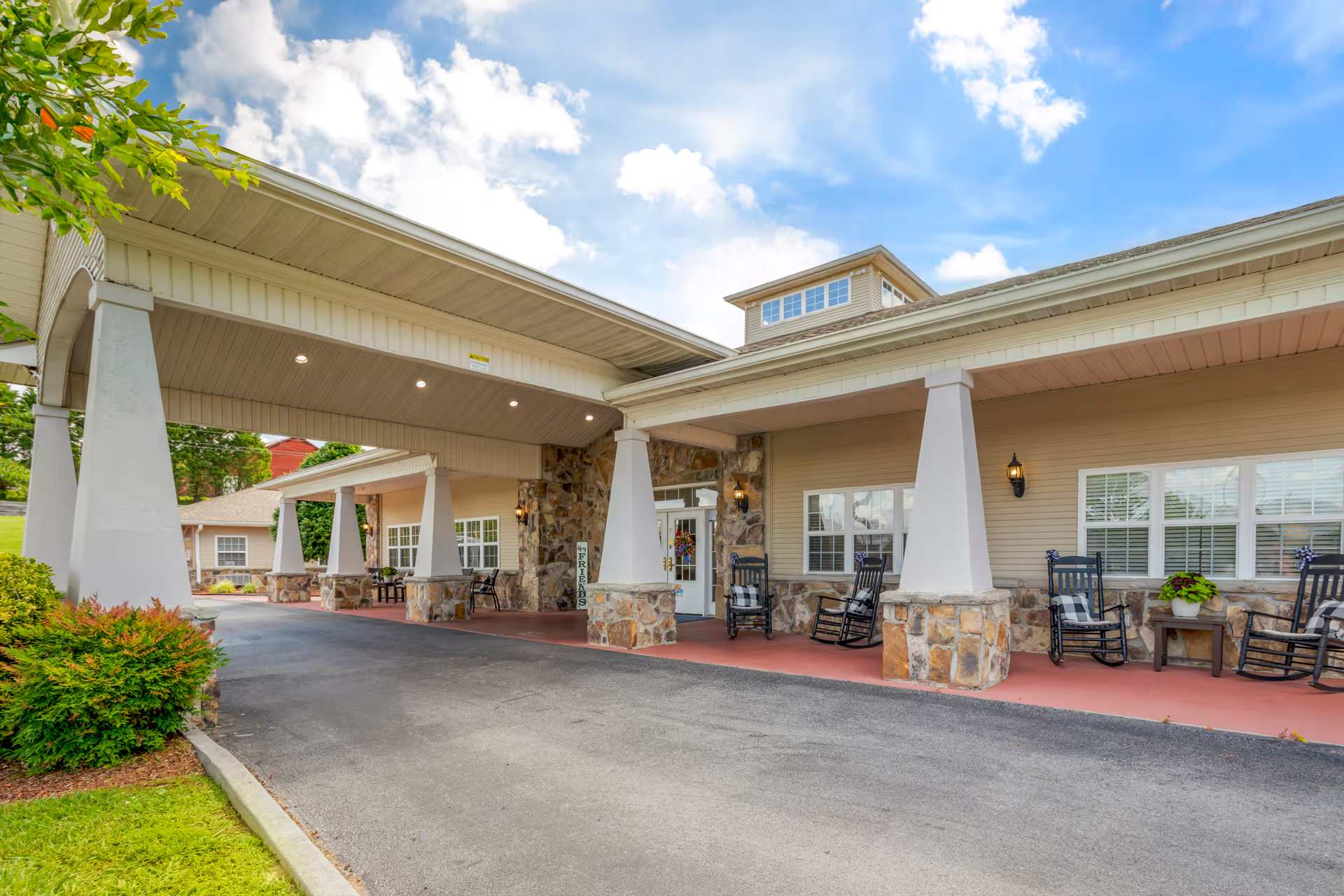
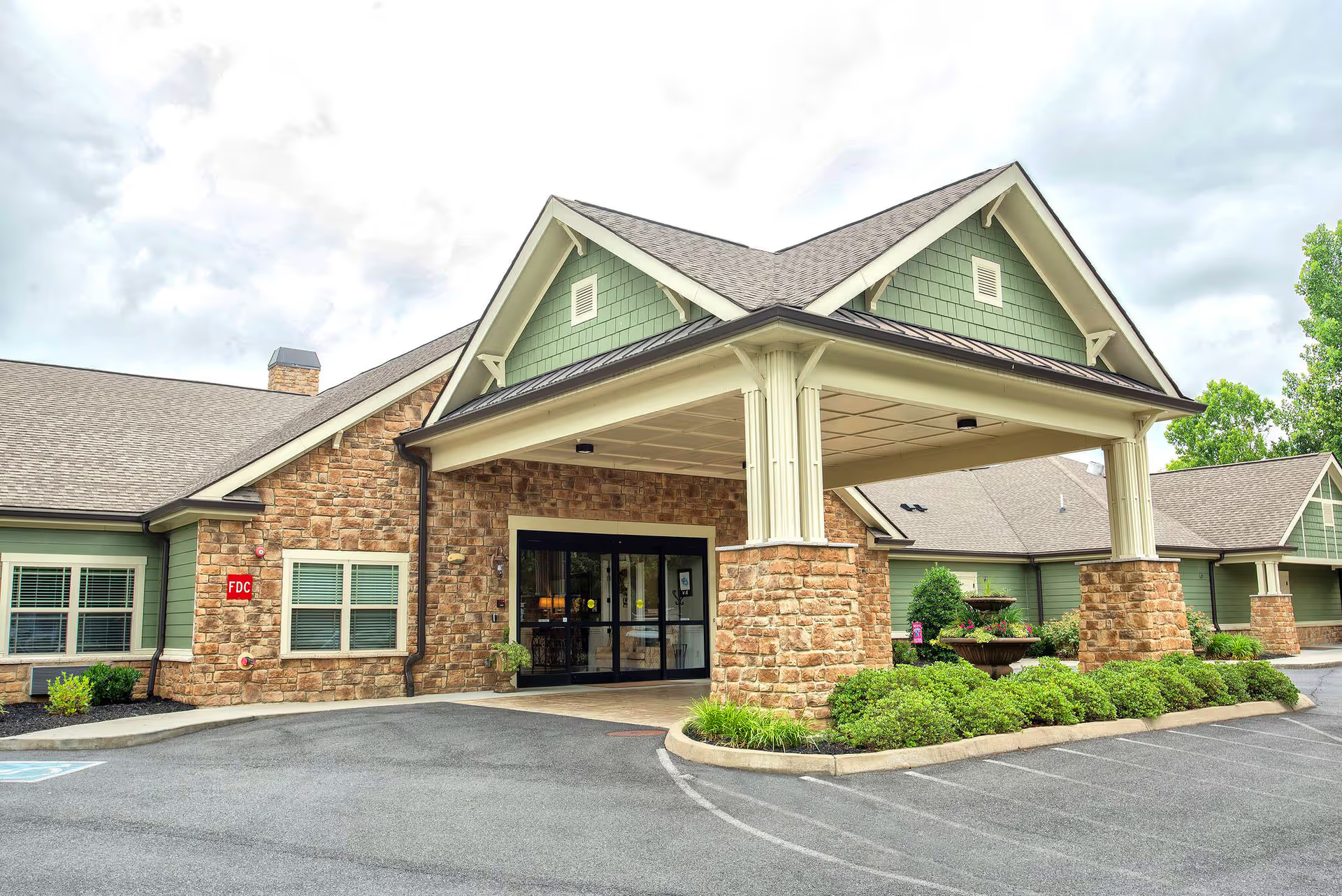
Facility operations and environment show mixed signals. The campus is frequently described as clean and pleasant, with large rooms and a positive atmosphere during activities, but reviewers also note unit-level cleanliness variability, cottages needing better attention, and episodic odor or sanitation concerns in specific areas. Some describe disruptive noise and unprofessional conduct in kitchen and parking areas that can affect the environment. Dining receives generally positive mentions for appealing food and social mealtime experiences, although a minority found food quality unsatisfactory.
Administrative and admission processes are another area for inquiry. Several families experienced delays or denials related to insurance preauthorization, network status, or timing of coverage changes; these cases created stress around access to temporary rehab stays. A few reviews described a perception that billing priorities influenced admission decisions. Prospective families should clarify insurance authorization procedures, typical therapy start times, staffing levels, and infection-control protocols during tours.
Overall, Jefferson Park at Dandridge shows strengths in compassionate bedside care, rehab services, and community-oriented programming, but reviewers also identify operational and supervisory gaps that can affect consistency of clinical follow-through, cleanliness at the unit level, and staff conduct. A focused conversation with leadership about infection-prevention practices, staffing ratios, therapy scheduling, and the facility’s approach to family communication will help prospective residents and families assess whether the facility’s strong points align with their priorities.