Overall impression: Reviews reflect a facility with many strengths in hands-on care, hospitality, and rehabilitation outcomes, alongside targeted operational weaknesses that families should evaluate. Positive experiences cluster around nursing and CNA attentiveness, room cleanliness, pleasant dining, and effective short-term therapy. However, several comments describe service gaps related to transitions, safety, and consistency across units.
Care and staff: Numerous accounts highlight compassionate, respectful interactions from nurses and CNAs, with staff who listen, notify families promptly, and maintain strong relationships with residents. Several reviewers credited the clinical team with meaningful therapy progress (for example after stroke) and with providing comfort for residents with cognitive impairment. At the same time, there are reports of variable responsiveness at certain times, and at least one account that raises substantive concerns about discharge decisions and post-discharge coordination; these suggest uneven supervision and potential lapses in safety protocols when families are not present.
Dining and activities: The dietary program is frequently described as attentive and pleasant, with appealing meals, treats such as ice cream, and flexible dining hours. Activities are described as varied and engaging, contributing to a home-like atmosphere for many residents. These elements appear to be consistent strengths that support resident satisfaction and quality of life.
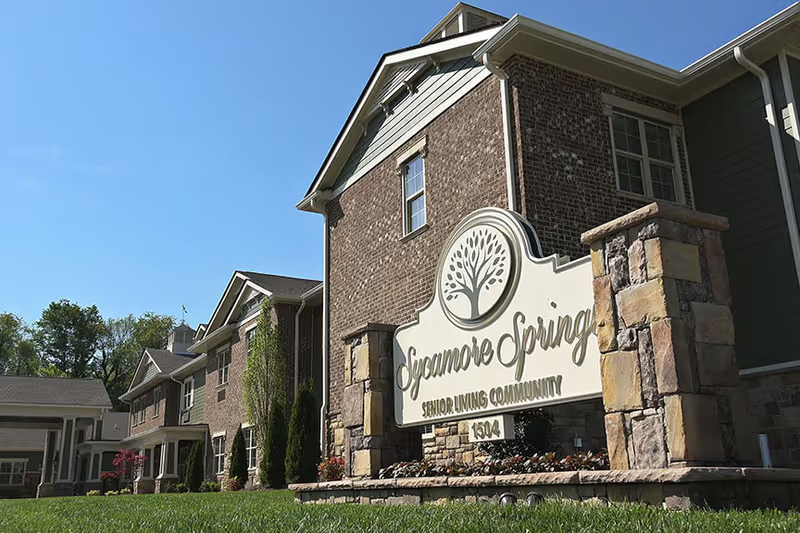
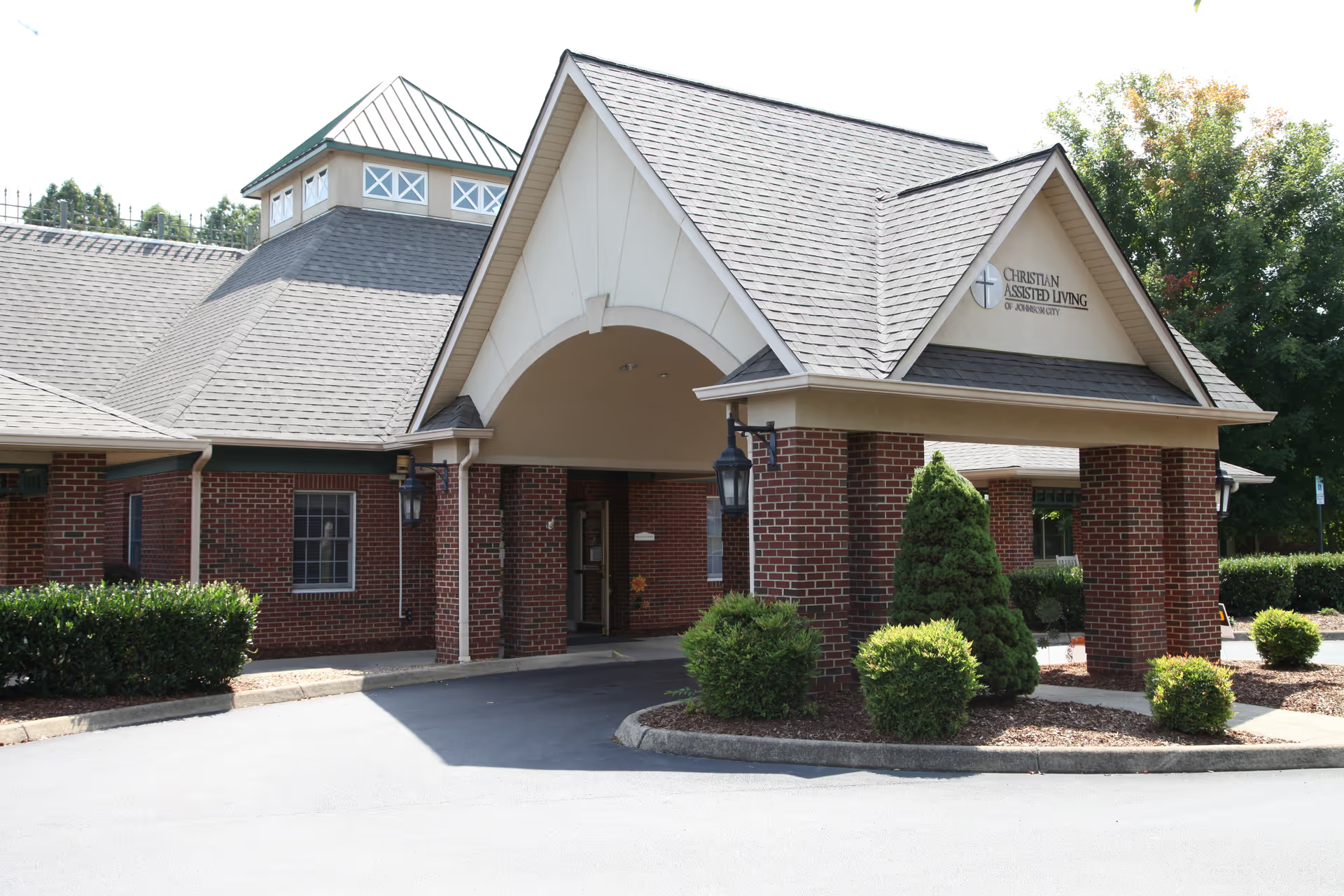
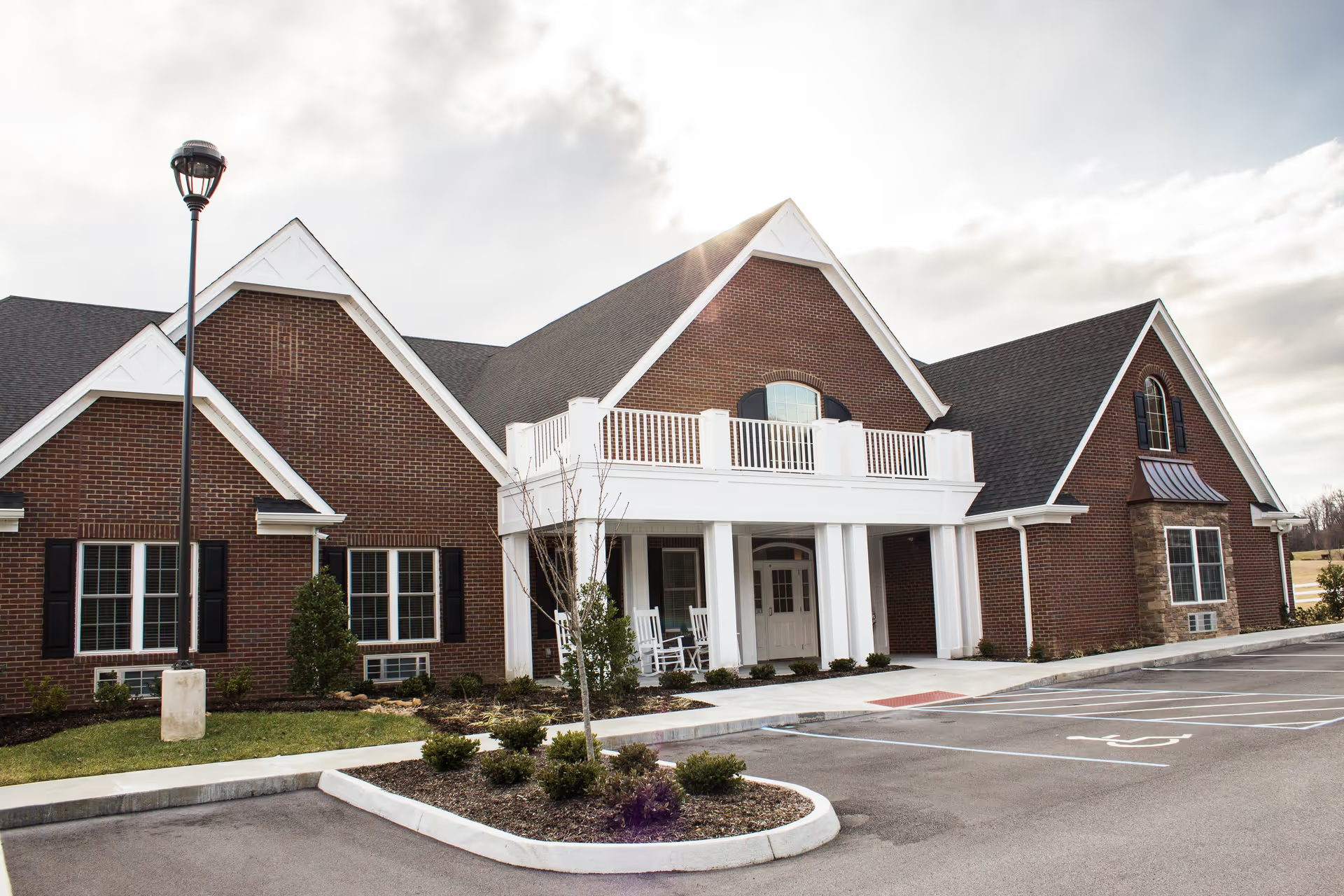
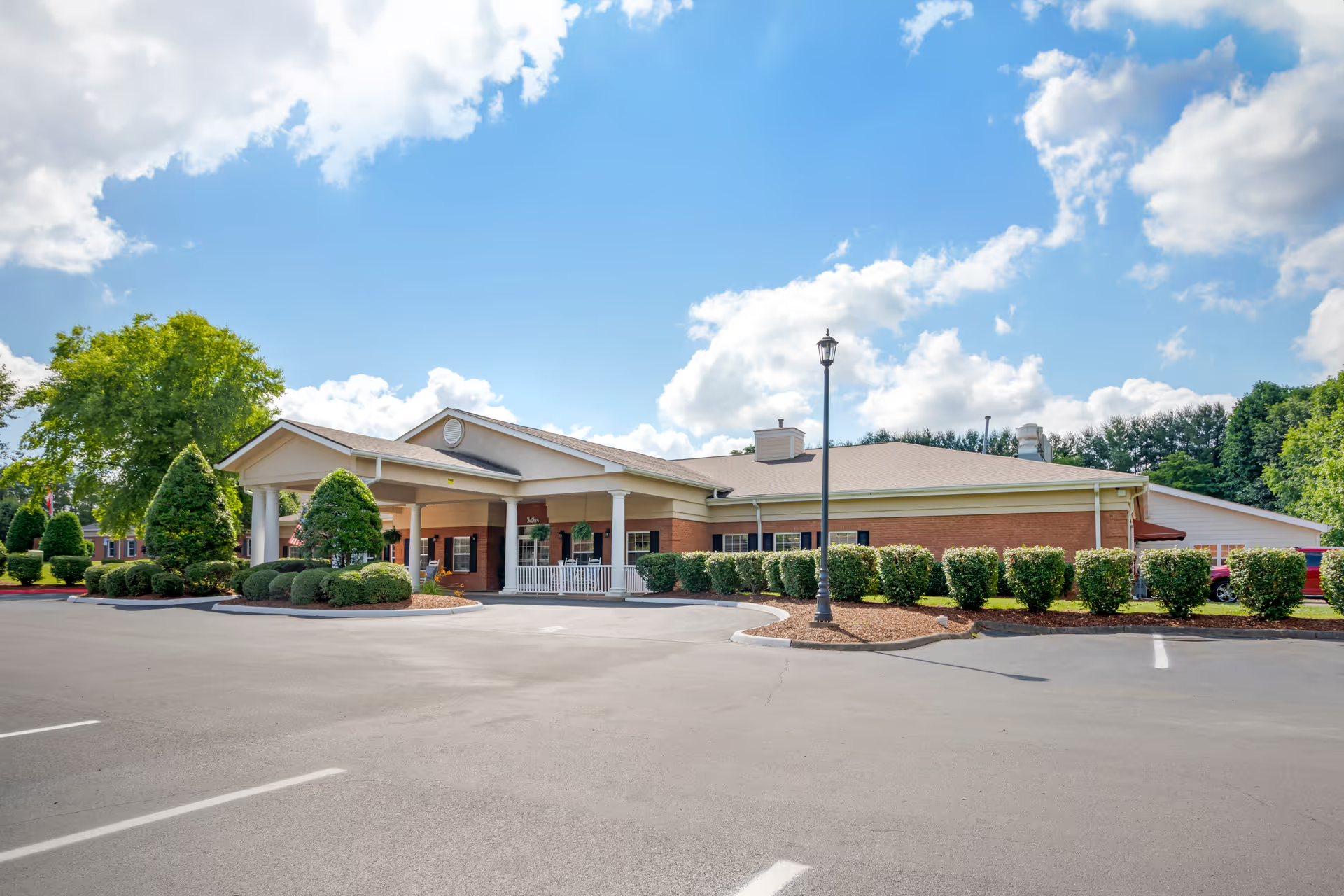
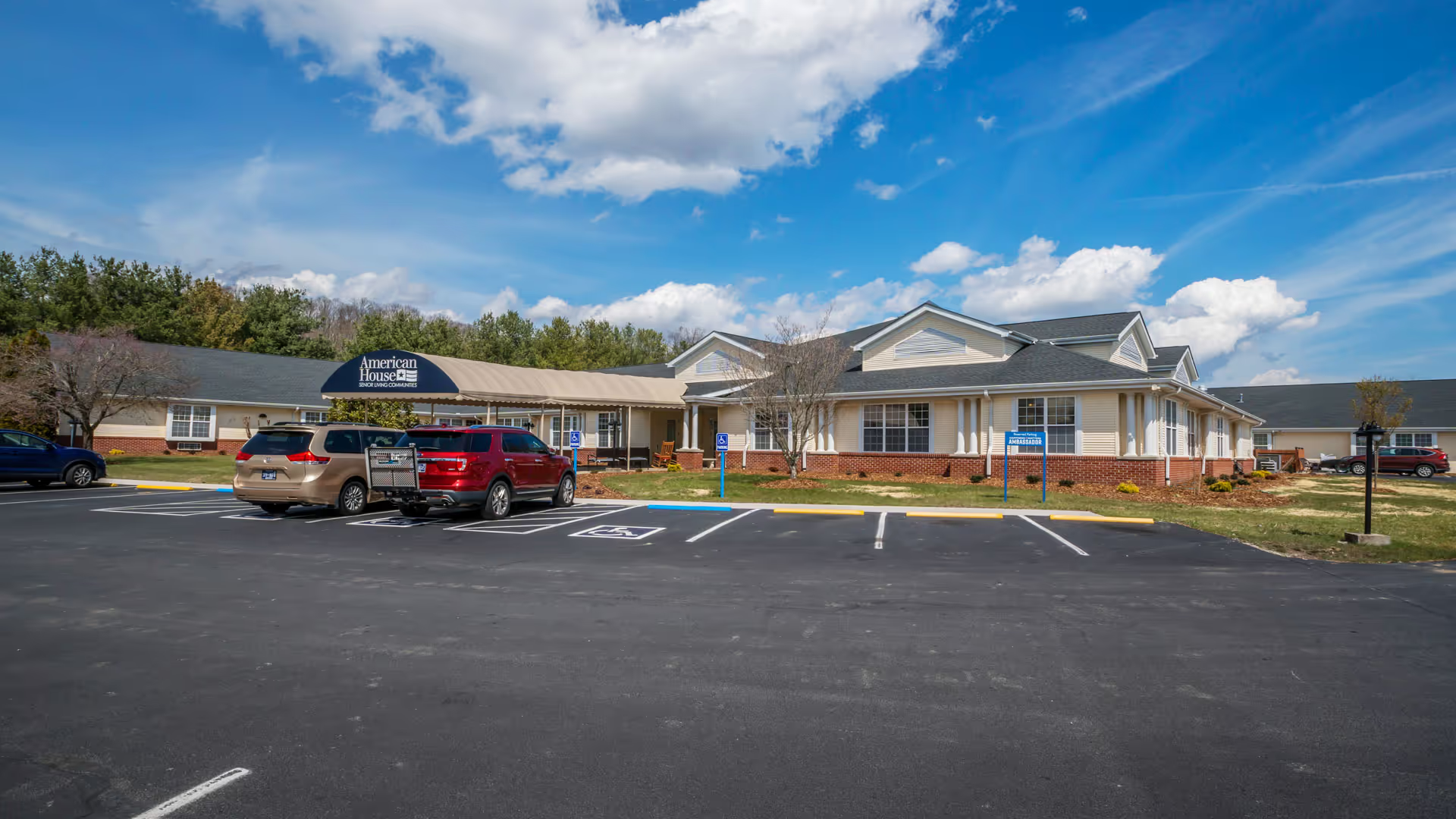
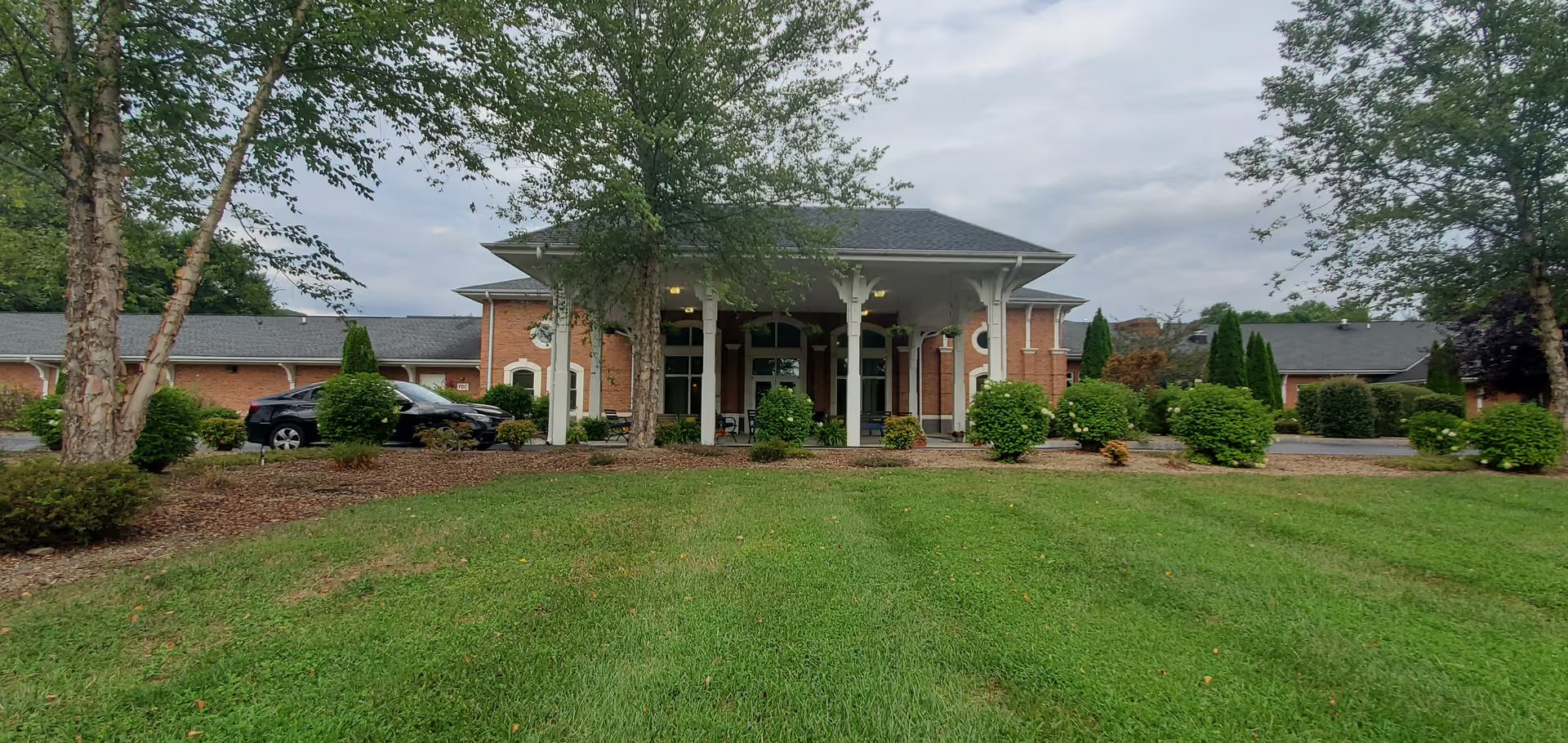
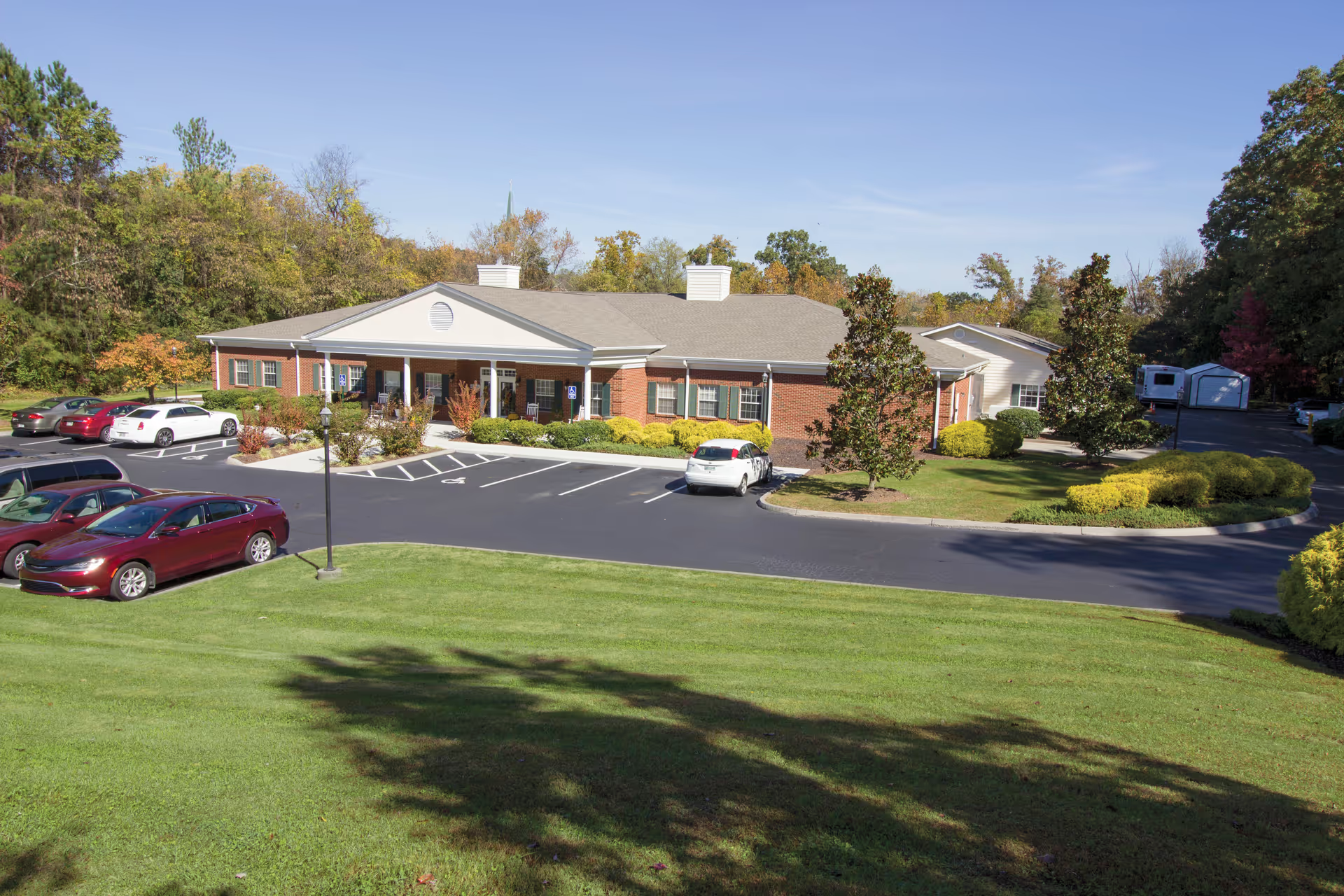
Facilities and environment: The site is characterized as newer or recently updated, with an attractive exterior, tidy rooms, and generally good sanitation. That said, reviewers note crowded hallways and some capacity/layout limitations that can affect mobility and the sense of space. The facility layout and traffic should be considered for residents with limited mobility or who require frequent staff assistance.
Management and operational patterns: Positive comments include timely updates on orders and effective resolution of specific concerns. Major operational weaknesses center on care transitions and administrative coordination: inconsistent rehabilitation scheduling and intensity, difficulties with Medicare/insurance transfers, and gaps in arranging home-health follow-up. These process issues are associated in a few accounts with safety events (falls) and with family frustration over discharge planning. Quality appears to differ between the rehabilitation wing and long-term care areas, so unit-level performance questions are warranted.
Notable patterns and guidance: Strengths include compassionate direct care, effective short-term therapy for many residents, pleasing meals, and an engaging activity program. Primary areas for due diligence are discharge planning, coordination with post-acute services and insurers, fall-prevention practices, and supervision during periods without family presence. Prospective residents and families should ask targeted questions about rehab schedules and intensity, the facility’s discharge protocols, home-health coordination, fall-risk mitigation, and unit-level staffing patterns when evaluating placement.