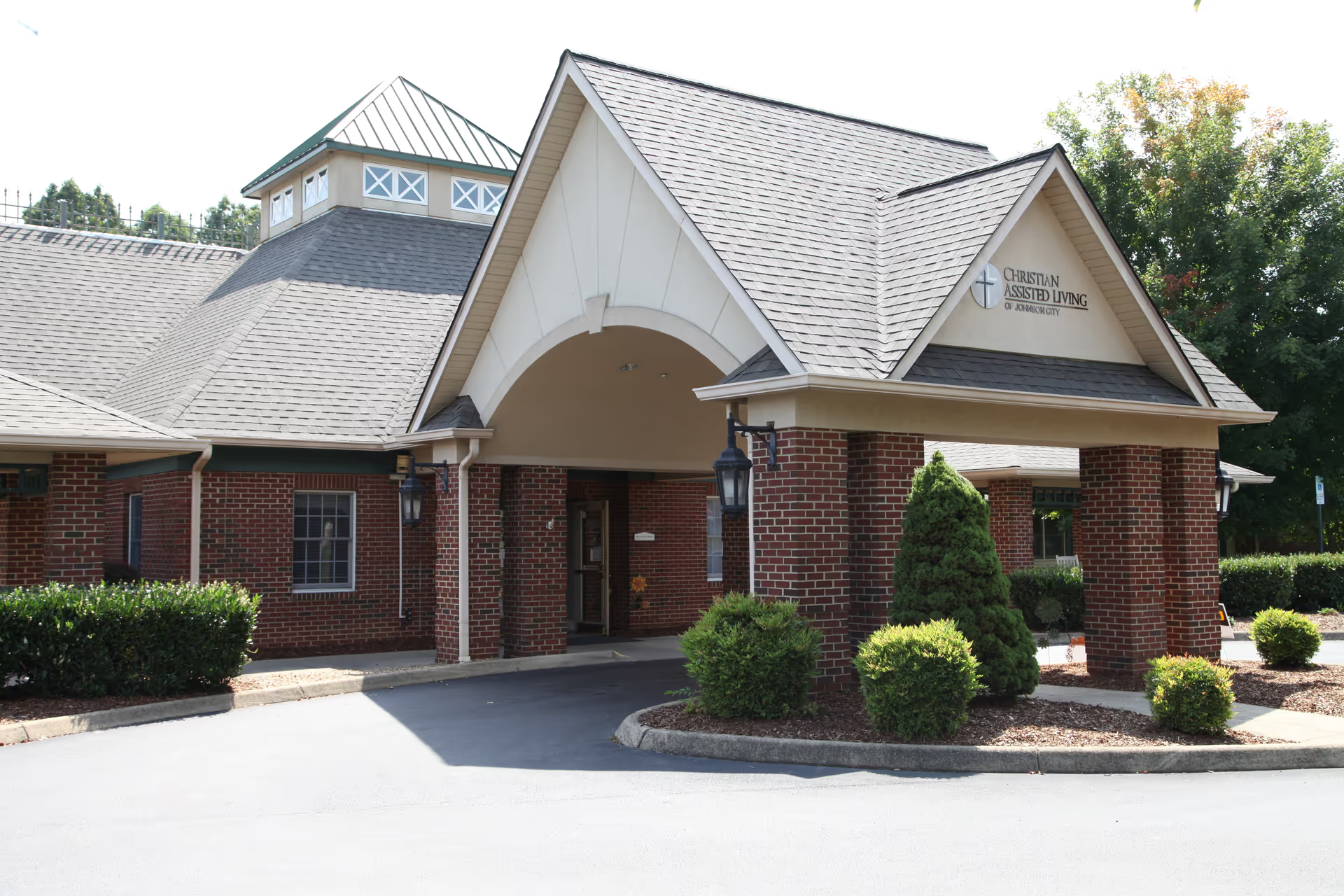
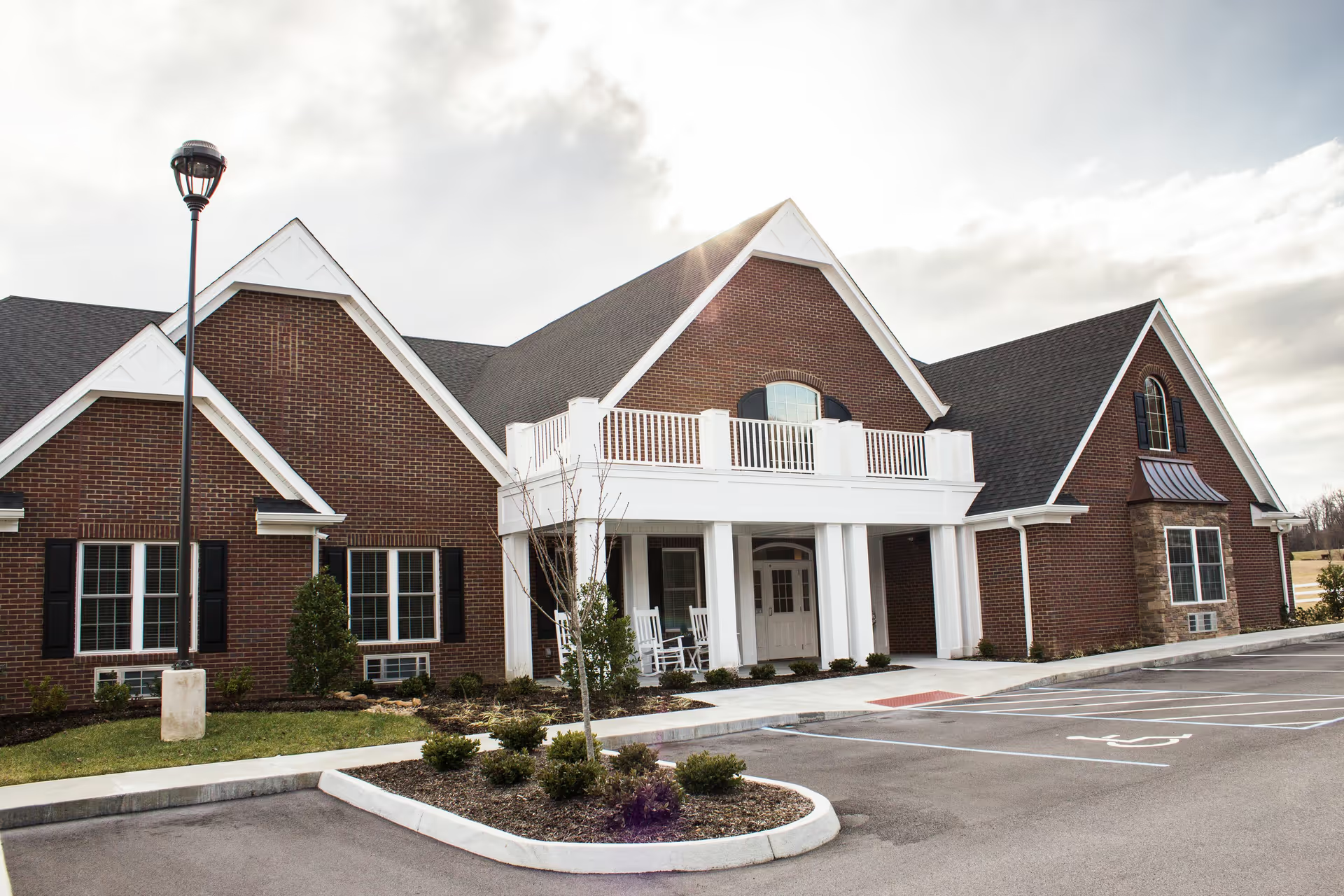
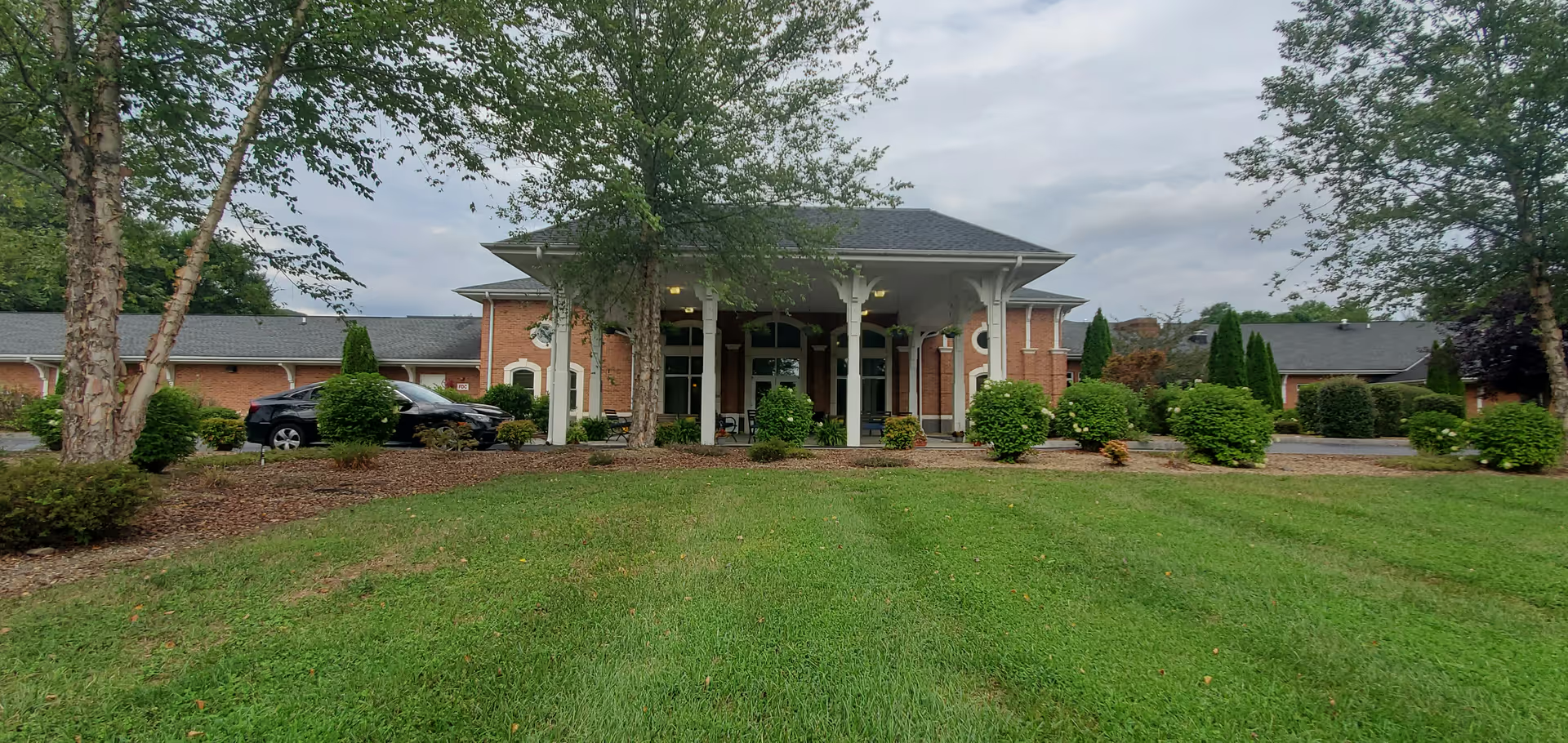
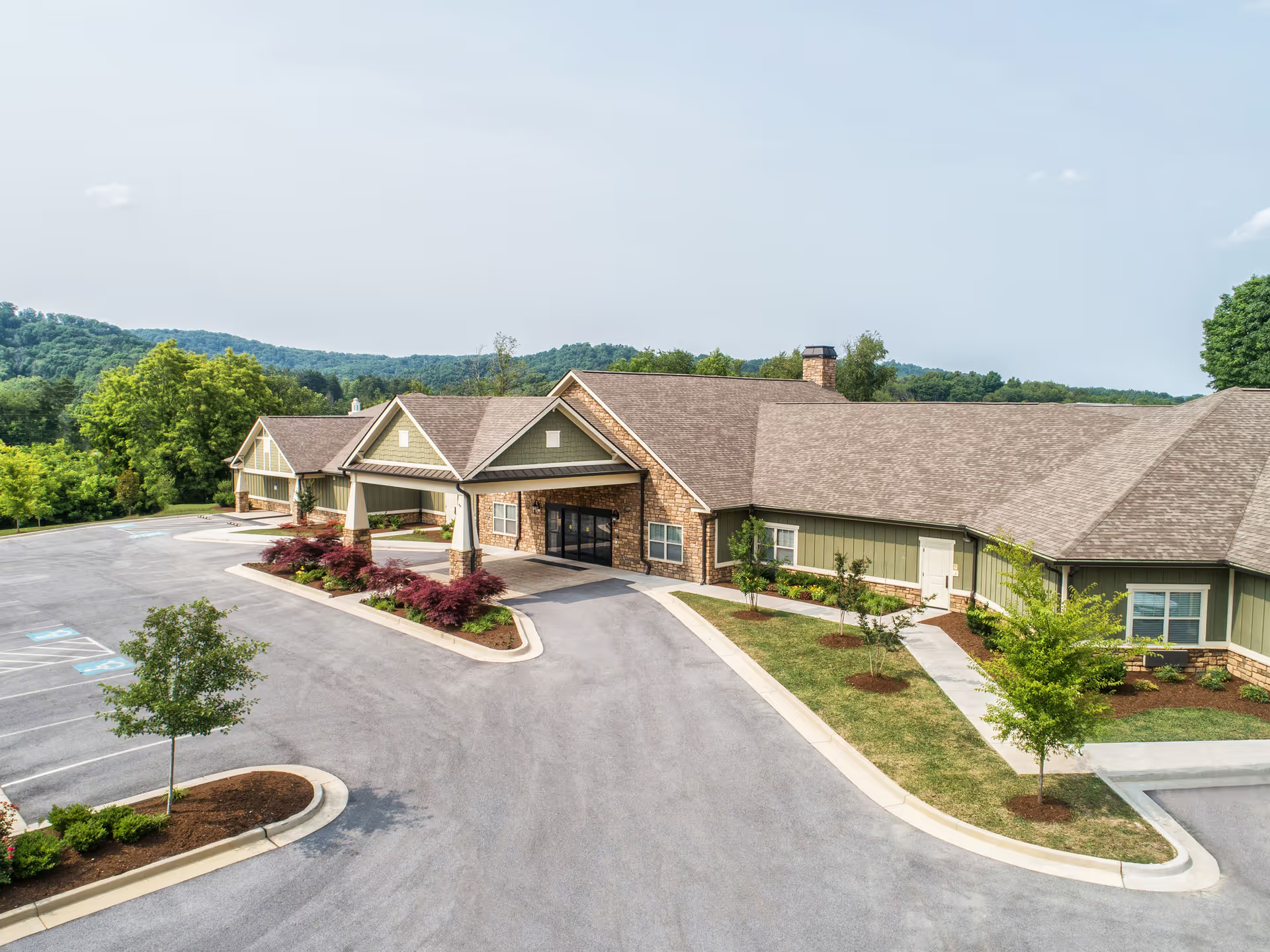
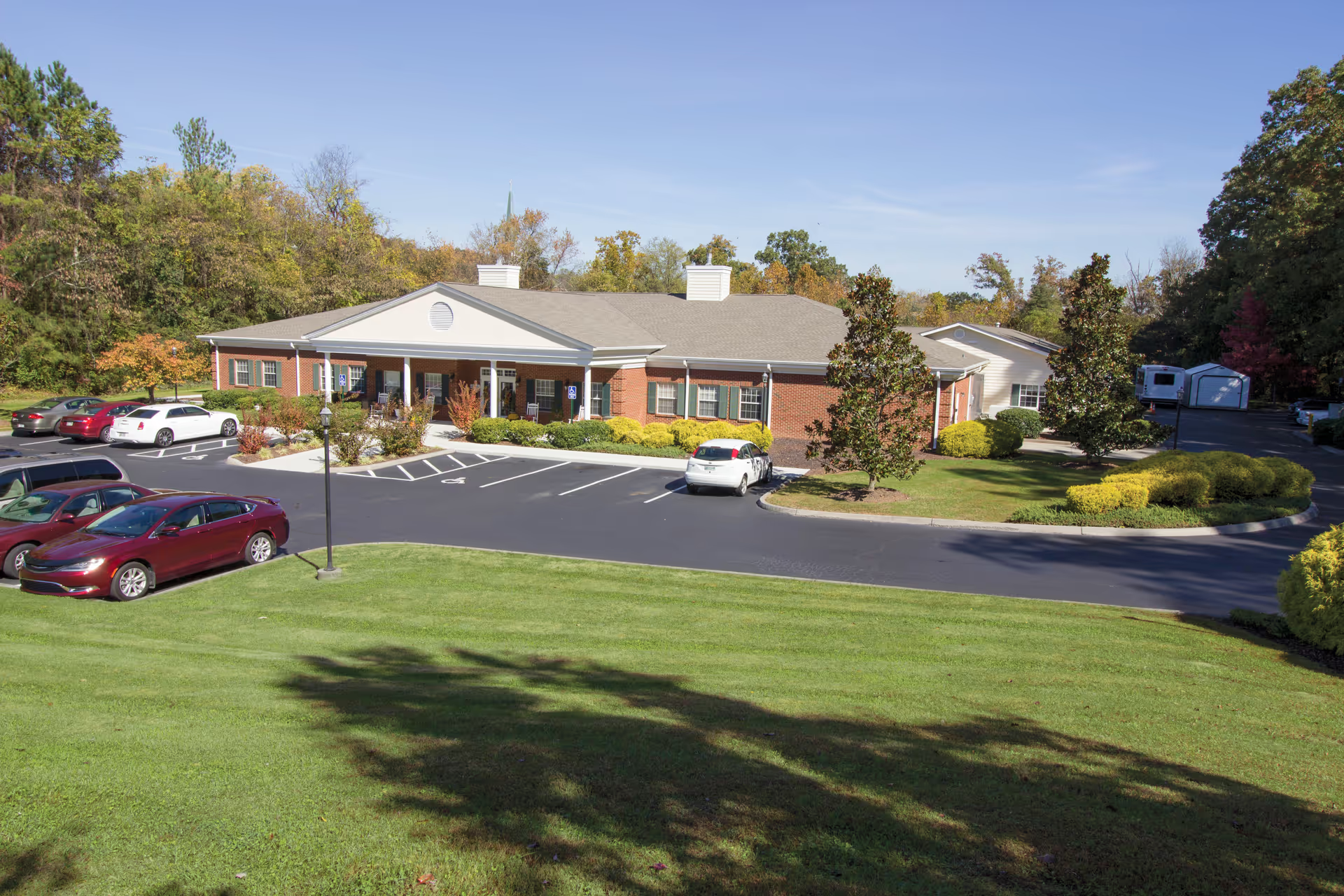
Hillview Health and Rehabilitation Center elicits a strongly mixed impression. On the positive side, many families praised clinical and rehabilitative teams: nursing staff, therapists, and short-term rehab clinicians are frequently described as caring, skilled, and effective at restoring function. The facility has an up-to-date therapy gym, an active activities calendar (music groups and offsite trips are highlighted), and social-work/admissions staff who are helpful during transitions. Physical surroundings and décor are commonly described as attractive and well maintained, with comfortable resident rooms and pleasant grounds.
At the same time, reviews reveal recurring operational and clinical concerns that prospective residents and families should weigh carefully. There is a pattern of inconsistent care quality across shifts and units — while some staff and departments receive high praise, others are characterized by inconsistent conduct and responsiveness. Several reviews point to gaps in clinical monitoring and medication management, including issues with glucose control and documentation of physician orders. Families also described situations where laboratory work identified dehydration or renal compromise, raising concerns about hydration monitoring and follow-up.
Safety and basic care practices are another area of variability. Reviews suggest weaknesses in transfer and showering procedures, inconsistent bathing schedules, and delays in attending to resident needs. These operational gaps link to broader concerns about sanitation and personal-care routines and occasional lapses in housekeeping or laundry processes (including lost personal items). Infection-control and visitation policies were described as inconsistently enforced at times, contributing to family unease, especially during heightened public-health periods.
Communication and management processes were repeatedly cited as problematic. Families described unclear interdisciplinary communication about therapy orders (for example, weight-bearing status), delayed or limited updates from clinical leadership, and difficulties resolving billing or charge disputes. Several reviews contrast the generally positive short-term rehab experience with more mixed impressions of long-term care, suggesting unit-level differences in staff training, oversight, and culture. Some accounts also indicate frustration with managerial responsiveness and with perceived gaps in accountability when concerns are raised.
In summary, Hillview offers substantive strengths in rehabilitation services, social supports, activities, and facility aesthetics. Those strengths, however, coexist with operational inconsistencies that affect clinical safety, personal-care routines, communication, and management transparency. Families considering Hillview should verify current staffing levels and supervision, ask about specific protocols for medication administration, hydration monitoring, transfer safety, dietary accommodations (including diabetic meal plans and supplemental nutrition assistance), personal-item security, and dispute-resolution processes. Direct observation of care routines and conversations with the unit director or social worker can help determine whether the facility’s strengths are reliably applied to an individual resident’s needs.