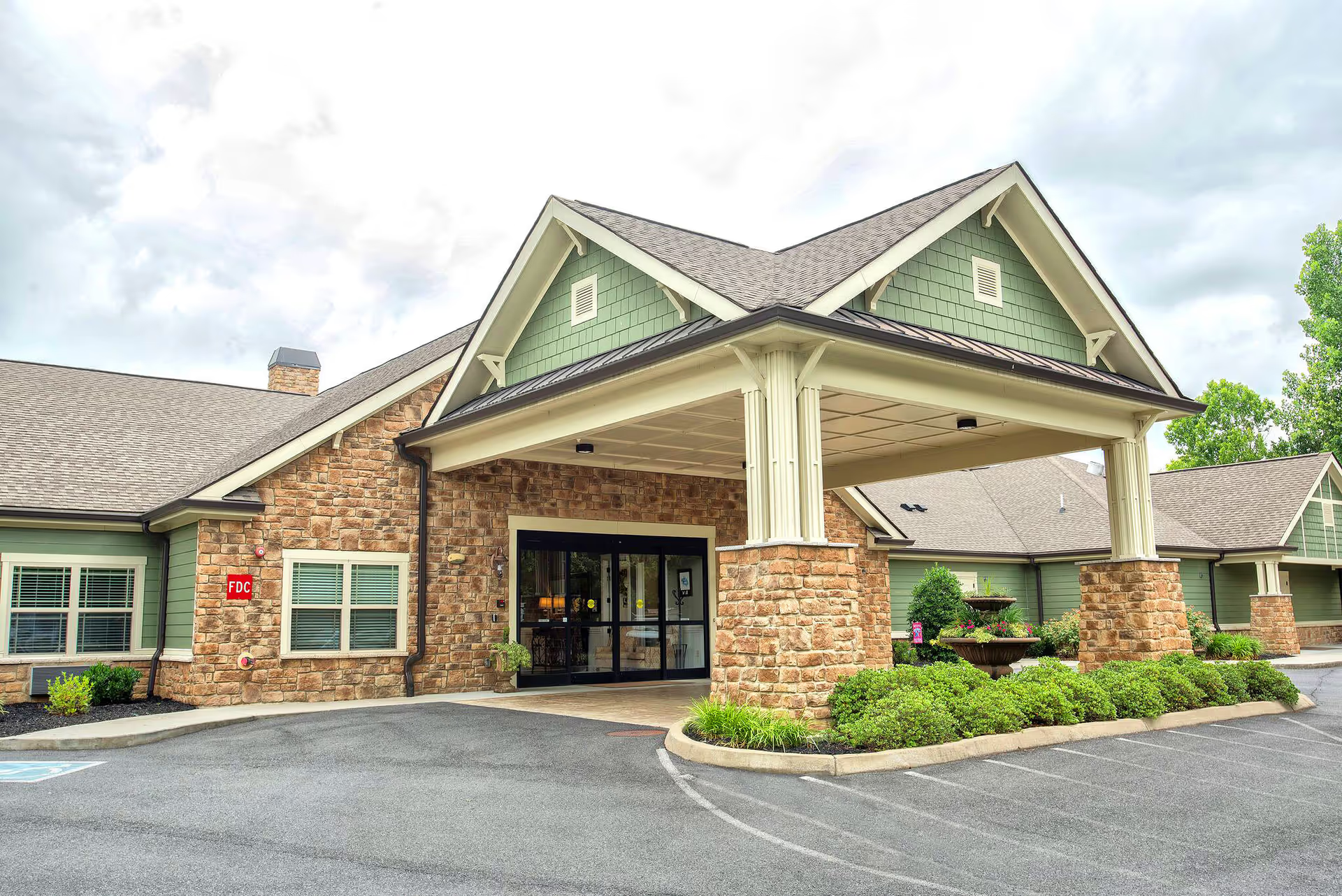
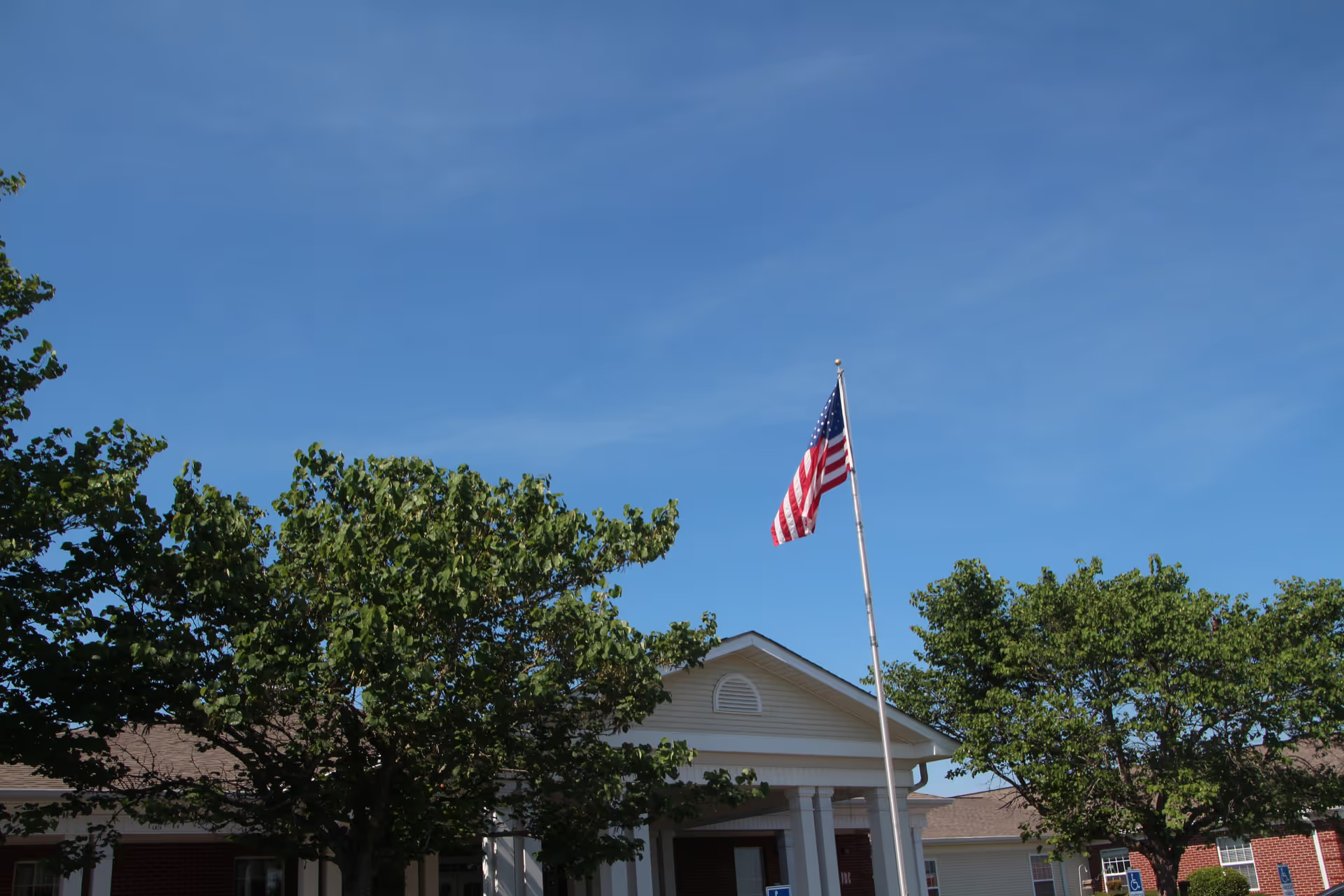
Reviews describe a facility with considerable strengths in direct care and rehabilitation alongside recurring operational inconsistencies. Families and observers frequently praise the clinical teams — nurses, CNAs, and therapists — for compassionate, skilled bedside care and positive rehabilitation outcomes. Housekeeping, maintenance, dietary support staff, social work, records, and hospice services are specifically noted as responsive and supportive, contributing to a generally clean, well-kept building and grounds. The facility also maintains a variety of activities and outings that many residents and families find engaging, and it has a history of long-tenured employees and a deficiency-free state survey cited by some reviewers.
Despite those positives, a consistent pattern of variability emerges. Several accounts point to differences in care quality between shifts and units: day shifts are often described as attentive while night coverage and some CNAs may be less consistent. Staffing shortages and scheduling pressures are cited as contributing factors to delayed responses, irregular toileting/linen-handling practices, and inconsistent meal service. Reviewers expressed concerns about supervision of residents with cognitive impairment, including wandering and difficulty locating some residents, which indicates gaps in resident-safety protocols and supervision practices.
Communication and management practices are another area of divergence. Some families describe open-door leadership and helpful administrators; others describe poor communication tone, delayed notifications following clinical events, frequent billing questions, and pressure to discharge. There are also isolated but serious claims that include allegations of improper billing or missing belongings; these raise the need for families to confirm financial practices and personal-property safeguards in writing. Infection-control and visitor-access policies were highlighted during pandemic periods — both restrictive visitation that limited family access and instances where infection-control enforcement appeared inconsistent.
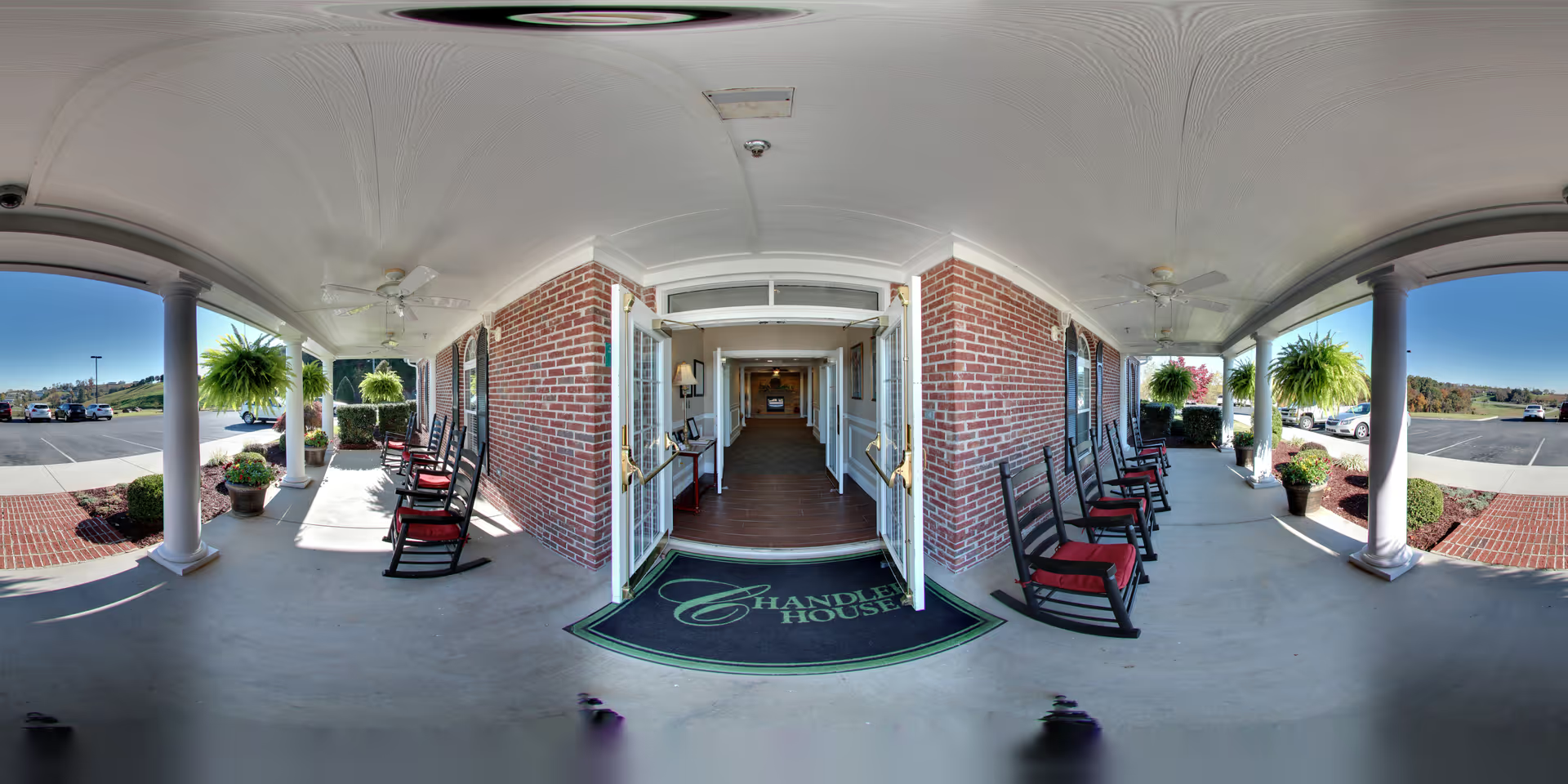
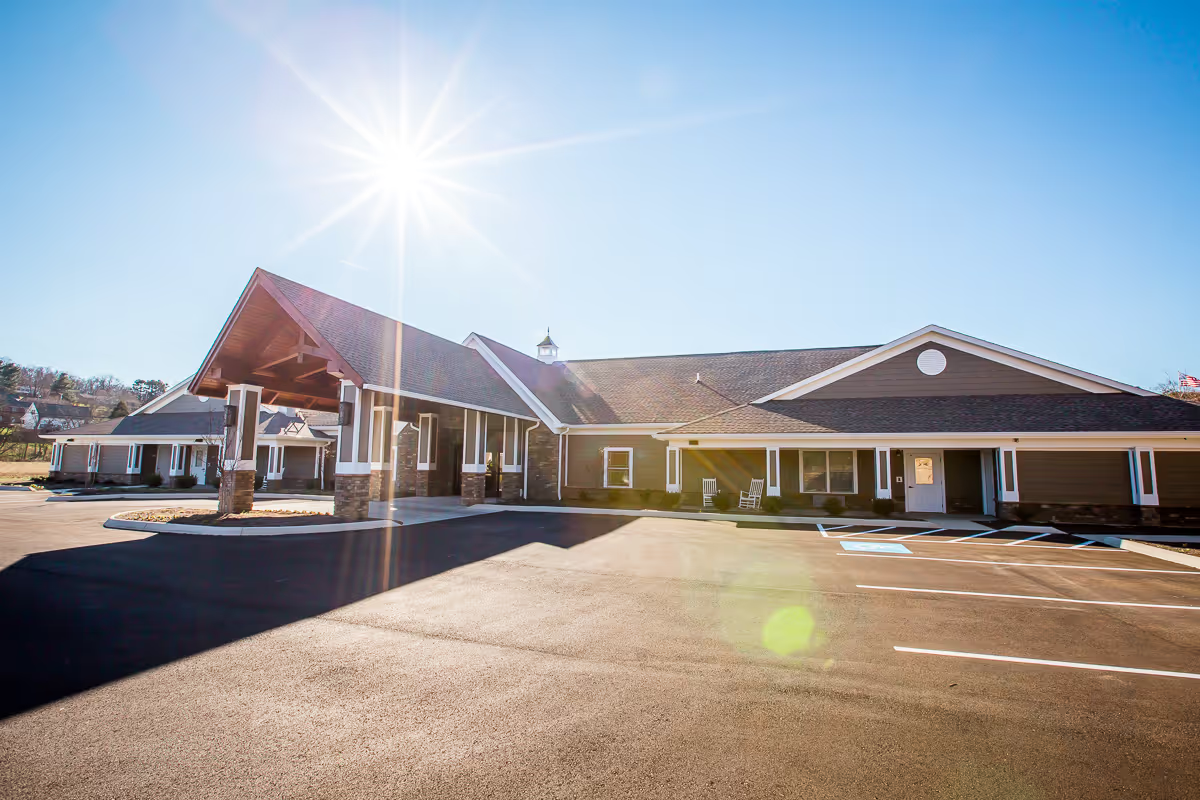
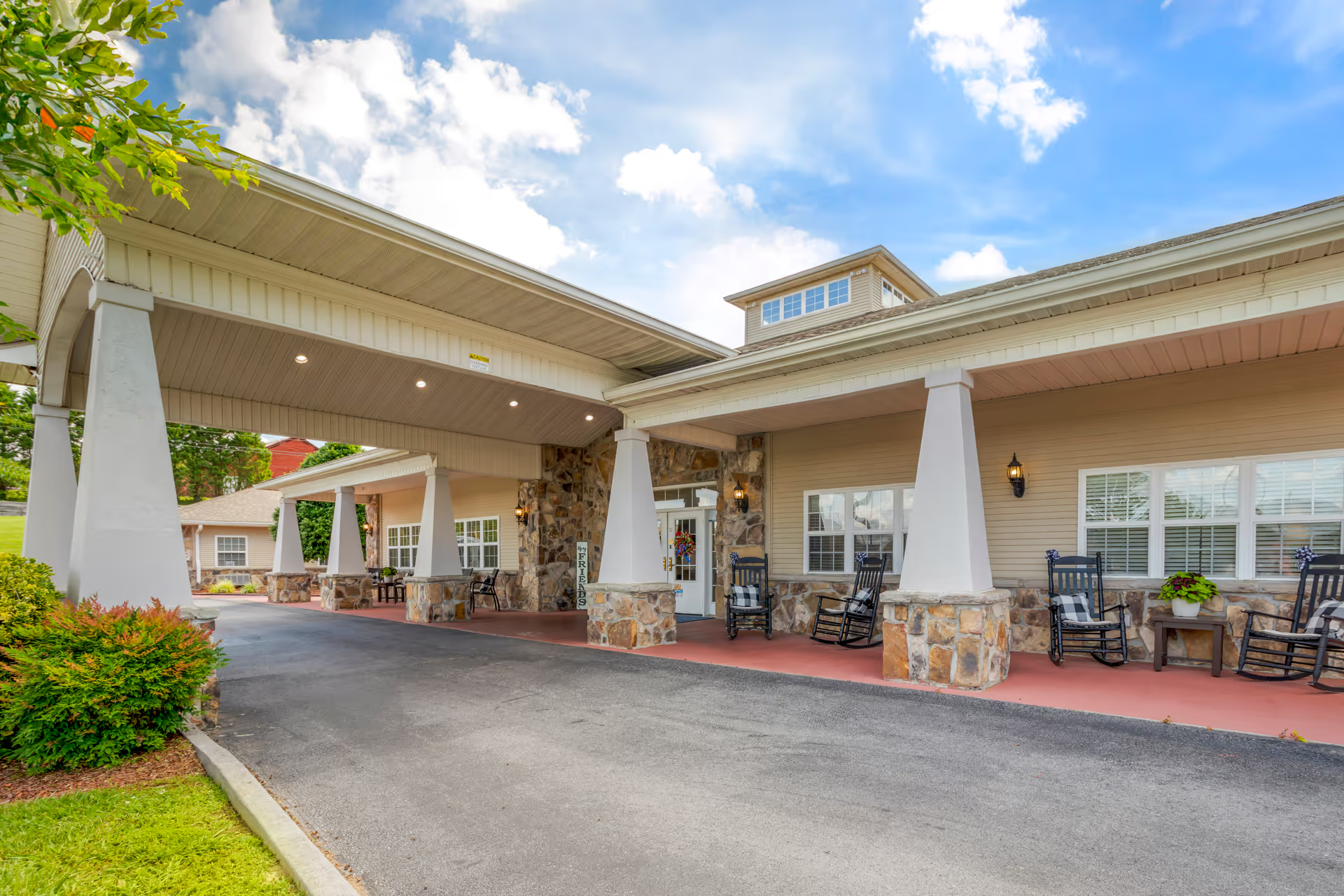
Dining and amenities receive mixed comments: dietary staff are often seen as caring and responsive, yet meal temperature, variety, and menu limitations related to budget or geriatric menu choices are recurring concerns. The physical plant is generally described as attractive and well-maintained, but reviewers also note some outdated areas, unclear signage, and occasional sanitation or odor concerns in specific locations. High staff turnover and reports of workplace-culture problems are mentioned alongside reports of dedicated long-term employees, suggesting uneven leadership and human-resources stability.
For families evaluating this center, the dominant themes are strong clinical and therapy capabilities and many compassionate frontline staff, tempered by variability in consistency, leadership/communication, and some operational practices that affect resident supervision, dining, and incontinence care. Prospective residents and representatives should verify current staffing levels and shift coverage, observe mealtime and toileting assistance when possible, ask about infection-control and visitation policies, request written billing and property-protection procedures, and speak directly with nursing leadership about supervision plans for residents with cognitive impairment.