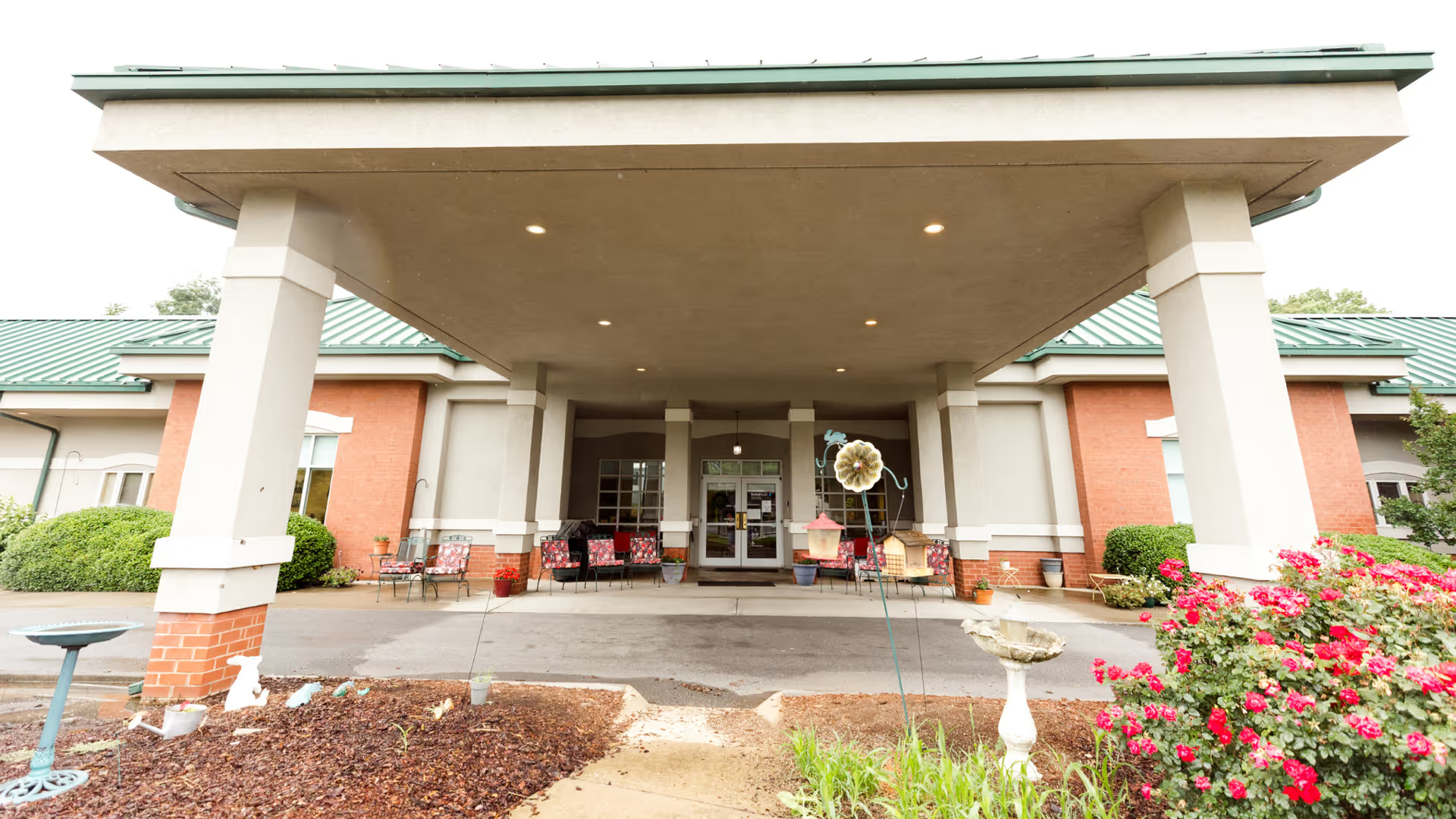
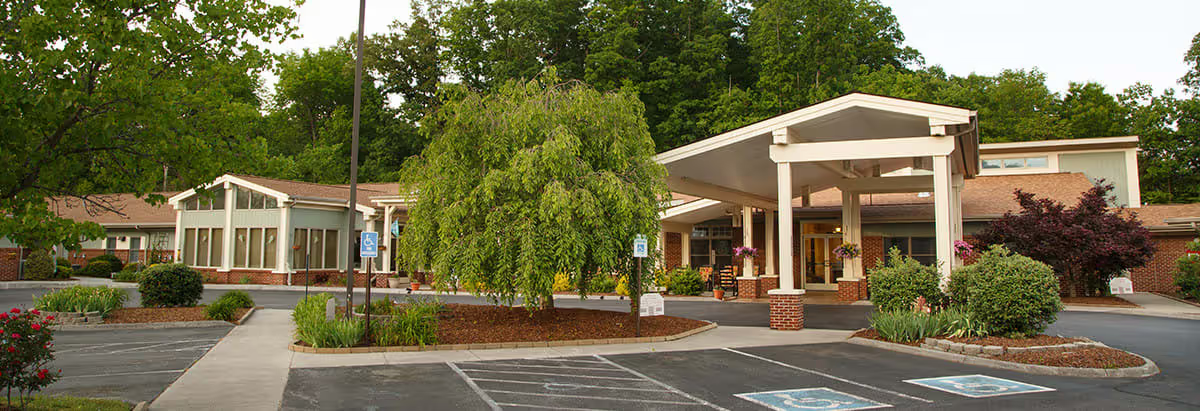
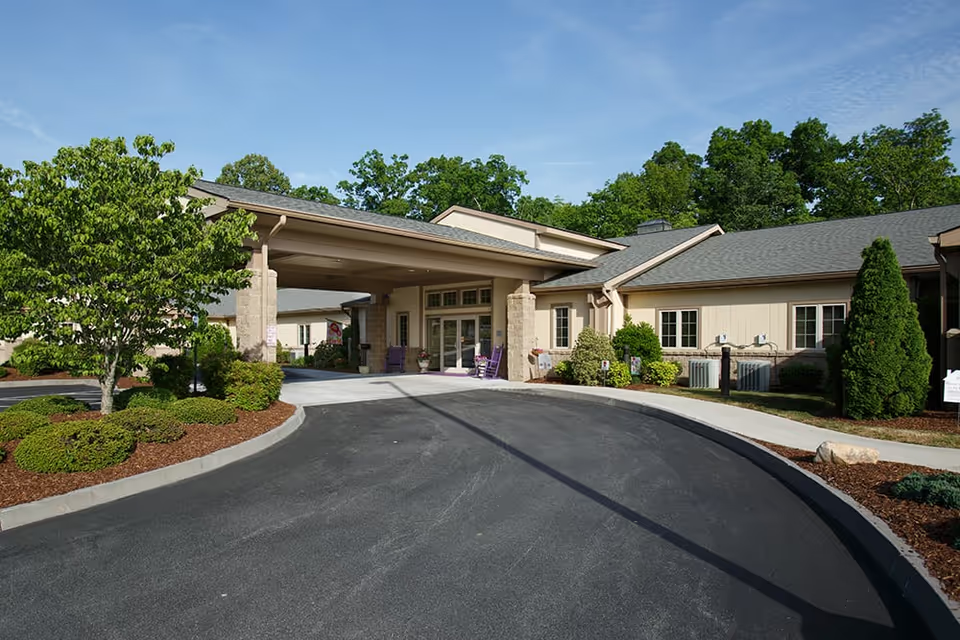
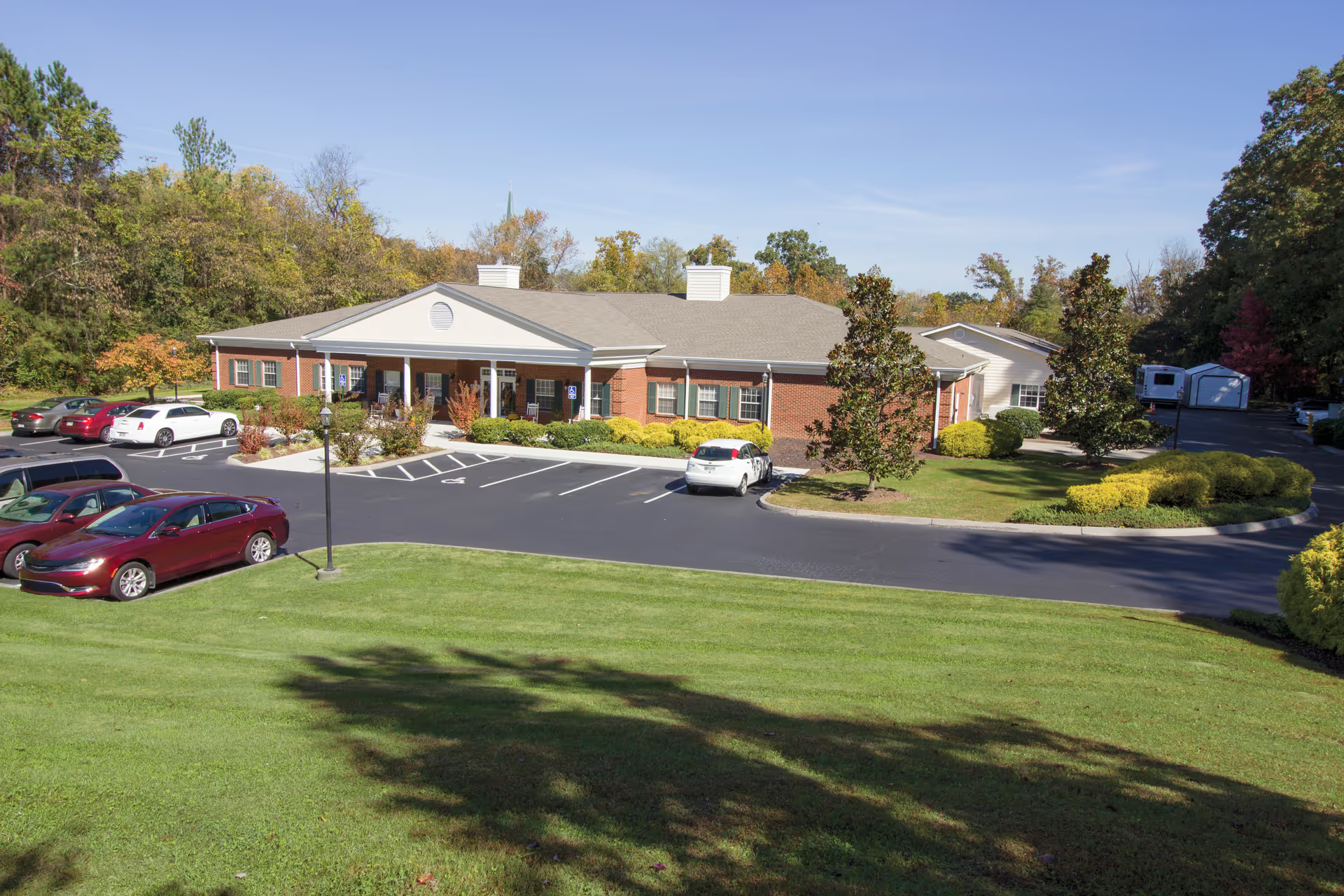
Asbury Place Kingsport receives frequent praise for its direct-care teams and the community atmosphere. Nursing staff, therapists and many front‑line caregivers are consistently described as compassionate, patient, and skilled; reviewers highlight strong coordination with hospice, effective rehabilitation outcomes, and an ability to personalize resident rooms to create a comfortable, home‑like environment. Families also note helpful admissions staff, engaging activity offerings, useful on‑site amenities (salon, chapel, library, laundry), and calm, organized responses during emergency drills.
At the same time, the facility shows notable operational variability. Dining and dietary management appear inconsistent across time and residents: some families describe well‑prepared, varied meals while others cite under‑ or over‑cooked items, storage and preparation lapses, and failures to adhere to prescribed therapeutic diets such as diabetic menus. These issues extend to meal‑service continuity (delivery charges, dining‑room closures, and changed service models), which has affected resident satisfaction especially during infection‑control periods.
Communication and administrative processes are a recurring concern. Reviewers describe gaps in responsiveness from administrative staff and social-work coordination, which in some cases coincided with delayed family notification after incidents, uneven transfer practices, and unclear points of contact. Billing and contract processes also emerge as a pattern: families report confusion over admission fees, delayed or incomplete refunds, and billing transparency problems.
Operational reliability shows mixed signals elsewhere. Housekeeping and laundry processes are praised by many but are inconsistent for others; room upkeep and maintenance responsiveness are similarly uneven. Technology and utility reliability (internet, TV, phone) and aspects of security or safety management have been cited as intermittent problems. Activity programming and social opportunities are generally viewed as strengths when stable, but families experienced cancellations and reduced offerings during pandemic restrictions or staffing changes.
Taken together, the dominant pattern is one of strong hands‑on caregiving and useful services tempered by facility‑level inconsistencies in dining, administration, and operational reliability. Prospective residents and families who prioritize compassionate nursing, rehabilitation services, and a small, home‑like setting may find Asbury Place a good fit, but those for whom consistent therapeutic-diet adherence, transparent billing, and steady administrative communication are critical should inquire specifically about current dining protocols, staffing levels, incident‑response procedures, and contract/refund policies before admitting a loved one.