The reviews for Orchard View Post-Acute and Rehabilitation Center present a polarized picture: many families and residents describe high-quality rehabilitation services, caring front-line staff, and steady improvements under recent leadership, while others report serious operational gaps that affected clinical safety and resident experience. The facility receives consistent praise for its therapy programs and some standout staff and leaders; these strengths appear to support positive clinical outcomes for a number of short-stay rehabilitation patients and longer-term residents.
Care and clinical safety: Rehabilitation and therapy services are frequently described as effective and attentive, with physical and occupational therapy singled out as strengths. At the same time, reviewers describe concerning patterns around medication management and clinical monitoring — including delayed or missed meds, unclear medication communication, and other medication-administration issues. There are also reports suggesting gaps in transfer-safety and in-room clinical observation. These operational weaknesses have been associated with high-impact events in individual cases; families emphasize the need for clearer medication protocols, timelier monitoring, and stronger handoff/transfer practices.
Staff and culture: Many reviewers highlight compassionate, attentive nurses and CNAs, and specific staff members and administrators receive positive recognition for leadership and responsiveness. Conversely, there are recurring concerns about inconsistent staff conduct, tone, and perceived favoritism, as well as variable responsiveness to call lights. High staff turnover and dependence on agency personnel are cited as contributors to uneven continuity of care and familiarity with resident needs. Overall, staffing stability and consistent training appear to be key areas for sustaining quality.
Dining and activities: Meal service receives mixed feedback. Several families describe healthy, well-prepared meals and accommodating dietary choices, while others report inconsistent food quality, overcooked offerings, and insufficient assistance with feeding for some residents. The activities program is generally viewed positively, though entertainment and channel availability were described as limited in some accounts. For residents focused on rehabilitation, therapy programming is a clear strength.
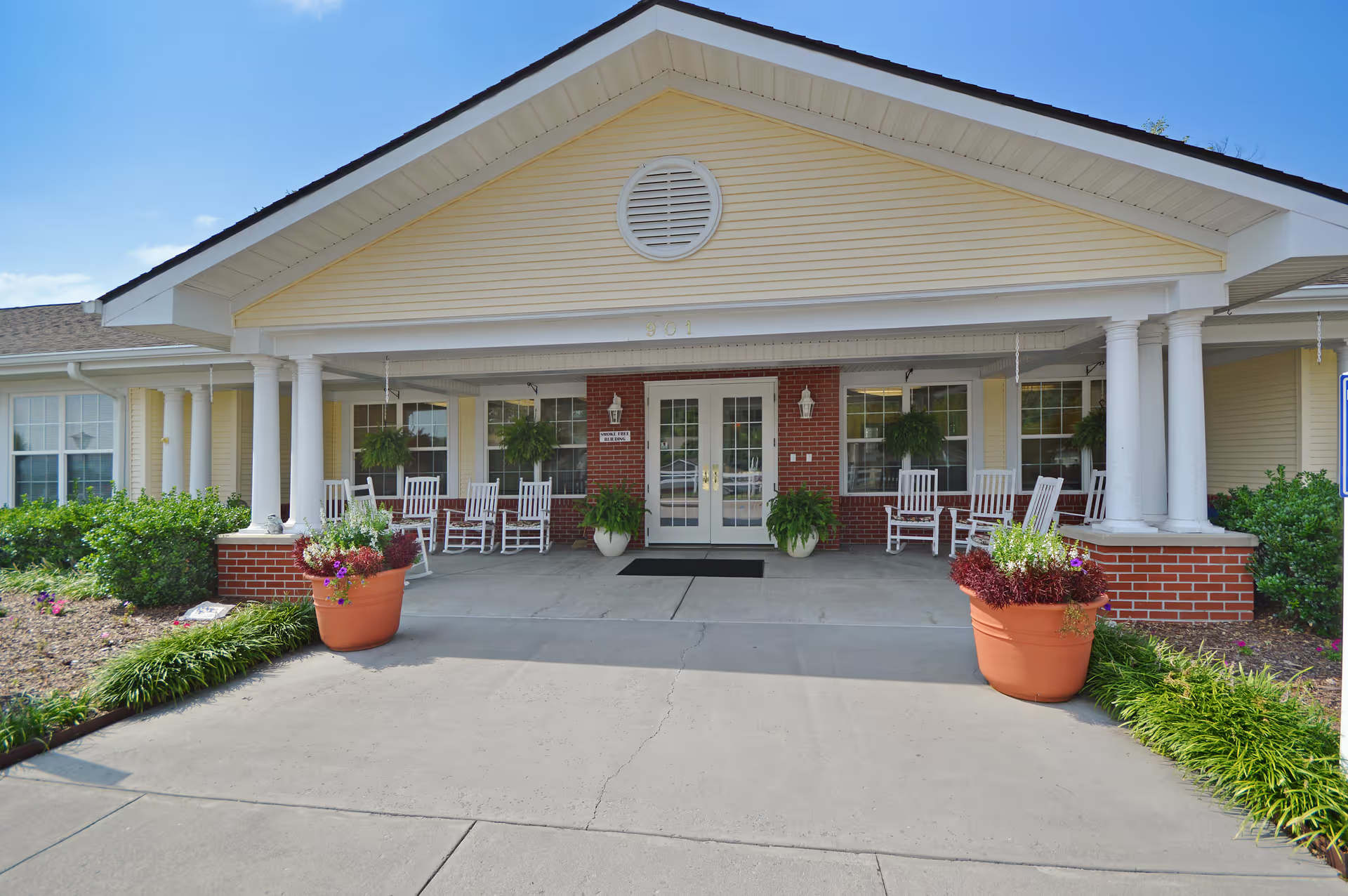
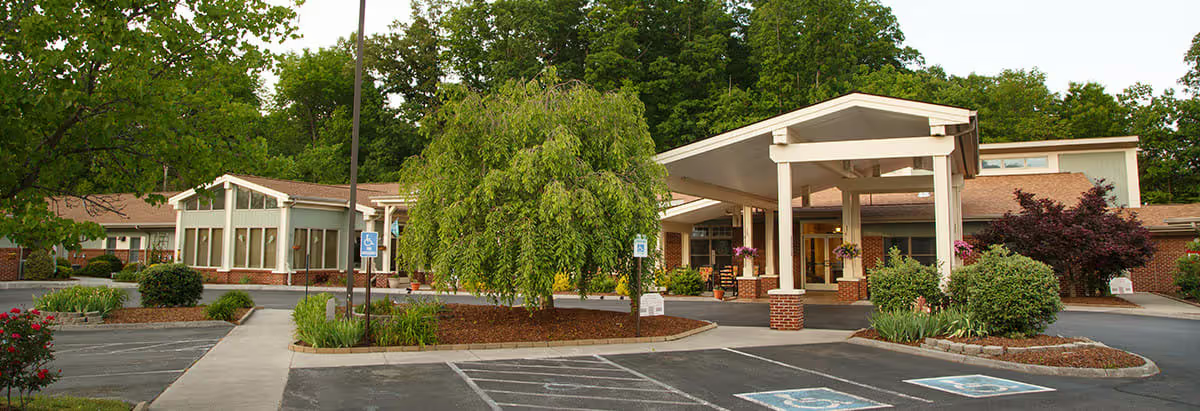
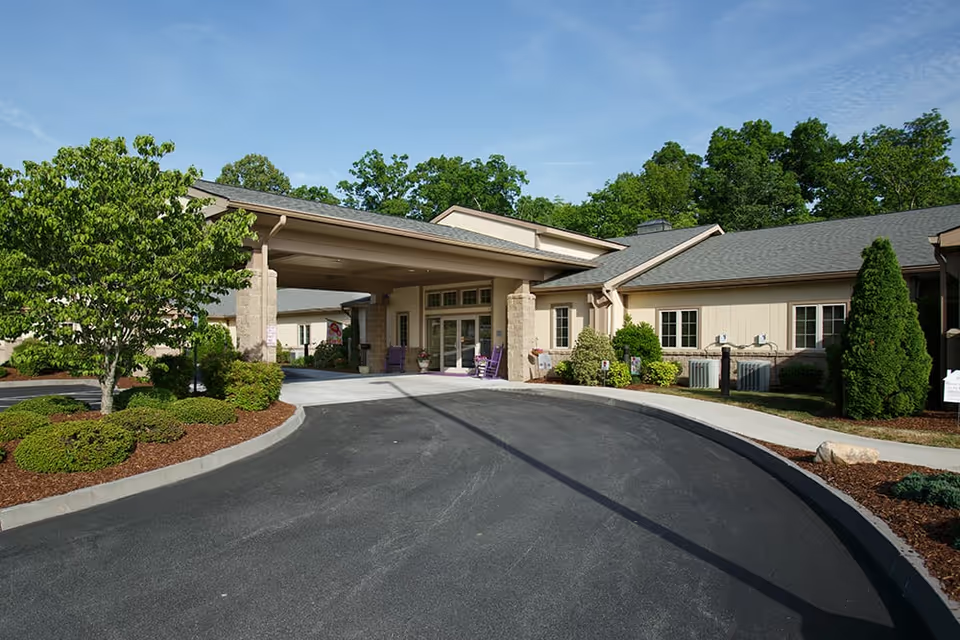
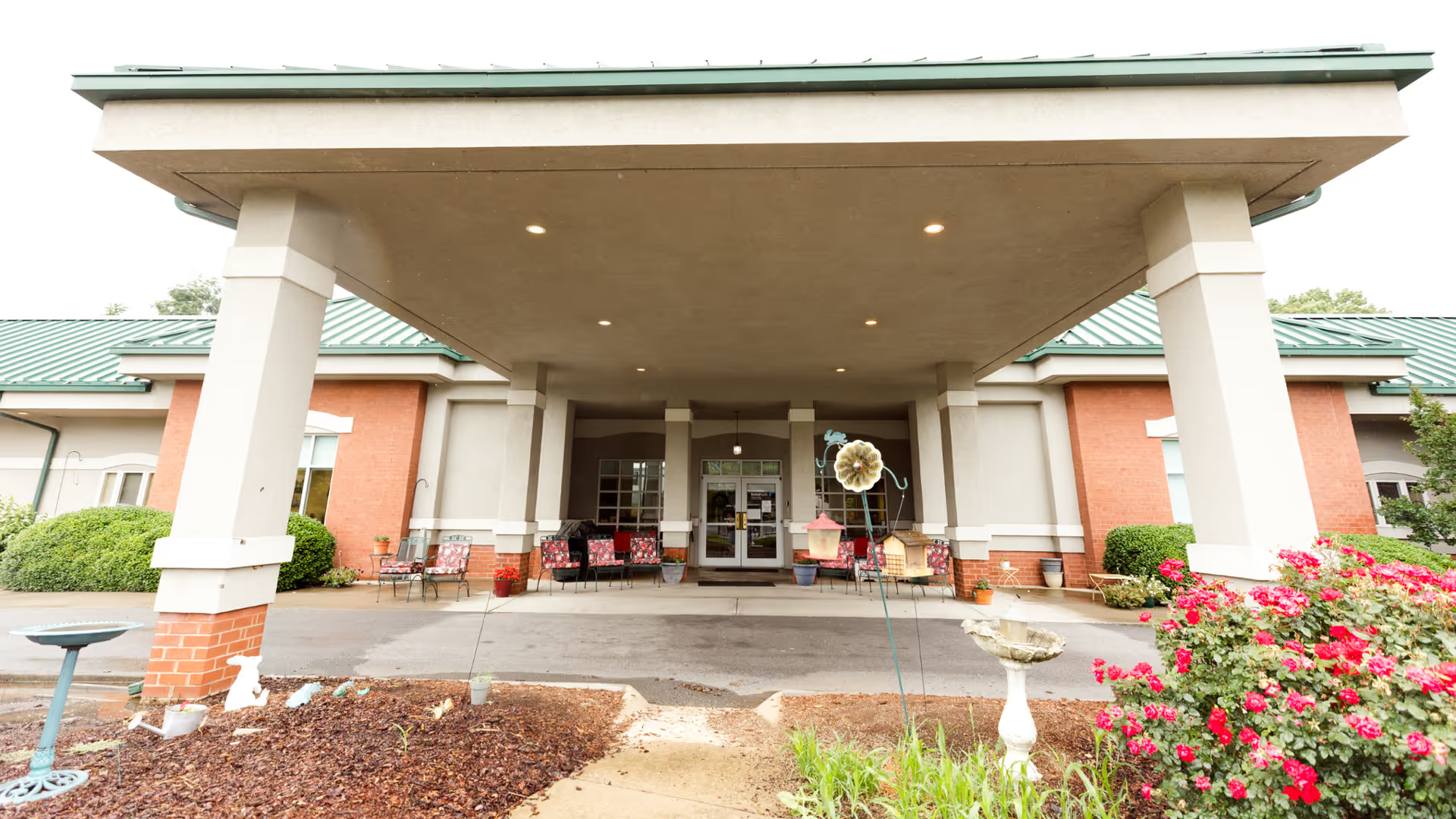
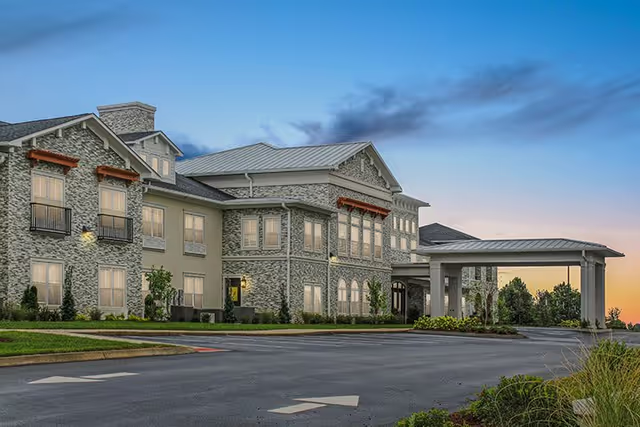
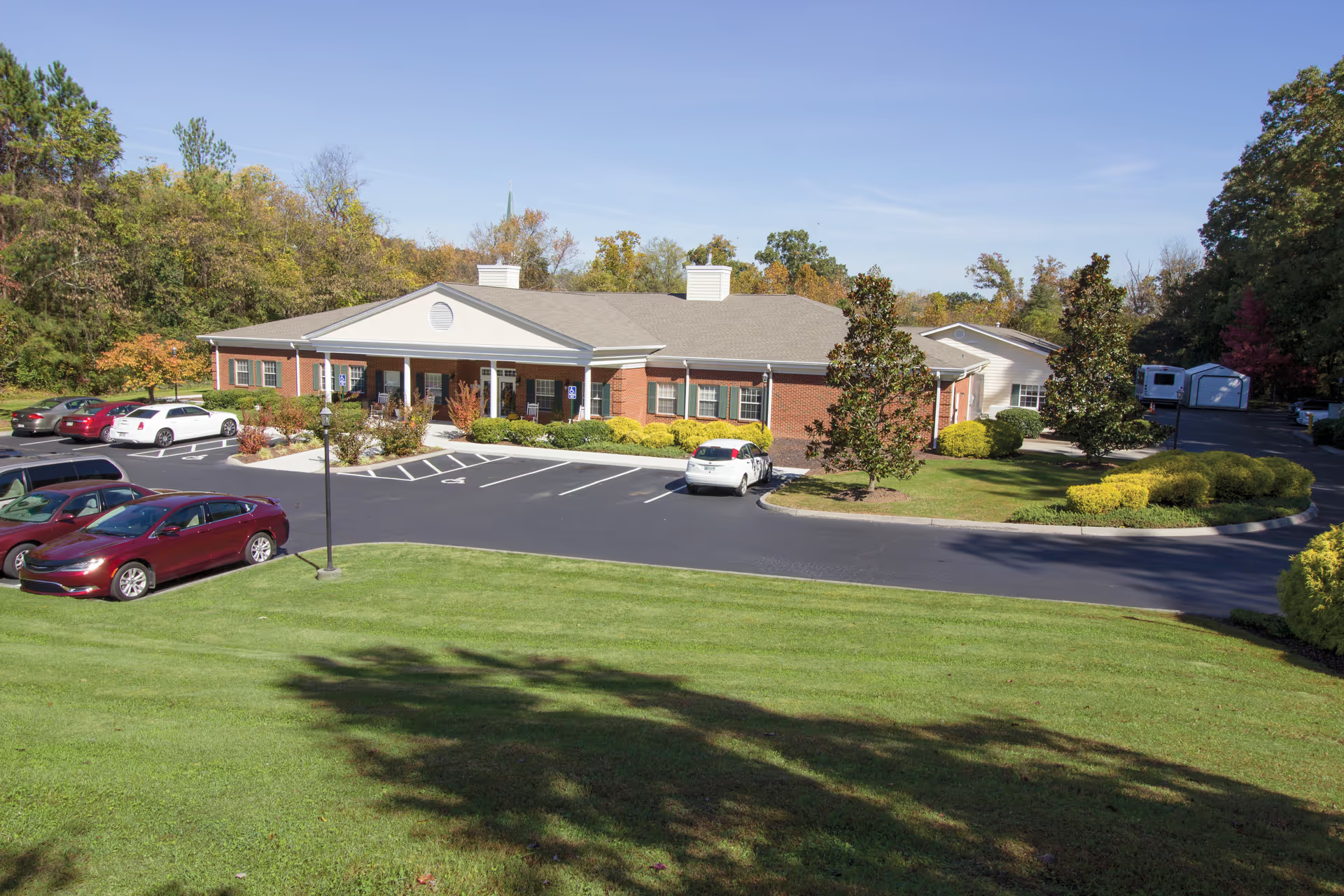
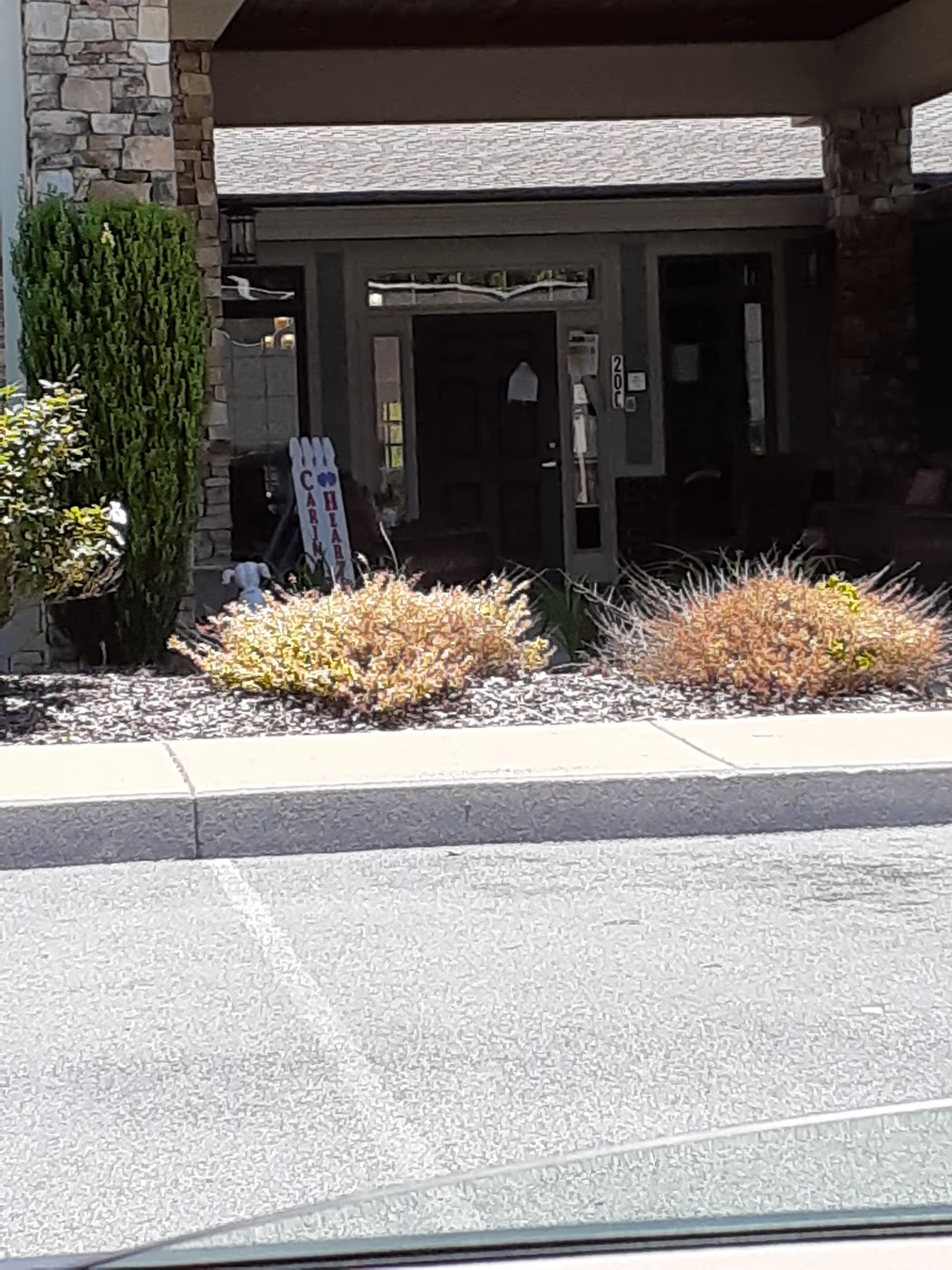
Facilities and sanitation: The physical environment is often described as clean, with well-maintained floors and grounds. However, sanitation concerns are reported in some service areas, including odor and incontinence-care issues and isolated pest-control concerns; these reports point to inconsistencies in housekeeping and environmental services. Room-equipment problems such as bed-remote malfunctions and variability in room inventory were also noted and may affect daily comfort and care delivery.
Management and communication: Perceptions of management quality are mixed. New leadership and specific administrators and clinical managers receive praise for positive change and improved morale. At the same time, families report inconsistent communication about clinical status, discharge planning, and visitor policies; a number of reviewers described unsatisfactory interactions during transitions of care. There are also allegations of missing personal property and at least one account of contested discharge or coverage issues, which underscore the importance of transparent documentation and family engagement.
Overall pattern and recommendation: The dominant pattern is one of contrast — effective rehabilitation, committed staff, and visible improvements coexist with operational vulnerabilities that can materially affect resident safety and satisfaction. Prospective residents and families should evaluate the facility's current staffing stability, medication-safety protocols, environmental services, and communication practices during touring and admission. When clinically complex needs are present, families should ask for specifics about medication administration policies, transfer protocols, and how the facility manages agency staff continuity and infection-control/visitor policies.