Overall impression: Reviews of Wexford House are mixed, with a substantial number of families praising the facility’s cleanliness, direct-care staff, and therapy services, while others describe operational weaknesses that materially affected care experiences. The facility presents many strengths typical of a well-kept skilled nursing environment, but a pattern of inconsistent execution — especially around responsiveness, management attention, and some clinical support processes — recurs across accounts.
Care quality: Direct-care staff (particularly CNAs) receive frequent praise for compassion and attentiveness, and several families credited the nursing team and hospice partners for dignified end-of-life support. On-site rehabilitation and therapy are reported to produce positive outcomes for residents recovering from events such as strokes or post-acute needs. However, there are recurring concerns about delays in addressing resident needs (including assistance with toileting and personal-care tasks), instances of infection and related hospital transfers, and questions about medication and bowel-regimen management. These patterns point to variability in day-to-day clinical responsiveness rather than a uniformly low or high standard of care.
Staff and management: Many reviewers highlight caring, experienced frontline staff and supportive social-service personnel who provide clear communication and coordination. At the same time, complaints about staff turnover, inconsistent nurse responsiveness, and unit managers perceived as distracted or unresponsive indicate uneven managerial oversight. Families frequently recommend confirming current staffing levels and the specific team assigned to a resident during admission visits.
Dining and activities: The dining program and meal frequency (three meals daily) receive generally positive comments from families who found residents well-fed and satisfied; conversely, some reviews identify inconsistent food quality. Activity programming — cards, computer time, music (including gospel), and social gatherings in a central courtyard — is commonly noted as a strength that contributes to a cheerful atmosphere for residents who participate.
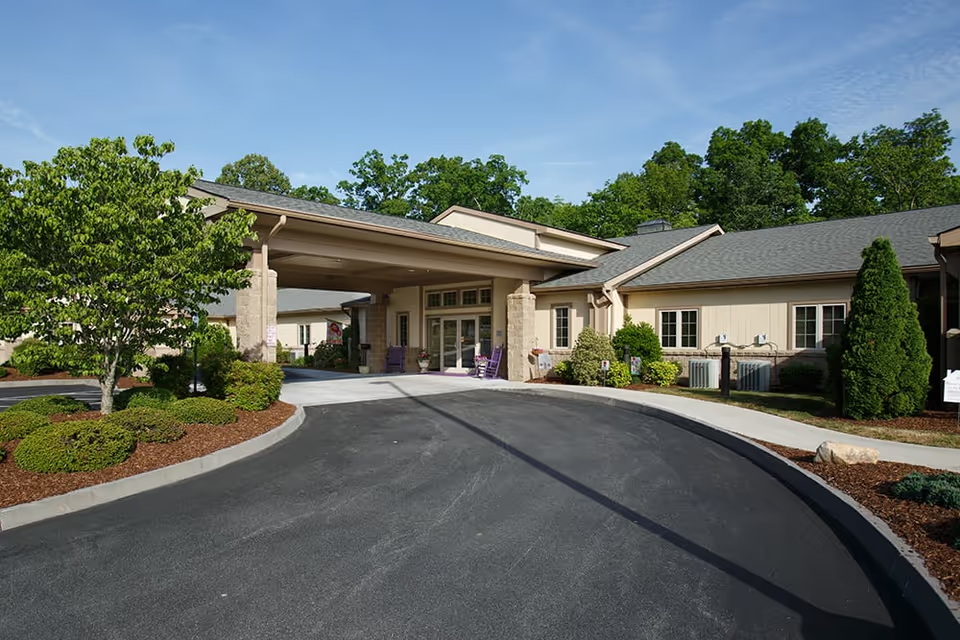
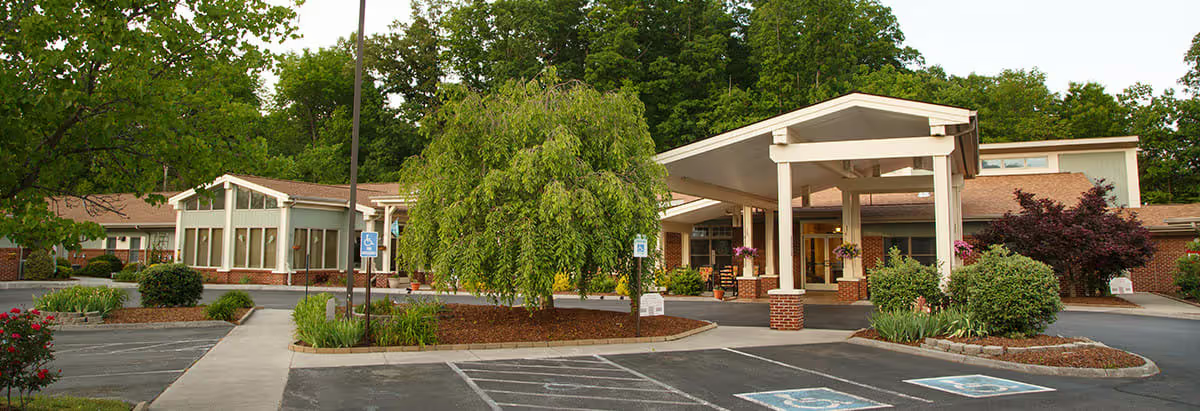
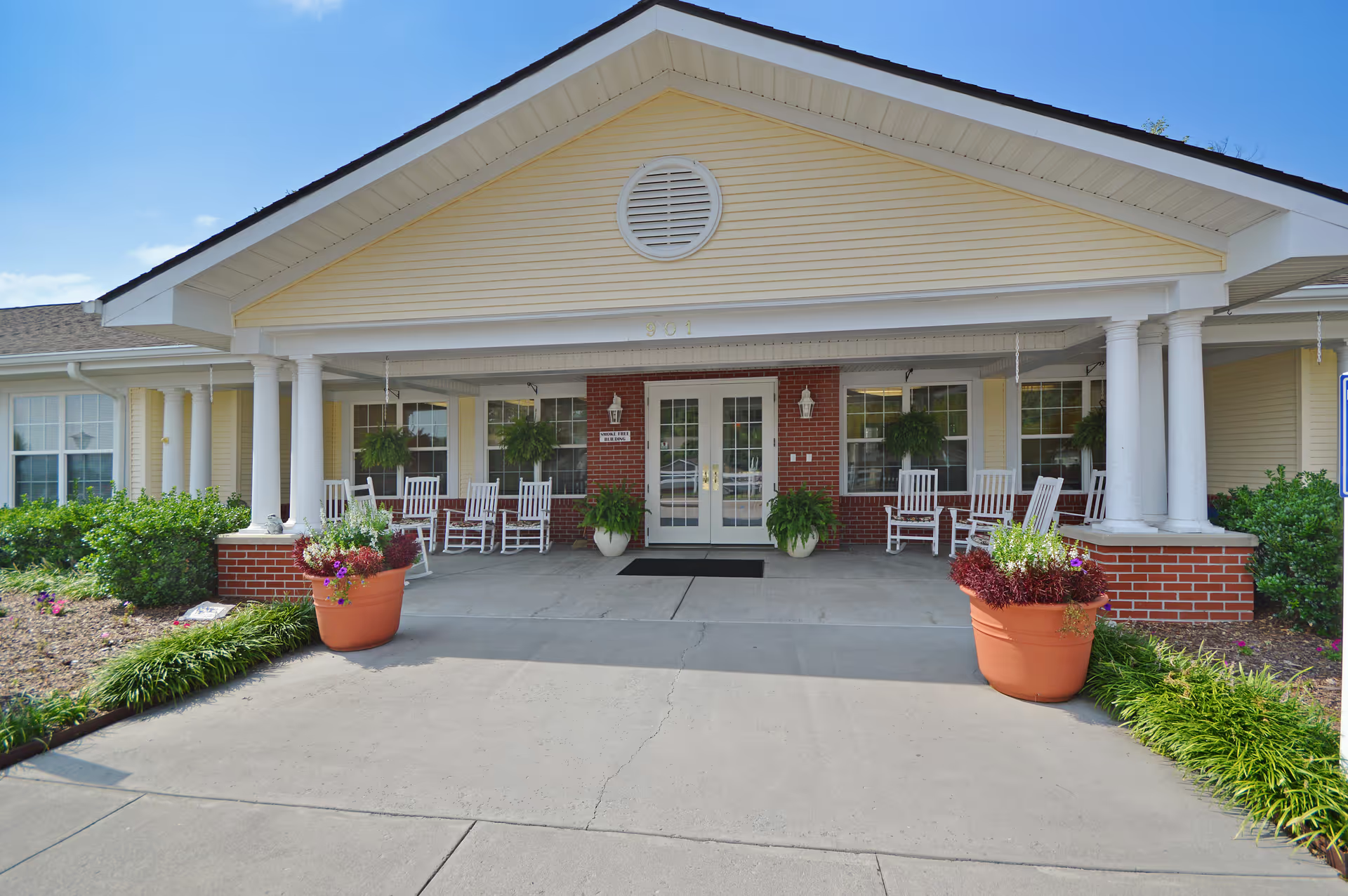
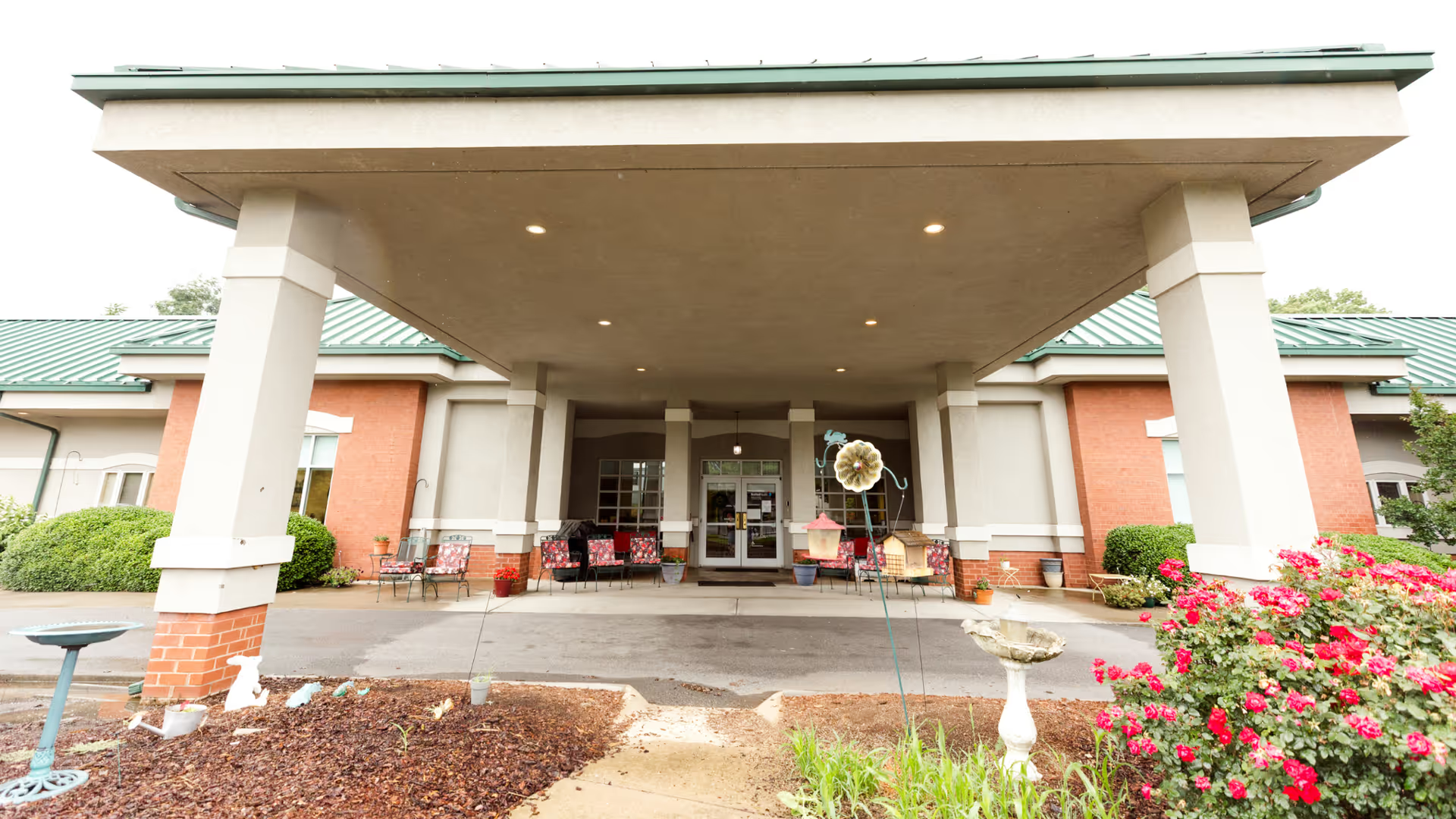
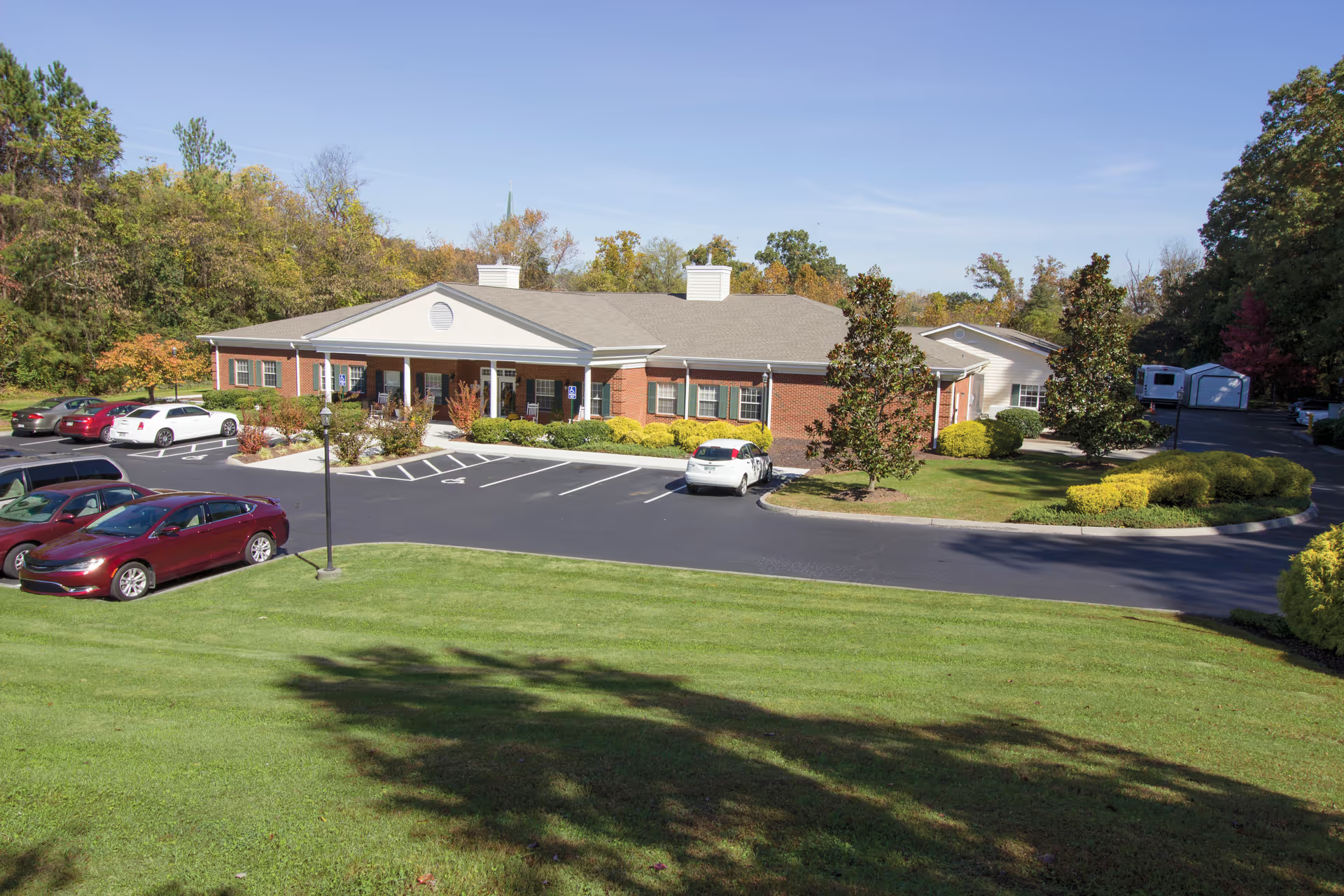
Facilities and operations: The building and grounds are often described as attractive, clean, and well maintained, with a central outdoor area and improved entry/security systems. At the same time, a number of families reported localized sanitation or odor concerns in certain halls and occasional accessibility challenges with doors. Operational issues also include inconsistent laundry handling and occasional missing personal items, which appropriate intake and labeling procedures might mitigate.
Notable patterns and practical advice: The dominant pattern across reviews is polarization: many families express strong satisfaction with staff compassion and therapy results, while others experienced significant service lapses tied to responsiveness, communication, and administrative processes. Prospective residents and families should visit the specific unit, observe staffing and mealtime operations, clarify therapy schedules, review the facility’s approach to infection-control and visitation policies, and confirm procedures for laundry, transfers, and post-discharge handling. Asking for current staffing ratios, a copy of the unit activity calendar, and the names of primary caregivers can help set expectations and identify potential areas for close monitoring.