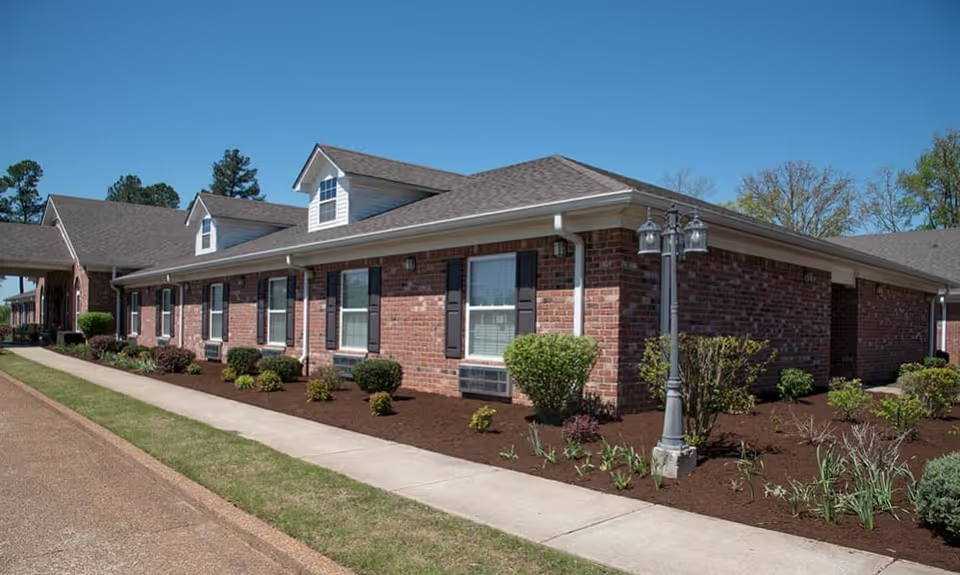
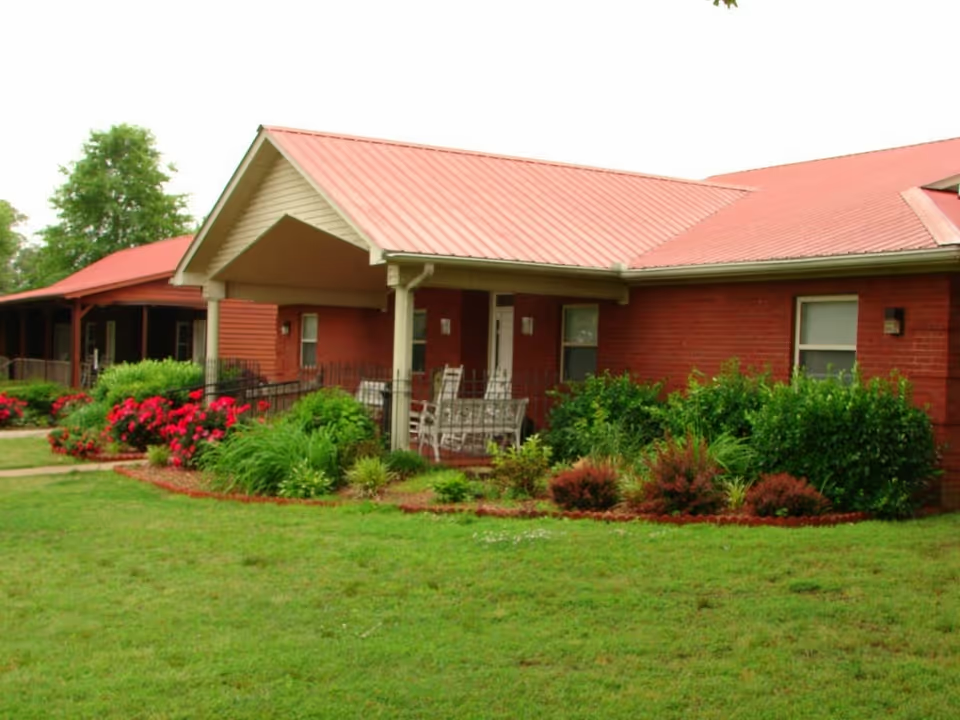
Reviews present a mixed picture with distinct clusters of positive strengths and operational concerns. Positively, many accounts emphasize warm, caring interactions from nurses, CNAs, and other caregivers; several describe a family-like atmosphere and respectful staff–resident relationships. The facility’s rehabilitation program and therapy staff receive repeated praise for producing good recovery outcomes after procedures such as hip surgery. Activity programming is highlighted as an asset — dedicated coordinators and engaged volunteers run games and events that residents enjoy, contributing to a welcoming, homelike environment. Multiple comments also note that the facility is generally clean and well maintained, and a named liaison has been helpful in coordinating care for families.
Conversely, a number of reviews identify operational weaknesses that recur across different areas of care. Staff responsiveness is described as inconsistent, with delays in attending to resident requests and call bells; this is linked to concerns about continuity of caregiving visits and staffing instability. Several comments raise issues with clinical oversight and follow-up care, indicating gaps in monitoring and communication about medical needs. Dining is another area of variability: meal quality and consistency are uneven across stays. Personal-care operations show vulnerabilities as well, including delays in incontinence-related care and other sanitation concerns.
Other operational concerns include variable delivery of physical therapy — some families describe very effective therapy while others experienced less intensive or inconsistent sessions — and comments about staff conduct and communication tone that suggest uneven professionalism across shifts. Security of exterior access points was also raised as a practical safety consideration. Taken together, these patterns suggest a facility with clear strengths in interpersonal care, activities, and rehab services, but with notable variability in operational reliability, clinical monitoring, and some basic care processes.
For prospective residents and families, the key takeaway is that experiences at this facility can be quite different depending on unit, shift, or timing. When evaluating the facility in person, it would be prudent to ask specific questions about staffing levels, clinical monitoring protocols, incontinence and sanitation procedures, meal-service schedules and menus, therapy schedules and intensity, staff turnover, and exterior-security measures. Clarifying how the facility documents and communicates care plans and incident follow-up will help determine whether the operational weaknesses cited have been addressed and whether the facility’s strengths align with the prospective resident’s priorities.