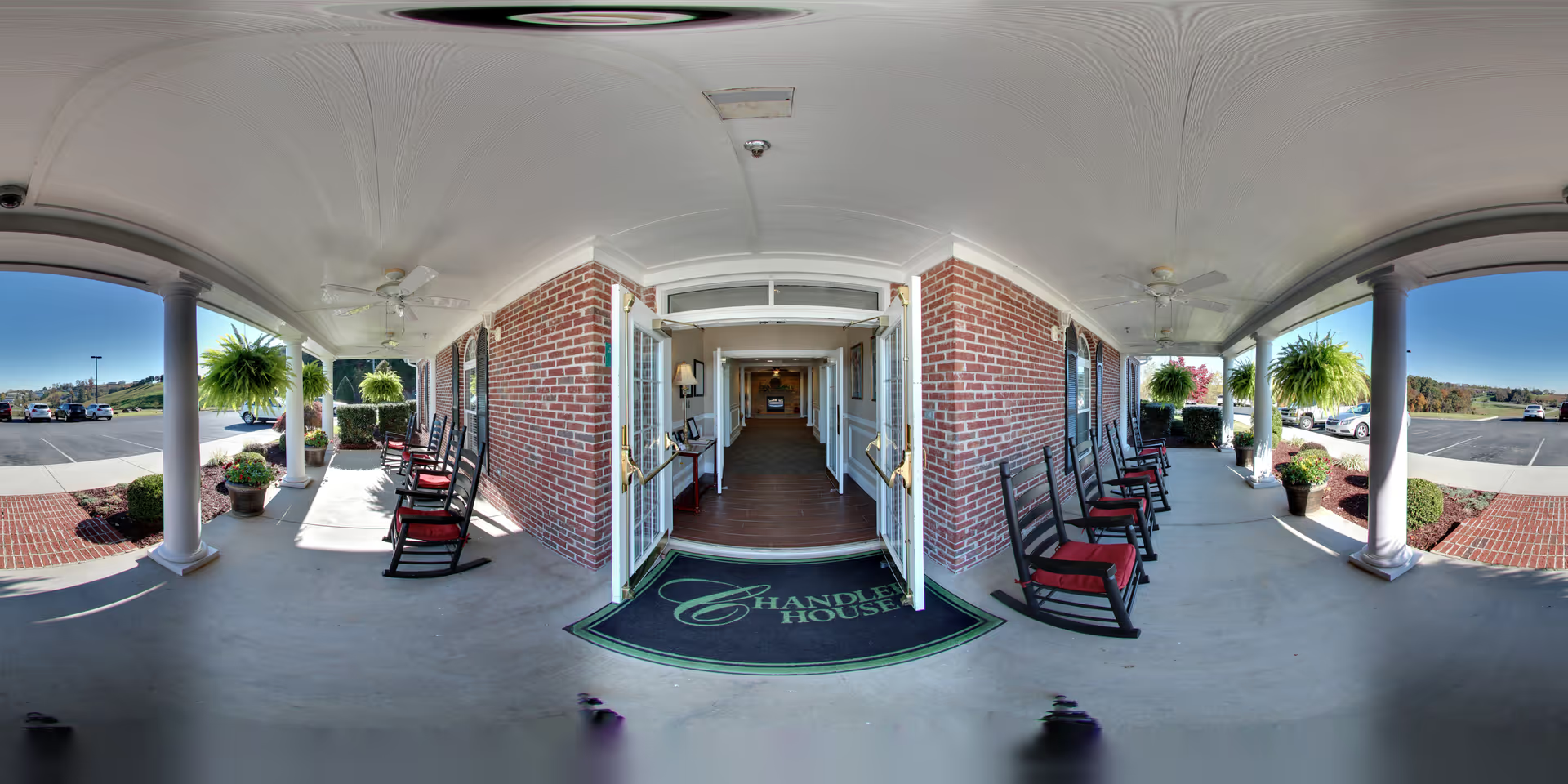
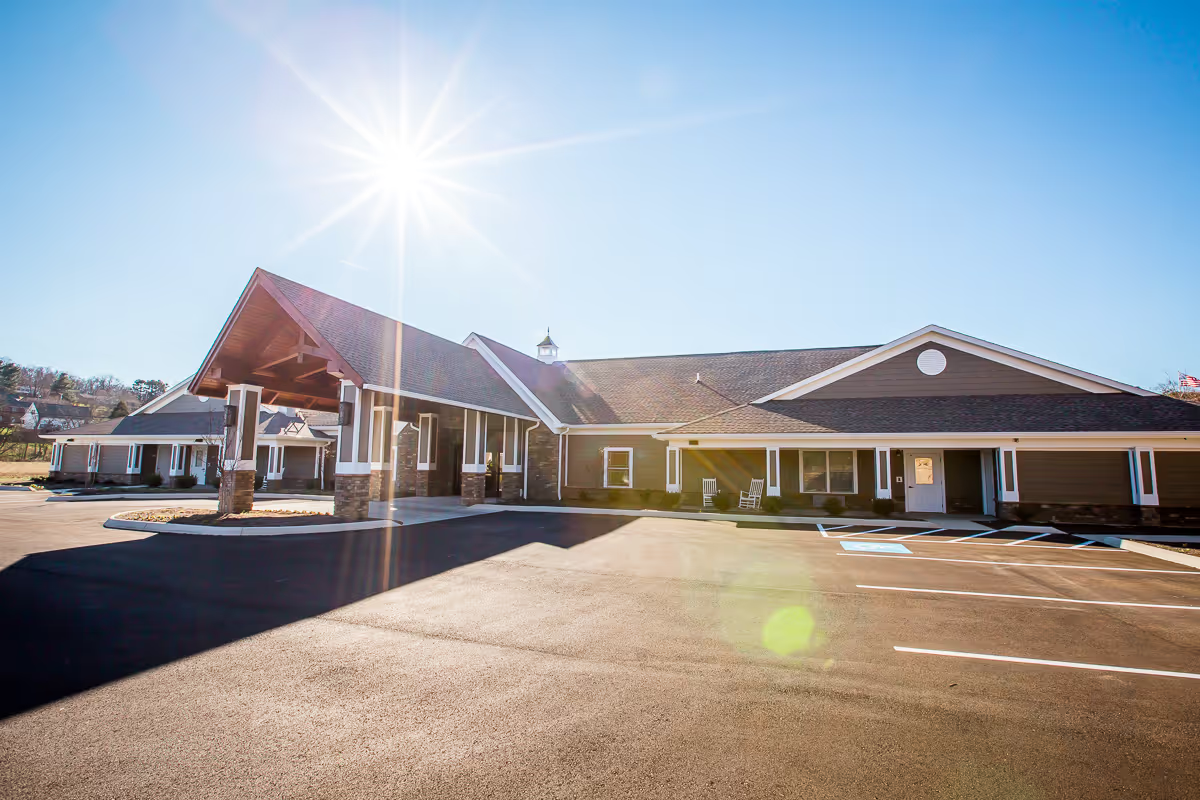
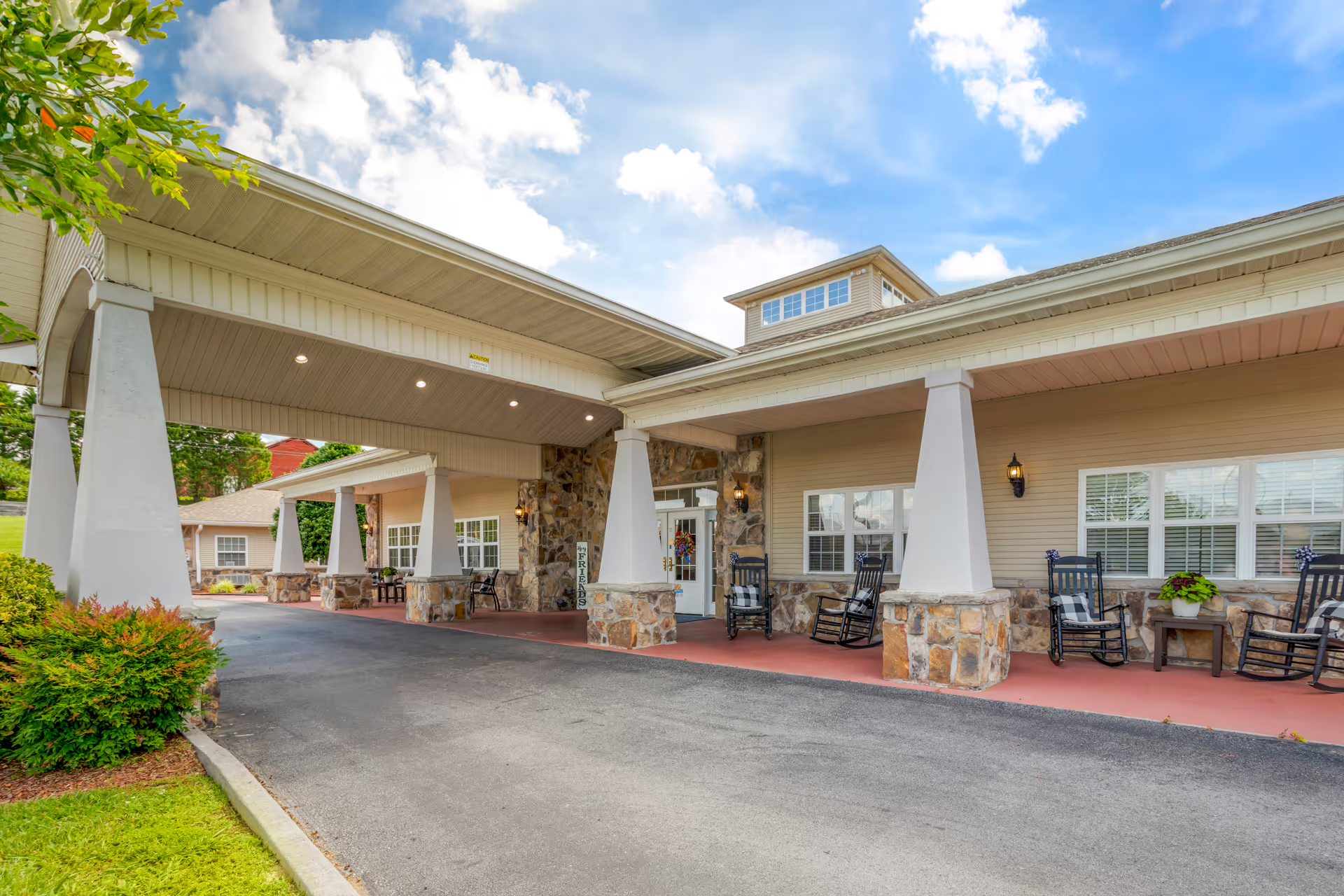
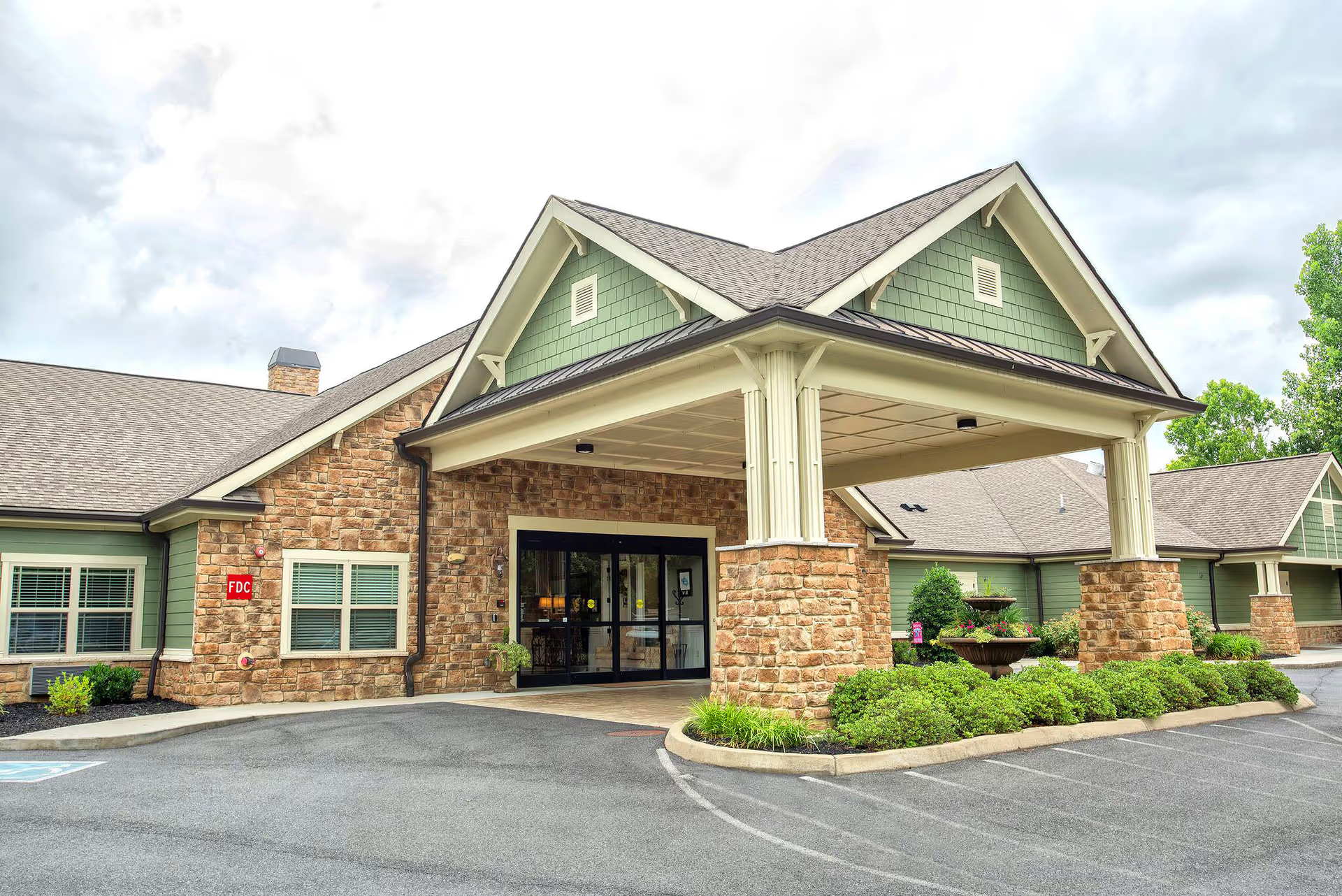
The reviews describe a facility with clear strengths in therapy, individual caregiving, and certain administrative efforts, alongside persistent operational weaknesses that affect resident experience and safety. Positively, many families and residents praised the rehabilitation team and physical therapists for helping achieve recovery goals, and several reviewers highlighted compassionate CNAs and nurses who provided attentive bedside care. Social-work support and discharge coordination were noted as helpful by families, and some reviewers observed strong dietary leadership and engaging activities that contributed to resident well‑being. A number of accounts also described comfortable, personalizable rooms and a welcoming reception atmosphere, and some reviewers reported visible administrative attention and improvements over time.
However, a recurring pattern across reviews points to staffing and responsiveness problems. There are frequent accounts of understaffed shifts, delays responding to call signals, and limited after-hours phone access — operational features that reviewers connected with delayed toileting and bathing assistance, prolonged waits for basic care, and an increased need for hospital transfers. Clinical oversight practices were described as inconsistent in some cases; reviewers cited concerns about medication timing, wound care, and monitoring that at times resulted in emergency department transfers or more intensive interventions. Infection-control and outbreak-management processes were also questioned in a subset of accounts.
Facility-maintenance and service-delivery issues were another theme. Several reviews referenced sanitation concerns and persistent odor in parts of the building, inconsistent housekeeping (including laundry and restroom maintenance), and variability in meal temperature and presentation. Visitor access and front‑desk staffing were described as limited or slow at times, creating barriers for families. There are also allegations of missing personal items and concerns about property‑security practices; one review referenced subsequent legal action, which families should consider when evaluating safeguards.
Taken together, the pattern suggests a facility where clinical and therapy capabilities can be strong and where individual staff members often provide empathetic, effective care, but where systemic issues — particularly staffing levels, consistent housekeeping, communication systems, and some clinical processes — create variability in daily experience and risk. Prospective residents and families may find it helpful to assess current staffing ratios, infection-control and wound-care protocols, family communication channels (including after‑hours contact), and property‑security measures before admission. When visiting or during a short stay, monitoring responsiveness to call signals, clarity of medication and care plans, and the handling of laundry and personal items can provide additional insight into how these operational patterns are being managed in real time.