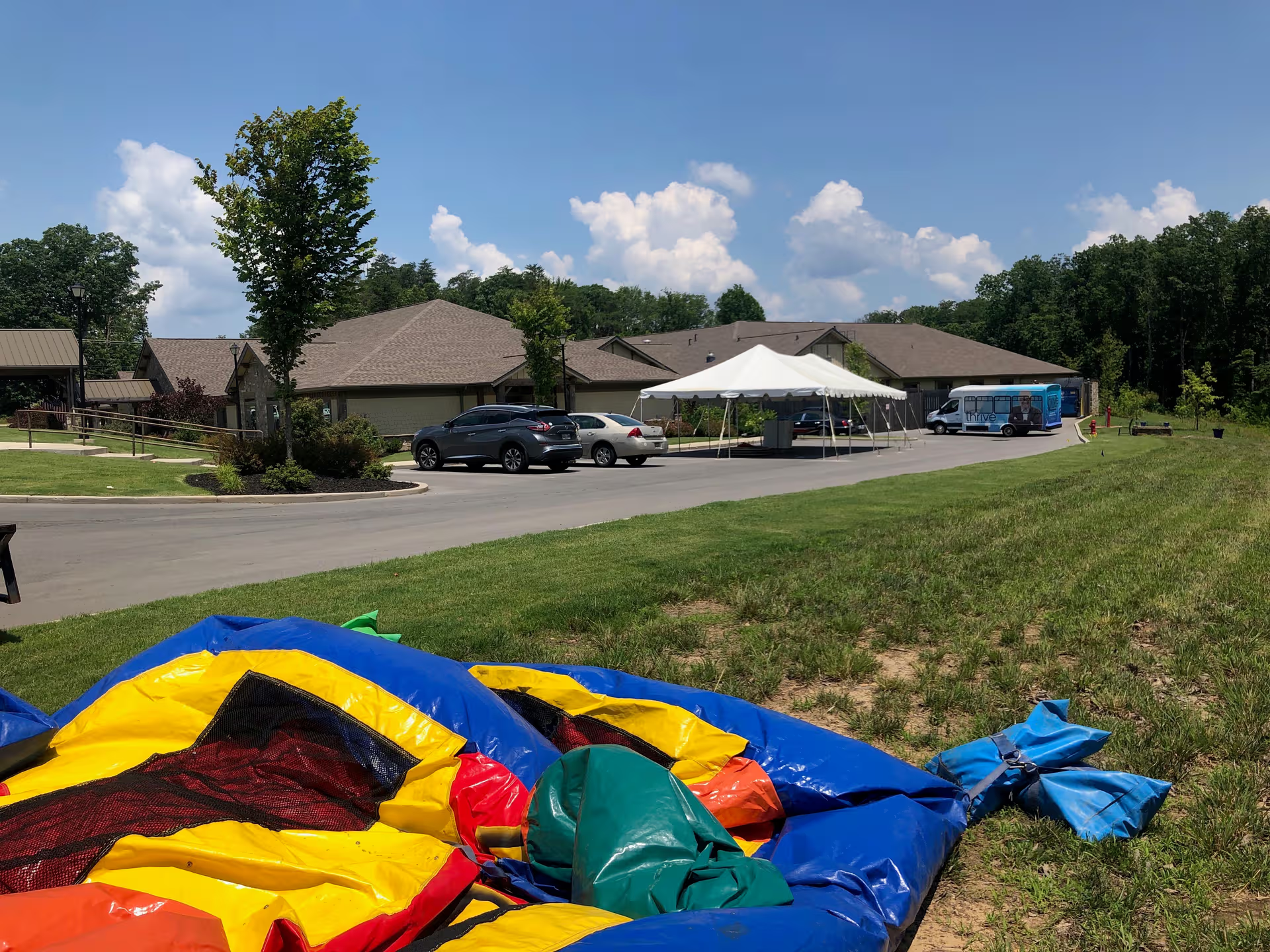
Overall impression is mixed but patterned: many families and residents praise the facility for hands-on caregiving, strong therapy services, and an active social program, while others describe operational shortcomings that affect daily experience. Clinical strengths most consistently noted include attentive CNAs, effective physical and occupational therapy, and demonstrable short-term rehabilitation successes that have enabled return to greater mobility for some residents. Memory-care programming and activity offerings (art classes, exercise, Bingo, off-campus outings) are repeatedly described as engaging and supportive of socialization.
Staff culture is frequently described as warm and resident-centered. Multiple accounts single out individual caregivers and administrators for above-and-beyond efforts, and several reviewers praised specific staff for clear communication and responsiveness. At the same time, there is variability across shifts and departments: reviewers cite inconsistent nurse responsiveness, delays in clinician access, and uneven clinical oversight. These patterns correspond with mentions of staffing shortages and long hold times to reach rooms, which appear to contribute to slower response after incontinence or fall-related events and to irregular personal-care routines.
Dining and hospitality receive mixed feedback. Many reviewers describe friendly kitchen staff and enjoyable meals, while others note dietetic or scheduling gaps (morning and weekend offerings) and variable meal quality. The activity program and social environment are consistently seen as positive contributors to residents’ mental and physical engagement, and reviewers often mention new friendships and regular programming as benefits.
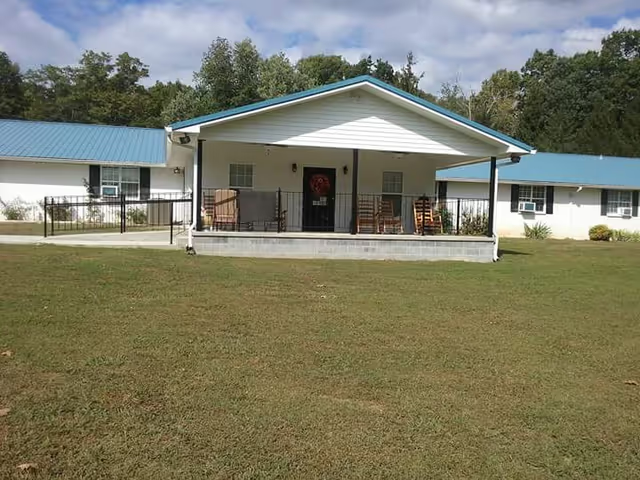
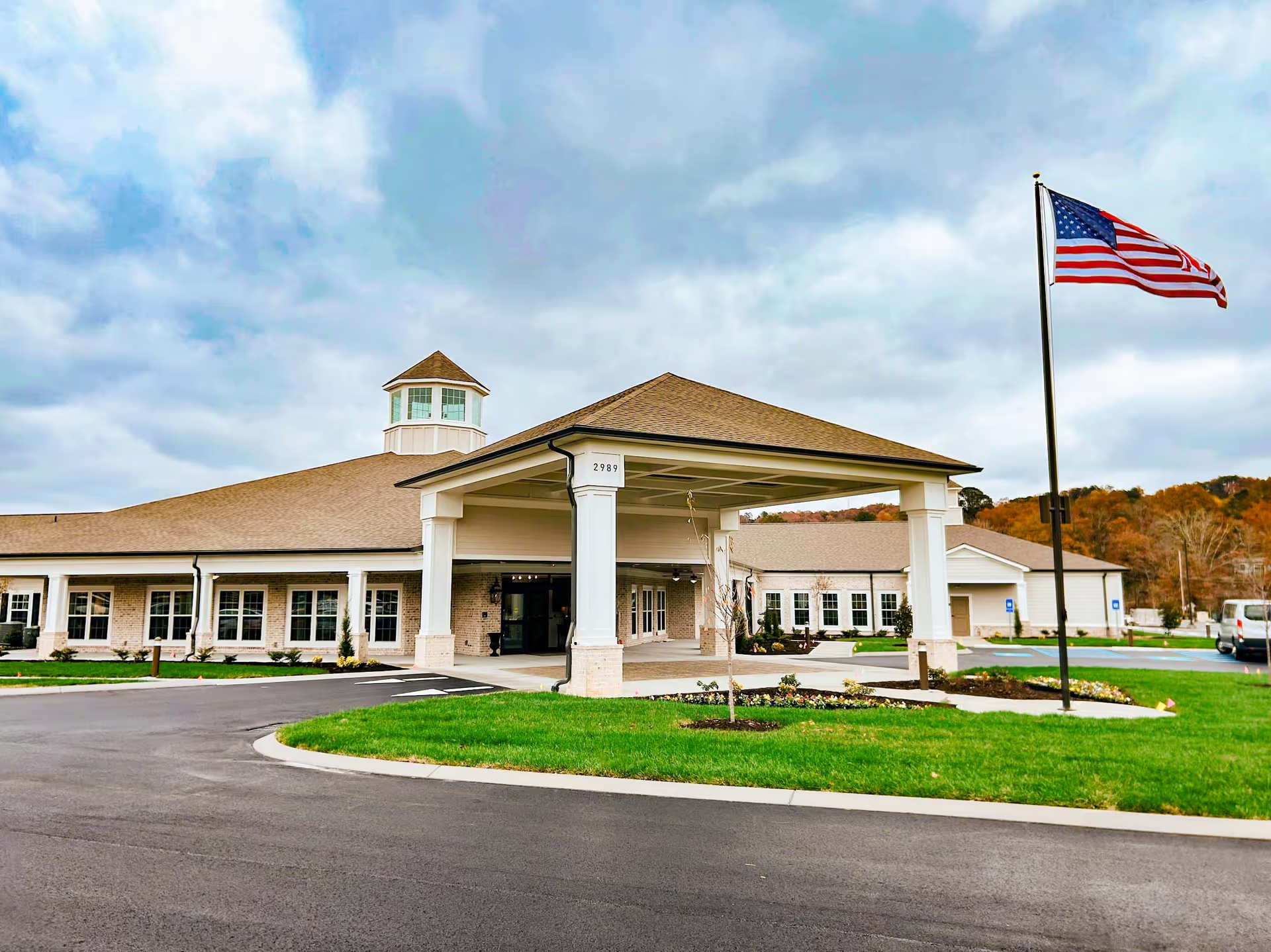
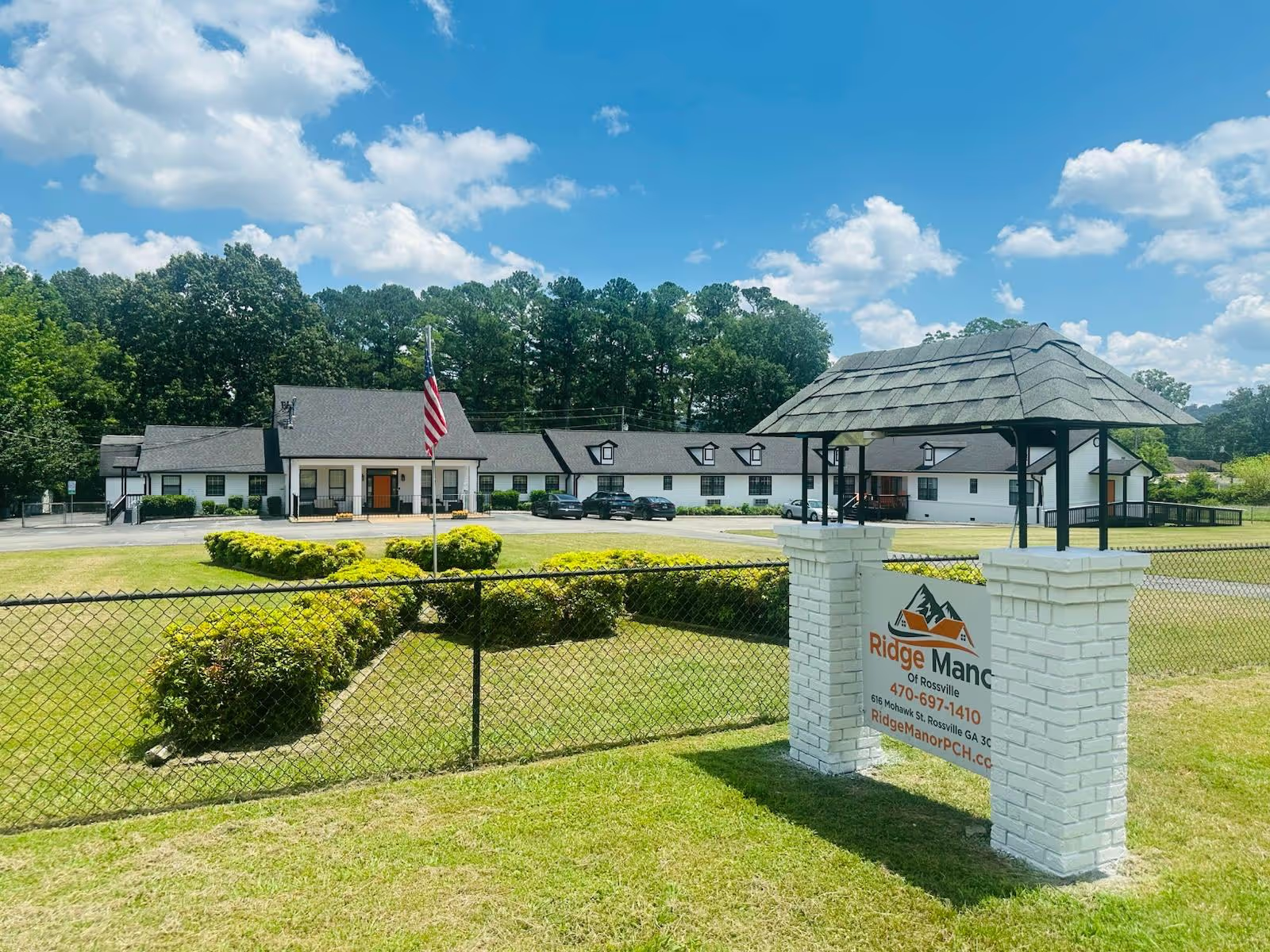
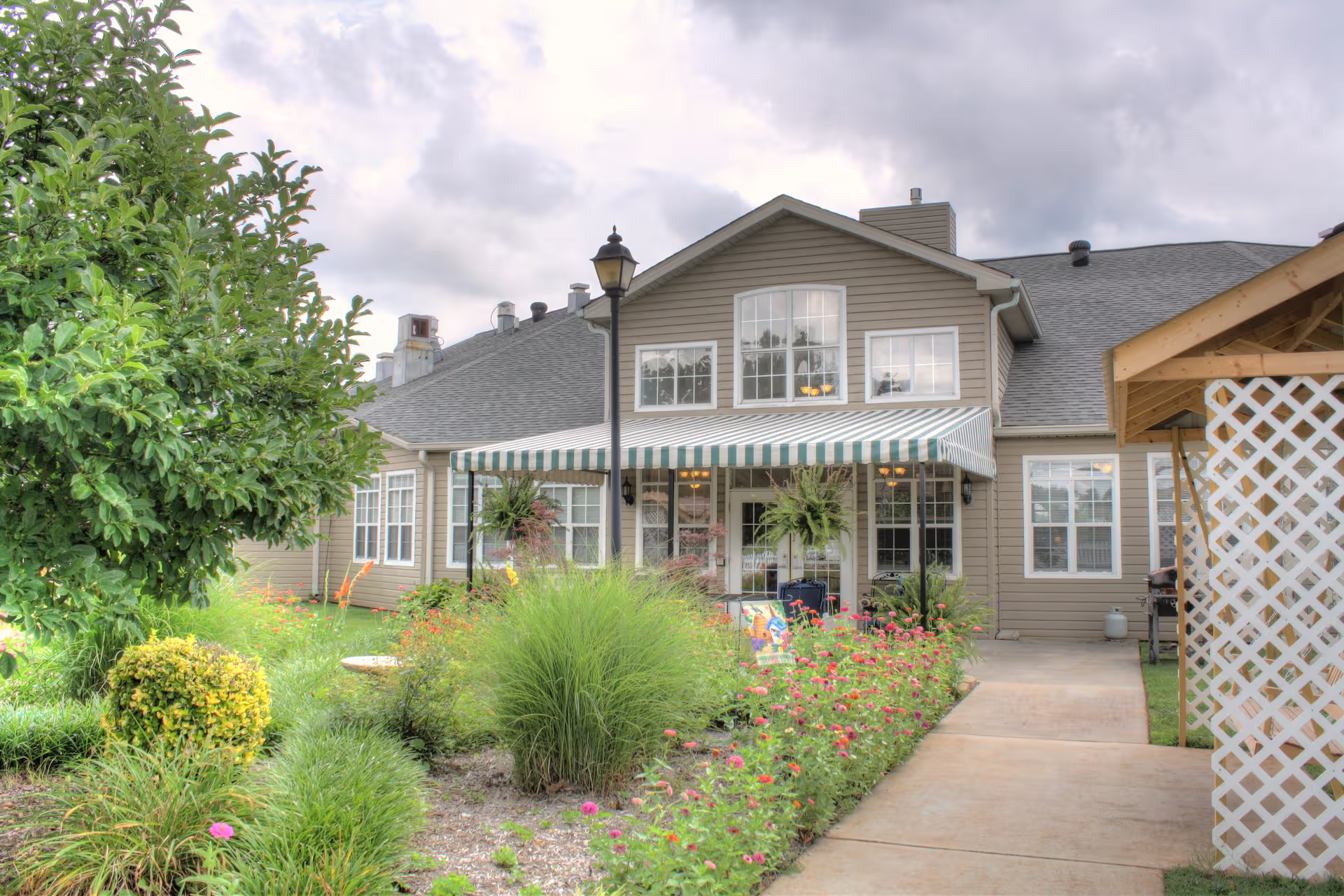
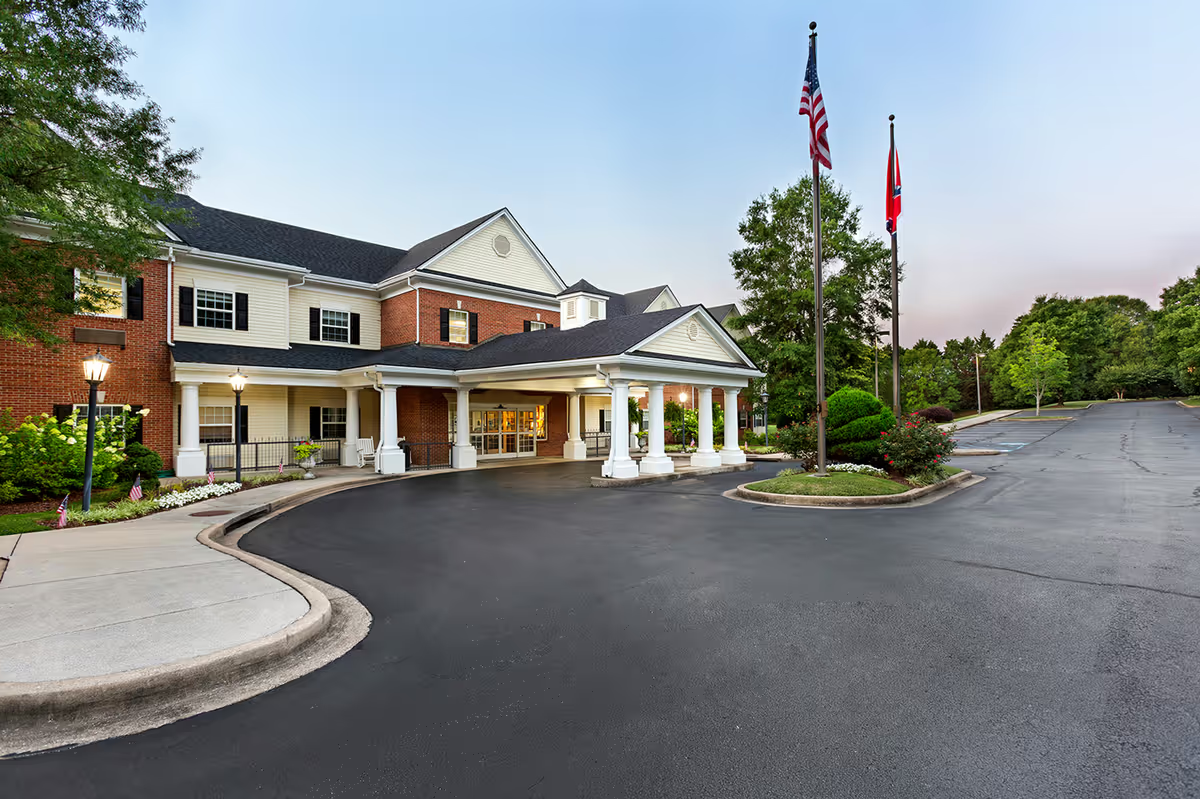
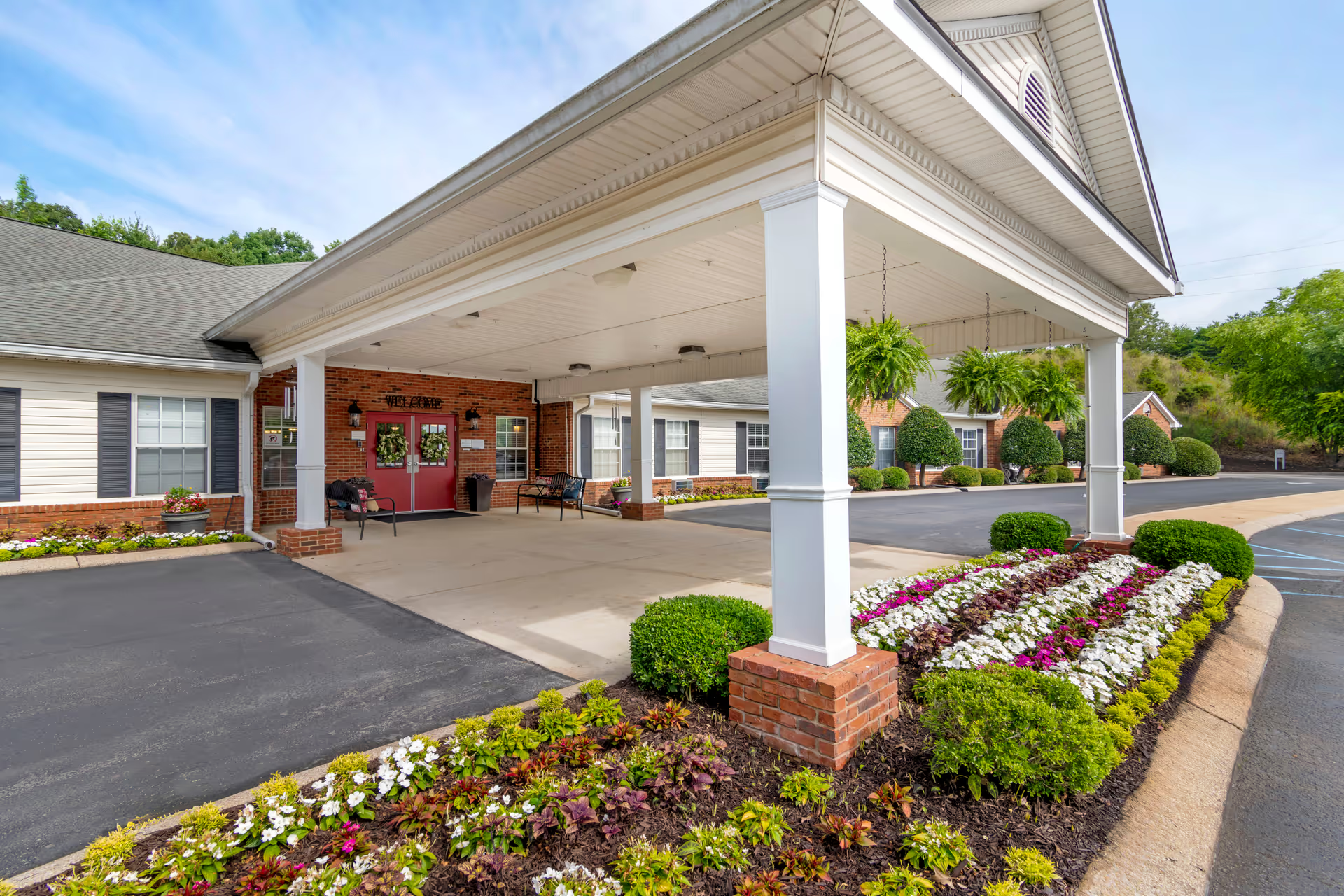
Facility condition is described unevenly. Several accounts emphasize a clean, well-maintained environment and roomy accommodations, but other accounts point to maintenance concerns such as warm rooms, damp bedding in isolated cases, lack of certain amenities (mini-fridges), and an overall older building that would benefit from ongoing upkeep. Operational logistics — including slow door access, confusing room/bed numbering, and wayfinding — have been called out as practical issues that affect families and staff.
Management and oversight show signs of active improvement in some reviews and inconsistency in others. Some families note a responsive, engaged administrator and named staff who provide helpful updates; others reference prior leadership problems and uneven oversight. There are also recurring mentions of gaps in incident response and family communication after medical events, suggesting an area for clearer protocols and more consistent caregiver-to-family communication.
In sum, the facility demonstrates clear strengths in direct caregiving, rehabilitation therapy, and social programming, which provide meaningful benefit for many residents. Prospective families should weigh those positives against recurring operational concerns — chiefly variability in cleanliness, staffing levels, clinician availability, and certain maintenance/logistical issues — and should ask targeted questions about current staffing, physician coverage, incident response protocols, and recent facility maintenance when considering placement.