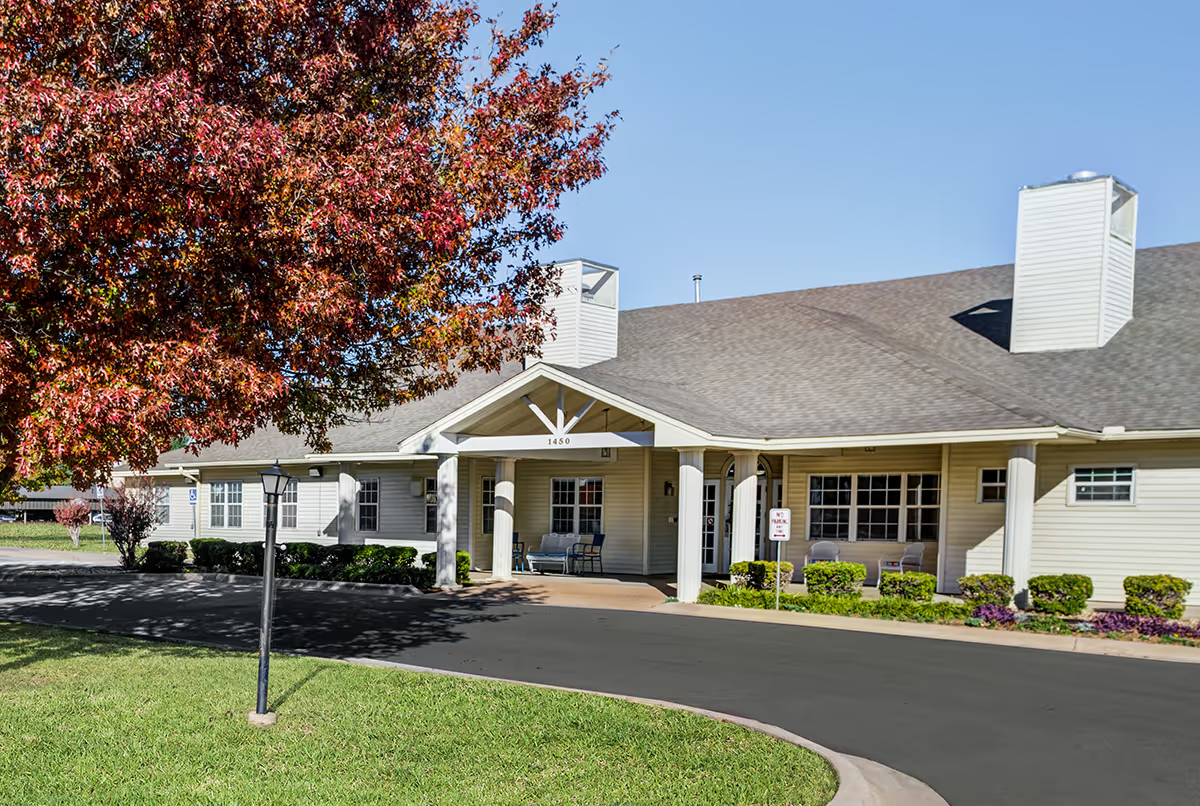
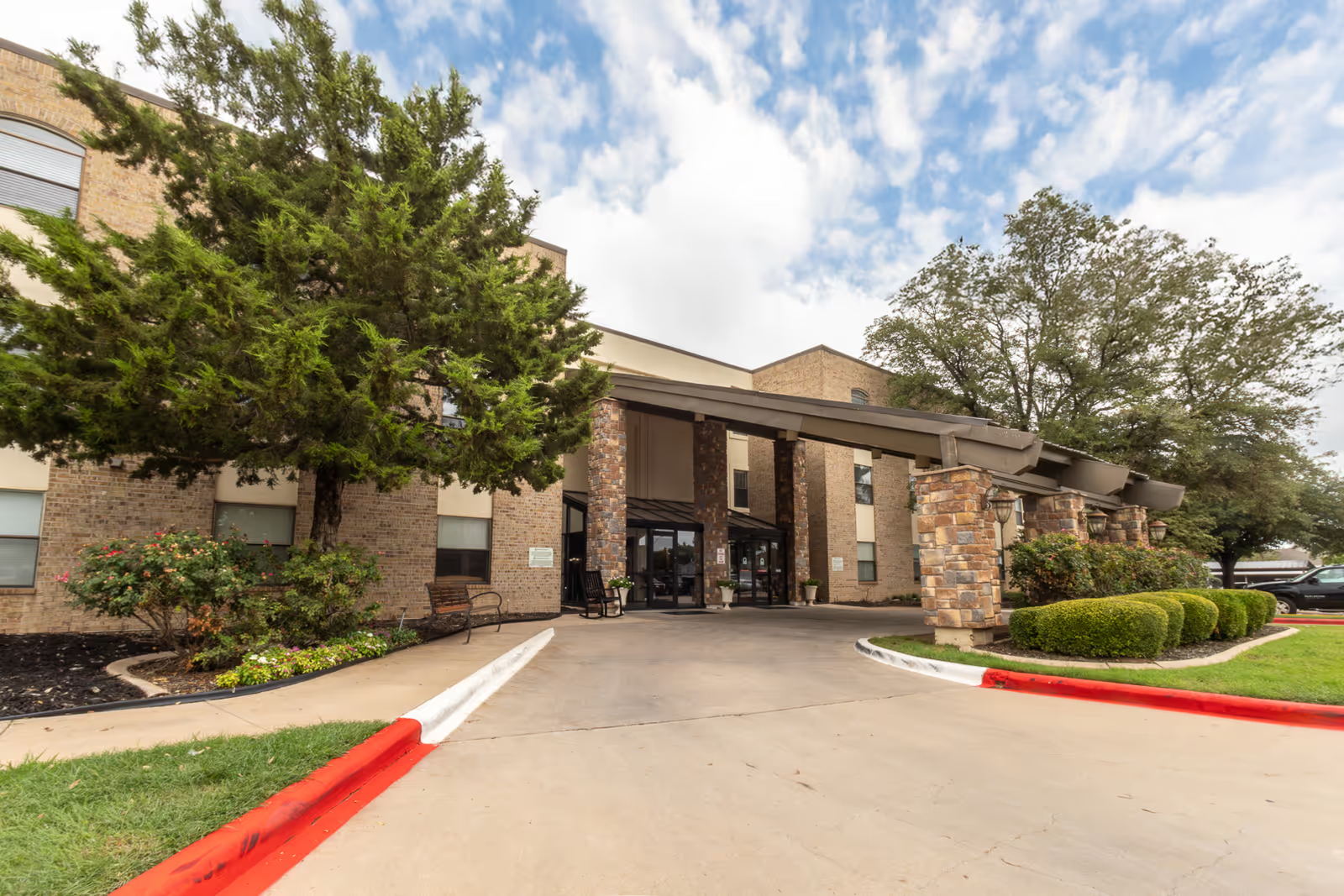
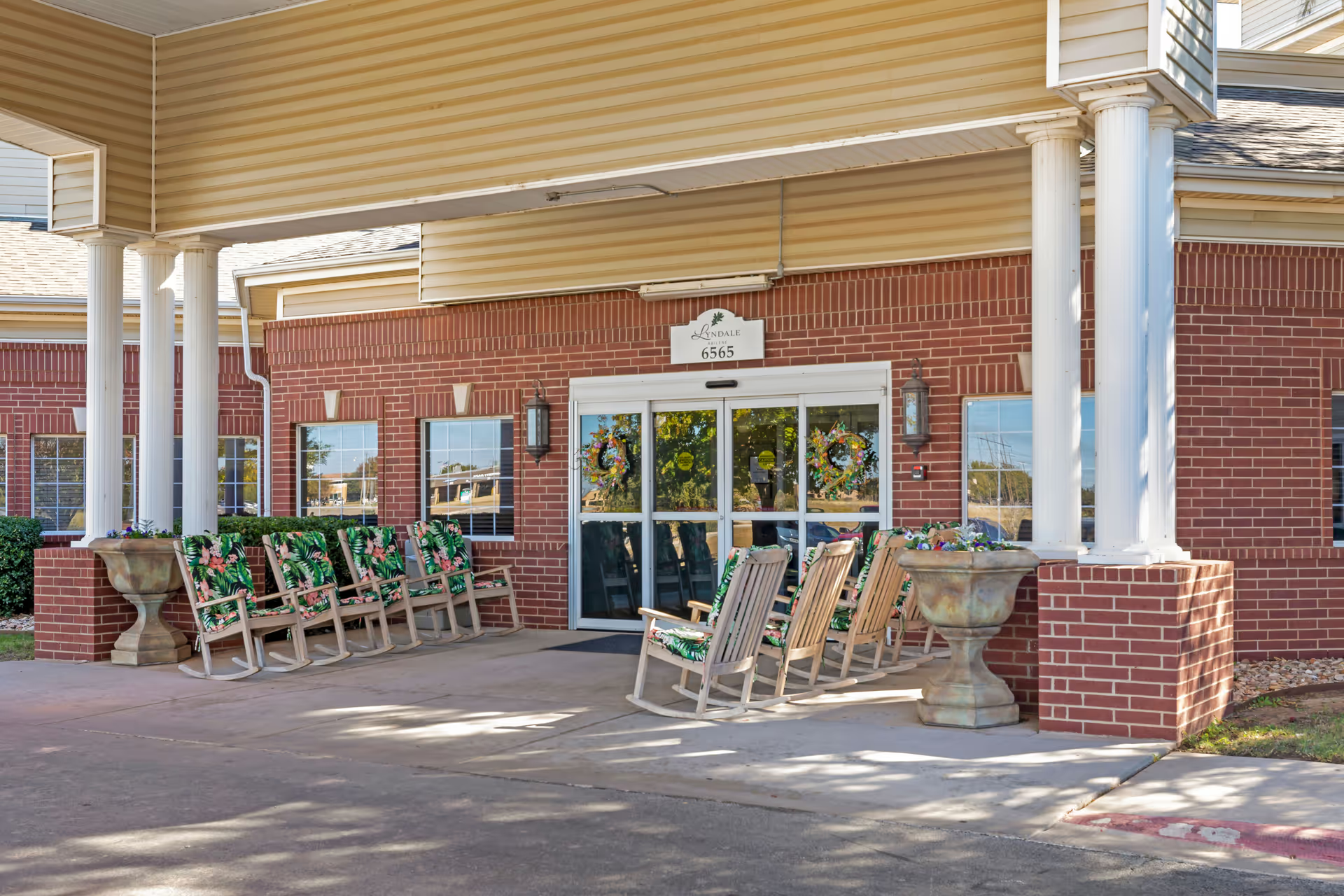
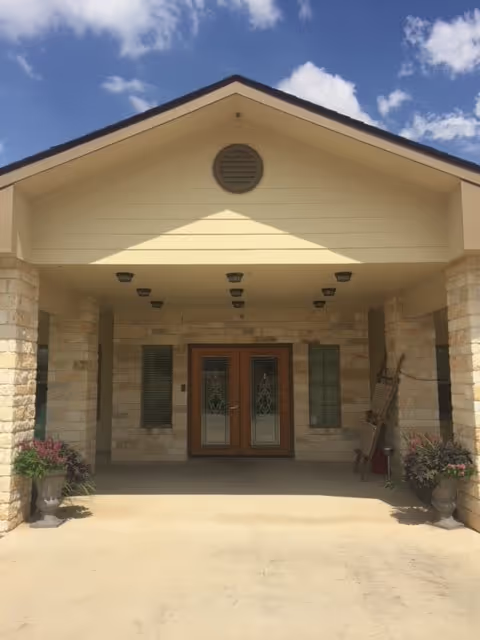
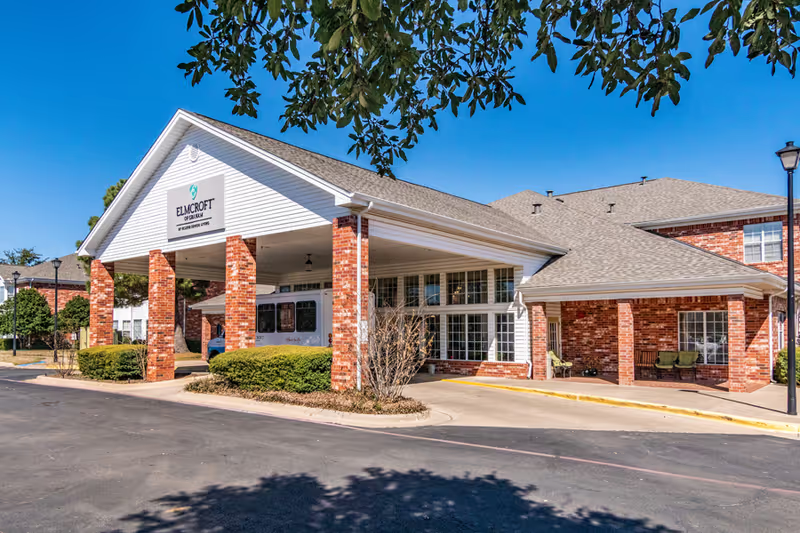
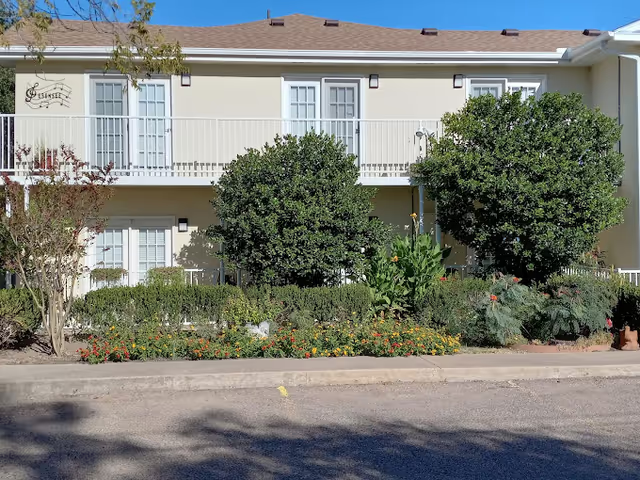
The reviews present a facility with clear strengths in environment, programming, and many direct‑care relationships, alongside recurring operational weaknesses that affect clinical consistency and family confidence. Positive accounts emphasize an attractive, well‑maintained building and grounds; personalized resident rooms; a warm, community‑oriented atmosphere; a robust activities calendar; and on‑site therapy and transportation options. Families and external hospice partners are frequently noted as collaborators in care, and several long‑tenured staff members receive specific praise for compassionate, attentive work.
Care quality described by reviewers is mixed. Many families commend individual aides and nurses for responsiveness, comfort measures, and rehabilitation support. At the same time, there are consistent accounts of delayed basic care tasks (for example, linen changes and bathing), inconsistent hygiene routines, and lapses in wound‑care supply management and pressure‑injury prevention. Medication and topical‑agent handling has been called into question in a subset of accounts; reviewers described unsecured or inconsistently documented medications or topical products. A few serious accounts led to APS or police follow‑up, and there are also family concerns following a resident's decline and hospitalization; these appear to be isolated but noteworthy and underline the variability in outcomes reported.
Staffing and staff conduct are central themes. Reviewers repeatedly cite staffing shortages—especially at night—and slow responses to call lights. Several reviews describe staff distraction (phone use) and inconsistent training or engagement, which families say contributes to delays and communication breakdowns. Conversely, many reviewers single out compassionate long‑term staff members and newer leadership efforts that some report have improved responsiveness. External hospice teams are generally described positively when involved.
Dining, therapy, and activities are generally viewed favorably when operational: residents enjoy flexible dining options, colorful meals, and organized social programs that support a resort‑like feel. However, reviewers also mention inconsistent meal timing, occasional delays in serving fluids, and variability in therapy follow‑through (some families feel rehab is active and helpful; others feel exercise encouragement is lacking). These inconsistencies suggest service delivery varies by shift and by individual care team.
Facility upkeep and operations are similarly mixed. Many reviewers praise cleanliness, pleasant smells in common areas, and tasteful interior design. Others report area‑specific sanitation concerns, bathroom maintenance issues, and occasional shortages of supplies (towels, wound supplies) that affected care. Communication systems are also inconsistent: families describe phone lines that are inactive or incur additional charges, dropped calls at the front desk, and slow administrative response to concerns. Leadership responsiveness is uneven in the reviews—some families note improved management and new direction, while others report difficulty reaching directors and unresolved issues.
Overall, Avir at Abilene appears to offer a strong environment, engaging programming, and several dedicated staff who provide high‑quality personal interactions. The most important patterns for prospective families to weigh are the variability in clinical consistency (hygiene routines, wound management, medication processes), staffing reliability (especially overnight), and administrative communication. Those considering the facility may want to ask specific questions about night staffing ratios, protocols for linen and incontinence care, wound‑care and medication‑management procedures, hospice coverage, and how the facility addresses family communication and supply shortages. Regular in‑person checks and clear advance discussion of escalation pathways may help families monitor care continuity while residents are enrolled.