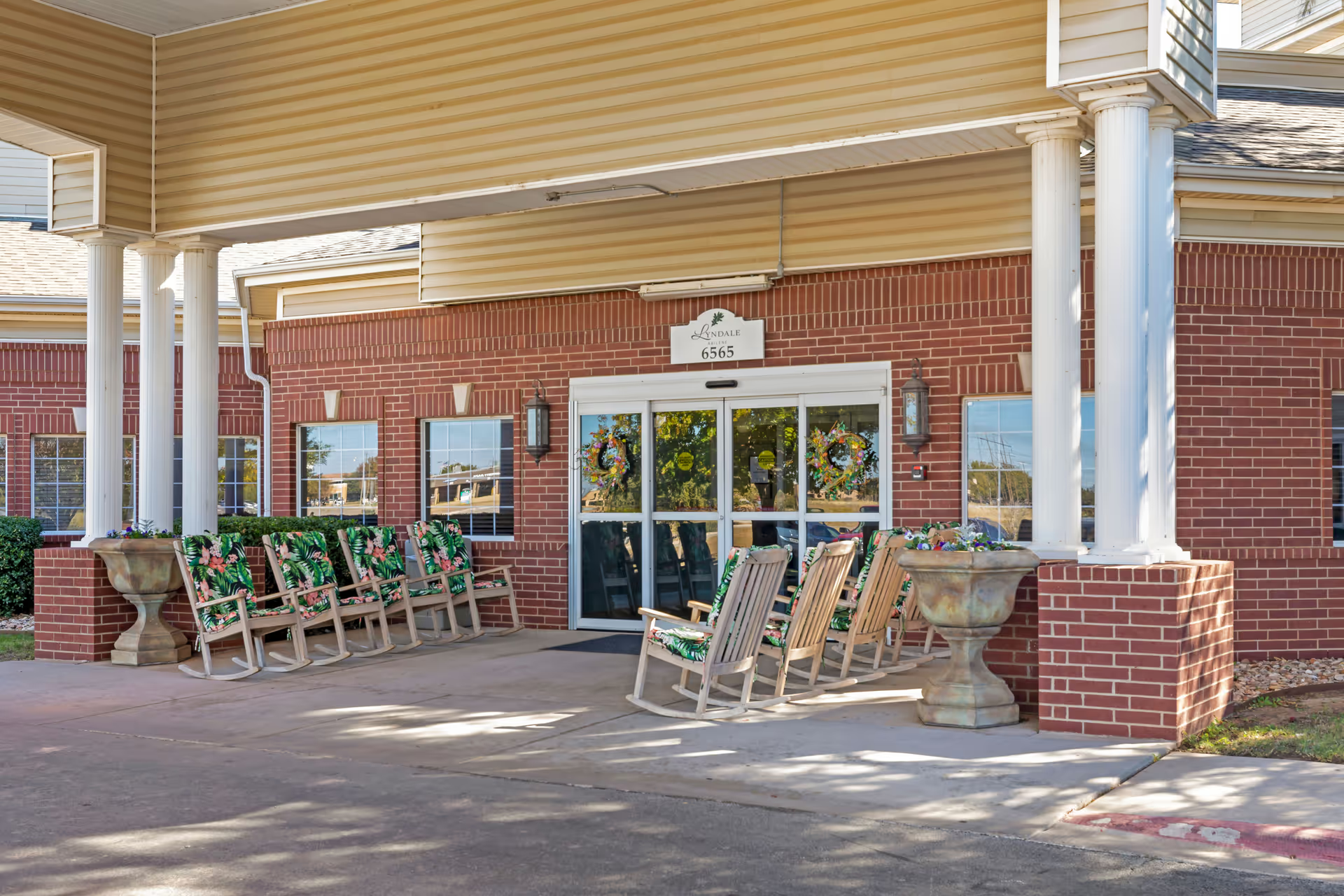
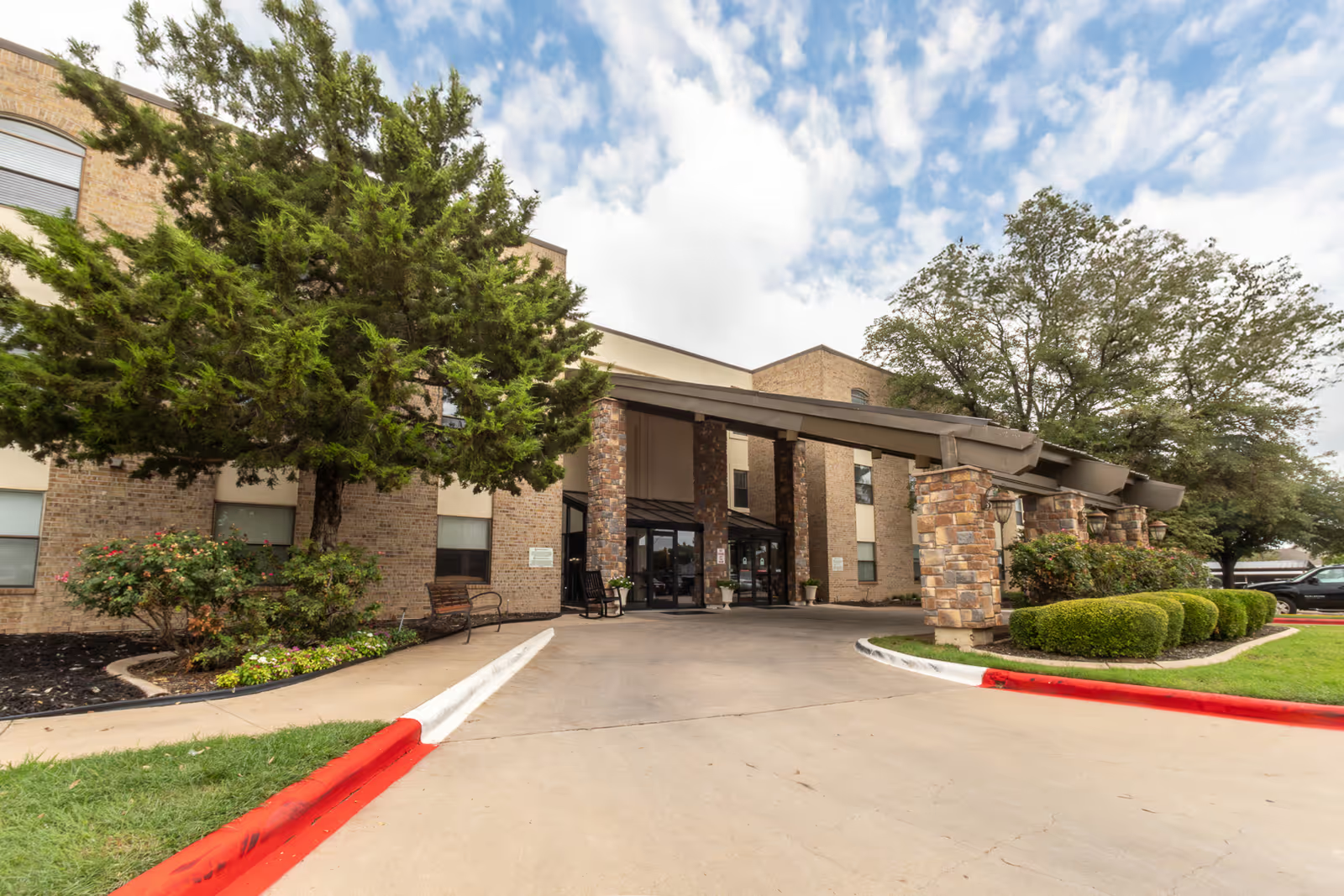
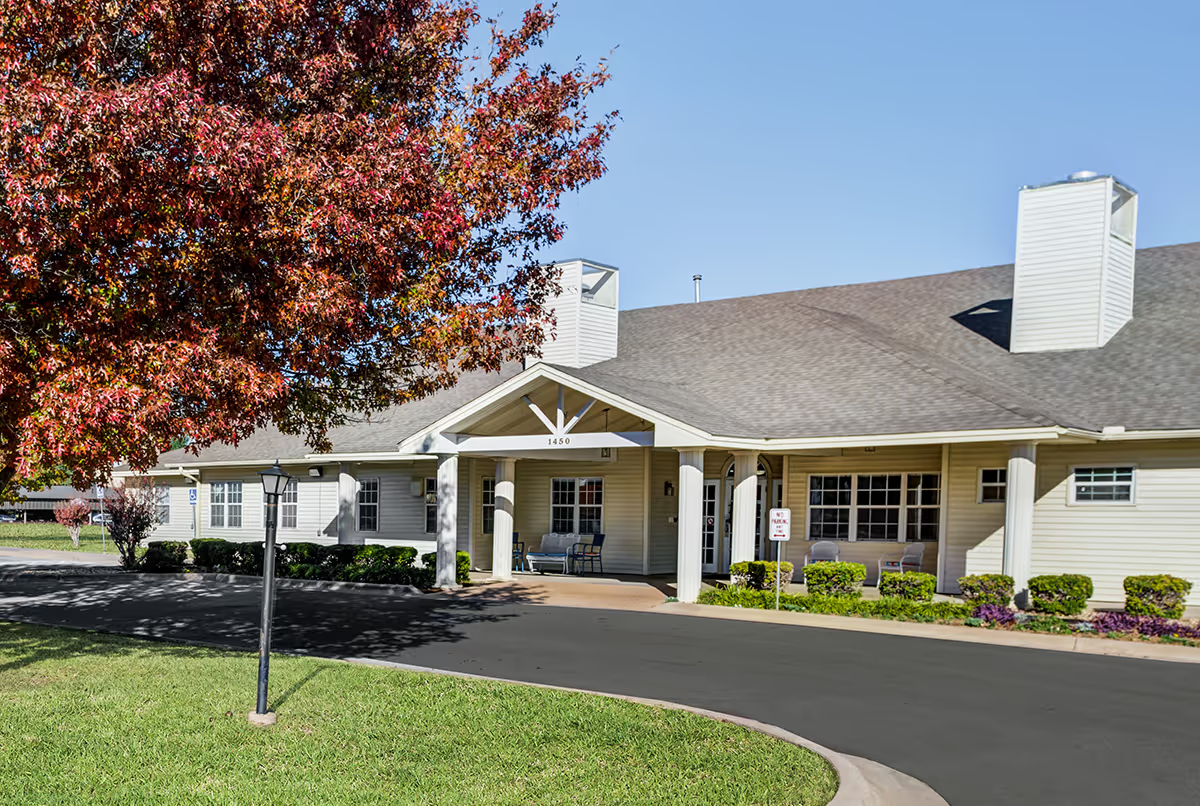
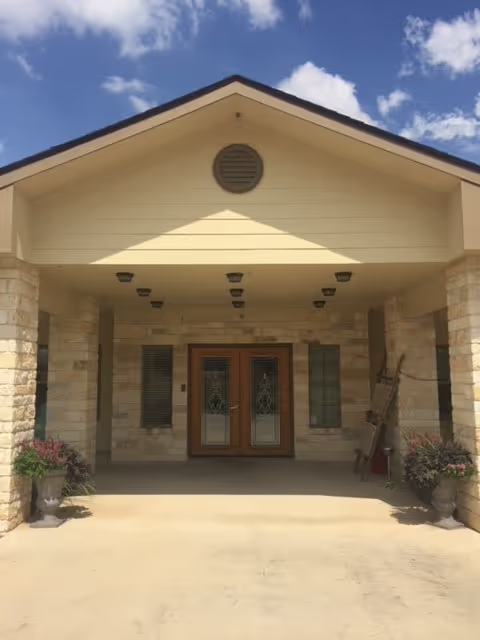
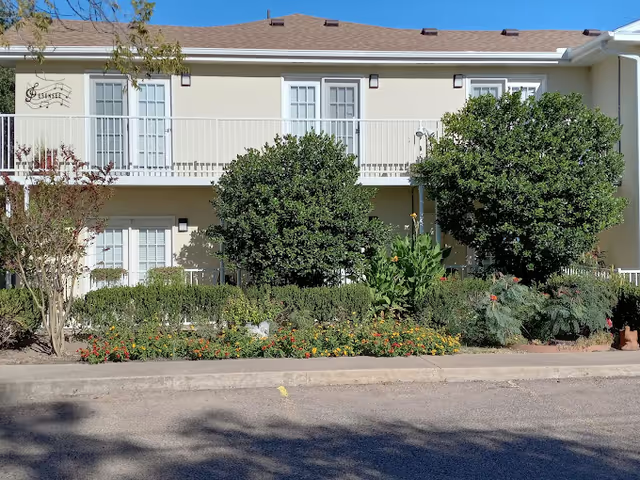
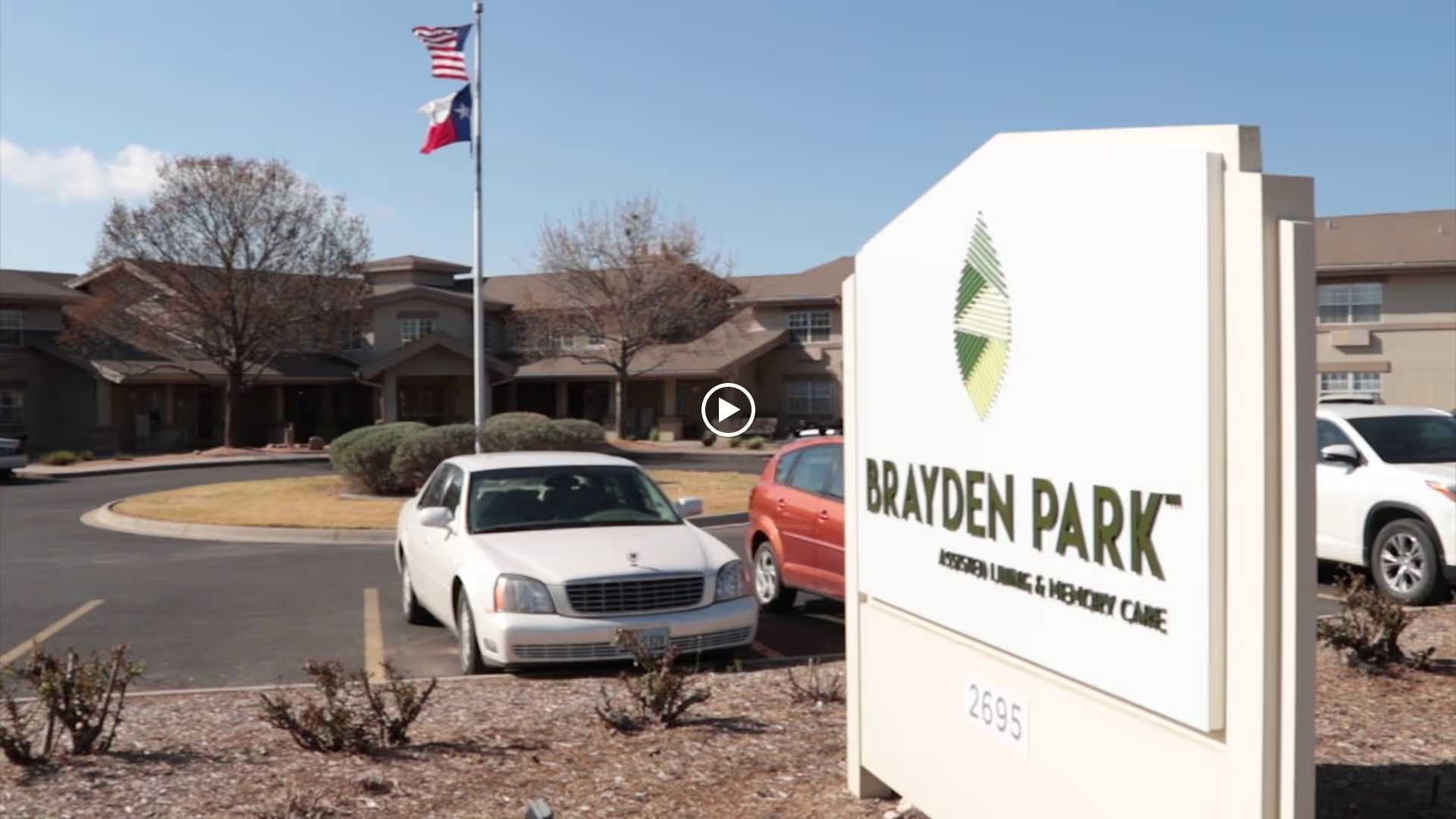
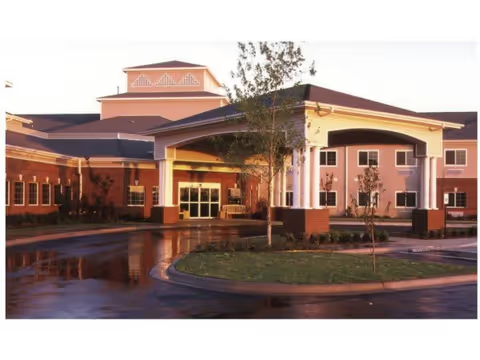
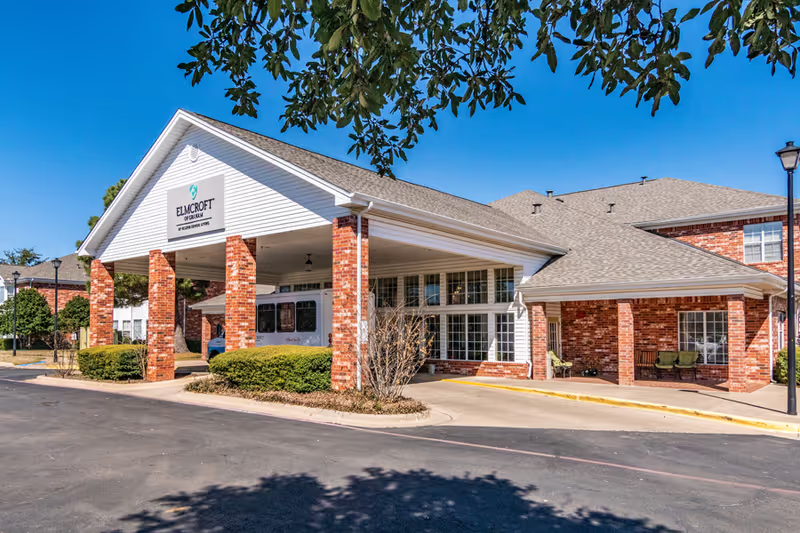
BeeHive Homes of Abilene presents as a small, recently opened residential care community with many features families value: a home-like atmosphere, a low census (reported at roughly 16–18 beds), modern interiors, a bright dining room with an open kitchen, and amenities such as an on-site salon and an outdoor patio. Numerous reviewers praised the facility's welcoming tone, compassionate caregiving, and frequent staff–resident interaction. Several reviewers also highlighted attentive administration and specific directors who are visibly engaged in day-to-day operations.
Care quality is described in mixed terms. Positive comments emphasize personalized, family-style care, 24-hour on-site availability, attentive aides, and support for long-term and end-of-life needs. However, a consistent concern across reviews relates to medication management: reviewers cited discrepancies in medication lists, errors or mishandling of medication instructions, and related communication gaps. These items indicate an operational weakness in medication-administration controls and recordkeeping that prospective families should investigate further.
Dining and activities are generally strong points. Many families described well-prepared meals, dietary accommodations, frequent snacks, and a social, family-style dining approach. The activity program — including movie nights and daily engagement opportunities — was frequently described as lively and resident-focused. A minority of reviewers, however, raised concerns about occasional meal-supply interruptions or insufficient portions; this points toward potential vulnerabilities in food-service continuity that merit direct inquiry during a visit.
Facility condition and management show a clear bifurcation in experiences. Multiple reviewers praised the clean, new construction, spacious rooms, and daily housekeeping; others described maintenance delays, inconsistent repairs, and a perception that cleanliness can be more cosmetic than procedural. Staffing and leadership also drew mixed feedback: some families named specific administrators positively and noted responsive communication, while others reported high turnover, inconsistent hiring, favoritism, or broken promises. Related operational themes include gaps in staff training—particularly in dementia-specific interactions—and safety practices tied to fall risk.
For prospective residents and families: the community offers many appealing features for those seeking a small, homelike setting with engaged staff and robust social amenities. At the same time, the pattern of medication-management issues, variable staff stability, occasional maintenance shortfalls, and uneven dementia-care approaches suggests areas to investigate during a tour. Recommended specific questions: ask to review the facility's medication-administration protocols and audit process; request staffing ratios and turnover statistics; observe a mealtime and an activity period; and inquire about maintenance response times and dementia-care training. These steps can help reconcile the strong positive features with the operational risks described by other families.